


Mumbai, India – August 21, 2026 – In a powerful and unprecedented move, acclaimed actress Shweta Tiwari has publicly condemned the rampant online abuse she has been subjected to, particularly the use of derogatory slurs and vile attacks directed at her children. The actress, known for her strong on-screen presence, has taken her fight to social media, not only exposing the profiles of her tormentors but also directly calling out Maharashtra Navnirman Sena (MNS) chief Raj Thackeray. Tiwari’s courageous stance highlights a growing concern over online misogyny and the alleged exploitation of regional pride by political figures to shield or even implicitly endorse such behavior.
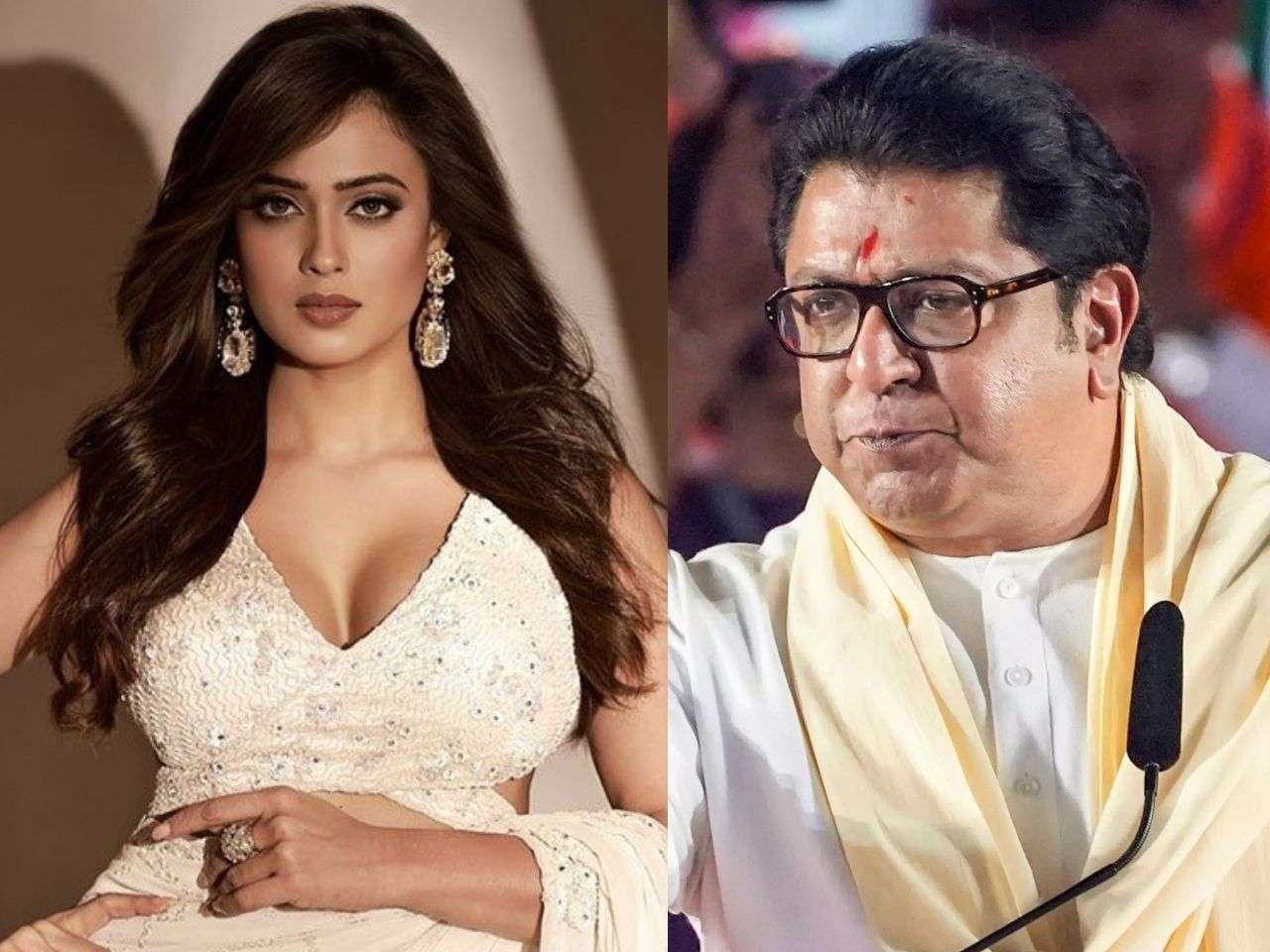
The controversy erupted following a barrage of deeply offensive comments on Tiwari’s social media platforms, where she was repeatedly subjected to the slur "r*ndi" – a highly derogatory term for a woman. The attacks escalated to include her daughter, Palak Tiwari, and even her five-year-old son, Reyansh Kohli, prompting the actress to break her silence with a series of damning Instagram stories.
)
The Genesis of a Public Outcry: From Personal Attack to Political Accountability
Shweta Tiwari’s public confrontation began subtly, with her initial posts expressing profound distress and disbelief at the nature of the abuse. She articulated her shock at how easily and brazenly women, regardless of age or profession, could be subjected to such vile language online. The turning point, however, came when she identified one of her most persistent trolls as a medical professional and, crucially, a supporter of Raj Thackeray and the MNS. This revelation shifted the narrative from a general lament about online toxicity to a direct challenge to a political leader.
)
H3: The Unacceptable Language and Its Source

In her Instagram stories, Tiwari shared screenshots of the offensive comments and the profiles of the individuals responsible. Her initial outrage stemmed from the sheer vulgarity and the personal nature of the attacks. "Today, I want to talk about something that is both deeply concerning and, unfortunately, very common on social media: calling a woman ‘r’. Any woman. Or any age. From any profession. Any man, from any background, can come online and call a woman ‘r’," she stated, her words resonating with a growing number of women who have experienced similar harassment.
)
The actress highlighted the hypocrisy and moral bankruptcy of individuals who engage in such behavior, particularly when they themselves have women in their families. She questioned the mindset of those who could spew such venom online while returning to their homes to interact with their wives, daughters, and mothers. This line of questioning was specifically aimed at the identified MNS supporter, who, despite his alleged involvement in such reprehensible online conduct, appeared to be part of a political movement that often invokes "Marathi pride."
)
Direct Confrontation: Targeting Raj Thackeray and the "Proud Marathi Manus" Narrative
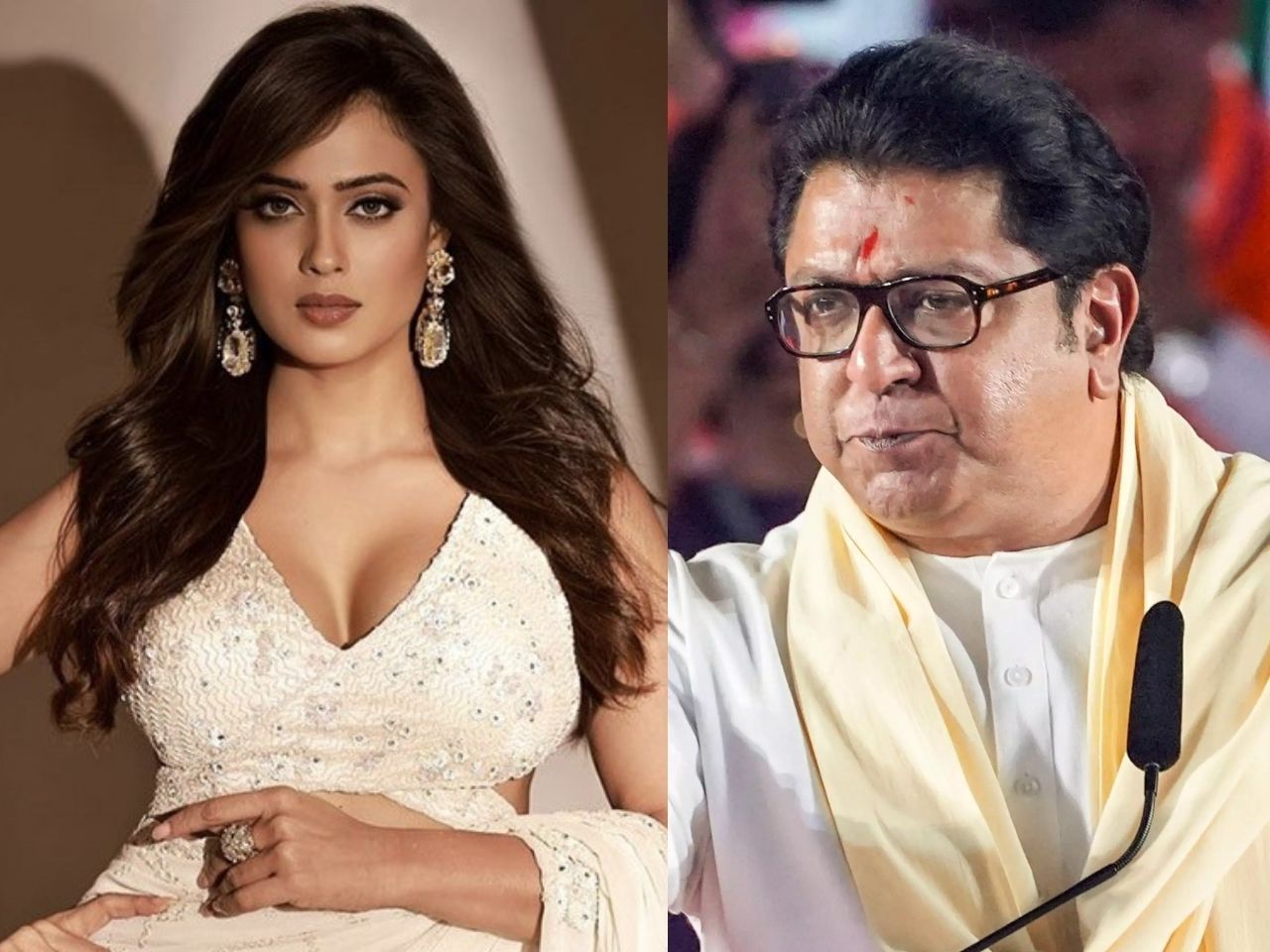
Shweta Tiwari did not shy away from directly addressing Raj Thackeray, the influential leader of the Maharashtra Navnirman Sena (MNS). She posed a critical question to him, implicitly questioning his party’s values and the behavior of its supporters. "And I thought, how do you go home to that family after speaking to another woman like this? Apparently, he is also a supporter of Raj Thackeray or his party," she wrote, before directly addressing Thackeray. "If people like this are your supporters, then I would genuinely like to know…do you believe this is acceptable behaviour? Because speaking Marathi, calling yourself a Marathi manus, or claiming to love Maharashtra is not enough. Respecting women is also part of that identity."
)
This statement is particularly significant as it challenges the MNS’s oft-repeated slogan of "Proud Marathi Manus" (Proud Marathi Man). Tiwari’s accusation suggests that the pride and regional identity espoused by the party are being used as a shield for, or are being undermined by, the misogynistic and abusive behavior of some of its followers. She forcefully argues that true pride in one’s heritage should encompass respect for all, especially women, and that using regional identity to justify or overlook abusive conduct is a perversion of that pride.
)
H3: The Escalation to Family Members: A New Low
)
The actress further revealed the deeply disturbing extent of the trolling, noting that it had also targeted her children. She expressed her anguish over comments made about her eight-year-old son, Reyansh, and her daughter, Palak. "Sometimes, people even talk about me and my eight-year-old son and my daughter in a very, very disturbing way," she shared, her voice laced with pain and anger. This inclusion of her children in the online attacks clearly pushed Tiwari to her breaking point, transforming her personal grievance into a public crusade against online harassment.
)
The actress’s decision to expose the profiles of these individuals, including the doctor and MNS supporter, serves multiple purposes. Firstly, it aims to hold them accountable for their actions and deter others from similar behavior. Secondly, it forces the issue into the public domain, drawing attention to the severity of online abuse and its impact on individuals and families. Thirdly, by directly confronting Raj Thackeray, she aims to force a political reckoning and highlight the responsibility of leaders in shaping the discourse and behavior of their followers.
)
Supporting Data and Precedents: A Wider Problem of Online Misogyny
While Shweta Tiwari’s case has garnered significant attention due to her celebrity status and direct confrontation with a political figure, her experience is far from isolated. The digital landscape, particularly in India, has become a breeding ground for online harassment, with women, celebrities, and public figures frequently becoming targets.
)
- Statistics on Online Harassment: Various studies and reports have highlighted the pervasive nature of online abuse against women in India. According to a 2023 report by the Internet Society, over 60% of Indian internet users have witnessed or experienced online harassment, with women being disproportionately targeted. The forms of abuse range from sexual harassment and stalking to doxing and incitement to violence.
- Celebrity Trolling: Indian celebrities, especially female celebrities, are no strangers to vicious online trolling. From comments on their appearance and fashion choices to personal attacks on their families and relationships, the abuse is often relentless and deeply personal. Actresses like Priyanka Chopra Jonas, Deepika Padukone, and Kangana Ranaut have all spoken out against online harassment at various points in their careers.
- The Role of Political Affiliation: In many cases, online trolls align themselves with political ideologies or parties, using their affiliations to shield their abusive behavior or to amplify their attacks under the guise of political activism. This creates a toxic environment where genuine political discourse is drowned out by personal vitriol and misogyny.
Tiwari’s specific accusation against an MNS supporter taps into a broader trend where regionalist or nationalist sentiments can sometimes be weaponized to deflect criticism or justify aggressive behavior. The MNS, known for its strong stance on Maharashtrian identity and rights, has also faced criticism in the past for its rhetoric and the actions of its members.
)
Official Responses and the Path Forward
As of the publication of this article, there has been no official statement from Raj Thackeray or the Maharashtra Navnirman Sena in direct response to Shweta Tiwari’s accusations. However, the gravity of her allegations and the public nature of her confrontation are likely to necessitate some form of acknowledgment or response.
)
H3: The Need for Accountability and Digital Civility
)
Shweta Tiwari’s brave stance serves as a crucial reminder of the need for greater accountability in the digital sphere. While freedom of speech is a fundamental right, it does not extend to the propagation of hate speech, defamation, or the incitement of violence. The platforms that host these discussions also bear a responsibility to moderate content effectively and to take swift action against users who violate their terms of service.
)
The actress’s call for respect to be a fundamental part of regional pride is a powerful message that resonates beyond the digital realm. It underscores the idea that true societal progress is built on mutual respect and the protection of vulnerable individuals, not on the aggressive assertion of identity that marginalizes or demeans others.
)
Implications and Broader Societal Impact
Shweta Tiwari’s public outcry has far-reaching implications for several key areas:
)
- Combating Online Misogyny: Her direct challenge to the use of derogatory slurs against women can empower other victims to speak out and demand better protection online. It forces a conversation about the normalization of misogyny in public discourse and the need for stricter enforcement of cyber laws.
- Political Responsibility and Discourse: The direct targeting of Raj Thackeray puts a spotlight on the responsibility of political leaders to curb the abusive behavior of their supporters. It raises questions about whether political platforms are being used to foster a culture of intimidation and disrespect. The MNS, in particular, will face scrutiny regarding how it addresses the alleged actions of its followers and whether it will re-evaluate its approach to online discourse.
- The Role of Social Media Platforms: This incident highlights the ongoing challenge for social media companies to effectively manage user-generated content and to create safer online environments. The effectiveness of their reporting mechanisms and their willingness to take decisive action against perpetrators will be under increased scrutiny.
- Defining "Regional Pride": Tiwari’s statement challenges the narrow definition of "Marathi Manus" or any regional identity that excludes respect for women. It advocates for a more inclusive and progressive understanding of cultural pride, one that is rooted in civility and human dignity.
Shweta Tiwari’s decision to confront her tormentors and a prominent political figure marks a significant moment in the ongoing battle against online abuse. Her courage in speaking out not only brings attention to her personal suffering but also amplifies the voices of countless others who endure similar harassment. The outcome of this confrontation, and the responses it elicits, will undoubtedly shape the ongoing discourse on digital civility, political accountability, and the true meaning of societal pride in India. As she continues her fight, the nation watches, hoping for a decisive step towards a safer and more respectful digital landscape.
