New Delhi, India – November 20, 2026 – The monumental cinematic adaptation of the revered Indian epic, "Ramayana: Part One," has not only captivated audiences but has also rewritten the rulebook for box office success. In a staggering display of its cultural resonance and cinematic prowess, the film, helmed by acclaimed director Nitesh Tiwari, has achieved unprecedented financial milestones, amassing ₹865 crore net in India and a colossal ₹1550 crore worldwide within its initial 15 days of release. The Ranbir Kapoor and Yash-starrer is now on a relentless march towards crossing the ₹1000 crore net mark domestically, setting its sights on surpassing some of the most significant global grossing Indian films in history.

A Phenomenal Box Office Surge
The numbers speak for themselves. As of its 15th day of release, "Ramayana: Part One" has solidified its position as a bonafide blockbuster. The film’s domestic net collection stands at an astounding ₹863.75 crore, with its India gross earnings reaching ₹1032.15 crore. This impressive domestic performance is complemented by a robust international showing, with overseas gross collections hitting ₹515 crore, bringing the total worldwide gross to a staggering ₹1547.15 crore. Projections indicate that the film is poised to breach the ₹1000 crore net milestone in India during its third weekend, a testament to its enduring appeal and widespread consumption.

The film’s trajectory has been nothing short of extraordinary. In its first 14 days, "Ramayana: Part One" had already garnered ₹844.40 crore net in India and ₹1519.05 crore worldwide. The 15th day alone saw a significant contribution of ₹19.35 crore net domestically and ₹5 crore from overseas markets, further propelling its already record-breaking figures. This consistent and overwhelming audience response underscores the film’s ability to connect with viewers across diverse demographics and geographical boundaries.

Charting a Course Through Cinematic History
"Ramayana: Part One" has not only achieved significant financial success but has also etched its name in the annals of Indian cinema by surpassing the worldwide collections of several contemporary blockbusters. Films like "Dhurandhar," "Pathaan," "Jawan," "KGF Chapter 2," and "RRR," which were previously considered benchmarks for commercial success, have now been outpaced by this epic adaptation. This remarkable feat places "Ramayana: Part One" as the fifth highest-grossing Indian film of all time globally.

The film’s current standing sees it trailing only behind a select group of monumental successes: "Dangal," "Dhurandhar 2," "Baahubali 2: The Conclusion," and "Pushpa 2: The Rule." The race to ascend further on this prestigious list is intensely being watched, with the ambition to not just match but potentially surpass these giants in global gross earnings. The narrative of "Ramayana: Part One" is no longer just about its own success; it is about setting a new precedent for what Indian cinema can achieve on the world stage.

A Visionary Retelling of an Enduring Epic
At the heart of "Ramayana: Part One’s" success lies its ambitious and masterful adaptation of the ancient Indian epic. Directed by Nitesh Tiwari, known for his nuanced storytelling and grand cinematic vision, the film has been lauded for its breathtaking scale, cutting-edge visual effects, and a respectful yet engaging cinematic retelling of a story deeply ingrained in the cultural consciousness of millions.

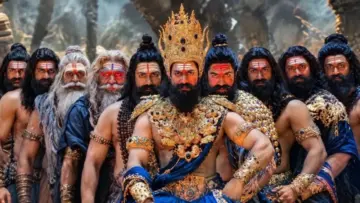
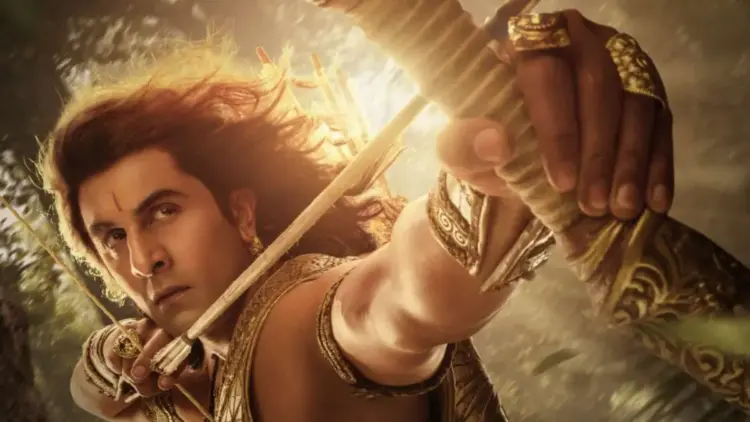
The casting of Ranbir Kapoor as the titular Lord Rama has been widely praised for bringing a modern yet regal gravitas to the role. Sai Pallavi’s portrayal of Sita has been described as sensitive and powerful, while Yash’s menacing presence as Ravana has added a formidable antagonist to the narrative. The ensemble cast further elevates the film, featuring a galaxy of stars who embody their characters with conviction.

A Star-Studded Ensemble Breathing Life into Mythology
Beyond the central trio, "Ramayana: Part One" boasts an impressive assembly of talent, each contributing to the film’s richness and authenticity. Sunny Deol’s formidable presence as Hanuman adds a divine strength to the narrative, and Ravi Dubey’s portrayal of Lakshman captures the unwavering loyalty and bravery of the character.

The film also features veteran actor Arun Govil, who famously played Lord Rama in the iconic television series, now essaying the role of Dashratha, bringing a nostalgic connection for many viewers. Lara Dutta embodies the complex character of Kaikeyi, while Rakul Preet Singh takes on the role of the enigmatic Surpanakha. Vivek Oberoi portrays Vidyutjihva, Kunal Kapoor lends his presence as Lord Indra, and Sheeba Chadha and Indira Krishnan portray the pivotal roles of Manthara and Kaushalya, respectively. Anupam Kher’s portrayal of Jatayu adds a crucial element of sacrifice and foresight to the early stages of the narrative. This carefully curated cast ensures that each character, no matter how small, feels significant and contributes to the overarching tapestry of the story.

The Grand Vision: Part Two and Beyond
The release of "Ramayana: Part One" is just the beginning of a larger cinematic endeavor. Directed by Nitesh Tiwari and produced by Namit Malhotra’s Prime Focus Studios in collaboration with the eight-time Oscar-winning visual effects powerhouse DNEG and Yash’s Monster Mind Creations, the film is part of a two-part adaptation. While Part One arrived in cinemas during Diwali 2026, the highly anticipated "Ramayana: Part Two" is slated for a grand release during Diwali 2028.

This ambitious two-part saga is further elevated by a monumental musical collaboration. The film features a partnership between two legendary Oscar-winning composers: India’s own AR Rahman and the globally acclaimed Hans Zimmer. This alliance promises a score that is both culturally resonant and universally appealing, adding another layer of grandeur to the epic storytelling. The production itself is a testament to the growing capabilities of Indian cinema, leveraging international expertise in visual effects and sound design to create an immersive and awe-inspiring cinematic experience.

Implications for the Indian Film Industry
The phenomenal success of "Ramayana: Part One" carries profound implications for the Indian film industry. It demonstrates a strong appetite for large-scale, culturally significant narratives that can resonate with both domestic and international audiences. The film’s ability to blend traditional storytelling with modern cinematic techniques, coupled with a star-studded cast and high-quality production values, sets a new benchmark for future Indian productions aiming for global recognition.

Furthermore, the film’s performance challenges the conventional wisdom surrounding market limitations and genre appeal. By successfully adapting a sacred epic into a blockbuster that appeals to a wide demographic, it opens doors for more Indian films to explore their rich cultural heritage and mythological narratives with confidence. The box office figures are not just numbers; they represent a cultural triumph and a significant step forward in establishing Indian cinema as a dominant force in the global entertainment landscape.

As "Ramayana: Part One" continues its historic run, it not only entertains but also inspires, proving that when vision, talent, and cultural pride converge, the possibilities for cinematic achievement are truly boundless. The world is watching, and Indian cinema, with films like "Ramayana," is delivering a spectacle that transcends borders and captivates hearts.