


Bengaluru, India – In a move reflecting growing concern over talent drain, the Department of Space (DoS) has significantly tightened the rules governing resignations and voluntary retirements for scientists engaged in India’s most critical space missions, including the ambitious Gaganyaan human spaceflight program. This decisive action follows a reported surge in departures from the Indian Space Research Organisation (ISRO), raising questions about the continuity of crucial national projects and the long-term health of the nation’s premier space agency.
An internal memorandum, issued on July 14, mandates that all requests for resignation or voluntary retirement from scientists associated with Gaganyaan and other "important national missions" must now be escalated to the Department of Space for a final decision. This directive effectively revokes a 2020 administrative policy that had granted ISRO centre directors the autonomy to approve such requests, signaling a shift towards centralized control in a bid to stem the tide of exits.
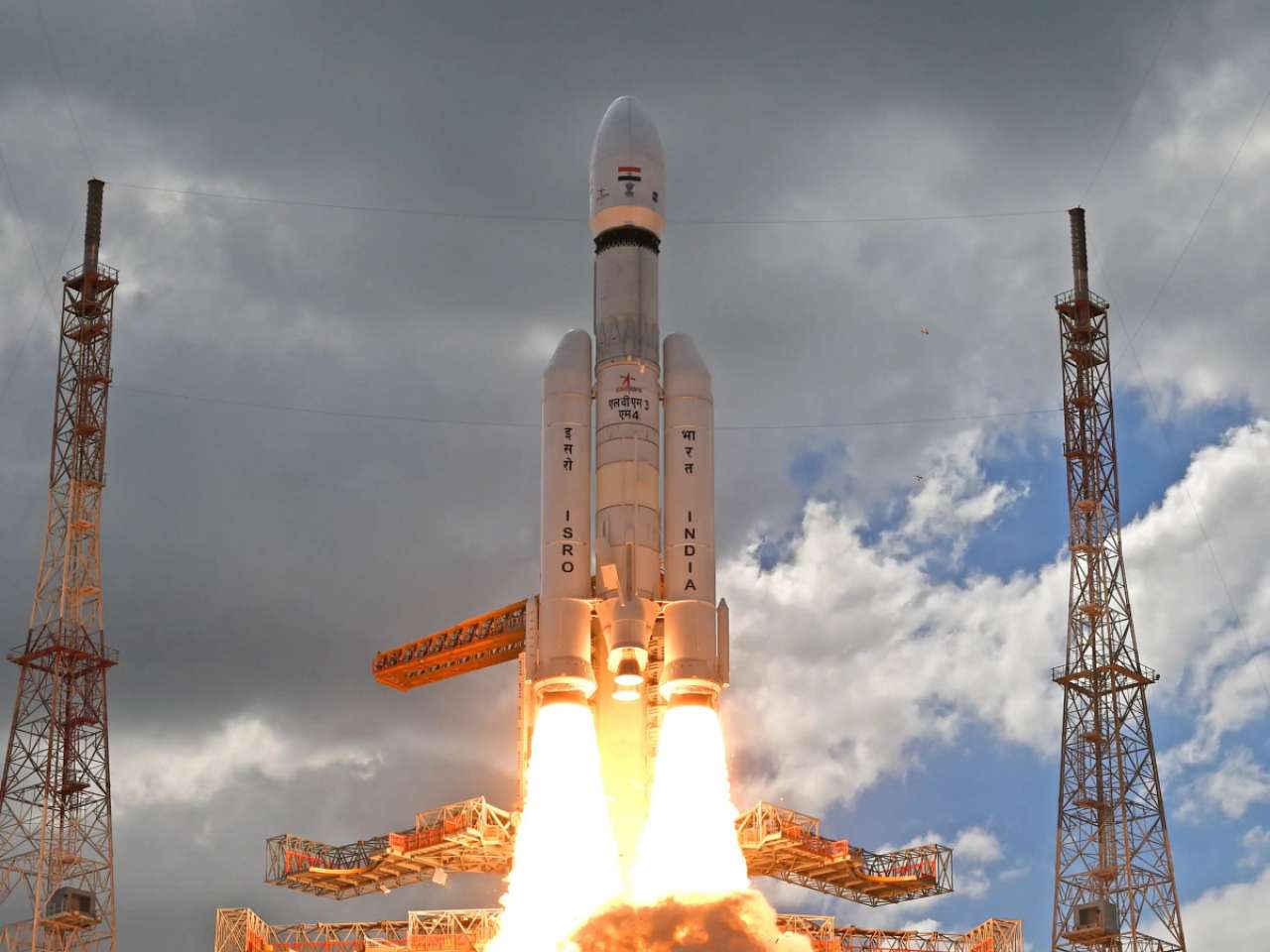
The Core Issue: A Critical Exodus from Key Centres
The DoS’s intervention underscores an increasingly pressing challenge for ISRO: retaining its highly skilled scientific and technical personnel amidst a burgeoning global and domestic private space sector. While ISRO has not officially disclosed precise figures, reports from internal sources paint a concerning picture, suggesting that between 100 and 120 scientists have resigned from major research centres in recent months.
This attrition is not merely a matter of numbers but of strategic importance, as many of those departing are said to be key individuals involved in projects that are pivotal to India’s future in space. The tightening of rules is a clear indicator that the government views these departures not as routine personnel changes, but as a potential threat to national strategic interests and the timelines of high-stakes missions.
)
Chronology of Escalating Concern
The current directive from the Department of Space did not emerge in a vacuum but is the culmination of a period of escalating concern within ISRO regarding its human resources.
The 2020 Policy and Its Aftermath
Prior to the recent memorandum, ISRO had operated under a more decentralized system for managing personnel exits. An administrative decision in 2020 had empowered directors of ISRO’s various centres to independently approve requests for voluntary retirement and resignation from Group ‘A’ scientific and technical personnel, specifically up to the scientist/engineer-SG level. This policy was likely implemented to streamline administrative processes and grant more autonomy to individual centres.
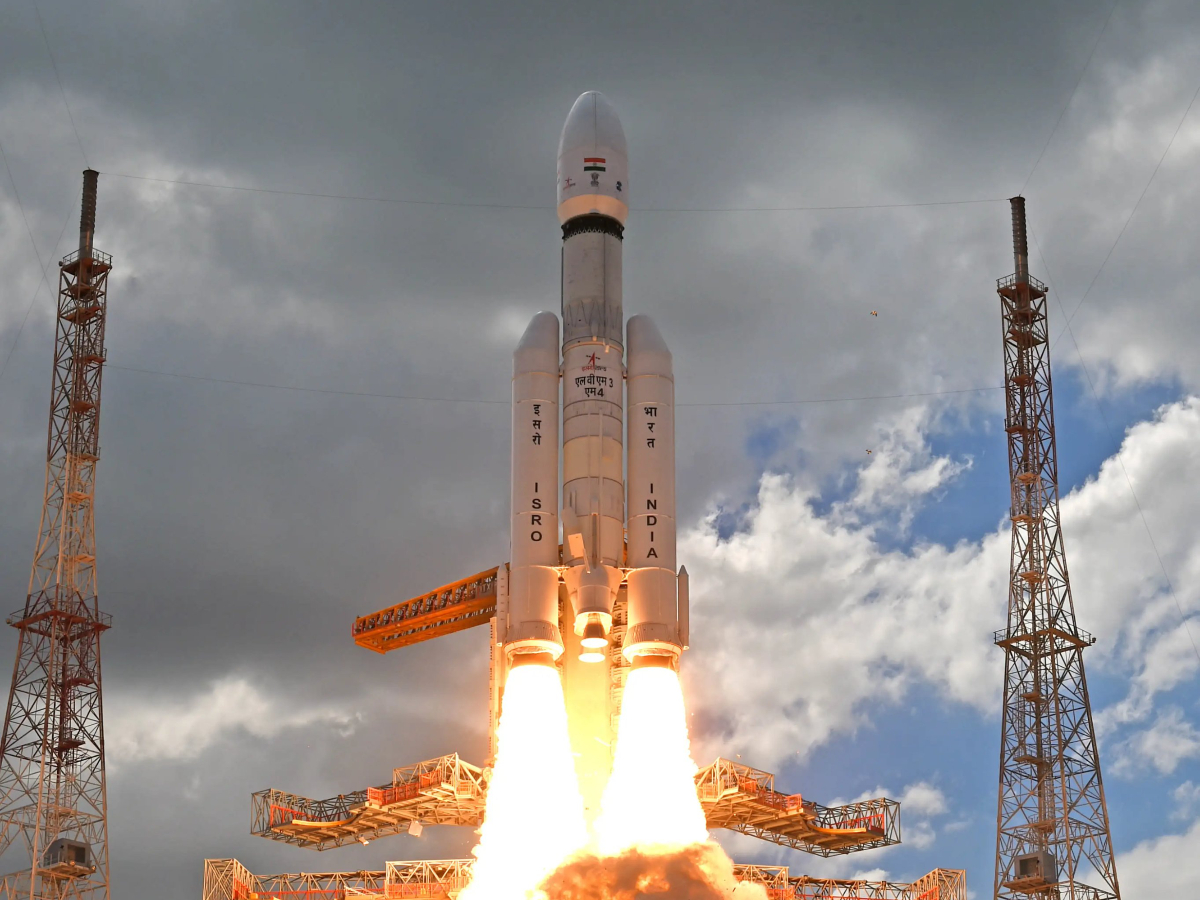)
For several years, this system appeared to function without major public incident. However, the landscape of the global space industry began to transform rapidly. The rise of private space companies, both internationally (like SpaceX and Blue Origin) and domestically (like Skyroot Aerospace and Agnikul Cosmos in India), started creating a new ecosystem of opportunities for space engineers and scientists. These private entities often offer competitive compensation packages, faster project cycles, and different work cultures, which can be highly appealing to talent seeking new challenges or career progression.
The Surge in Recent Months
It is against this backdrop that the "spate of requests" for voluntary retirement and resignation began to intensify in recent months. While the exact trigger for this concentrated wave of departures remains subject to speculation, it prompted a review at the highest levels of the Department of Space. The internal memorandum, dated July 14, explicitly states that this increase has "severely impacting implementation of projects of national importance." This phrasing highlights the gravity of the situation, indicating that the departures were no longer considered isolated incidents but a systemic issue posing a direct threat to mission objectives.

The decision to reverse the 2020 policy and centralize approval authority with the DoS signifies a recognition that the previous decentralized approach was no longer adequate to manage the current rate of attrition, particularly from critical mission teams. It underscores a strategic pivot aimed at safeguarding institutional knowledge and ensuring the continuity of projects deemed vital for national prestige and security.
Supporting Data and Specific Departures
The numbers, though unofficial, paint a stark picture of the talent migration ISRO is experiencing. Sources within ISRO, speaking to The Times of India, indicated that approximately 100 to 120 scientists have tendered their resignations in recent months.
)
Concentration in Strategic Centres
The concern is amplified by the fact that these departures are not evenly distributed across ISRO’s vast network but are notably concentrated in its most strategic research and development centres:
- U R Rao Satellite Centre (URSC): This centre, located in Bengaluru, is ISRO’s lead centre for the design, development, and realization of satellites. It is reported that around 80 scientists have left URSC alone. At the end of the last financial year, URSC had a total of 1,339 employees. The loss of 80 individuals from a relatively smaller, highly specialized workforce represents a significant fraction and a substantial drain on expertise.
- Vikram Sarabhai Space Centre (VSSC): Situated in Thiruvananthapuram, VSSC is the primary centre for the design and development of launch vehicle technology. It is estimated that at least 20 scientists have resigned from VSSC. With a larger workforce of 4,577 employees at the end of the last financial year, the percentage might appear smaller, but the impact can be profound if these individuals held critical roles.
High-Profile Exits
More alarming than the sheer numbers is the caliber of some of the departing personnel. Sources claim that several senior scientists, including those leading major missions, are among those who have left.
)
- LVM-3 Project Director Victor Joseph: A prominent figure from VSSC, involved in the development of ISRO’s heaviest operational launch vehicle, the Launch Vehicle Mark-3 (formerly GSLV Mk III), which is crucial for missions like Chandrayaan and Gaganyaan. His departure represents a significant loss of leadership and experience.
- SpaDeX Project Director: An unnamed project director from URSC involved in the Space Docking Experiment (SpaDeX), a critical precursor technology for future space station activities and long-duration human missions.
- A "Bright Young Person" from Chandrayaan-3: The resignation of a promising young scientist who contributed to the successful Chandrayaan-3 lunar mission highlights the loss of not just experienced hands, but also future leaders and innovators.
These specific examples underscore that the attrition is not merely impacting entry-level positions but is affecting crucial leadership and expert roles, potentially jeopardizing the institutional memory and project continuity essential for complex space endeavors.
Historical Context of Attrition
While the recent wave is particularly acute, attrition is not an entirely new phenomenon for ISRO. The organization has faced challenges in retaining talent in the past:
)
- 2004-2007: During this period, nearly half of ISRO’s new recruits reportedly left the organization, indicating a long-standing issue with early-career retention.
- 2012-2024: Official data reveals that approximately 700 employees resigned from ISRO over this twelve-year span. While this averages to about 58 resignations per year, the recent surge of 100-120 in "recent months" indicates a sharp acceleration of this trend.
These historical figures, when juxtaposed with the recent exodus, suggest a systemic challenge that goes beyond isolated incidents. The competitive landscape for scientific and engineering talent has intensified globally, placing immense pressure on government organizations like ISRO to adapt their retention strategies.
Official Responses and Mitigation Efforts
The Department of Space’s recent memorandum is a direct and forceful response to the perceived threat to national projects. However, ISRO leadership has also acknowledged the situation and outlined existing and planned mitigation strategies.
)
The DoS Memorandum: A Firm Stance
The internal memorandum issued on July 14 is unequivocal in its intent. It states: "Of late, it is noticed that there has been a spate of requests for voluntary retirement and resignation from Group ‘A’ scientific/technical personnel including those associated with prestigious Gaganyaan and other important missions/projects severely impacting implementation of projects of national importance."
The core directive advises directors of ISRO centres "not to approve resignation or voluntary retirement requests from scientists working on Gaganyaan and other important missions until those projects are completed." Instead, "every case must be forwarded to the Department of Space along with the director’s recommendation for a final decision." This centralized control signifies a shift from administrative autonomy to strategic oversight, reflecting the critical national importance assigned to these missions. The move aims to ensure that critical projects are not derailed by the sudden departure of key personnel.
)
ISRO Chairman’s Perspective
ISRO Chairman V Narayanan, while acknowledging the reality of departures, conveyed a message of resilience and preparedness. "Yes, a lot of people go, but that’s part of every organisation," he told TOI. This statement suggests an acceptance of a certain level of natural attrition. However, he clarified the intent behind the new rules: "The move [memorandum] isn’t only to retain, but also to ensure that important projects don’t suffer all of a sudden."
Chairman Narayanan emphasized that ISRO has robust systems in place to manage such situations and ensure project continuity. "But if someone is still going, someone else will take responsibility. We’re taking care of it," he asserted. This indicates confidence in ISRO’s bench strength and its ability to reassign roles and responsibilities to maintain momentum. While reassuring, it also hints at the significant internal adjustments and burdens placed on remaining staff when high-level experts depart.
)
Proactive Retention and Recruitment Measures
Recognizing the long-term challenge of talent acquisition and retention, ISRO has also been implementing several proactive measures, as detailed in its 2025-26 annual report:
- Aggressive Recruitment: The organization is actively recruiting for approximately 1,050 scientific, technical, and administrative posts. These recruitment drives are reportedly at an advanced stage, indicating an effort to replenish the talent pool and meet future demands.
- Regularization of Project Posts: To provide greater job security and career pathways, ISRO has regularized 466 project posts. This move can be crucial in converting temporary roles into permanent positions, thereby improving stability and attractiveness for talent.
- Cadre Review and Higher-Grade Positions: A cadre review approved last year has led to the creation of nearly 460 higher-grade positions. This initiative aims to address career progression concerns, offering more opportunities for advancement within the organization, which is often a key factor in talent retention.
These measures collectively demonstrate ISRO’s multi-pronged approach: a short-term, stricter policy to immediately curb critical departures, coupled with long-term strategies for recruitment, regularization, and career advancement to enhance overall attractiveness and retention.
)
Implications and Broader Context
The tightening of resignation rules at ISRO carries significant implications not just for the organization itself, but for India’s ambitious space agenda, its position in the global space race, and the broader ecosystem of scientific talent in the country.
Impact on National Missions
The most immediate and critical implication is the potential impact on India’s flagship space missions.
)
- Gaganyaan: As India’s first human spaceflight program, Gaganyaan is a mission of immense national pride and strategic importance. The departure of scientists involved in this project could lead to delays, increase technical challenges, and compromise the intricate coordination required for human-rated spacecraft development. The mission demands specialized expertise in areas like life support systems, crew training, reentry technologies, and mission control, where institutional memory and continuity are paramount.
- Future Interplanetary and Satellite Missions: Beyond Gaganyaan, ISRO has a robust pipeline of missions, including potential Venus orbiter missions, lunar sample return missions, and a constant need for communication, earth observation, and navigation satellites. The loss of experienced personnel, especially from centres like URSC (satellites) and VSSC (launch vehicles), can slow down research and development cycles, affecting India’s ability to maintain its technological edge and fulfill its strategic needs.
- Loss of Institutional Memory and Expertise: Space projects are characterized by long gestation periods and complex interdependencies. Key personnel often carry decades of specialized knowledge, lessons learned from past successes and failures, and an intuitive understanding of the systems. When such individuals leave, this invaluable institutional memory is fractured, requiring new teams to relearn and re-establish expertise, which can be time-consuming and prone to errors.
Talent Drain and Global Competitiveness
The attrition at ISRO is symptomatic of a broader talent drain phenomenon impacting government research organizations globally.
- Rise of Private Space Sector: The emergence of a vibrant private space sector in India and abroad offers attractive alternatives. These companies often provide competitive salaries, stock options, faster-paced work environments, and opportunities to work on cutting-edge commercial applications. For a scientist or engineer, the allure of seeing their work commercialized rapidly or contributing to a startup’s growth can be very strong.
- Compensation Disparity: While ISRO offers stability and the prestige of working on national projects, its compensation structure, being government-regulated, often struggles to match the packages offered by private entities, especially for highly sought-after skills in areas like artificial intelligence, data analytics, advanced materials, and robotics, all of which are increasingly critical to space technology.
- Global Space Race: India has positioned itself as a major player in the global space arena. A sustained loss of top talent could hamper its ability to innovate, develop new technologies, and compete effectively with space powers like the US, China, and Europe, or even agile private companies.
Morale and Work Environment
The new strictures on resignations, while intended to safeguard projects, could have unintended consequences on the morale of existing scientists.
)
- Sense of Restriction: For some, the inability to leave freely might foster a sense of being "trapped," potentially leading to disengagement or reduced motivation, especially if their reasons for leaving are genuine career development opportunities.
- Impact on Recruitment: Word of stringent exit policies could deter potential recruits who value career mobility and freedom to pursue diverse opportunities. This could make it harder for ISRO to attract the brightest minds in the future, especially if they perceive a lack of flexibility compared to other employers.
- Addressing Root Causes: While tightening rules is a reactive measure, a long-term solution requires addressing the root causes of attrition. This might involve reviewing compensation structures, enhancing career progression pathways, fostering a culture of innovation, reducing bureaucratic hurdles, and ensuring that scientists feel valued and their contributions recognized.
Balancing Strategic Imperatives with Individual Freedom
The DoS’s move highlights a fundamental tension between national strategic imperatives and individual professional freedom. For a government agency tasked with critical national security and scientific development, ensuring continuity of expertise is paramount. However, in a competitive global talent market, restricting individual mobility can be a double-edged sword, potentially creating resentment or making the organization less attractive in the long run.
The challenge for ISRO and the Department of Space will be to find a sustainable balance. While the immediate measures are necessary to protect ongoing critical missions, a more holistic approach that combines competitive remuneration, attractive career growth, a stimulating work environment, and clear pathways for professional development will be crucial to securing ISRO’s future as a global leader in space exploration. The world watches closely to see how India’s space program navigates this complex human resource challenge while striving for its next frontier.
