

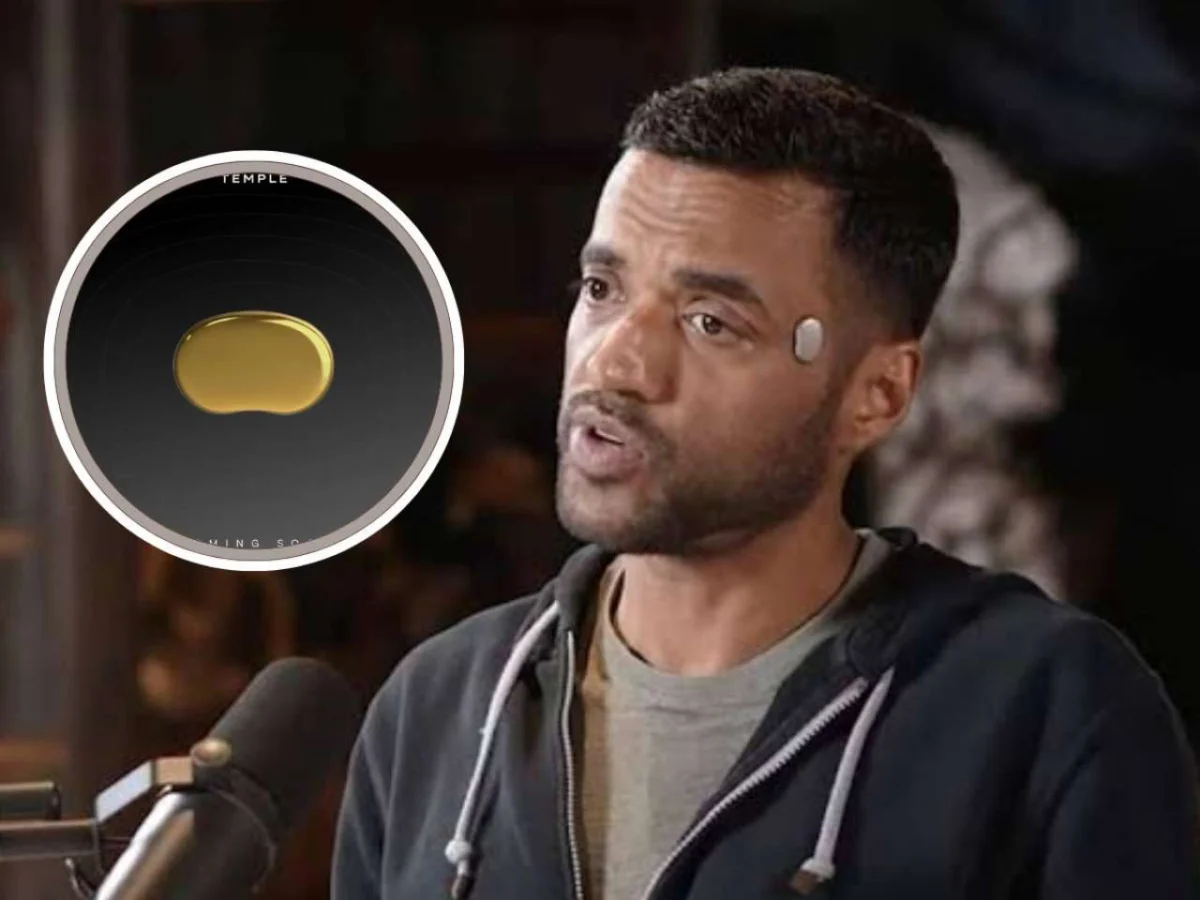
New Delhi, India – Deepinder Goyal, the visionary co-founder of food delivery giant Zomato, is once again poised to disrupt an industry, this time setting his sights on the burgeoning health technology sector. Goyal has announced an ambitious new venture: a premium wearable device dubbed "Temple," slated for launch within the next 6 to 12 months. Priced at a steep USD 1,000 (approximately INR 1 lakh), the device promises to usher in a new era of personal health monitoring by tracking a novel biomarker termed ‘entropy,’ which its developers assert is correlated with metabolic rate.
Temple is designed to debut as a wellness device, with its health claims backed by peer-reviewed studies upon release. This strategic positioning aims to navigate the complex regulatory landscape of medical devices, while still offering sophisticated insights into a user’s physiological state. Goyal’s foray into this high-stakes domain marks a significant pivot from his previous successes, signalling a deeply personal commitment to advancing the frontiers of preventative health and performance optimization.
Unpacking the Vision: Main Facts of Temple’s Launch
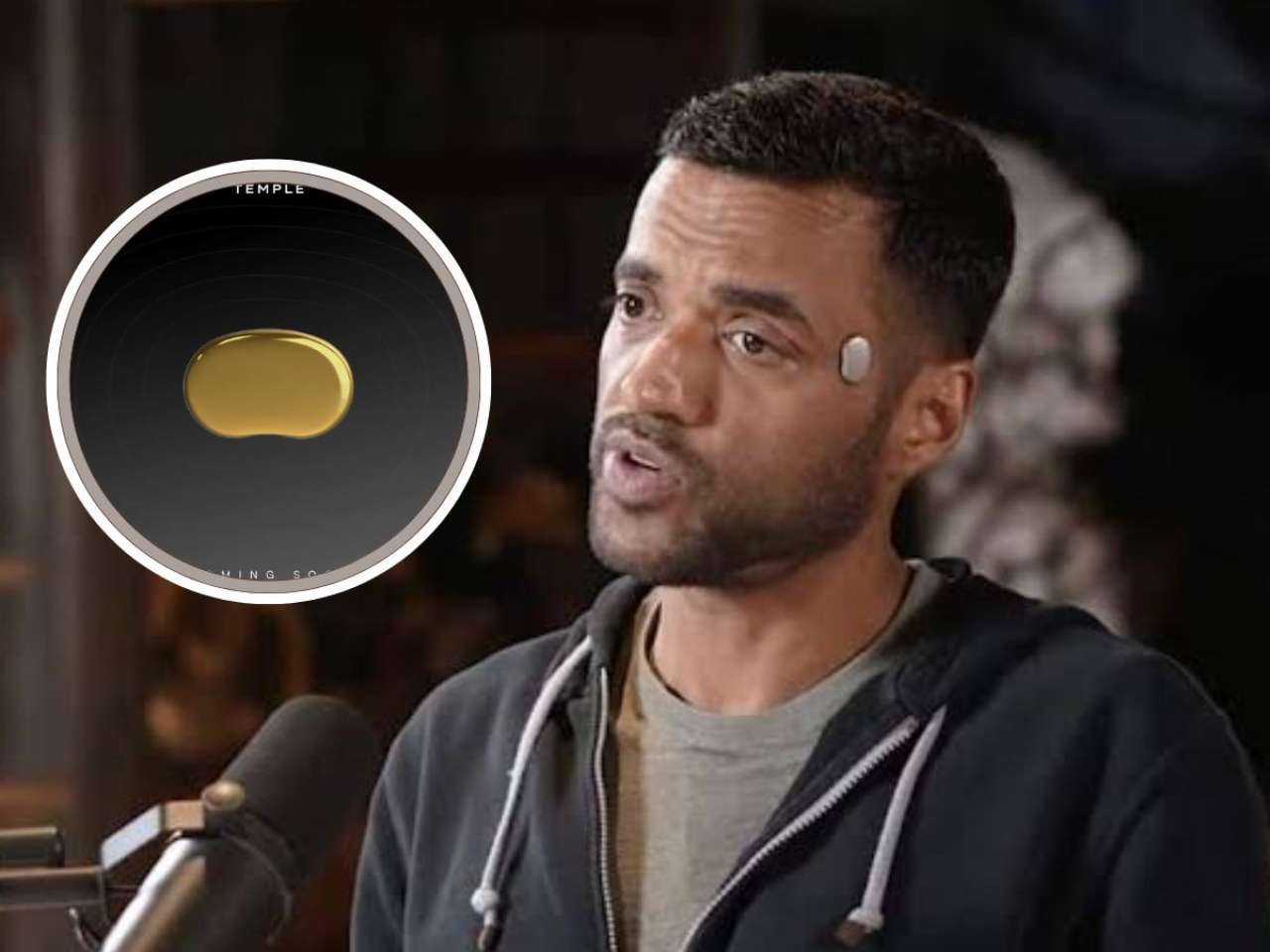
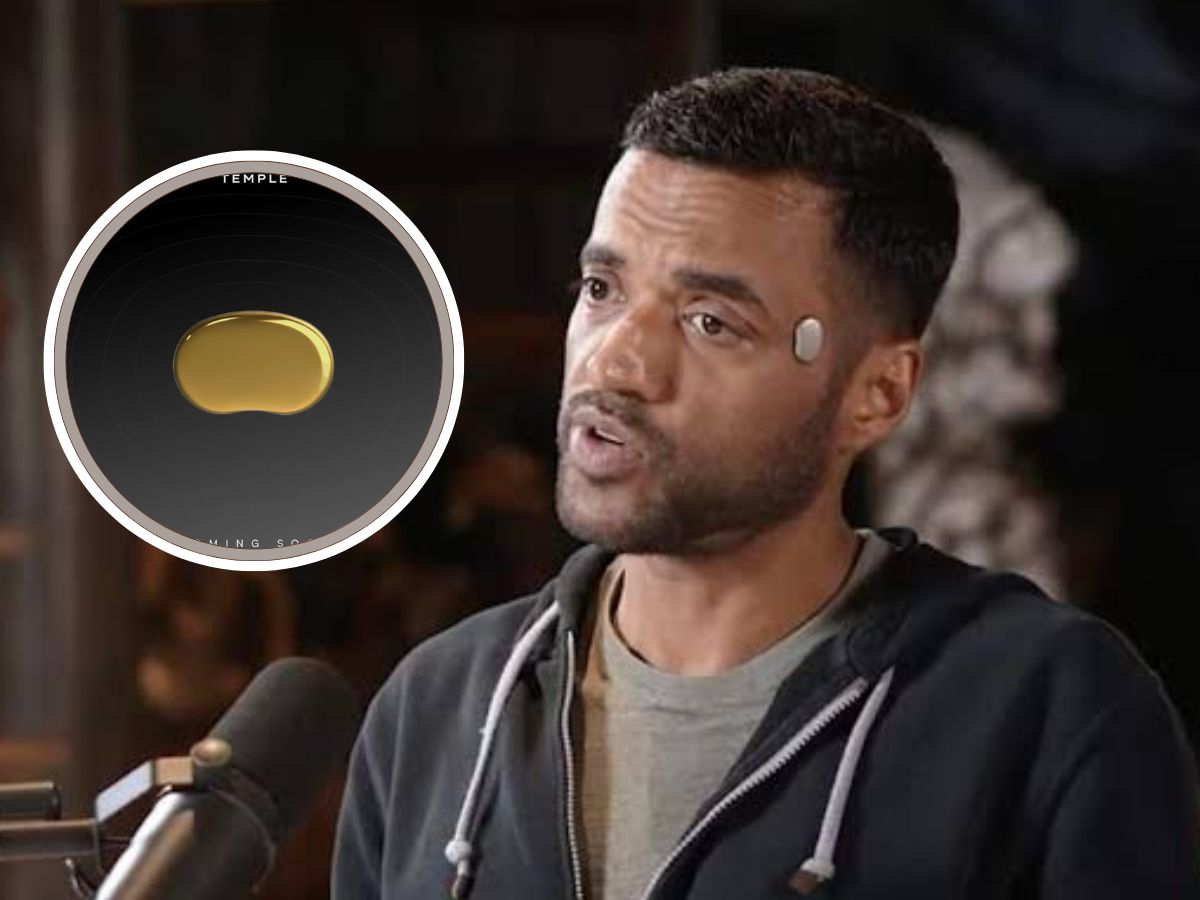
Deepinder Goyal’s "Temple" project represents a bold and potentially transformative entry into the increasingly competitive wearable technology market. At its core, Temple is a bean-shaped garment designed to be worn on the side of the forehead, a departure from the wrist-based form factor dominating the current market. Its primary function is to monitor the body’s metabolic condition in real-time, focusing on a proprietary biomarker called ‘entropy.’
Goyal, who previously headed the health tech startup Eternal before embarking on this new endeavour, revealed that the device is targeting a launch window of 6 to 12 months. The ambitious timeline underscores the rapid pace of development, even as Goyal acknowledges past delays in the project. The price point of USD 1,000 immediately positions Temple as a premium, niche product, far exceeding the cost of most mainstream fitness trackers and smartwatches. This pricing strategy suggests a target demographic willing to invest significantly in advanced health insights, potentially mirroring the high-performance athlete and biohacker communities.
)
Crucially, Temple will initially be introduced strictly as a "wellness device." This distinction is vital for regulatory purposes, allowing the company to release the product without the extensive and often lengthy approvals required for medical devices. However, Goyal has confirmed plans to support Temple’s health claims with peer-reviewed scientific studies from day one, a move intended to build credibility and trust among early adopters and the scientific community. He further hinted at future iterations and functionalities that could transform Temple into a medical device, which would, of course, necessitate obtaining all relevant regulatory approvals before launch. The substantial interest in the device is evident, with over 100,000 individuals reportedly applying for early access to the initial batch of just 100 units, indicating a strong appetite for innovative health solutions.
A Journey of Innovation: Chronology of Deepinder Goyal’s Health Tech Endeavour
Deepinder Goyal’s entrepreneurial journey is largely synonymous with Zomato, the food delivery behemoth he co-founded. However, his interests have clearly extended beyond the culinary tech sphere, demonstrating a consistent drive for innovation across diverse sectors. The "Temple" project is not his first venture into health technology; Goyal was previously the CEO of Eternal, a health-focused startup. While details of Eternal’s specific offerings and ultimate trajectory are less public, this prior experience undoubtedly laid foundational knowledge and connections for the development of Temple.

The genesis of Temple appears to be deeply personal for Goyal, who famously stated, "I am constructing it solely for myself. Business is a side effect of what we’re doing for ourselves." This personal motivation often fuels some of the most groundbreaking innovations, as creators become their own most demanding users. The project has been in development for an undisclosed period, though Goyal’s candid admission of past timeline slips ("I’ve been repeating it for the past eighteen months. Thus, I’m not sure") suggests a complex and challenging development process, characteristic of pioneering new technologies. Such delays are not uncommon in the R&D phase of novel devices, particularly those involving intricate biological sensing.
Public sightings of Goyal himself, and notably of celebrated badminton player PV Sindhu, sporting the Temple device – including during the 2026 Uber Cup in April – offer tangible proof of its advanced prototyping and testing phases. These public appearances serve as organic endorsements, particularly from a high-performance athlete like Sindhu, reinforcing the device’s purported utility for elite users. The 6-12 month launch window marks the culmination of these development efforts, transitioning the project from a secretive R&D initiative to a market-ready product. The subsequent release of peer-reviewed studies will be a critical milestone, offering the first independent scientific scrutiny of the ‘entropy’ biomarker and Temple’s efficacy. This chronological progression, from personal motivation and iterative development to public testing and a phased market entry, illustrates a deliberate strategy to build a robust product with scientific backing.
)
Beyond the Heartbeat: Supporting Data and Technological Context
The core innovation of Temple lies in its claim to track a novel biomarker: ‘entropy.’ While the term ‘entropy’ is widely recognized in physics as a measure of disorder or randomness in a system, its application as a direct biomarker for metabolic health in real-time wearables is largely unprecedented in the mainstream. Goyal and his team assert that they have discovered a correlation between this specific biological ‘entropy’ and an individual’s metabolic rate. If validated, this could offer a fundamentally new lens through which to view and understand the body’s physiological state.
The Concept of Biological Entropy: In a biological context, the concept of entropy is often discussed in relation to the body’s complex systems and their ability to maintain homeostasis (internal stability) amidst external stressors. A living organism is an open system that constantly exchanges energy and matter with its environment, striving to maintain a low-entropy, highly ordered state. An increase in biological entropy could theoretically signify a departure from this optimal state, reflecting increased disorder or stress on metabolic processes. Goyal claims that by directly detecting changes in this ‘entropy,’ Temple can provide granular insights into various aspects of well-being, including stress levels, the effectiveness of meditation, recuperation quality, sleep patterns, and exercise impact. This level of insight goes beyond what traditional wearables offer, which typically rely on surrogate markers like heart rate, heart rate variability (HRV), skin temperature, and sleep stages.
)
Comparison with Existing Wearables: The current wearable market is dominated by devices that track a range of parameters. Smartwatches (Apple Watch, Samsung Galaxy Watch) offer comprehensive health suites including ECG, blood oxygen, and activity tracking. Dedicated fitness trackers (Fitbit, Garmin) excel in exercise monitoring. More specialized, high-end devices like the Oura Ring and Whoop strap focus on recovery, sleep, and overall well-being, often utilizing HRV, resting heart rate, and temperature trends to infer physiological stress and readiness. Temple, with its focus on ‘entropy’ and metabolic rate, aims to carve out a distinct niche. While other devices infer metabolic state through proxies, Temple’s direct measurement of ‘entropy’ could, if proven, offer a more direct and potentially superior metric. The bean-shaped form factor, worn on the forehead, also differentiates it, suggesting that this location might be optimal for detecting the specific bio-signals related to entropy, possibly by being closer to the brain or major metabolic pathways not easily accessible from the wrist or finger.
The Wellness vs. Medical Device Distinction: Goyal’s decision to launch Temple as a "wellness device" is a pragmatic one. Devices marketed for general wellness purposes, that do not claim to diagnose, treat, or prevent disease, face less stringent regulatory hurdles from bodies like the U.S. Food and Drug Administration (FDA) or European CE marking authorities. This allows for faster market entry. However, the commitment to release peer-reviewed studies upon launch is crucial for establishing scientific credibility, especially for a novel biomarker like ‘entropy.’ Without this, the claims could be dismissed as speculative. Should Temple evolve to offer diagnostic or therapeutic functionalities, it would transition into the realm of a "medical device," triggering a rigorous process of clinical trials, efficacy demonstrations, and safety validations to obtain regulatory approval. This distinction highlights the company’s carefully planned trajectory, balancing innovation with compliance.
)
Market Opportunity and Target Audience: The global wearable technology market is experiencing exponential growth, driven by increasing health consciousness, advancements in sensor technology, and the demand for personalized data. Reports indicate the market is projected to reach hundreds of billions of dollars in the coming years. Within this broad market, there’s a growing segment for premium, specialized devices catering to health enthusiasts, biohackers, and high-performance athletes who seek deeper, more actionable insights into their physiology. Temple’s USD 1,000 price tag positions it squarely in this high-end niche, competing with devices like Whoop (subscription-based, high-end data) and specialized athletic monitors. The reported 100,000 early access applications underscore the significant demand from this specific, engaged demographic, eager to embrace cutting-edge technology for performance enhancement and holistic well-being. Goyal’s personal use and the endorsement by an athlete like PV Sindhu further solidify this target market, emphasizing the device’s potential for those pushing the limits of human performance.
The Innovator’s Voice: Official Responses and Scientific Scrutiny
Deepinder Goyal has been remarkably candid about the "Temple" project, offering insights into both its ambitious goals and the inherent challenges. His statements have provided the primary "official responses" regarding the device’s development and strategic positioning.
)
Goyal’s Direct Statements:
- Initial Positioning: "We will launch it as a wellness device with peer-reviewed studies and everything." This statement clearly outlines the immediate market entry strategy, emphasizing scientific validation as a cornerstone of the product’s credibility. It acknowledges the need for evidence-based claims, a critical factor for any health-related technology.
- The Novel Biomarker: He unequivocally declared that his team "found a novel biomarker known as ‘entropy,’ which they assert is correlated with metabolic rate." This is the boldest claim and the lynchpin of Temple’s unique selling proposition. It positions the company as a pioneer in biological sensing.
- Future Medical Device Ambitions: "We’re developing features that will make it a medical device. Therefore, whenever we have those functionalities, we will launch them after obtaining regulatory approvals." This reveals a long-term vision for Temple, aiming to transcend the wellness category and enter the regulated medical device space, implying more profound diagnostic or therapeutic applications are on the horizon.
- Acknowledgement of Delays: "I’ve been repeating it for the past eighteen months. Thus, I’m not sure." This refreshingly honest admission highlights the complexities of developing a groundbreaking device and managing expectations around launch timelines. It also subtly conveys the iterative and challenging nature of cutting-edge R&D.
- Personal Motivation: "I am constructing it solely for myself. Business is a side effect of what we’re doing for ourselves." This statement, while perhaps understated in its business implications, provides a powerful narrative of passion and personal investment, suggesting a product built out of a genuine need and desire for advanced self-understanding.
Implicit Scientific and Regulatory Responses:
While no official external scientific body has yet commented directly on Temple or its ‘entropy’ biomarker, the very nature of Goyal’s statements implies a necessary future response. The phrase "independent validation of the science underlying entropy is still lacking" within the original report is a crucial piece of information. This underscores the current state of the biomarker’s acceptance within the broader scientific community. For any novel biomarker, rigorous independent validation through large-scale, controlled studies published in reputable journals is essential before it gains widespread acceptance as a reliable indicator of health. The peer-reviewed studies promised at launch will be the first step in this validation process, but broader scientific consensus often takes years of further research and replication.
)
Furthermore, the mention of "regulatory approvals" for future medical device functionalities points to the implicit "response" from governmental health authorities. Bodies like the FDA in the US, the European Medicines Agency (EMA) in Europe, or the Central Drugs Standard Control Organization (CDSCO) in India, would require extensive documentation, clinical trial data, and manufacturing quality assurances before granting approval for a device to make medical claims. This future regulatory scrutiny will be a significant hurdle for Temple if it is to achieve its full medical device potential. The current strategy of launching as a wellness device, while proactive, acknowledges the current lack of such approvals.
Beyond the Launch: Implications for Health Tech and Consumers
The launch of Deepinder Goyal’s "Temple" has far-reaching implications, not just for the wearable technology market but also for the broader understanding and pursuit of personal health and wellness.
)
Implications for the Wearable Market:
- Potential Disruption: If the ‘entropy’ biomarker proves to be scientifically valid and offers truly novel, actionable insights, Temple could significantly disrupt the wearable market. It could shift the focus from current metrics like heart rate and sleep stages to more fundamental metabolic assessments. This might force existing players to innovate beyond their current offerings or risk being perceived as less sophisticated.
- New Niche Creation: The USD 1,000 price point and the focus on a novel, deep physiological marker position Temple firmly in a premium, specialized niche. This could pave the way for a new category of "pro-grade" or "medical-grade readiness" wearables, distinct from mass-market fitness trackers.
- Competition and Innovation: Temple’s entry could intensify competition, especially in the high-end segment. It might spur other companies to invest more heavily in R&D for novel biomarkers and more sophisticated data analysis, pushing the entire industry forward.
- Form Factor Innovation: The forehead-worn, bean-shaped design challenges the prevalent wrist-worn paradigm. If successful, it could inspire exploration of other body locations for optimal biomarker sensing, moving beyond the constraints of traditional watch-like devices.
Implications for Deepinder Goyal and Eternal:
)
- Reputation as an Innovator: Success with Temple would cement Deepinder Goyal’s reputation as a serial innovator capable of building successful ventures across diverse industries, moving beyond his Zomato legacy.
- Challenges of Science-Backed Products: The project faces significant scientific and market challenges. Proving the validity and utility of a novel biomarker requires sustained scientific rigor and investment. The commercial success of a high-priced, niche product also depends heavily on marketing, user experience, and the delivery of tangible value.
- Risk and Reward: This is a high-risk, high-reward venture. The investment in R&D for a novel biomarker is substantial, but if successful, the payoff could be immense, potentially establishing Eternal as a leader in next-generation health technology.
Implications for Consumers:
- Deeper Health Insights: For early adopters and the target audience of high-performance athletes, Temple promises unprecedented access to granular data about their metabolic state, stress, recovery, and sleep. This could empower individuals with more precise information to optimize their health and performance.
- Cost Barrier: The USD 1,000 price point will undoubtedly be a significant barrier for widespread adoption. This means the immediate benefits will be limited to a select, affluent demographic, at least initially.
- Importance of Scientific Validation: Consumers, particularly in the health space, are increasingly wary of unsubstantiated claims. The emphasis on peer-reviewed studies is critical for building trust, and consumers will need to critically evaluate the scientific evidence as it emerges.
- Data Privacy and Security: A device that tracks such intimate physiological data raises important questions about data privacy, security, and how this sensitive information will be managed and protected.
Ethical and Regulatory Implications:
)
- Responsible Marketing: The distinction between a "wellness device" and a "medical device" is crucial. Ethical marketing will be paramount to ensure consumers understand the capabilities and limitations of Temple, avoiding any perception of medical claims without regulatory approval.
- Burden of Proof for Novel Biomarkers: Temple’s launch will highlight the ongoing challenge of integrating novel biomarkers into consumer health products. It will put pressure on regulatory bodies to adapt to rapid technological advancements while ensuring public safety and efficacy.
- Future of Preventative Health: If Temple’s approach to metabolic entropy proves effective, it could contribute to a broader shift towards proactive and preventative health management, moving beyond reactive treatment of illnesses.
In conclusion, Deepinder Goyal’s "Temple" is more than just another wearable; it represents a bold leap into uncharted territory within health technology. With its focus on a novel biomarker, premium pricing, and a strategic entry as a wellness device with future medical aspirations, Temple embodies the innovative spirit of its founder. Its success will hinge on robust scientific validation, effective market positioning, and the ability to deliver truly transformative insights that empower users to optimize their health in unprecedented ways. The coming months will be critical in determining whether Temple can fulfill its ambitious promise and truly redefine personal health monitoring.
