

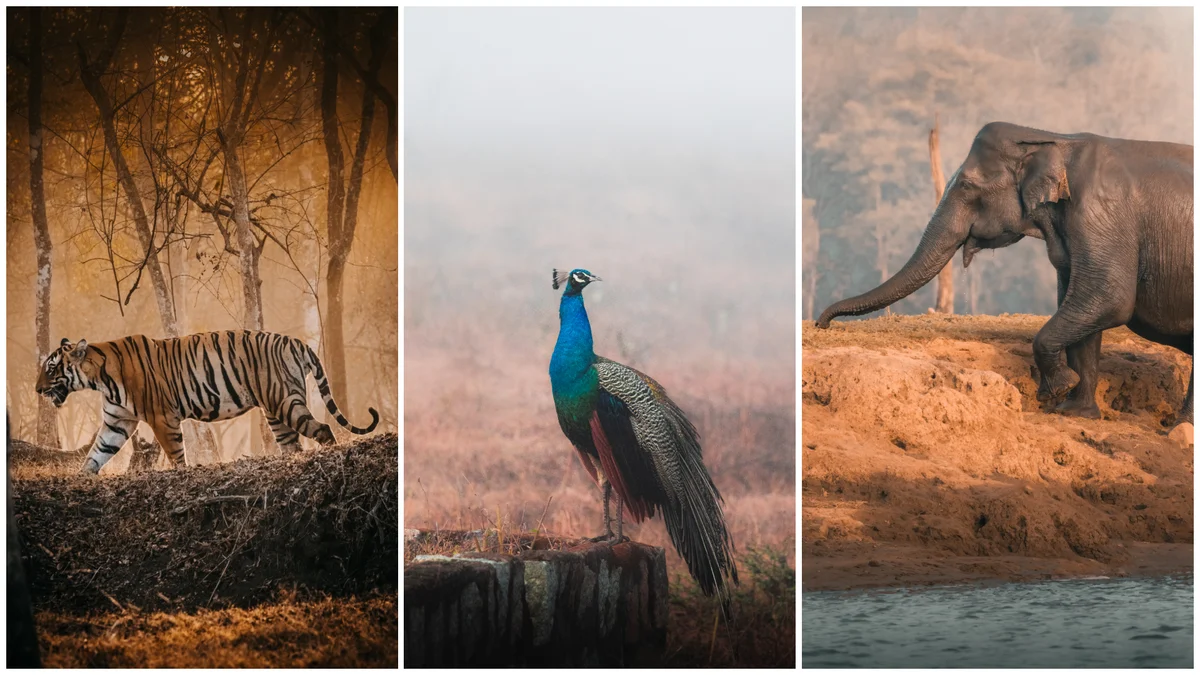
KABINI, KARNATAKA – To embark on a safari is to engage in a delicate social contract with the wild. It is akin to visiting the home of a reclusive host without an invitation; there is no guarantee they will be home, and even if they are, they may choose not to acknowledge your presence. This inherent unpredictability defines the allure of the Nagarhole Tiger Reserve, a sprawling emerald expanse located approximately five hours from the bustling metropolis of Bengaluru.
Following a period of administrative turbulence and environmental shifts, the reserve has recently witnessed a resurgence in tourism. This monsoon season marks a significant turning point for the region, as the gates have reopened to a public hungry for the quietude of the forest and the potential glimpse of the apex predator that calls these woods home.
Main Facts: The State of the Reserve
Nagarhole Tiger Reserve, also known as Rajiv Gandhi National Park, remains one of India’s premier wildlife destinations. It serves as a critical corridor within the Nilgiri Biosphere Reserve, connecting the Western Ghats with the Eastern Ghats. According to recent data, the reserve is home to approximately 149 tigers, making it one of the most densely populated tiger habitats in the world.

The resumption of safaris in the region follows a temporary government-imposed ban late last year. The suspension was a response to escalating human-animal conflicts in the fringe villages, a move that highlighted the fragile balance between conservation efforts and the safety of local communities. Today, the restoration of these tours represents a cautious but optimistic return to normalcy, with both state-run Jungle Lodges and Resorts and private entities like The Serai Kabini working in tandem to facilitate responsible wildlife viewing.
The monsoon season, often overlooked by traditional tourists, has transformed the landscape into a lush, saturated theater of biodiversity. While the rains can make certain trails challenging, they also bring out a different side of the forest—one where the scent of damp earth and the vibrant greens of the canopy offer a sensory experience that the dry season cannot replicate.
Chronology: A Multi-Sensory Expedition
The Pre-Dawn Pursuit
The journey began well before the sun breached the horizon. In the pre-dawn chill of the Kabini waterfront, the atmosphere was thick with anticipation. After a bracing cup of black coffee, guests boarded jeeps bound for the Jungle Lodges and Resorts, the central hub from which all safaris embark.

Under the guidance of Chamaraj, a seasoned naturalist with The Serai Kabini, and Abhi, a driver whose knowledge of the forest’s arterial tracks is peerless, the group transitioned from the open road into the dense thicket of the reserve. As the sun rose, the forest began to speak. The morning was characterized by a series of tactical maneuvers—stopping at intersections, listening for alarm calls, and scanning the undergrowth.
Over the course of 3.5 hours, the group encountered a vibrant tapestry of life. Peahens skittered across the tracks, and at one clearing, a peacock performed a resplendent plume dance, a rare sight in the early morning light. The sightings were frequent and varied: spotted deer (chital) grazing in the meadows, owlets tucked into hollowed trunks, a crested serpent eagle perched with stoic grace, and troops of langurs leaping through the canopy.
The climax of the land safari arrived when a sudden radio call from a fellow driver signaled a tiger sighting near a distant waterbody. The ensuing dash through the jungle was a masterclass in off-road navigation. However, the "uninvited host" remained elusive. Upon arrival, the group found only fresh pugmarks imprinted in the soft mud—a tantalizing reminder that the big cat had been there only moments prior.

The Culinary Reset
Returning from the land safari, the focus shifted from the wild to the cultural heritage of Karnataka. At The Serai Kabini, Sous Chef Mudhassir prepared a baale yele oota, a traditional feast served on a plantain leaf. This meal serves as a vital bridge for travelers, grounding them in the local flavors of the land they are exploring.
The spread was exhaustive: starting with a refreshing neer moru (spiced buttermilk), followed by cosumbari salad, crunchy Maddur vada, and masala vada. The heart of the meal featured bisi bele bath (a spicy lentil rice dish), vegetable palya, and poori with sambar. The experience concluded with obbattu (a sweet flatbread), providing the necessary energy for the afternoon’s aquatic venture.
Navigating the Kabini River
The afternoon offered a stark contrast to the jolting excitement of the land safari. Led by naturalist Shekar and Captain Krishna, the boat safari waded gently down the swollen Kabini River. This waterway is more than just a scenic backdrop; it is a geographical boundary that separates Nagarhole National Park to the north from the Bandipur Wildlife Sanctuary to the south.

The river safari provided a panoramic view of the ecosystem. The group spotted ospreys diving for prey, kingfishers in flashes of turquoise, and a family of otters playing near the banks. Perhaps most notably, a pair of crocodiles was observed basking on the rocks—a sighting Shekar noted as being particularly lucky during the monsoon when water levels are high. While the tigers remained hidden, the stories shared by the naturalists—of mothers with cubs and tigers swimming across the channel—filled the silence.
Supporting Data: Biodiversity and Infrastructure
The Serai Kabini, established in 2005, has become an anchor for the region’s luxury eco-tourism. The property spans 60 acres, though only 12 acres are built-in, ensuring that the footprint remains minimal. With 20 exclusive riverside residences, the resort emphasizes a connection to the environment rather than insulation from it.
Key Statistics of the Region:

- Tiger Population: 149 within Nagarhole; part of the larger Karnataka population which accounts for nearly 25% of India’s tigers.
- Avian Diversity: Over 270 species of birds have been recorded in the reserve.
- Flora: The forest is a mix of North Western Ghats moist deciduous forests and Central Deccan Plateau dry deciduous forests, featuring teak, rosewood, and sandalwood.
- Resort Longevity: Naturalists like Shekar have been with the property since 2007, providing a level of institutional knowledge that is rare in the hospitality industry.
The morning nature walk on the property revealed the depth of this knowledge. Shekar highlighted the medicinal properties of the local flora, such as the Jatropha plant, whose milky sap is utilized by tribal communities to treat fevers and joint pains. This indigenous knowledge is a critical component of the region’s heritage, often overlooked in favor of the "Big Five" sightings.
Official Responses and Expert Insights
The management and staff at Kabini maintain a philosophy of "tempered expectations." Abdul Saleem, the Front Office Manager at The Serai Kabini, often advises guests to enter the jungle with "zero expectations."
"The jungle is not a zoo," Saleem explains. "When you go in without a checklist, you allow the forest to surprise you. You might not see a tiger, but you will see the way the light hits the mahogany trees, or you will hear the specific call of a weaver bird. Those are the memories that actually stay with you."

Naturalists Chamaraj and Shekar emphasize the importance of the recent lifting of the safari ban. They noted that the absence of tourists during the ban period was necessary for safety but also stressed that responsible tourism provides the funding and visibility required for continued conservation efforts. The coordinated communication between drivers—using WhatsApp and radio—is part of a sophisticated "tracking network" that ensures guest safety while minimizing the disturbance to the animals.
Implications: The Future of Conservation Tourism
The experience at Nagarhole and Kabini serves as a microcosm of the broader challenges facing wildlife conservation in India. The resumption of safaris is a victory for the local economy, which relies heavily on eco-tourism, but it also places a renewed responsibility on the Forest Department and private resorts to manage human-wildlife boundaries.
The "bittersweet" nature of the safari—the thrill of the chase followed by the quiet of the missed sighting—highlights a crucial shift in the tourism paradigm. There is an increasing move toward "holistic wilderness experiences" where the focus is not solely on the apex predator but on the entire ecosystem, including the tribal communities that have lived alongside these animals for generations.

As the monsoon continues to drench the Kabini landscape, the message remains clear: the forest does not owe the visitor a sighting. Instead, it offers a sanctuary of solitude and a reminder of a world that operates on its own ancient clock. For the traveler, the value lies not in the "capture" of a photograph, but in the privilege of being an uninvited guest in one of the world’s last great wild spaces.
If You Go:
- Travel: A 5-hour drive from Bengaluru via the Mysuru highway.
- Stay: The Serai Kabini offers riverside villas and curated experiences including kayaking and coracle rides.
- Best Time to Visit: While the monsoon (June-September) offers lush greenery, the dry season (March-May) is typically better for tiger sightings as animals congregate near water sources.
