

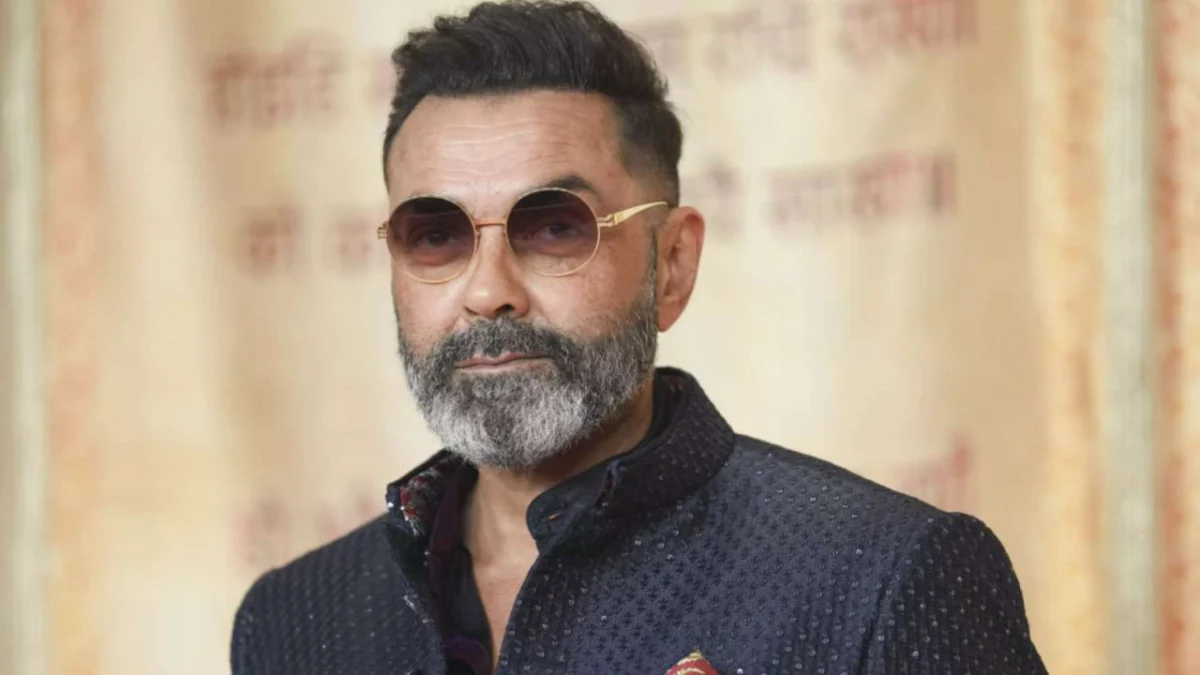
New Delhi, India – In the ever-evolving landscape of Bollywood, where an actor’s success can often lead to a comfortable, albeit predictable, career trajectory, Bobby Deol is actively challenging the confines of his recent image. Following a string of critically acclaimed performances as compelling antagonists, Deol, a veteran of the industry, is making a deliberate and "really hard" effort to diversify his roles and explore new artistic territories. This proactive approach to his craft, he explains, stems from a desire to avoid being pigeonholed and to embrace the multifaceted nature of character portrayal.
Deol, who has been a prominent figure in Indian cinema for decades, has recently garnered significant attention for his powerful portrayals in films like "Aashram," "Animal," and the critically lauded "Bandar." While these roles have solidified his reputation as a formidable screen presence capable of embodying complex villains, the actor is keenly aware of the potential for typecasting that accompanies such success. Speaking on the sidelines of the Jagran Film Festival in Delhi, Deol articulated his commitment to breaking free from these perceived limitations.
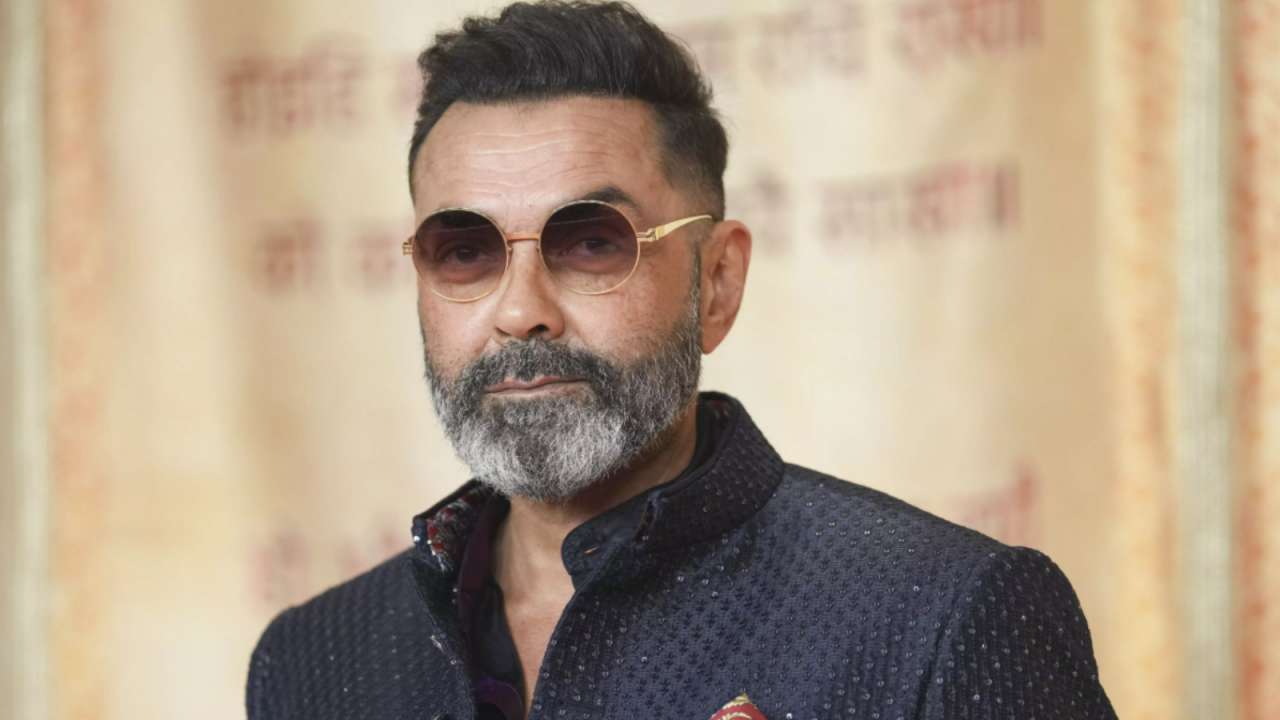
"It is quite natural that when an actor becomes successful in any character, they get stereotyped afterwards," Deol stated candidly. "If an actor becomes successful in a particular kind of role, they keep getting similar roles. That’s what happens in the industry. And I try really hard to break out of that." This conscious endeavor to present a fresh face to the audience, even within the realm of villainy, underscores Deol’s dedication to his artistic growth.
The Allure and Nuances of the Antagonist
While Deol is actively seeking to broaden his acting spectrum, he also acknowledges the inherent appeal and artistic challenge of playing villainous characters. His philosophy on portraying antagonists is nuanced, emphasizing that even within the broad category of "villain," there exists a rich tapestry of motivations, complexities, and shades of gray.
)
"Even within antagonist roles, there are different kinds of antagonists, with different shades," Deol explained. "So I enjoy playing those." This statement suggests that his enjoyment doesn’t stem from simply playing "bad guys," but from the opportunity to delve into the psychological intricacies and unique characteristics that define each antagonist. This approach allows him to infuse even his villainous characters with a distinctiveness that sets them apart.
A Chronology of Recent Transformations and Future Endeavors
Bobby Deol’s recent career trajectory showcases a clear pattern of embracing challenging roles that push the boundaries of his previous work. This shift is not merely aspirational but is being actively translated into his filmography.

2024: A Year of Diverse Portrayals
The current year has been particularly pivotal for Deol in his quest for diversification. His role in Anurag Kashyap’s "Bandar" stands out as a significant departure. Released in June, the film saw Deol portraying an aging star accused of rape by his ex-girlfriend. The film garnered positive reviews from critics, with Deol’s performance being lauded for its depth and vulnerability. This role, in stark contrast to his more overtly menacing antagonists, demonstrated his capacity to portray characters grappling with complex moral and emotional landscapes.
)
However, 2024 also saw Deol continue to explore the antagonist space, albeit with his characteristic nuance. He starred in two other notable projects:
- Alpha: This film, featuring Alia Bhatt and Sharvari, saw Deol in an antagonistic role. While the specifics of his character are not detailed in the provided text, the fact that he chose to participate in this project suggests that the script offered a distinct interpretation of the antagonist archetype.
- Jana Nayagan: In this film, Deol shared the screen with Tamil Nadu Chief Minister C Joseph Vijay, again essaying the role of the antagonist. The collaboration with a prominent figure like Vijay, and the opportunity to engage with a different regional film industry, would have offered a unique professional experience.
Looking Ahead: Web Series and Genre Exploration
)
Deol’s commitment to evolving his career extends beyond cinematic releases. He has expressed his intention to explore the burgeoning world of web series, signaling his readiness to engage with the evolving storytelling formats in the digital space.
"I’m also going to do a few web series that will be different," he revealed. This proactive statement indicates that he is not resting on his laurels but is actively seeking out projects that align with his vision for artistic exploration.
)
His next confirmed project is the Prime Video series "Teen Kauwe." This spy drama, currently in production, boasts an impressive ensemble cast including Sidhant Gupta, Fatima Sana Shaikh, and Pavail Gulati. The genre itself – a spy thriller – suggests a departure from the gritty realism of "Bandar" and the often intense, character-driven dramas where he has recently excelled as an antagonist. The potential for intricate plotting, high stakes, and varied character dynamics within a spy narrative offers a fertile ground for Deol to showcase a different facet of his acting prowess.
Supporting Data: The Power of Successful Archetypes and the Challenge of Breaking Them
The phenomenon of actors becoming typecast after a successful role is a well-documented occurrence in the entertainment industry globally, and Bollywood is no exception. This occurs due to several factors:
)
- Audience Recognition and Expectation: Once an audience connects with an actor in a particular type of role, there is an inherent expectation for them to see that actor deliver similar performances. This can translate into box office appeal and a perceived "safe bet" for producers.
- Industry Comfort and Risk Aversion: Filmmakers and casting directors often lean on established success. Casting an actor who has proven their mettle in a specific genre or character type can be seen as a less risky proposition compared to offering them a completely new kind of role.
- Perceived Skill Set: An actor’s success in a particular genre can lead to them being perceived as having a specialized skill set, making it harder for them to be considered for roles outside that perceived domain.
Bobby Deol’s recent success as a villain has undoubtedly cemented his image in the minds of many viewers and industry professionals. His previous roles, particularly in films like "Race 3" (where he played a more morally ambiguous character) and his prominent role in the critically acclaimed "Animal," have showcased his ability to command attention and deliver powerful performances in antagonist capacities. However, his career has also seen him play romantic leads and more traditional heroic figures in his earlier years. The challenge now lies in bridging the gap between his established recent success and the desire to explore the full breadth of his acting capabilities.
The success of "Bandar" is a crucial piece of supporting data in Deol’s narrative of diversification. A critically appreciated film, especially one that presents a departure from his recent work, provides a strong foundation for him to advocate for and secure more varied roles. The positive reception of his performance in "Bandar" serves as a testament to his versatility and his ability to inhabit characters with different emotional and psychological complexities.
)
Official Responses and Industry Perspectives
While the provided text does not include direct "official responses" from film bodies or specific industry associations, Bobby Deol’s statements themselves can be considered an articulation of his personal and professional response to industry trends. His candid admission of the "hard effort" required to break out of stereotypes is a commentary on the prevailing dynamics within Bollywood.
Industry insiders, when discussing actors seeking to evolve, often emphasize the importance of a strong portfolio of diverse performances. Deol’s conscious decision to select roles like the one in "Bandar" and his proactive engagement with new projects like "Teen Kauwe" are strategic moves that contribute to this goal. The acceptance of his performances in these varied roles by both critics and audiences will ultimately be the most significant form of "response" from the industry and its patrons.
)
Implications of Deol’s Artistic Evolution
Bobby Deol’s deliberate pursuit of diverse roles carries significant implications for both his career and the broader Bollywood landscape:
- Redefining His Persona: By actively seeking roles beyond the antagonist archetype, Deol is working to redefine his on-screen persona for a new generation of viewers and filmmakers. This could open up a wider range of opportunities and allow him to showcase a more comprehensive acting repertoire.
- Inspiring Other Actors: Deol’s conscious effort to break free from typecasting can serve as an inspiration to other actors who may find themselves in similar situations. It highlights the importance of proactive career management and the pursuit of artistic fulfillment over comfortable predictability.
- Enriching Bollywood’s Narrative Diversity: A more diverse range of performances from established actors like Deol contributes to a richer and more varied cinematic landscape in Bollywood. It allows for the exploration of a wider array of human experiences and storytelling archetypes, moving beyond often repeated characterizations.
- The Evolving Nature of Villainy: Deol’s nuanced approach to playing antagonists suggests a growing trend in Bollywood towards more complex and layered villainous characters. This trend, if continued, can lead to more compelling and thought-provoking cinematic narratives.
The Uncomfortable Territory: Aversion to Slapstick Comedy
Interestingly, Deol also identified a specific genre that he finds particularly challenging and uncomfortable: over-the-top, slapstick comedy. This candid admission provides further insight into his artistic preferences and areas where he feels less confident.
)
"I don’t understand over-the-top comedy, slapstick comedy so much," he confessed. "I feel very uncomfortable doing that. And those kinds of movies, they have to be written really well. So that’s a big chance you take when you do something like that." This statement suggests that Deol’s comfort lies in genres that allow for more subtle character development and emotional depth, rather than broad, physical humor. The success of slapstick comedy often hinges on impeccable timing, a deep understanding of comedic nuances, and scripts that are meticulously crafted. Deol’s acknowledgement of this difficulty underscores his self-awareness as an artist.
In conclusion, Bobby Deol’s current career phase is marked by a conscious and determined effort to transcend the boundaries of his recent successful villainous roles. Through his strategic selection of diverse projects, including the critically acclaimed "Bandar" and the upcoming spy thriller "Teen Kauwe," he is actively demonstrating his commitment to artistic evolution. His nuanced understanding of character, his willingness to embrace challenging roles, and his candid reflections on his own comfort zones paint a picture of an actor who is not content with past glories but is actively shaping a more dynamic and multifaceted future in Indian cinema. His journey serves as a compelling case study in the ongoing pursuit of artistic growth and the enduring power of an actor to reinvent themselves in the face of evolving industry trends and audience expectations.
