

BUSINESS
NEW DELHI, August 12, 2026 – India’s vibrant precious metals market is once again in the spotlight today, August 12, 2026, as both gold and silver prices registered a noticeable increase. The upward trend is largely attributed to a complex interplay of global market dynamics, robust local demand, and fluctuating currency exchange rates. This daily recalibration underscores the sensitivity of India’s bullion market to international developments and domestic sentiment. As investors and consumers alike keenly observe these movements, the current rates reflect a market grappling with inflationary pressures and the persistent allure of safe-haven assets.
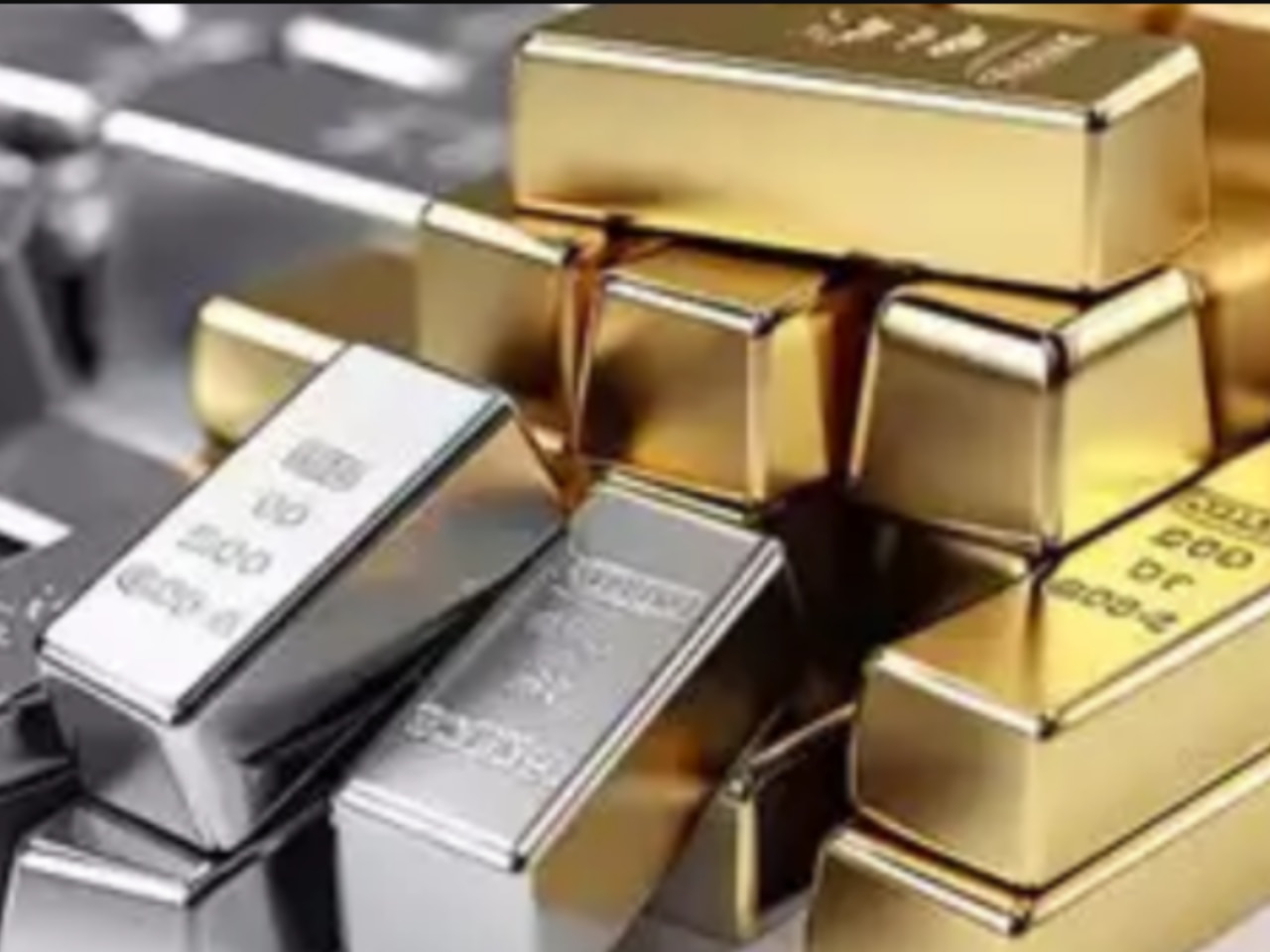
The price of 24-carat gold (999 pure) is currently pegged at an average of Rs 15,383 per gram across the nation, while 22-carat gold, a staple for jewellery, stands at Rs 14,101 per gram. Silver, often seen as gold’s more accessible counterpart, is trading at approximately Rs 2,55,100 per kilogram. These figures, while representing national averages, exhibit minor regional variations influenced by local taxes, logistics, and demand patterns.
I. Main Facts: A Glimpse into Today’s Precious Metals Valuation
Today’s market snapshot reveals a continued upward trajectory for both gold and silver, cementing their status as critical assets within the Indian economic landscape. The latest prices, as of August 12, 2026, highlight a market driven by a confluence of macroeconomic factors and intrinsic demand.
)
Snapshot of Today’s Rates: Gold and Silver on August 12, 2026
- Gold (24K, 999 Pure): An average of Rs 15,383 per gram nationally.
- Gold (22K, 91.67% Pure): An average of Rs 14,101 per gram nationally.
- Silver (999 Pure): Approximately Rs 2,55,100 per kilogram nationally, translating to Rs 2,551 per 10 grams in most major cities.
This slight but significant increase in prices is a direct consequence of elevated global demand for safe-haven assets amidst lingering economic uncertainties and inflationary pressures. Domestically, the persistent cultural significance of gold, coupled with its role as a hedge against inflation, continues to fuel demand, particularly as the nation gradually approaches its bustling festive and wedding seasons. The rupee’s performance against the US dollar also plays a pivotal role, with any depreciation making dollar-denominated gold imports more expensive in local currency terms.
II. Chronology: Tracing the Recent Trajectory of Precious Metals
The current price surge on August 12, 2026, is not an isolated event but rather a continuation of trends observed over the preceding months, shaped by a dynamic interplay of global economic shifts and domestic market forces. To understand today’s rates, it’s crucial to examine the recent history that has led to this point.

A Volatile Path: Recent Trends Shaping Today’s Prices
The period leading up to August 2026 has been marked by a complex mix of market drivers. Following a relatively stable first quarter, where global economic recovery hopes kept a lid on safe-haven demand, the second quarter of 2026 witnessed renewed volatility. Geopolitical tensions, particularly in Eastern Europe and parts of the Middle East, resurfaced as significant concerns, prompting a flight to safety among international investors. This sustained buying interest from institutional funds and central banks worldwide provided a strong floor for gold prices.
Furthermore, persistent inflationary signals emanating from major economies, including the United States and the Eurozone, have reinforced gold’s traditional role as an inflation hedge. Despite aggressive monetary tightening cycles initiated by central banks in 2025, inflation has proven more stubborn than anticipated, leading investors to seek refuge in tangible assets like gold. Silver, often moving in tandem with gold but with an added industrial demand component, also benefited from these broader market sentiments, albeit with its own unique supply-demand dynamics influencing its trajectory.
)
The Impact of Global Economic Indicators
The US Federal Reserve’s stance on interest rates has been a significant determinant. While expectations of further rate hikes have occasionally pressured gold by strengthening the dollar and increasing the opportunity cost of holding non-yielding assets, the underlying fear of recession or prolonged inflation has often counteracted this effect. Bond yields, particularly those of US Treasuries, have been closely watched, as higher yields typically make gold less attractive. However, real interest rates (nominal rates minus inflation) have often remained low or negative, making gold a viable alternative.
Beyond central bank policies, global manufacturing data and commodity prices have provided crucial cues. A robust manufacturing sector, particularly in Asia, has boosted industrial demand for silver, supporting its price. Conversely, any slowdown in global trade or industrial output has exerted downward pressure. The energy crisis, which intermittently flared up in late 2025 and early 2026, also contributed to inflationary fears, indirectly benefiting precious metals.
)
Domestic Factors: A Pre-Festive Season Overview
Domestically, the Indian market has consistently shown resilience. While global factors dictate the broad direction, local demand provides crucial support. The period leading up to August is typically a prelude to India’s major festive and wedding seasons, which commence in earnest in the latter part of the year. Jewellers and retailers often begin stocking up during this time, anticipating heightened consumer activity. This pre-festive procurement, combined with the traditional Indian affinity for gold as both an ornament and an investment, ensures a steady baseline demand that helps cushion against international price dips. Moreover, the Indian rupee’s performance against the US dollar has been a constant variable. Any weakening of the rupee translates to higher import costs for gold and silver, which are then passed on to the consumer, effectively driving up local prices even if international dollar prices remain stable. This currency dynamic has been a consistent upward pressure point for domestic precious metal rates throughout the year.
III. Supporting Data: A Deep Dive into the Numbers and Their Drivers
The current pricing structure for gold and silver in India on August 12, 2026, is a meticulous reflection of a myriad of local and international forces. Understanding the nuances of these figures requires a granular look at city-wise variations and the underlying economic factors.
)
Gold Prices: City-Wise Analysis (August 12, 2026)
As reported by reliable market tracking platforms such as Good Returns, the city-wise breakdown reveals slight differences, primarily due to local taxes, transportation costs, and specific regional demand patterns.
- Gold Prices in Delhi:
- 24K Gold (999 Pure): Rs 15,398 per gram
- 22K Gold (91.67% Pure): Rs 14,116 per gram
- Gold Prices in Mumbai:
- 24K Gold (999 Pure): Rs 15,383 per gram
- 22K Gold (91.67% Pure): Rs 14,101 per gram
- Gold Prices in Kolkata:
- 24K Gold (999 Pure): Rs 15,383 per gram
- 22K Gold (91.67% Pure): Rs 14,101 per gram
- Gold Prices in Chennai:
- 24K Gold (999 Pure): Rs 15,438 per gram
- 22K Gold (91.67% Pure): Rs 14,151 per gram
Chennai consistently shows slightly higher prices, a trend often observed due to its significant cultural emphasis on gold and its role as a major hub for gold trade in South India, sometimes incurring higher local premiums or levies.
)
Decoding Gold’s Value: 24K vs. 22K
The distinction between 24K and 22K gold is fundamental for consumers and investors.
- 24K Gold (999 Pure): This is the purest form of gold, containing 99.9% pure gold. It is typically used for investments in the form of coins, bars, or bullions. Its malleability makes it unsuitable for intricate jewellery designs without being alloyed with other metals.
- 22K Gold (91.67% Pure): This variant contains 91.67% gold and the remaining 8.33% is a mix of other metals like copper, silver, or zinc. These alloys add strength and durability, making 22K gold ideal for crafting traditional and contemporary jewellery that can withstand daily wear. The price difference reflects the purity level, with 24K always commanding a higher price per gram.
Silver Prices: A Comprehensive Overview
Silver, while generally more affordable than gold, holds significant value as both an investment and an industrial metal.
)
- Overall National Price: The price of 999 pure silver averages approximately Rs 2,55,100 per kilogram.
- Silver 925 (Sterling Silver): This alloy, containing 92.5% pure silver and 7.5% other metals (usually copper), is primarily used for jewellery and silverware, priced around Rs 2,55,000 per kilogram.
- City-Wise Silver Prices (999 Pure, per 10 grams):
- Delhi: Rs 2,551
- Mumbai: Rs 2,551
- Kolkata: Rs 2,551
- Chennai: Rs 2,601
Similar to gold, Chennai records a slightly higher silver price, potentially influenced by regional demand for silver ornaments and industrial usage.
The Interplay of Global and Domestic Factors
The pricing of these precious metals is a complex equation, with multiple variables acting in concert:
)
-
Global Market Trends: At the forefront is the international spot price of gold and silver, typically denominated in US dollars. Factors such as global economic growth forecasts, central bank monetary policies (interest rate changes, quantitative easing/tightening), geopolitical stability, and the performance of other asset classes (equities, bonds) directly influence this benchmark. Periods of heightened uncertainty or economic distress often lead investors to flock to gold as a traditional safe haven, driving prices up. Central bank purchases for reserve diversification also significantly bolster demand.
-
Currency Exchange Rates: The exchange rate between the Indian Rupee (INR) and the US Dollar (USD) is a critical determinant for domestic prices. Since India is a net importer of gold and silver, a depreciation of the Rupee against the Dollar makes imports more expensive in INR terms. This higher import cost is then factored into the local selling price, directly influencing what consumers pay.
)
-
Inflationary Pressures: Gold is widely regarded as an effective hedge against inflation. When the purchasing power of fiat currencies erodes due to rising prices, investors often turn to gold to preserve wealth. The current global inflationary environment, characterized by persistent supply chain disruptions and elevated energy costs, has therefore been a significant driver of gold prices.
-
Local Demand & Festive Season: India’s cultural reverence for gold is unparalleled. Gold plays an indispensable role in weddings, festivals like Diwali and Akshaya Tritiya, and as a traditional gift. This intrinsic demand provides a strong foundational support for prices, often intensifying as these auspicious periods approach. Furthermore, gold is viewed as a form of financial security, especially in rural areas, acting as an easily liquefiable asset during times of need. Silver, too, enjoys substantial cultural demand in various regions, particularly for religious ceremonies and traditional jewellery.
)
IV. Official Responses & Expert Commentary: Voices from the Industry
To gain a comprehensive understanding of the current precious metals market, it is essential to incorporate perspectives from market analysts, industry bodies, and economists. Their insights offer valuable context and help anticipate future trends.
Analysts Weigh In: Short-Term Volatility, Long-Term Strength
Financial analysts widely acknowledge the current upward momentum in gold and silver prices, attributing it to a confluence of global economic uncertainties. "The market is currently being driven by a strong undercurrent of risk aversion," states Dr. Anika Sharma, Senior Market Analyst at Zenith Capital. "Persistent inflation concerns, coupled with geopolitical flashpoints, are compelling institutional investors to increase their allocation to precious metals. While we might see short-term pullbacks driven by profit-taking or shifts in central bank rhetoric, the fundamental drivers for gold remain robust for the foreseeable future, particularly as real interest rates struggle to turn significantly positive."
)
Mr. Rajeev Kumar, Head of Precious Metals Research at InvestIndia, echoes this sentiment, adding, "Silver, with its dual identity as both a safe-haven and an industrial metal, is particularly interesting. The push for green technologies and electric vehicles ensures a steady industrial demand, providing a floor to its price. Any significant global economic recovery could see silver outperform gold due to its industrial applications, making it an attractive option for diversified portfolios." Analysts generally advise a long-term perspective for investors in precious metals, emphasizing their role as wealth preservers rather than speculative assets.
Jewellers’ Outlook: Managing Consumer Expectations
The Indian jewellery sector, a major consumer of gold, is closely monitoring these price movements. Mr. Ramesh Jain, President of the All India Jewellers’ Association, acknowledges the impact of rising prices on consumer behaviour. "While high prices can deter some impulse purchases, the inherent cultural value of gold in India means demand remains resilient, especially for weddings and significant festivals," Mr. Jain explains. "However, jewellers are adapting by offering lighter weight designs, flexible payment plans, and promoting hallmarked jewellery to ensure consumer trust and value for money. We anticipate a surge in demand as we move closer to Diwali and the peak wedding season, despite the elevated prices."
)
He further highlights the importance of transparency: "With digital platforms making price discovery easier, consumers are more informed. Our focus is on providing competitive rates, impeccable craftsmanship, and certified purity to maintain customer loyalty in a high-price environment. The slight regional variations in prices are primarily due to local taxes and operational costs, which we strive to minimize for the end consumer."
Economic Implications: A Central Bank’s View (Hypothetical)
From a broader economic perspective, the Reserve Bank of India (RBI) remains watchful of precious metal price trends. While direct "official responses" on daily price movements are rare, an understanding of their macroeconomic implications is crucial. A hypothetical statement from an RBI economist, Dr. Priya Singh, might articulate, "The rising prices of gold and silver, while reflecting global market conditions, have implications for India’s balance of payments. As a significant importer of these metals, higher international prices, coupled with a depreciating rupee, can inflate our import bill. This needs to be carefully managed to prevent undue pressure on the current account deficit. Simultaneously, the RBI monitors the role of gold as a store of value, especially in inflationary times, and its impact on household savings and investment patterns." This perspective underscores the delicate balance the central bank maintains between managing currency stability, inflation, and external trade.
)
V. Implications: What These Prices Mean for India
The sustained high prices of gold and silver carry significant implications for various stakeholders in India, from individual investors and consumers to the broader economy. Understanding these ramifications is crucial for making informed decisions in the precious metals market.
Investment Implications: A Strategic Asset
For investors, the current price levels reinforce gold and silver’s status as strategic assets in a diversified portfolio. In an environment characterized by economic uncertainty, inflationary pressures, and volatile equity markets, precious metals offer a tangible hedge against financial instability.
)
- Portfolio Diversification: Gold and silver typically exhibit a low correlation with other asset classes like stocks and bonds, making them excellent diversifiers. During periods of market downturns, they often perform well, helping to mitigate overall portfolio risk.
- Inflation Hedge: The persistent inflationary environment globally has reaffirmed gold’s traditional role as a store of value. Investors looking to protect their purchasing power against currency devaluation are likely to continue allocating funds to gold.
- Long-Term View: Experts generally advise a long-term approach to precious metals investing. While short-term fluctuations are inevitable, the historical performance of gold suggests its value appreciation over extended periods, making it suitable for wealth preservation and generational wealth transfer.
- Risks and Rewards: Investors must also be cognizant of the risks, including interest rate hikes that can strengthen the dollar and increase the opportunity cost of holding non-yielding assets, and the potential for profit-taking after significant rallies. However, the current macro-economic backdrop leans towards continued support for precious metals.
Impact on Consumers: Planning Purchases and Expenditure
For the average Indian consumer, the elevated prices of gold and silver present a mixed bag of challenges and opportunities, especially with the impending festive and wedding seasons.
- Wedding and Festive Purchases: Gold remains an integral part of Indian weddings and festivals. While higher prices might lead some consumers to reduce the quantity of gold purchased or opt for lighter designs, the cultural significance ensures that demand will persist. Families planning weddings might consider purchasing in instalments or hedging against future price increases.
- Investment vs. Ornamentation: The high prices might encourage a greater shift towards purchasing gold for investment purposes (coins, bars) rather than purely for ornamentation, particularly among urban consumers. This allows them to capitalize on potential future appreciation while still owning the physical asset.
- Silver as an Alternative: With gold prices soaring, silver’s relative affordability makes it an increasingly attractive option for both investment and jewellery, especially in regions where silver ornaments are traditionally popular.
- Purity and Trust: In a high-value market, the importance of purchasing hallmarked gold and certified silver cannot be overstated. Consumers are increasingly seeking assurances of purity and authenticity to ensure they receive fair value for their significant expenditure.
Broader Economic Ripples
At a macro level, the price trends in precious metals have several implications for the Indian economy:
)
- Balance of Trade: India’s substantial import of gold and silver contributes significantly to its import bill and can widen the current account deficit. High international prices, exacerbated by a weaker rupee, mean that the country spends more foreign exchange to acquire the same quantity of metals, impacting overall economic stability.
- Government Policies: The government and the RBI often implement policies such as import duties and restrictions to manage the inflow of precious metals and control their impact on the economy. These measures can also influence local prices and the dynamics of the grey market. The success of initiatives like the Gold Monetisation Scheme (GMS) to mobilize idle household gold is crucial in reducing import dependence.
- Inflationary Impact: While gold acts as a hedge against inflation for individuals, its rising prices can also contribute to overall inflationary pressures within the economy, especially if domestic demand remains strong.
- Informal Economy: High prices can sometimes fuel the informal market for gold, posing challenges for regulation and tax collection.
In conclusion, the precious metals market in India on August 12, 2026, reflects a dynamic environment where global economic forces intersect with profound domestic cultural and investment trends. While the current uptick in prices is largely driven by safe-haven demand and inflationary concerns, the resilience of local consumption ensures sustained interest. For both investors and consumers, staying informed about these intricate dynamics, understanding purity standards, and adopting a strategic approach to buying and selling will be paramount in navigating the ever-evolving landscape of gold and silver in India. The precious metals will continue to play a pivotal role in India’s financial and cultural fabric, serving as both a symbol of wealth and a shield against economic uncertainty.
