

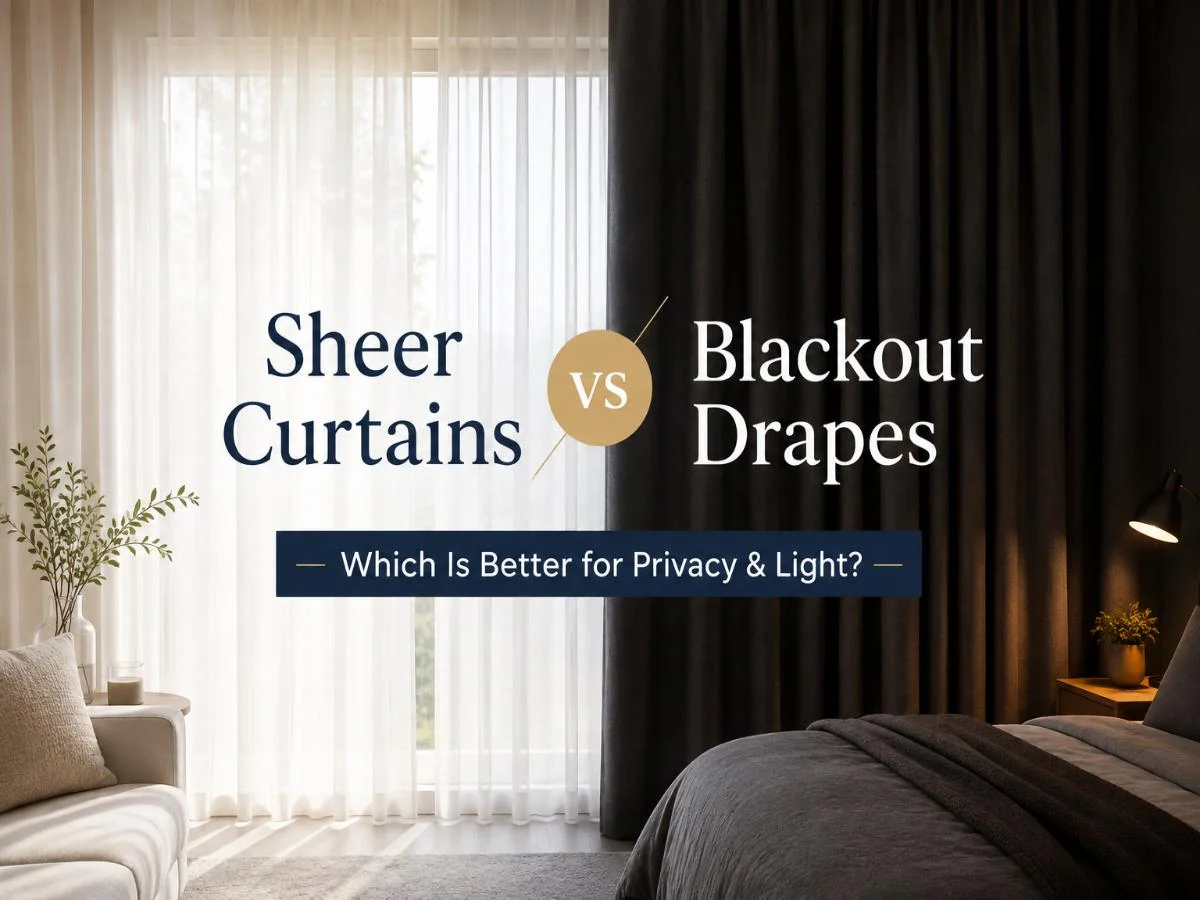
In the contemporary landscape of interior design, the window is no longer viewed merely as a functional aperture for ventilation and light. Instead, it has become a focal point of architectural expression and a critical component of home climate control. For years, homeowners and decorators found themselves at a crossroads, forced to choose between the ethereal, light-diffusing qualities of sheer curtains and the heavy, light-obliterating utility of blackout drapes. However, a shift in design philosophy—driven by a deeper understanding of sleep hygiene, energy efficiency, and aesthetic layering—has rendered the "either-or" debate obsolete.
Today, the most sophisticated homes are moving away from single-treatment windows toward a multi-layered approach. This evolution reflects a broader trend in residential real estate where functionality meets luxury, ensuring that a room can transition seamlessly from a sun-drenched sanctuary to a private, pitch-black retreat at a moment’s notice.
Main Facts: The Functional Divergence of Sheers and Blackouts
To understand why the industry is leaning toward a combined approach, one must first analyze the distinct functional roles these two window treatments play. While they both occupy the same space on a curtain rod, their engineering and intended outcomes are diametrically opposed.
The Role of Sheer Curtains
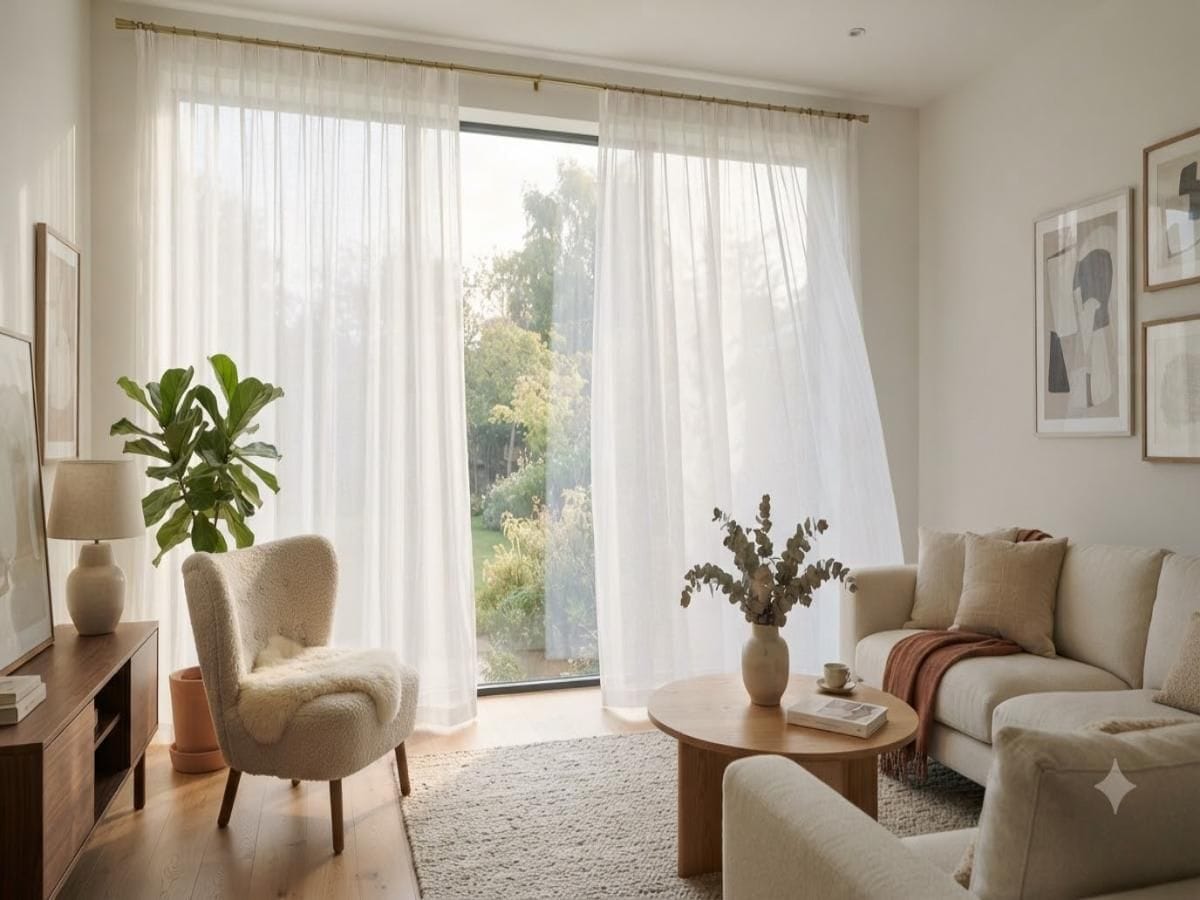
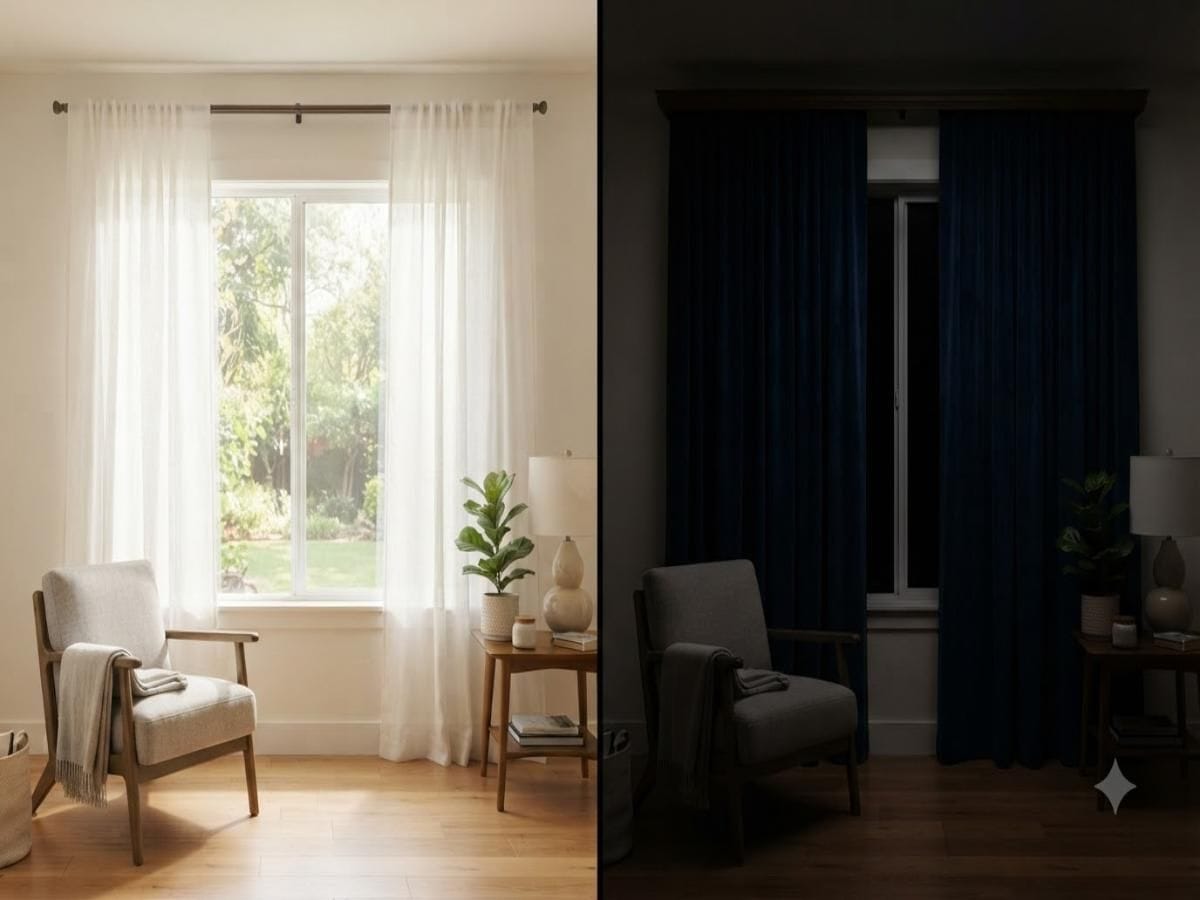
Sheer curtains are typically crafted from lightweight, translucent fabrics such as voile, chiffon, or finely woven linen. Their primary objective is not to block light, but to "curate" it. In an era where natural light is a highly sought-after commodity in real estate, sheers act as a filter. They break up harsh, direct ultraviolet (UV) rays, transforming them into a soft, ambient glow. This serves a dual purpose: it protects expensive hardwood floors and upholstery from sun-bleaching while maintaining a bright, airy atmosphere.
From a privacy perspective, sheers offer a "one-way" shield during daylight hours. Due to the way light reflects off the fabric, it is difficult for passersby to see into a brightly lit room from the outside, yet those inside can still enjoy views of the exterior landscape.
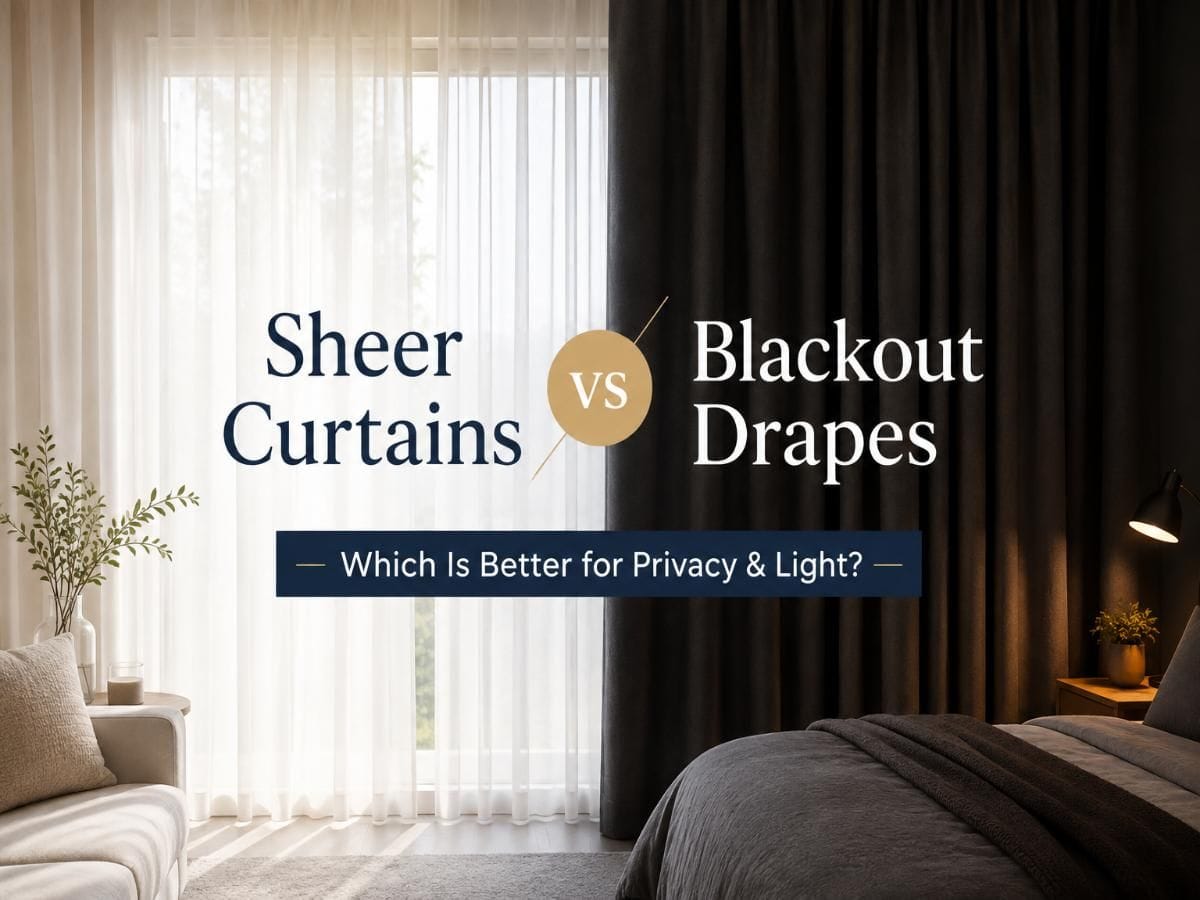
The Role of Blackout Drapes
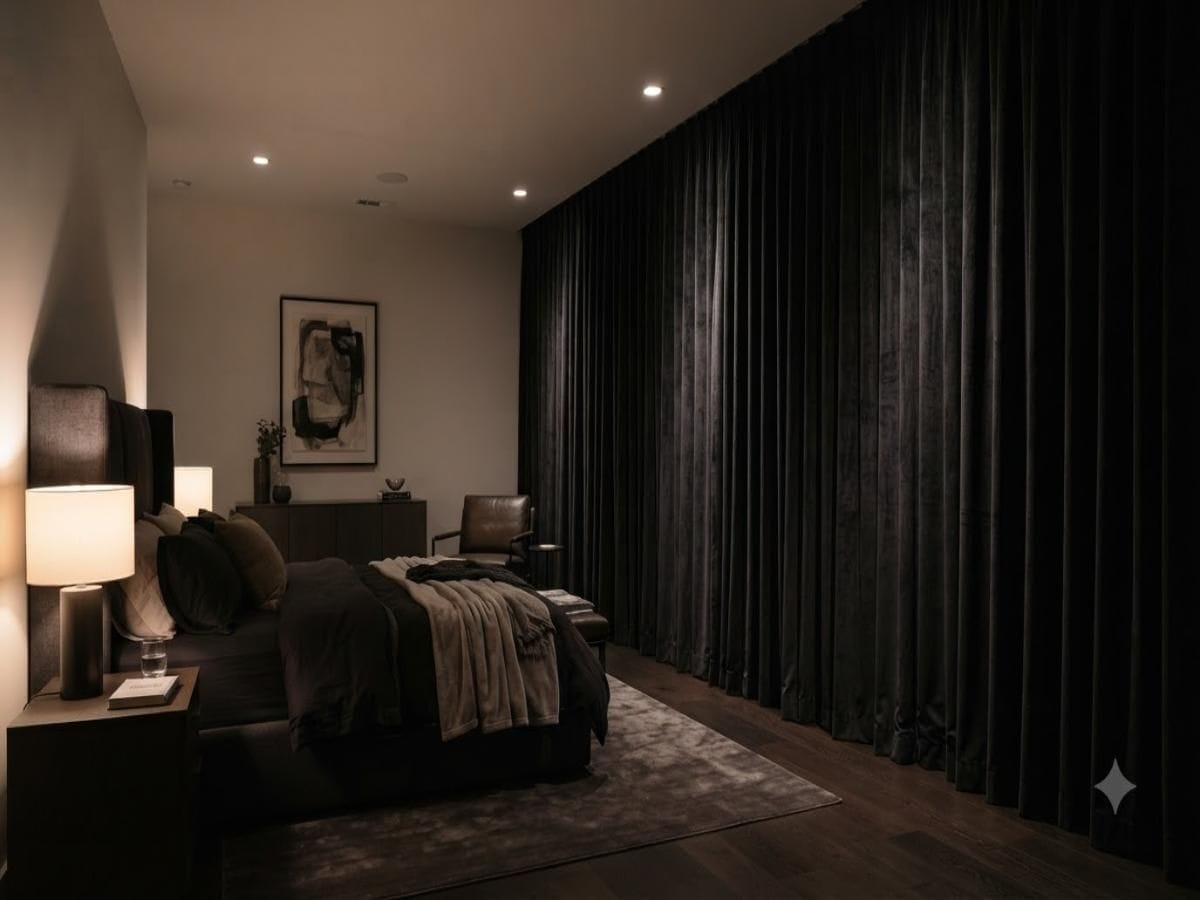
In contrast, blackout drapes are high-performance textiles engineered for total light control. Modern blackout technology often involves a triple-weave construction or a specialized thermal backing. Unlike standard curtains, these are designed to block up to 99% of incoming light.
Beyond light management, blackout drapes serve as a critical barrier for noise and temperature. In urban environments like Delhi NCR or Mumbai, where street noise and extreme heat are constant challenges, the density of blackout fabric provides a significant acoustic buffer and thermal insulation, keeping rooms cooler in the summer and retaining heat during the winter months.
Chronology: From Victorian Layers to Modern Minimalism and Back Again
The history of window treatments has moved in cycles. In the Victorian era, heavy, multi-layered drapery was a sign of status and a necessity for drafty, poorly insulated homes. Windows were often dressed with sheers, shutters, and heavy velvet over-drapes.
As the 20th century progressed, the "Modernist" movement and the rise of minimalism in the 1990s and early 2000s saw a rejection of these heavy layers. Homeowners favored clean lines, often choosing either a single blind or a solitary pair of curtains. This period prioritized "the look" over the practical realities of living in a space.
However, the 2020s have seen a resurgence of the layered look, albeit with a modern, streamlined aesthetic. This "New Functionalism" acknowledges that a single layer of fabric cannot solve the complex needs of a modern household. The rise of the "Sleep Economy"—a multibillion-dollar industry focused on improving rest—has been a major catalyst in bringing blackout drapes back into the mainstream, while the "Biophilic Design" trend has kept sheers relevant by emphasizing a connection to natural daylight.
Supporting Data: The Science of Light and Thermal Efficiency
The preference for layering is supported by tangible data regarding energy consumption and human health.
1. Thermal Insulation and Energy Savings
According to Department of Energy studies, medium-colored draperies with white-plastic backings can reduce heat gains by as much as 33%. When blackout drapes are closed during the peak of a summer afternoon, they significantly reduce the load on air conditioning systems. In regions with extreme seasonal shifts, the ability to switch between sheers (to let in winter sun) and blackouts (to block summer heat) can lead to a 10-15% reduction in annual energy bills.
2. The Circadian Rhythm and Sleep Hygiene
Medical research into circadian rhythms highlights the necessity of "true darkness" for the production of melatonin. Even minor light pollution from street lamps or passing cars can disrupt sleep cycles. Blackout drapes have become a standard recommendation for shift workers and parents of infants, providing a controlled environment that mimics nighttime conditions regardless of the actual time of day.
3. UV Protection and Material Longevity
Direct sunlight is a primary cause of "photodegradation" in home interiors. Sheer curtains provide a necessary buffer. By reducing the intensity of UV radiation, they can extend the life of interior paint, artwork, and furniture by several years, representing a long-term financial saving for the homeowner.
Expert Perspectives: Why Designers Advocate for Layering
Interior designers are no longer viewing curtains as a mere finishing touch; they are treating them as "light architectural elements." Leading designers in urban hubs like Pune and Bangalore suggest that the combination of sheers and blackouts is the only way to achieve a "hotel-quality" experience at home.
The "Double Rod" Strategy
The standard professional recommendation involves the installation of a double-track or double-rod system. The sheer curtain is placed on the inner track (closest to the window), while the blackout drape sits on the outer track. This configuration allows for four distinct levels of light control:
- Fully Open: Maximum light and view.
- Sheers Only: Filtered light and daytime privacy.
- Blackouts Only: Total darkness and thermal insulation.
- Both Closed: Maximum privacy and a layered, high-end aesthetic.
Aesthetic Versatility
Designers also point out that layering adds "visual weight" and texture to a room. A window with only sheers can sometimes look "thin" or unfinished, while a window with only heavy blackouts can feel "oppressive" and heavy. By combining a light, airy sheer with a textured blackout fabric (such as velvet or heavy linen), homeowners can create a balanced, sophisticated look that frames the window and makes the ceiling appear higher.
Implications: The Future of Residential Window Treatments
The shift toward layered window treatments has several implications for the future of home design and the real estate market.
Real Estate Value and "Move-in Readiness"
In the luxury real estate market, high-quality, layered window treatments are increasingly seen as an "essential" rather than an "extra." Prospective buyers often look for homes that already have these systems in place, recognizing the cost and effort required to install professional-grade light management.
The Rise of Smart Integration
The next frontier in the sheer vs. blackout discussion is automation. Motorized double-track systems are becoming increasingly accessible. These systems allow homeowners to program their curtains to follow the sun: sheers closing at sunrise to protect the home, and blackouts closing automatically at sunset for privacy. This integration of "Smart Home" technology with traditional textiles is redefining the concept of a "living" home.
Sustainable Living
As global temperatures continue to rise, the "passive cooling" provided by high-quality blackout drapes will become a necessity rather than a luxury. We are likely to see a greater emphasis on the "R-value" (thermal resistance) of curtain fabrics, similar to how insulation and windows are currently rated.
Summing Up: Achieving the Perfect Balance
Ultimately, the choice between sheer curtains and blackout drapes is not a competition, but a partnership. Each fabric solves a specific problem that the other cannot. Sheers provide the beauty of natural light and daytime privacy, while blackouts provide the necessity of darkness and temperature control.
For the modern homeowner, the most practical and stylish solution is to embrace both. By layering these two distinct textiles, you gain total control over your environment—ensuring that your home remains a bright, inviting space during the day and a quiet, restorative sanctuary at night. As interior design continues to evolve, the layered window will remain the gold standard for those who refuse to compromise on either form or function.
Looking for expert help? Try AI Interior Design tools for inspiration or connect with top-rated Interior Designers to transform your home with the perfect window treatments.
Disclaimer: This article provides information based on current industry trends and general design principles. While window treatments can significantly aid in insulation and light control, results may vary based on specific home architecture and climate conditions. Readers are encouraged to consult with professional installers for technical specifications.
