

PERSONAL FINANCE
New Delhi, India – August 25, 2026 – India’s vibrant gold and silver markets continue to reflect a complex interplay of international economic forces, robust domestic demand, and fluctuating currency valuations. As of August 25, 2026, both precious metals have registered slight upward movements, indicating a resilient appeal amidst a backdrop of global uncertainty and inflationary pressures. This report provides a comprehensive breakdown of today’s prices, examines the intricate factors influencing them, and offers insights into the broader implications for consumers, investors, and the Indian economy.
Main Facts: India’s Precious Metals Market on August 25, 2026
The morning of August 25, 2026, finds India’s bullion market exhibiting a cautious optimism, with gold maintaining its traditional role as a safe-haven asset and silver demonstrating its dual appeal for investment and industrial use. The overall sentiment is shaped by ongoing global geopolitical developments, the trajectory of inflation, and the strength of the Indian Rupee against major international currencies.
Gold Prices Today: A Snapshot
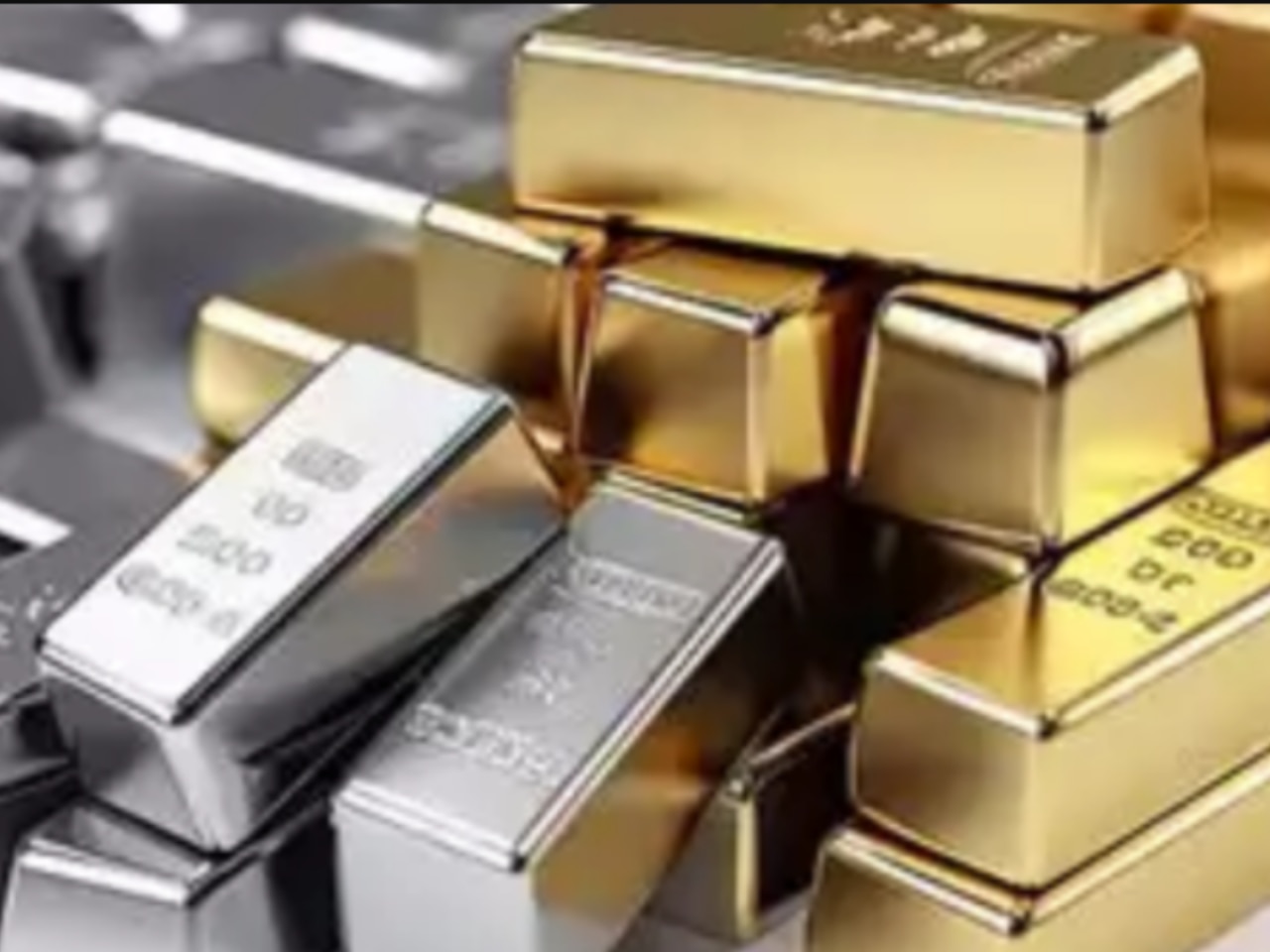
On this day, gold prices across India have experienced a modest uptick. The benchmark 24-karat (999 pure) gold is currently valued at ₹16,398 per gram. For those considering jewellery purchases, 22-karat gold, which contains 91.67% pure gold, is priced at ₹15,031 per gram. These rates underscore the metal’s sustained demand, particularly as the nation gradually approaches its high-demand festive and wedding seasons. The slight increase is primarily attributed to a confluence of global demand pressures and persistent inflationary concerns in key economies, which often drive investors towards tangible assets.
Silver Prices Today: Current Valuations
Silver, often referred to as "poor man’s gold," also witnessed an upward trend. The price for pure 999 silver stands at approximately ₹2,59,900 per kilogram. For sterling silver (925 purity), commonly used in ornaments and tableware, the rate is ₹2,54,000 per kilogram. While generally more affordable than gold, silver’s price movements are heavily influenced by global industrial demand, especially from sectors like electronics, solar energy, and medical applications, in addition to its traditional role as an investment vehicle and a component in traditional Indian jewellery.
Chronology: A Trajectory of Volatility and Resilience
The current prices on August 25, 2026, are not isolated figures but rather the culmination of a dynamic and often volatile journey over the past several months. The precious metals market has been a barometer of global economic health and geopolitical stability, reacting swiftly to major events.
)
The Global Economic Backdrop Leading to August 2026
The first half of 2026 was marked by a series of significant global developments that collectively shaped the trajectory of commodity markets. Persistent inflationary pressures in major economies, notably the United States and the Eurozone, kept central banks on alert, leading to a cautious stance on interest rate policies. While some initial rate hikes in late 2025 and early 2026 aimed to curb inflation, the economic data suggested a more stubborn inflationary environment than initially anticipated. This prolonged period of elevated inflation has bolstered gold’s appeal as a hedge against the erosion of purchasing power.
Geopolitical tensions, particularly those emanating from Eastern Europe and parts of the Middle East, continued to fuel uncertainty. These conflicts often lead to increased demand for safe-haven assets, with gold being a primary beneficiary. Concerns over energy supply chains and their impact on industrial output also contributed to market jitters, pushing investors towards perceived stability. The performance of key global stock markets, characterized by intermittent corrections and periods of modest growth, further prompted portfolio diversification into precious metals.
India’s Domestic Market Dynamics: A Seasonal Review
Domestically, the Indian market has experienced its own set of influences. The post-monsoon period in India typically sees a gradual build-up in demand for gold and silver, anticipating the onset of the festive season, which traditionally begins around Dussehra and culminates in Diwali. However, the first quarter of 2026 saw a relatively subdued demand due to higher prices and a focus on essential expenditures. As the second quarter progressed, a gradual recovery in rural income, supported by a promising monsoon forecast, began to stimulate demand, especially for silver in agricultural belts.

June and July 2026 witnessed a noticeable increase in both investment and bridal jewellery demand. Wedding season purchases, which had been deferred by some families due to earlier price peaks, resurfaced as consumers adapted to the new price levels. This consistent domestic buying interest provided a crucial floor for prices, preventing any sharp declines even when global cues were mixed. The Rupee’s performance against the US Dollar also played a pivotal role; a weaker Rupee made imported gold and silver more expensive, directly impacting local prices.
Key Events and Their Impact on Prices
- April 2026: Global inflation concerns intensified after key economic indicators in the US showed stronger-than-expected price increases. This led to a surge in gold prices, pushing 24K gold above ₹16,000 per gram for the first time in several months. Silver also saw a corresponding rise, driven by renewed industrial optimism.
- May 2026: A temporary de-escalation of geopolitical tensions and stronger equity market performance briefly pulled some investment away from safe havens. Gold prices consolidated, seeing a minor correction, while silver’s industrial demand helped it maintain stability.
- June 2026: The Indian government’s annual budget announcement, with its focus on infrastructure and rural development, buoyed domestic sentiment. Coupled with initial signs of monsoon arrival, this spurred a fresh wave of consumer confidence and jewellery purchases, especially in anticipation of wedding season.
- July 2026: Renewed concerns over global economic slowdown, despite efforts by central banks, reignited safe-haven buying. The US Federal Reserve’s cautious stance on future rate adjustments, hinting at potential pauses, also made non-yielding assets like gold more attractive.
- August 2026 (Leading to Today): The lead-up to August 25 has seen a sustained global interest in gold as a hedge against persistent inflation and potential currency devaluation. Local demand, while not yet at its peak festive levels, has remained robust, providing consistent support. The Rupee’s slight depreciation against the Dollar in recent weeks has also contributed to the upward pressure on local prices.
Supporting Data: Dissecting the Influencers of Price Movements
Understanding the current prices requires a deeper dive into the specific characteristics of gold and silver, the intricate dance between global and local factors, and the variations seen across India’s diverse market landscape.
Deeper Dive into Gold Varieties and Purity
In India, gold is primarily traded and consumed in two main purities:
)
- 24 Karat (999 Pure Gold): This is the purest form of gold, containing 99.9% pure gold. It is typically purchased for investment purposes, such as gold bars, coins, and digital gold. Its price directly reflects international benchmarks and currency exchange rates.
- 22 Karat (91.67% Pure Gold): This purity is most commonly used for crafting jewellery in India. It contains 91.67% pure gold, with the remaining percentage consisting of alloys like copper or silver, added to increase durability and strength. The price of 22K gold is derived from the 24K price, adjusted for purity and often includes a making charge for jewellery.
The slight increase in 24K gold today indicates that the underlying demand for pure investment-grade gold is strong, driven by macroeconomic factors. The corresponding rise in 22K gold suggests that this sentiment is also translating into the retail jewellery sector, albeit with the added complexities of local artisan costs and design preferences.
Understanding Silver’s Dual Role: Investment and Industrial Demand
Silver’s pricing dynamics are distinct from gold due to its significant industrial utility.
- 999 Pure Silver: This is investment-grade silver, typically bought in bars or coins. Its price is highly sensitive to global supply-demand fundamentals, particularly industrial consumption, and speculative trading.
- 925 Sterling Silver: Containing 92.5% pure silver, this alloy is widely used for jewellery, silverware, and decorative items. Its price follows the pure silver trend but also incorporates manufacturing costs.
Today’s silver prices, with pure silver at ₹2,59,900 per kilogram and sterling silver at ₹2,54,000 per kilogram, reflect a steady demand. The global push towards renewable energy, particularly solar power, continues to be a major demand driver for industrial silver. Additionally, a resurgence in consumer electronics production post-pandemic has further bolstered silver’s industrial appeal, acting as a buffer against purely investment-driven volatility.
)
The Interplay of Global Benchmarks and Local Exchange Rates
Indian gold and silver prices are intrinsically linked to international benchmarks, primarily the London Bullion Market Association (LBMA) spot prices, which are denominated in US Dollars. The conversion of these international prices into Indian Rupees is where the USD-INR exchange rate becomes a critical factor.
- Stronger Dollar/Weaker Rupee: If the Indian Rupee depreciates against the US Dollar, the cost of importing gold and silver (which are largely imported into India) increases, leading to higher local prices even if international dollar prices remain stable.
- Weaker Dollar/Stronger Rupee: Conversely, a stronger Rupee makes imports cheaper, potentially leading to lower local prices.
The recent depreciation of the Rupee, alongside a relatively strong US Dollar globally, has contributed to the current upward pressure on gold and silver prices in India, even with moderate international price movements. This currency effect is a constant underlying influence that Indian consumers and investors must consider.
City-Wise Price Variations: A Detailed Analysis
While global and national factors set the broad trends, local taxes, transportation costs, and specific market demand can lead to slight variations in prices across different Indian cities. According to data compiled from Good Returns, here are the city-wise rates for August 25, 2026:
)
Gold Rates Across Major Indian Cities:
-
Gold prices in Delhi:
- The current price of 24K gold in Delhi is ₹16,413 per gram.
- The current price of 22K gold in Delhi is ₹15,046 per gram.
(Delhi often sees slightly higher prices due to its status as a major consumption hub and logistical considerations.)
-
Gold prices in Mumbai:
- The current price of 24K gold in Mumbai is ₹16,398 per gram.
- The current price of 22K gold in Mumbai is ₹15,031 per gram.
(Mumbai, as a primary financial and import gateway, often serves as a benchmark for national pricing.)
-
Gold prices in Kolkata:
)
- The current price of 24K gold in Kolkata is ₹16,398 per gram.
- The current price of 22K gold in Kolkata is ₹15,031 per gram.
(Kolkata, a significant market for traditional gold jewellery, mirrors Mumbai’s rates today.)
-
Gold prices in Chennai:
- The current price of 24K gold in Chennai is ₹16,398 per gram.
- The current price of 22K gold in Chennai is ₹15,031 per gram.
(Chennai, a major hub for South Indian gold consumption, also aligns with the national average today.)
Silver Rates Across Major Indian Cities:
-
Silver price in Delhi today:
- The current price of Silver 999 in Delhi is ₹2,599 per 10 grams (or ₹2,59,900 per kilogram).
(Delhi’s silver prices are in line with the national average.)
- The current price of Silver 999 in Delhi is ₹2,599 per 10 grams (or ₹2,59,900 per kilogram).
-
Silver price in Mumbai today:
)
- The current price of Silver 999 in Mumbai is ₹2,599 per 10 grams (or ₹2,59,900 per kilogram).
(Mumbai also reflects the national benchmark for silver.)
- The current price of Silver 999 in Mumbai is ₹2,599 per 10 grams (or ₹2,59,900 per kilogram).
-
Silver price in Kolkata today:
- The current price of Silver 999 in Kolkata is ₹2,599 per 10 grams (or ₹2,59,900 per kilogram).
(Kolkata’s silver market shows similar pricing.)
- The current price of Silver 999 in Kolkata is ₹2,599 per 10 grams (or ₹2,59,900 per kilogram).
-
Silver price in Chennai today:
- The current price of Silver 999 in Chennai is ₹2,751 per 10 grams (or ₹2,75,100 per kilogram).
(Chennai notably exhibits a higher silver price compared to other major cities today, which could be attributed to stronger local demand, regional taxes, or logistical factors specific to the Southern market.)
- The current price of Silver 999 in Chennai is ₹2,751 per 10 grams (or ₹2,75,100 per kilogram).
Historical Context: Trends and Patterns
Looking back, the price trajectory of gold and silver in India has generally been upward over the long term, punctuated by periods of significant volatility. For instance, comparing the current 24K gold price of ₹16,398 per gram to prices from August 2025 (e.g., hypothetically ₹14,500 per gram) reveals an annual growth of approximately 13-14%, underscoring its role as a consistent wealth preserver. Silver, too, has shown robust growth, often outperforming gold in percentage terms during periods of strong industrial expansion. These historical patterns reinforce the belief among Indian households that precious metals are not just cultural symbols but also crucial components of a diversified financial portfolio.
)
Official Responses and Expert Commentary
The dynamics of the precious metals market are closely watched by various stakeholders, from government bodies to industry associations and financial analysts, each offering their perspective on current trends and future outlook.
Perspectives from Market Analysts
"The current uptick in gold and silver prices on August 25, 2026, is a clear indication that global investors are prioritizing wealth preservation amidst persistent inflation and a somewhat unstable geopolitical landscape," states Ms. Ananya Sharma, a Senior Commodities Analyst at a leading investment bank in Mumbai. "While we’ve seen some profit-taking periodically, the underlying demand, especially from central banks globally adding to their reserves, and continued retail interest in India, provides strong support. Silver’s performance is particularly interesting; its industrial demand is acting as a strong counterweight to any purely speculative pullbacks, making it a robust investment."
Analysts widely agree that the US Federal Reserve’s future interest rate decisions will remain a critical determinant for gold prices. Any signals of sustained high rates could cap gold’s upside, while a pivot towards rate cuts, if inflation subsides, could send prices significantly higher.
)
Insights from India’s Jewellery Industry
The All India Gem and Jewellery Domestic Council (GJC) commented on the current market situation, acknowledging the impact of price increases on consumer behaviour. "While higher prices can sometimes lead to deferred purchases, Indian consumers have a deep-rooted affinity for gold and silver, especially during auspicious occasions and weddings," said Mr. Rohan Mehta, Chairman of the GJC. "We anticipate a steady recovery in demand as we move closer to the festive season. The industry is adapting by offering lighter jewellery designs and attractive schemes to ensure accessibility for all segments of buyers." The industry also highlighted the importance of transparent pricing and purity standards to maintain consumer trust.
Government and Central Bank Stance
The Reserve Bank of India (RBI) continues to monitor commodity price movements closely, particularly their impact on the nation’s import bill and inflationary trajectory. While no specific statement was issued today regarding gold and silver prices, the RBI’s consistent efforts to manage currency stability are implicitly aimed at mitigating external shocks on imported commodities. Government officials, while generally refraining from commenting on daily price fluctuations, reiterate their commitment to fostering a stable economic environment. The Ministry of Finance periodically reviews import duties on precious metals, a tool that can be used to manage domestic supply and demand dynamics, though no immediate changes are anticipated.
Implications: What These Prices Mean for India
The current price levels of gold and silver on August 25, 2026, carry significant implications for various sectors of the Indian economy and society.
)
Impact on Consumers and Retail Demand
For the average Indian consumer, the sustained high prices of gold and silver present a mixed picture. While it makes new purchases, especially for jewellery, more expensive, it also means that existing holdings have appreciated in value. This can be beneficial for families looking to use gold as collateral for loans or as a source of emergency funds. However, for those planning weddings or significant purchases, the elevated prices might necessitate adjusting budgets or opting for lighter designs and lower-karat options. The rural sector, traditionally a large consumer of gold and silver, might feel the pinch more acutely, though a good monsoon could offset some of this impact by boosting agricultural incomes.
Strategic Considerations for Investors
For investors, both retail and institutional, gold and silver continue to serve as crucial portfolio diversifiers and hedges against inflation and market volatility. The current environment, characterized by global economic uncertainty and persistent inflationary pressures, reinforces the rationale for allocating a portion of one’s portfolio to precious metals. Long-term investors may view current prices as part of a broader upward trend, driven by a weakening global reserve currency and increased sovereign demand for gold. Silver, with its dual appeal, offers an additional layer of diversification, benefiting from both investment flows and robust industrial growth.
Economic Repercussions for India
At a macro level, sustained high prices for gold and silver have several economic repercussions for India, one of the world’s largest importers of these metals:
)
- Import Bill: Higher prices translate into a larger import bill, which can put pressure on India’s current account deficit. This, in turn, can affect the Rupee’s exchange rate.
- Inflation: While precious metals are hedges against inflation, their higher prices can contribute to broader inflationary pressures within the economy, particularly if they drive up the cost of luxury goods.
- Savings and Investment Patterns: The appeal of gold as a traditional savings instrument in India means that price movements can influence household savings patterns, sometimes diverting funds from other financial instruments.
- Informal Economy: High prices can also sometimes stimulate the informal gold market, leading to concerns about smuggling and tax evasion.
The Road Ahead: Future Outlook for Gold and Silver
Looking forward, the outlook for gold and silver remains largely positive, albeit with potential for short-term fluctuations. Analysts predict that gold will continue to be supported by global economic uncertainties, central bank buying, and its inherent safe-haven appeal. Silver’s trajectory will be closely tied to the pace of global industrial growth, especially in green technologies, alongside its investment demand.
Key factors to watch in the coming months include:
- Global Inflation Data: Any significant shifts in inflation rates in major economies will directly impact central bank policies and, consequently, gold’s appeal.
- Geopolitical Stability: Further escalation or de-escalation of conflicts will sway investor sentiment towards or away from safe-haven assets.
- USD-INR Exchange Rate: The Rupee’s performance will remain a critical determinant of local prices.
- Indian Festive Season: The approaching festive and wedding seasons are expected to provide strong domestic demand support, which could further underpin prices.
In conclusion, as of August 25, 2026, India’s gold and silver markets reflect a period of measured growth, driven by a complex interplay of global economic realities and resilient domestic demand. While price volatility remains a constant, the enduring cultural significance and perceived financial security offered by these precious metals ensure their continued prominence in the Indian economic landscape.
)
Find your daily dose of All Latest News including Sports News, Entertainment News, Lifestyle News, explainers & more. Stay updated, Stay informed- Follow DNA on WhatsApp.
