


NEW DELHI, India – Consumers in India are grappling with significant price increases across Apple’s product lineup, with MacBooks, iPads, and other devices now costing substantially more. The Cupertino tech giant has attributed these unprecedented adjustments to a severe global memory shortage, a crisis so profound that Apple CEO Tim Cook has described it as a "hundred-year flood." This dramatic escalation in component costs, primarily driven by the insatiable demand from the burgeoning Artificial Intelligence (AI) sector, has forced Apple to pass on what it terms "unsustainable" price increases to its customers, with some models seeing hikes of up to Rs 1 lakh.
The situation underscores a critical inflection point in the global technology landscape, where the exponential growth of AI development is reshaping supply chains and influencing consumer electronics pricing worldwide. India, a rapidly expanding market for Apple, is feeling the immediate brunt of these global shifts, raising questions about accessibility, consumer spending, and the future trajectory of premium tech products in the region.

The Core of the Crisis: AI’s Insatiable Appetite for Memory
At the heart of Apple’s recent price adjustments lies a fundamental imbalance in the global memory chip market. The sudden and massive surge in demand for memory components – specifically DRAM (Dynamic Random-Access Memory) and NAND flash storage – from AI companies is overwhelming existing manufacturing capacities. Firms like OpenAI, Google, Anthropic, and numerous others are aggressively acquiring these chips to power their vast data centres, train sophisticated large language models (LLMs), and run complex AI inference tasks.
These AI applications require not only colossal amounts of memory but often specialized, high-bandwidth memory (HBM) that offers significantly greater performance than standard consumer-grade chips. This prioritization by chip manufacturers to meet the lucrative and strategic demands of the AI sector has inadvertently diverted supply away from the traditional consumer electronics market, leaving companies like Apple with dwindling access and escalating costs for components essential to their MacBooks, iPads, and other devices.
)
A Chronology of Escalation: From Supply Chain Woes to AI Dominance
The current memory crisis is not an isolated event but rather the culmination of several interconnected factors that have been brewing over the past few years. Understanding this chronology helps to contextualize the severity of Tim Cook’s "hundred-year flood" assessment.
Pre-Pandemic Foundations (2018-2020): Even before the pandemic, the semiconductor industry experienced cycles of oversupply and undersupply. However, the foundational groundwork for the current crunch began with increased investment in data centres and cloud computing, which gradually tightened the supply of enterprise-grade memory.

The Pandemic’s Disruptive Force (2020-2022): The COVID-19 pandemic introduced unprecedented disruptions to global supply chains. Lockdowns, factory closures, labour shortages, and logistical bottlenecks severely impacted semiconductor manufacturing and distribution. Simultaneously, a surge in remote work, online education, and home entertainment dramatically increased demand for consumer electronics, further straining existing chip supplies. This period saw widespread shortages across various components, including microcontrollers and basic logic chips, laying bare the fragility of global manufacturing dependencies.
The Rise of Generative AI (Late 2022 – Present): The public launch of OpenAI’s ChatGPT in late 2022 marked a pivotal moment. It catalyzed a "generative AI" revolution, prompting massive investments from tech giants and startups alike into developing and deploying advanced AI models. These models, particularly LLMs, require immense computational power and, crucially, vast quantities of high-performance memory for both their training (which can take months and consume petabytes of data) and their inference (running the models to generate responses).
)
Manufacturing Shift and Prioritization (2023-Present): As AI demand exploded, major memory manufacturers – primarily Samsung, SK Hynix, and Micron Technology – began to reorient their production lines. While they ramped up investments in new fabrication plants (fabs) and advanced packaging technologies for HBM, the immediate capacity for standard DRAM and NAND, traditionally destined for consumer devices, became constrained. Chipmakers naturally prioritized higher-margin enterprise and AI-specific orders, leaving consumer electronics manufacturers to compete for increasingly scarce and expensive general-purpose memory. This strategic shift, coupled with the long lead times for building new fabs (often several years), created the severe supply-demand imbalance we observe today.
Apple’s Response (Early 2024 – Present): Faced with "huge price increases" from its suppliers that became "unsustainable" for its consumer product lines, Apple began implementing significant price adjustments across various markets, with India being a prominent example due to its price sensitivity and growing market share. While specific dates for each price hike in India are not always publicly announced, the increases have been phased in over recent months, reflecting the ongoing and intensifying nature of the memory shortage.
)
Supporting Data: Quantifying the Impact in India and Beyond
The impact of this global memory crisis on Apple’s pricing in India is stark and immediate, affecting a wide range of popular devices.
Dramatic Price Hikes on Key Apple Products in India:
)
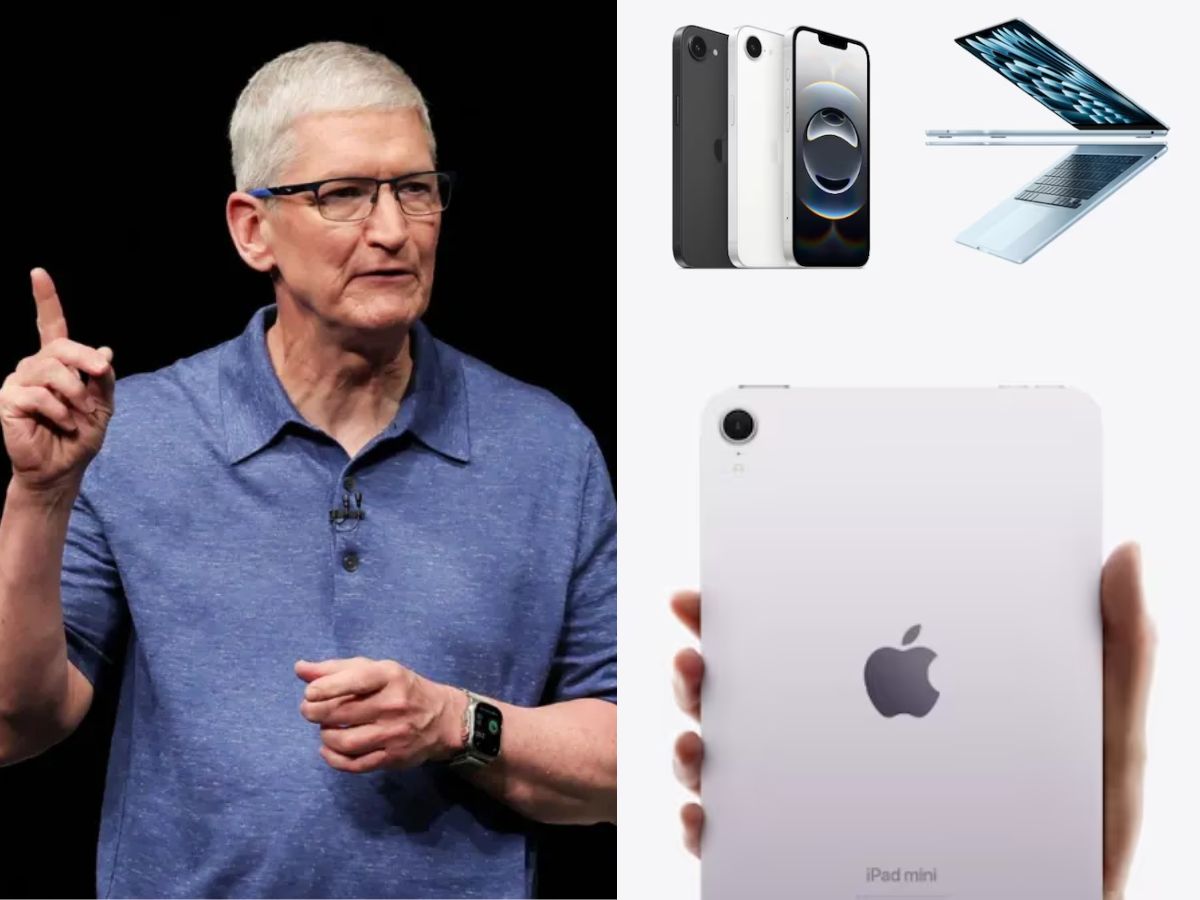
- MacBooks: The MacBook line has seen some of the most substantial increases. The MacBook Air, a popular entry point into Apple’s laptop ecosystem, now starts at approximately Rs 1.49 lakh, a notable jump from its previous pricing. The MacBook Pro M5 models, catering to professional users, have surged even higher, with the base model now around Rs 2.39 lakh. At the pinnacle, the MacBook Pro M5 Max, designed for the most demanding tasks, has experienced the largest individual increase, now retailing at around Rs 5 lakh. These represent increases ranging from Rs 10,000 to over Rs 1 lakh, depending on the configuration and specific model.
- iPads: Apple’s tablet offerings have also seen significant adjustments. The standard iPad now begins at approximately Rs 49,990. The mid-range iPad Air is priced around Rs 89,900, while the top-tier iPad Pro, critical for creative professionals, has climbed to about Rs 1.39 lakh. These hikes make Apple’s tablets less accessible to a broader segment of the Indian market.
- Other Devices: The price increases are not confined to just Macs and iPads. The Mac mini, a compact desktop option, has also seen a significant uptick. Home entertainment and smart home devices are not immune; the Apple TV 4K and HomePod now both retail at approximately Rs 44,900 each, marking substantial increases.
These figures illustrate the magnitude of the price adjustments. For instance, an increase of Rs 1 lakh on a MacBook Pro M5 Max represents a significant percentage jump on an already premium product, potentially pushing it out of reach for many prospective buyers.
Global Memory Market Dynamics:
)
The underlying cause for these price adjustments is a dramatic shift in the memory market.
- DRAM and NAND Price Trends: Industry analysts from firms like TrendForce have reported consistent quarter-over-quarter price increases for both DRAM and NAND flash memory since late 2023. Forecasts suggest these price uptrends will continue well into 2024 and possibly beyond, driven by AI server demand. Some reports indicate a more than 20% increase in contract prices for specific DRAM modules year-on-year.
- AI Server Demand vs. Consumer Devices: A typical AI server, especially one equipped with multiple high-performance GPUs, can require hundreds of gigabytes, if not terabytes, of HBM and standard DRAM. This dwarfs the memory requirements of a consumer laptop or smartphone, which typically range from 8GB to 32GB of RAM. The scale of AI infrastructure being built means that even a small percentage of global AI server deployment consumes a disproportionately large share of advanced memory.
- HBM’s Dominance: High-Bandwidth Memory (HBM) is particularly scarce and expensive. Used in conjunction with AI accelerators like NVIDIA’s GPUs, HBM is crucial for the rapid data processing needed for AI workloads. Manufacturers are prioritizing HBM production due to its high profit margins and strategic importance to the AI sector, further tightening the supply of conventional memory types.
Economic Ramifications:
)
The increased cost of components directly translates to higher manufacturing costs for Apple. While Apple is known for its robust profit margins, even it cannot fully absorb price increases of this magnitude without impacting its profitability or shareholder expectations. By passing on these costs, Apple is effectively asking consumers to bear the burden of the "AI premium." In a price-sensitive market like India, such significant hikes could lead to:
- Reduced Sales Volumes: Higher prices typically dampen demand, especially for luxury goods.
- Longer Upgrade Cycles: Consumers may choose to hold onto their existing devices for longer periods before upgrading.
- Shift to Alternatives: Some consumers might explore alternatives from competing brands that may offer more competitive pricing, although the global memory shortage is a systemic issue affecting most hardware manufacturers to varying degrees.
Official Responses: Tim Cook’s Candid Admission and Industry Outlook
Apple’s management has been unusually candid about the challenges posed by the memory crisis, reflecting its unprecedented nature.
)
Tim Cook’s "Hundred-Year Flood":
Apple CEO Tim Cook’s pronouncement that the current spike in memory chip costs is a "hundred-year flood" is a powerful testament to the severity of the situation. He emphasized that he had not witnessed such a sharp and sustained rise in component costs in over 40 years of experience in the tech industry. This analogy, typically reserved for catastrophic natural disasters, highlights the unexpected and overwhelming nature of the AI-driven demand shock. Cook’s statements typically come during investor calls or internal meetings, underscoring the serious strategic challenge facing the company.
He further elaborated that suppliers are passing on "huge price increases" to Apple, making the previous pricing structure for consumer products "unsustainable." This indicates that Apple’s decision to raise prices was not a strategic move to boost margins but a reactive measure necessitated by external market forces. The implication is that Apple had exhausted its options for absorbing these costs, which would have severely impacted its profitability if left unaddressed.
)
Strategic Delay for iPhones:
Interestingly, Apple has so far refrained from increasing iPhone prices. This strategic decision likely stems from several factors:
- Market Sensitivity: The iPhone is Apple’s flagship product and its largest revenue driver. Any price hike, especially before new product launches, could significantly impact demand and market perception.
- Competitive Landscape: The smartphone market is fiercely competitive, particularly in India, with strong players offering a range of devices across various price points. Maintaining current iPhone pricing helps Apple compete effectively.
- Upcoming Releases: Apple typically introduces new iPhone models in the fall. It’s plausible that the company is delaying price adjustments to coincide with new product announcements, potentially bundling them with new features or absorbing some costs temporarily to maintain sales momentum.
However, analysts widely anticipate that if the memory shortage persists or worsens, iPhones too will eventually face price increases.
Broader Industry Perspectives:
Beyond Apple, other industry leaders and analysts echo similar concerns. CEOs of major memory manufacturers like Samsung, SK Hynix, and Micron have consistently highlighted the robust demand from the AI sector, signalling their intent to prioritize high-margin AI-specific memory production. This strategic shift is driven by economic incentives, as AI memory commands significantly higher prices and offers better profitability.
)
Industry analysts from research firms like Gartner and IDC have issued reports detailing the projected growth of the AI market and its subsequent impact on hardware components. They forecast continued strong demand for high-performance memory, with supply struggling to keep pace, at least in the short to medium term. This consensus view reinforces the idea that the current pricing environment is not a temporary blip but a sustained market correction.
Implications: Reshaping the Tech Landscape and Consumer Choices
The ongoing memory crisis and its cascading effects on pricing have profound implications for Apple, its consumers, the broader tech industry, and even global economic dynamics.
)
For Apple:
- Profitability vs. Market Share: Apple faces a delicate balancing act. While passing on costs protects its profit margins, it risks alienating price-sensitive consumers and potentially losing market share, especially in growth markets like India.
- Innovation Challenges: Sustained high component costs could impact Apple’s ability to innovate or maintain aggressive product refresh cycles without further price increases.
- Supply Chain Resilience: This crisis will likely compel Apple to further diversify its supply chain, invest in long-term contracts with memory suppliers, or even explore vertical integration opportunities to gain more control over critical components.
- Brand Perception: While Apple’s brand loyalty is strong, consistent price hikes could test consumer willingness to pay an ever-increasing premium, particularly for devices that are becoming essential rather than just luxury items.
For Consumers:
)
- Higher Entry Barriers: Premium tech products like MacBooks and iPads will become even more exclusive, raising the financial bar for students, professionals, and creators who rely on these tools.
- Extended Device Lifecycles: Consumers may be forced to extend the lifespan of their existing devices, delaying upgrades until prices become more palatable or until the performance gap necessitates a new purchase.
- Impact on Digital Inclusion: In a country like India, where digital literacy and access are crucial for economic development, rising tech prices could inadvertently widen the digital divide, making advanced tools less accessible to a broader population.
- Shift in Purchasing Habits: Consumers might increasingly consider refurbished devices, older models, or products from competing brands as cost-effective alternatives.
For the Broader Tech Industry:
- The "AI Premium" Effect: The trend of AI-driven component scarcity and price hikes is unlikely to be limited to Apple. Other hardware manufacturers – from PC builders to server providers – will face similar challenges, leading to a general inflationary pressure across the tech sector.
- Accelerated Memory Innovation: The crisis could spur increased investment in research and development for more efficient memory technologies, alternative materials, or novel architectural designs that reduce reliance on current, constrained manufacturing processes.
- Strategic Prioritization: Companies across the tech spectrum will need to re-evaluate their component sourcing strategies, potentially prioritizing long-term contracts and strategic partnerships over spot market purchases.
- Geopolitical Implications: The strategic importance of semiconductor manufacturing, particularly for advanced memory and AI chips, will continue to intensify geopolitical competition and drive national industrial policies aimed at securing domestic supply chains.
Long-term Outlook:
The "hundred-year flood" analogy suggests a prolonged and significant challenge rather than a fleeting disruption. While memory manufacturers are investing heavily in expanding capacity, the construction of new fabs is a multi-year endeavour. Furthermore, the demand for AI is projected to continue its exponential growth, potentially outstripping supply even with new fabs coming online.
)
Analysts predict that the memory market will remain tight for at least the next 18-24 months, with price stabilization or potential declines only expected once significant new capacity comes online and if AI demand moderates or shifts. Until then, the tech industry, and consumers globally, will need to adapt to a new normal of elevated component costs and potentially higher prices for their beloved gadgets. The current crisis is a stark reminder of how interconnected the global technology ecosystem is and how a single, transformative technology like AI can ripple through an entire industry, reshaping markets and influencing daily lives.
