

CHENNAI, August 27, 2026 – As the landscape of global healthcare undergoes a profound metamorphosis driven by unprecedented technological advancements, the SRM Institute of Science and Technology, in a significant collaboration with The Hindu, is poised to host a crucial webinar titled ‘The Future Doctor: Balancing Clinical Experience with Technology’. Scheduled as a pivotal installment in their ongoing ‘Future Career Conversations’ series, the event on Saturday, August 29, 2026, promises to be an illuminating discourse on the evolving identity of the medical professional in the age of Artificial Intelligence, robotics, and ubiquitous digital health solutions.
This timely discussion aims to dissect the intricate challenges and immense opportunities presented by the rapid integration of cutting-edge technologies into clinical practice. It seeks to provide a roadmap for future medical practitioners, guiding them on how to adeptly navigate these advancements while steadfastly preserving the bedrock principles of clinical excellence, human empathy, and patient-centred care. The webinar is designed to be a vibrant forum where leading experts will explore the effective leveraging of tools such as AI-assisted diagnostics, sophisticated treatment planning algorithms, expansive telemedicine networks, and streamlined digital consultations. Concurrently, it will confront the pressing ethical dilemmas that inevitably arise in a technology-driven healthcare ecosystem, ensuring a holistic examination of the topic.
The esteemed panel, comprising luminaries from medical academia, clinical practice, and health technology innovation, will also delve into the enduring debate surrounding medical specialization versus the holistic approach of general practice. Furthermore, they will address the imperative need for comprehensive reforms in medical education, advocating for curricula that equip aspiring doctors with the essential skills, adaptability, and a multi-disciplinary mindset required to thrive in the complex medical landscape of tomorrow. This collaborative initiative underscores a shared commitment by SRM Institute of Science and Technology and The Hindu to foster informed dialogue and prepare the next generation of healthcare leaders for the transformative era ahead.
Chronology of a Timely Initiative
The ‘Future Career Conversations’ series, a testament to SRM Institute of Science and Technology’s proactive approach to career guidance and The Hindu‘s commitment to public enlightenment, has consistently aimed to bridge the gap between academic aspirations and the realities of professional life. Recognizing the profound impact of technological disruption across all sectors, and particularly within the critical domain of healthcare, the organizers meticulously crafted this upcoming webinar to address what is arguably one of the most pressing questions facing medical professionals today: how to harmonise the irreplaceable human element of healing with the powerful, yet often impersonal, capabilities of advanced technology.
The conceptualization of ‘The Future Doctor: Balancing Clinical Experience with Technology’ emerged from a growing understanding that the medical curriculum, traditionally focused on biological sciences and clinical skills, must now integrate a robust understanding of data science, artificial intelligence, and digital ethics. The planning stages involved identifying key opinion leaders who could offer diverse perspectives – from the direct patient care experiences of hospital deans to the technological foresight of AI innovators and the strategic wisdom of eminent medical educators and policymakers. The selection of August 29, 2026, for the 4:30 p.m. session was strategically chosen to allow for maximum participation from students, medical professionals, and interested members of the public, providing an accessible platform for a vital conversation.
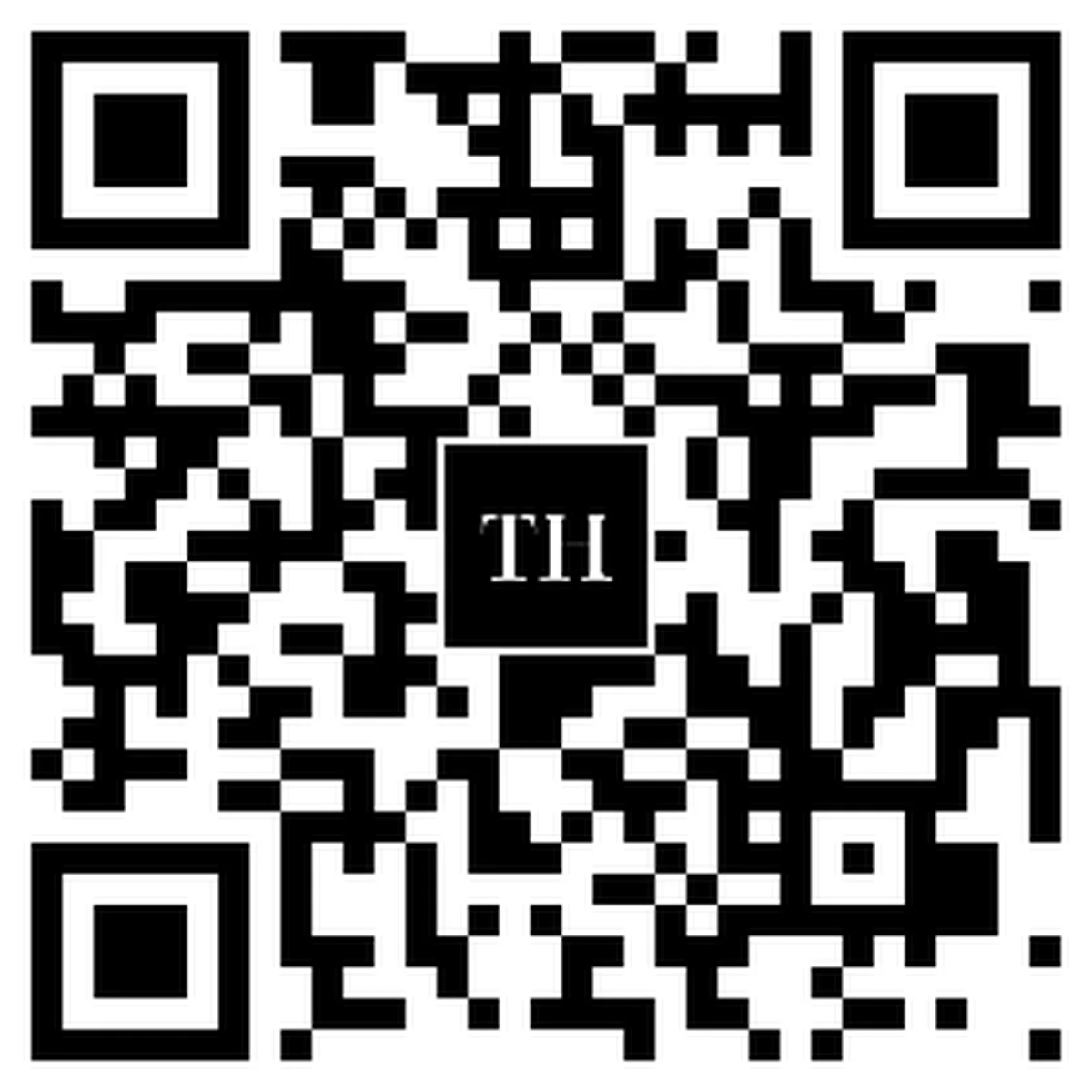
The partnership with The Hindu, a venerable institution renowned for its comprehensive and credible journalism, further amplifies the reach and impact of this initiative. The Hindu not only brings its vast readership but also its editorial expertise to moderate the session, ensuring a structured and insightful discussion. This collaboration is a continuation of a shared vision to inform, educate, and empower individuals to make well-considered career choices and adapt to the rapidly evolving professional world. Registration for this significant event is facilitated through a dedicated online portal, https://newsth.live/THSRMFE, and a convenient QR code, simplifying access for all prospective attendees eager to engage with this pivotal topic.
Supporting Data: The Digital Revolution in Healthcare
The discourse surrounding the future of medicine is inextricably linked to the exponential growth and integration of technology. The last decade alone has witnessed a paradigm shift, moving healthcare from a largely analog, reactive model to an increasingly digital, proactive, and data-driven one.

Artificial Intelligence (AI) as a Clinical Partner:
AI’s influence spans virtually every facet of medicine. In diagnostics, machine learning algorithms are revolutionizing image analysis, enabling radiologists to detect subtle anomalies in X-rays, MRIs, and CT scans with unprecedented speed and accuracy, often surpassing human capabilities in specific tasks. Pathologists leverage AI for rapid analysis of tissue samples, aiding in early cancer detection. Predictive analytics, another AI marvel, sifts through vast datasets of patient information to identify individuals at high risk for certain diseases or adverse events, allowing for targeted preventative interventions. Beyond diagnostics, AI is accelerating drug discovery and development, sifting through molecular libraries, predicting drug efficacy, and optimizing clinical trial design, drastically reducing the time and cost associated with bringing new therapies to market. Furthermore, AI-powered tools are personalizing medicine by analyzing a patient’s genetic makeup, lifestyle, and environmental factors to tailor treatment plans for optimal outcomes.
Robotics: Precision and Efficiency in Practice:
Surgical robots, such as the widely recognized Da Vinci system, have transformed complex procedures, offering surgeons enhanced dexterity, tremor reduction, and magnified 3D visualization. This translates into minimally invasive surgeries, resulting in smaller incisions, reduced blood loss, faster recovery times, and decreased post-operative pain for patients. Beyond the operating theatre, robotics are being deployed in rehabilitation, assisting patients in regaining mobility and strength through guided exercises. In hospitals, automated guided vehicles (AGVs) are streamlining logistics, transporting medications, lab samples, and supplies, freeing up nursing staff to focus on direct patient care.
Digital Health: Expanding Access and Empowering Patients:
The COVID-19 pandemic dramatically accelerated the adoption of telemedicine, proving its efficacy in delivering remote consultations, follow-ups, and even chronic disease management. Telemedicine has democratized access to specialists, particularly for patients in rural or underserved areas, overcoming geographical barriers. Digital consultations via secure platforms allow patients to interact with healthcare providers from the comfort of their homes, improving convenience and reducing wait times. Electronic Health Records (EHRs) have become the backbone of modern healthcare, centralizing patient data, enhancing interoperability between different providers, and improving decision-making through readily accessible, comprehensive information. Wearable technology, from smartwatches tracking heart rates and sleep patterns to continuous glucose monitors, empowers individuals to actively monitor their health, providing valuable data for both personal wellness management and clinical assessment.
The Ethical Imperative:
While the benefits are undeniable, the rapid technological surge in healthcare presents significant ethical considerations. Data privacy and security remain paramount concerns, particularly with the proliferation of sensitive patient information across digital platforms. The potential for algorithmic bias in AI systems, where historical data reflecting societal inequities could lead to discriminatory outcomes in diagnostics or treatment recommendations, requires careful scrutiny and mitigation strategies. Questions of accountability arise when AI makes critical decisions – who is responsible if an AI-driven diagnosis is incorrect? Furthermore, maintaining the "human touch" – empathy, compassion, and the psychological support inherent in the patient-doctor relationship – in an increasingly technology-mediated environment is a continuous challenge that needs proactive solutions.
Evolving Debates: Specialisation vs. General Practice & Education Reform:
The increasing complexity of medical knowledge and technology often drives a trend towards specialization. However, the webinar will explore if this trend is sustainable or if technology, by making information more accessible and facilitating remote consultations, could empower a new breed of highly capable general practitioners who leverage digital tools for holistic patient management.
Crucially, the transformation mandates a fundamental rethinking of medical education. Future doctors need more than just clinical knowledge; they require strong digital literacy, an understanding of data analytics, proficiency in using AI tools, and robust training in the ethical implications of technology. Curricula must evolve to include interdisciplinary collaboration, communication skills for virtual care, and a focus on lifelong learning to keep pace with rapid technological advancements. The panel will undoubtedly highlight the need for dynamic reforms that prepare medical students not just for the present, but for the unforeseen challenges and opportunities of the future.
Official Responses and Expert Perspectives
The forthcoming webinar represents a confluence of institutional vision and individual expertise, each panelist bringing a unique lens to the multifaceted discussion.

From the Organizers:
A spokesperson from SRM Institute of Science and Technology emphasized the institution’s pioneering role in preparing future professionals. "At SRM, we are acutely aware that the doctors of tomorrow will practice in a fundamentally different environment than those of today. Our commitment extends beyond imparting traditional medical knowledge; it’s about fostering adaptability, critical thinking, and ethical leadership in a tech-infused world. This webinar, in partnership with The Hindu, is a testament to our dedication to shaping well-rounded, future-ready healthcare providers who can harness technology’s power while never losing sight of the patient’s well-being."
The Hindu echoed this sentiment, highlighting its role as a platform for critical societal discourse. "As a responsible media organization, The Hindu believes in facilitating informed conversations on topics that profoundly impact our society," stated a senior editor. "The nexus of medicine and technology is one such vital area. We are proud to collaborate with SRM Institute of Science and Technology to bring together such distinguished panelists, ensuring that our readers and the wider public gain valuable insights into how healthcare will evolve and what it means for both practitioners and patients."
Insights from the Panelists:
Dr. R. Jayanthi, Dean, SRM Medical College Hospital and Research Centre, is expected to articulate the practical challenges and opportunities within a large teaching hospital. "Integrating AI into diagnostics or robotics into surgery isn’t just about acquiring the technology; it’s about seamlessly weaving it into existing clinical workflows, training our staff, and ensuring patient safety and acceptance," Dr. Jayanthi might observe. "My focus will be on how we, as educators, can equip our students with the hands-on experience of these tools while instilling the paramount importance of clinical judgment and human empathy. Technology is a tool, not a replacement for the compassionate physician."
Dr. Vivek Narayanan, Dean (Dental), SRM Kattankulathur Dental College and Hospital, will provide a specialized perspective from the rapidly advancing field of dentistry. "Digital dentistry is already here, from intraoral scanners replacing traditional impressions to CAD/CAM technology for same-day crowns and 3D printing for prosthetics," Dr. Narayanan might explain. "We’re seeing teledentistry expand access to oral healthcare. The challenge in dental education is to ensure our graduates are not just skilled clinicians but also digital experts, capable of leveraging these innovations for precision, efficiency, and superior patient outcomes, while addressing the unique ethical considerations in dental data management."
Ritubhan Gautam, Head – Global Health, Deep Tek.ai, will offer an invaluable industry perspective on the cutting edge of AI in healthcare. "At Deep Tek.ai, we witness daily how AI can augment human capabilities, from early disease detection to personalized treatment recommendations," Mr. Gautam might elaborate. "My contribution will focus on the real-world applications of AI in global health, how these technologies are making healthcare more accessible and affordable, and the crucial need for ethical AI development that is transparent, fair, and addresses health equity across diverse populations."
Dr. K. Ganapathy, Honorary Distinguished Professor, IIM Jammu, Distinguished Professor, Tamil Nadu Dr. MGR Medical University, and Emeritus Professor, National Academy of Medical Sciences, a veteran in medical education and policy, will provide a high-level strategic overview. "The future of medicine demands not just technological prowess but also a profound understanding of policy, ethics, and interdisciplinary collaboration," Dr. Ganapathy might state. "I will be emphasizing the need for robust medical education reforms that prepare doctors for leadership roles in a tech-driven world, advocating for a curriculum that embraces data science, ethical governance of AI, and fosters a multi-disciplinary approach to problem-solving in healthcare. The debate between specialization and general practice also needs to be reframed in this context – perhaps technology empowers the generalist to be a more effective orchestrator of care."

Implications and the Path Forward
The implications of this transformative era in medicine are vast and touch upon every stakeholder in the healthcare ecosystem. For healthcare delivery systems, technology promises unparalleled efficiency, reduced costs through optimized resource allocation, and enhanced patient safety through error reduction. It holds the potential to significantly improve accessibility, bridging geographical divides and reaching underserved populations through remote care models. The overall quality of care stands to improve through more precise diagnostics, personalized treatments, and continuous monitoring.
For medical professionals, the landscape of career paths is expanding. Beyond traditional clinical roles, there will be increasing demand for doctors who specialize in health informatics, medical AI ethics, telemedicine leadership, and clinical data science. The core skills will shift from rote memorization to critical evaluation of AI outputs, complex problem-solving, inter-professional collaboration (especially with data scientists and engineers), and advanced communication skills tailored for virtual interactions. Lifelong learning will not just be an advantage but a necessity.
Patients stand to be significantly empowered. Access to their own health data, personalized treatment plans, and convenient remote consultations can foster greater engagement in their healthcare journey. Improved diagnostic accuracy and more effective treatments promise better health outcomes and quality of life. However, patients will also face new challenges related to data privacy, understanding complex technological interventions, and potentially navigating a more impersonal healthcare experience if the human element is not carefully preserved.
This webinar serves as a critical forum for shaping these discussions. By bringing together diverse perspectives, it aims to:
- Inform: Equip current and future medical professionals with an understanding of the technological shifts.
- Inspire: Encourage innovation and adaptability in healthcare practice and education.
- Guide: Offer frameworks for ethical integration of technology and maintaining patient-centred care.
- Catalyze Action: Prompt educators, policymakers, and industry leaders to collaborate on creating a sustainable and equitable future for healthcare.
The future doctor will indeed be a hybrid practitioner – a compassionate healer grounded in clinical acumen, yet fluent in the language of algorithms, robotics, and digital platforms. The SRM-The Hindu webinar on August 29, 2026, is not merely an event; it is a call to action, an invitation to participate in shaping a future where technology serves humanity’s most profound need: health and well-being. All interested parties, from aspiring medical students to seasoned practitioners, policymakers, and technology enthusiasts, are strongly encouraged to register and contribute to this vital conversation, ensuring a future where medical innovation and human care advance hand-in-hand.
