

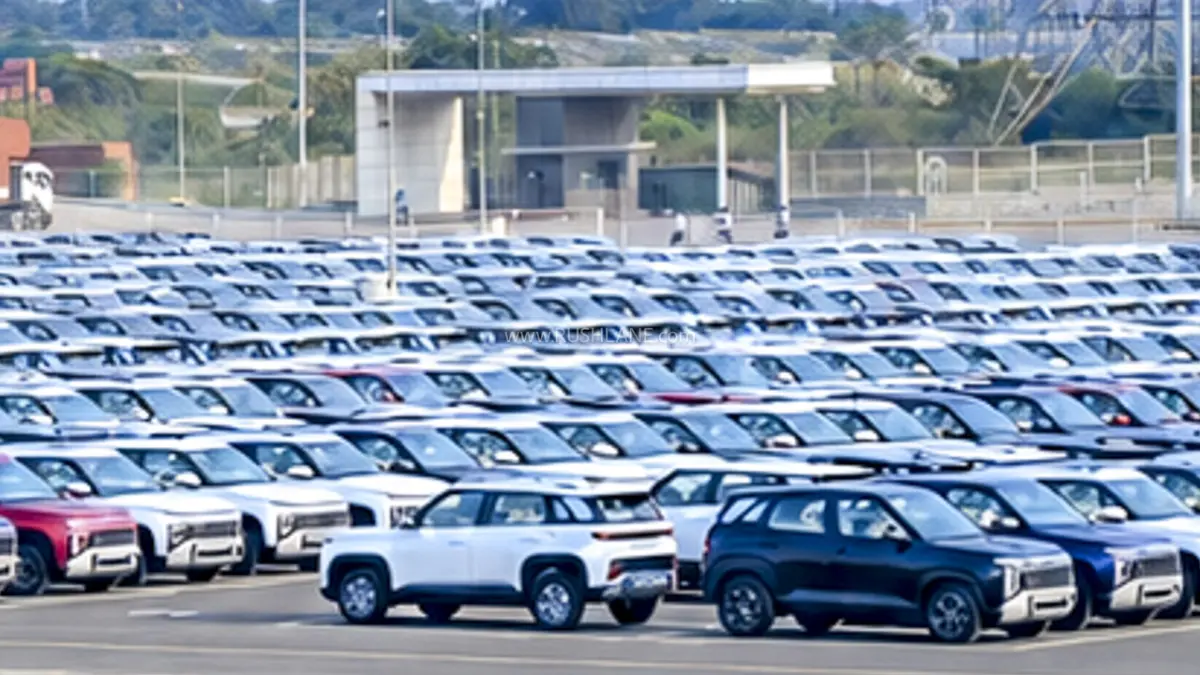
PUNE, MAHARASHTRA – In a move that signals a paradigm shift in the Indian automotive landscape, Hyundai Motor India Limited (HMIL) officially inaugurated its highly anticipated manufacturing facility in Talegaon, Pune, on October 14, 2026. The ceremony, attended by high-ranking government officials and global automotive leaders, marks the beginning of a new chapter for the South Korean giant as it celebrates three decades of operations in the Indian subcontinent.
The facility, acquired from General Motors in 2023 and extensively retooled, represents a phased investment of up to Rs 11,000 crore. This massive capital infusion is designed to bolster Hyundai’s production capacity, integrate cutting-edge Industry 4.0 technologies, and prepare the brand for a future dominated by diverse powertrains, including internal combustion engines (ICE), hybrids, and electric vehicles (EVs).
Main Facts: A Strategic Expansion of Scale and Tech
The inauguration of the Pune plant is not merely an addition to Hyundai’s balance sheet; it is a strategic cornerstone of the "Hyundai Motor Group (HMG) India Investment Programme," which recently saw a commitment of USD 15.5 billion for the period between 2026 and 2032.
Capacity and Production Milestones
At its current stage, the Pune facility boasts an installed annual production capacity of 1.70 lakh vehicles. however, this is only the starting point. Hyundai has outlined a clear roadmap to scale this capacity to 3.20 lakh units annually by 2030. When combined with the existing massive operations in Chennai, Hyundai Motor India’s total manufacturing capability will soar to nearly 11.4 lakh vehicles per year.

Furthermore, the site is not just for vehicle assembly. It houses a sophisticated engine shop capable of producing 1.50 lakh engines per year, ensuring a vertically integrated supply chain that supports the high-volume manufacturing demands of both domestic and international markets.
The Export Powerhouse
The facility has already proven its mettle. Production at the site commenced in the fourth quarter of 2025 with the rollout of the new Hyundai Venue. Crucially, the Pune plant has been designated as the exclusive manufacturing hub for the new Venue, with units being shipped to over 35 countries. This reinforces Hyundai’s position as a primary export hub within the global Hyundai network.
Chronology: From Acquisition to Industry 4.0
The journey to the October 2026 inauguration is a testament to rapid industrial turnaround and strategic foresight.
- 2023: The Strategic Acquisition: Following General Motors’ exit from the Indian market, Hyundai moved decisively to acquire the Talegaon facility. This acquisition was critical as Hyundai’s Chennai plants were reaching peak capacity utilization.
- 2024–2025: Retooling and Digital Transformation: Hyundai spent nearly two years overhauling the facility. This wasn’t a mere cleaning of the floors; it was a complete digital rebirth. The plant was integrated with Hyundai’s "E-FOREST" platform, a global standard for smart manufacturing.
- Q4 2025: Initial Production Rollout: The first units of the new Hyundai Venue began rolling off the assembly lines, marking the operational success of the facility ahead of its formal inauguration.
- October 13, 2026: The $15.5 Billion Announcement: Just twenty-four hours before the Pune inauguration, Hyundai Motor Group announced its massive multi-billion dollar investment plan for India, setting the stage for the Pune plant’s long-term role.
- October 14, 2026: Formal Inauguration: The plant was officially dedicated to the nation in the presence of Maharashtra Chief Minister Devendra Fadnavis and Hyundai Motor Group Executive Chair Euisun Chung.
Supporting Data: The Technology and Economic Footprint
The Pune plant is being hailed as one of the most advanced automotive factories in the world. Its reliance on data, artificial intelligence, and human-centric design sets a new benchmark for the "Make in India" initiative.

Industry 4.0 and AI Integration
The facility utilizes AI-based quality inspection systems that can detect microscopic defects in real-time, far surpassing the capabilities of traditional manual checks. Predictive maintenance algorithms analyze machinery performance to prevent downtime before it occurs, while digital twin simulations allow engineers to test production line changes in a virtual environment before implementing them physically.
Safety has also seen a tech upgrade. AI-enabled cameras and sensors monitor the shop floor to ensure workplace safety, automatically flagging potential hazards. This commitment to excellence earned the facility the prestigious 2026 Red Dot Award for people-centric workplace design, highlighting that the plant is built for the well-being of its workers as much as for the efficiency of its robots.
The Hybrid and EV Readiness
One of the most significant technical data points is the flexibility of the production lines. The Pune facility is "powertrain agnostic," meaning it can seamlessly switch between producing traditional petrol/diesel cars and hybrid models. While Hyundai has remained tight-lipped about specific timelines, industry analysts point toward the next-generation Creta Hybrid, expected in 2027, as a likely candidate for the Pune assembly lines.
Socio-Economic Impact in Maharashtra
The ripple effect of Hyundai’s investment is felt throughout the region:

- Supplier Ecosystem: 55 supplier partners have established bases in Maharashtra, contributing an additional Rs 4,600 crore in investment.
- Localized Sourcing: Nearly 50% of the supplier network is located within a 50-kilometre radius of the Talegaon plant, significantly reducing logistics costs and carbon footprint.
- Job Creation: The combined ecosystem of HMIL and its Tier 1 and Tier 2 vendors has generated over 18,000 employment opportunities in the state.
Official Responses: Vision from the Leadership
The inauguration ceremony was a high-profile gathering of political and industrial heavyweights, each emphasizing the symbiotic relationship between Hyundai and the Indian economy.
Shri. Devendra Fadnavis, Chief Minister of Maharashtra, lauded the move, stating, "Hyundai’s decision to invest Rs 11,000 crore in Talegaon is a resounding vote of confidence in Maharashtra’s industrial infrastructure. This facility will not only create thousands of jobs but will also position our state as a global leader in advanced automotive manufacturing."
Mr. Euisun Chung, Executive Chair of Hyundai Motor Group, highlighted the emotional and strategic connection to the country: "India has been a second home for Hyundai for 30 years. As we celebrate 40 lakh cumulative exports and 1 crore domestic sales, this Pune plant represents our commitment to ‘Progress for Humanity’ through innovation, sustainability, and shared prosperity with the Indian people."
Mr. Tarun Garg, Managing Director & CEO of HMIL, focused on the operational future: "The phased investment at this facility will support our aggressive product offensive. With the capability to produce hybrids and the integration of AI in manufacturing, we are ensuring that Hyundai India remains at the forefront of the mobility revolution."

Implications: What This Means for the Future
The opening of the Pune plant carries deep implications for the Indian automotive sector and Hyundai’s global strategy.
1. Dominance in the Export Market
By reaching the milestone of 40 lakh cumulative exports, Hyundai has cemented its status as India’s largest passenger vehicle exporter. The Pune plant, with its proximity to major shipping ports on the western coast, is perfectly positioned to accelerate this growth. The facility will serve as the primary gateway for Hyundai’s "Made in India" vehicles to reach markets in the Middle East, Africa, and Southeast Asia.
2. The Hybrid Pivot
For years, the Indian market has seen a slow but steady shift toward electrification. However, the immediate demand for hybrids as a bridge technology is surging. The Pune plant’s ability to manufacture hybrids gives Hyundai a tactical advantage over competitors who may still be locked into ICE-only production lines. If the rumors of a 2027 Creta Hybrid hold true, Hyundai will have the manufacturing muscle to dominate the mid-size SUV hybrid segment.
3. Strengthening the R&D Backbone
The mention of 40 ongoing research projects with seven leading Indian institutes (covering battery tech and future mobility) suggests that the Pune plant is more than just a factory—it is a laboratory. By localizing R&D alongside manufacturing, Hyundai is reducing its dependence on global headquarters for market-specific innovations, allowing for faster turnaround times for India-specific models.

4. A Benchmark for "Make in India"
The transition from a mothballed GM plant to a Red Dot Award-winning AI-driven facility serves as a blueprint for how legacy industrial sites can be repurposed for the digital age. It aligns perfectly with the national agenda of self-reliance and high-tech manufacturing.
Conclusion
As Hyundai Motor India celebrates its 30th year, the inauguration of the Pune plant stands as its most significant milestone since the rollout of the first Santro in 1998. With a total domestic footprint now approaching 1.2 million units annually, a deep-rooted supplier network, and a clear path toward hybridization and AI-driven quality, Hyundai is no longer just a participant in the Indian market—it is one of its primary architects.
The road ahead for Hyundai in India looks paved with high-tech innovation and global ambition. As the first Venue units from Pune begin their journey to international shores, the message is clear: the "Spirit of Pune" is now a global engine for Hyundai’s future.
