A Cloud Over Aichi-Nagoya: India’s Athletics Campaign Faces Uncertainty
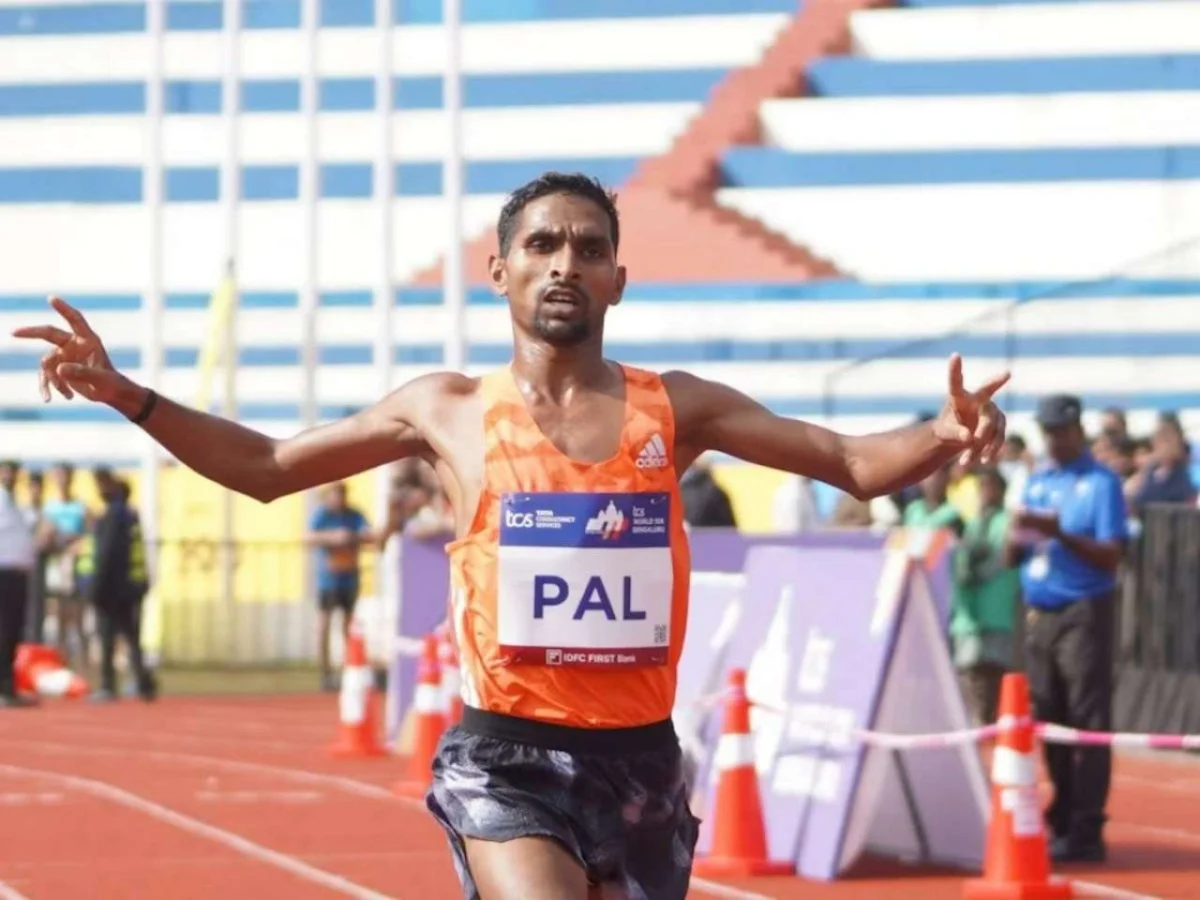
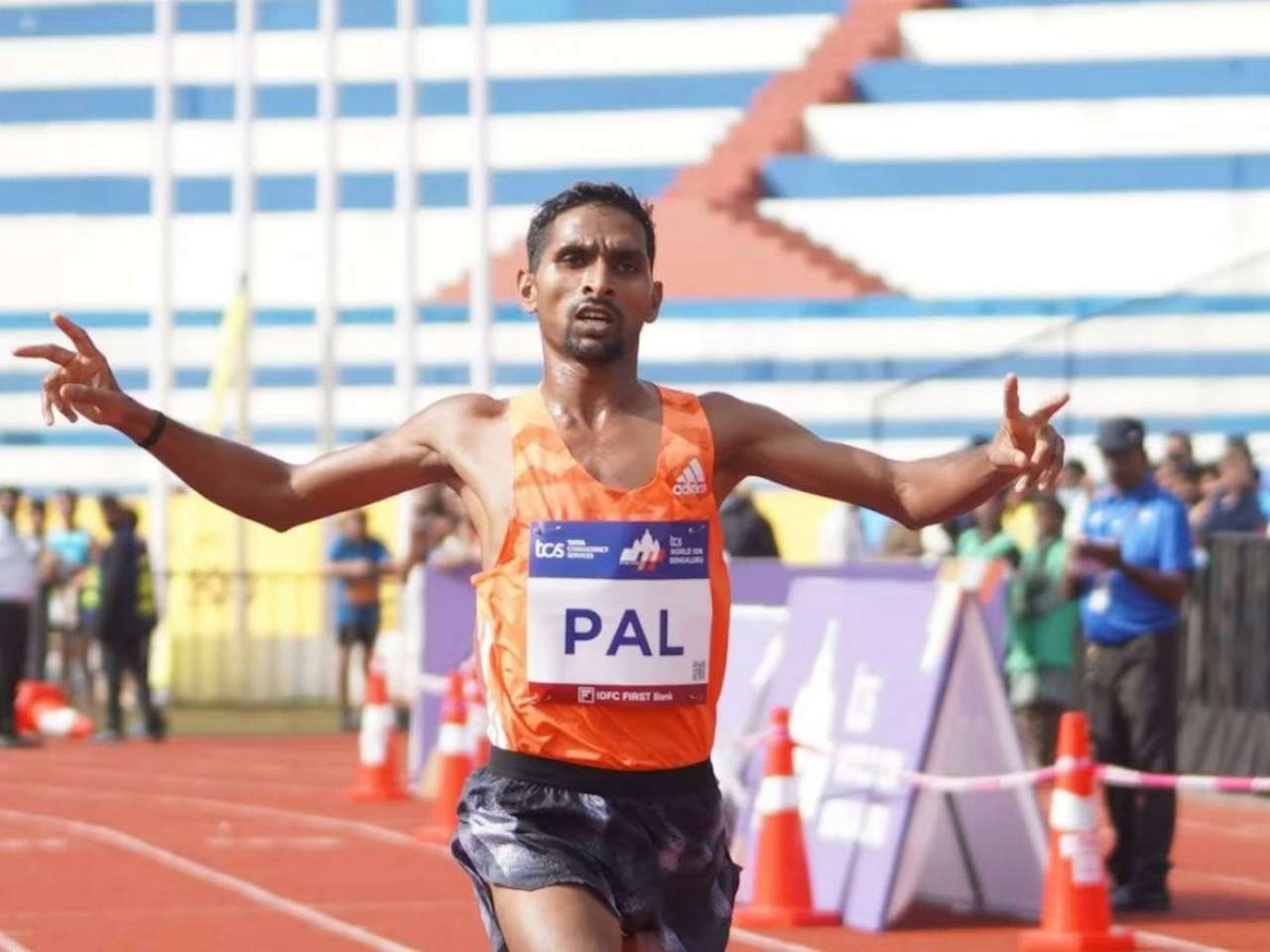
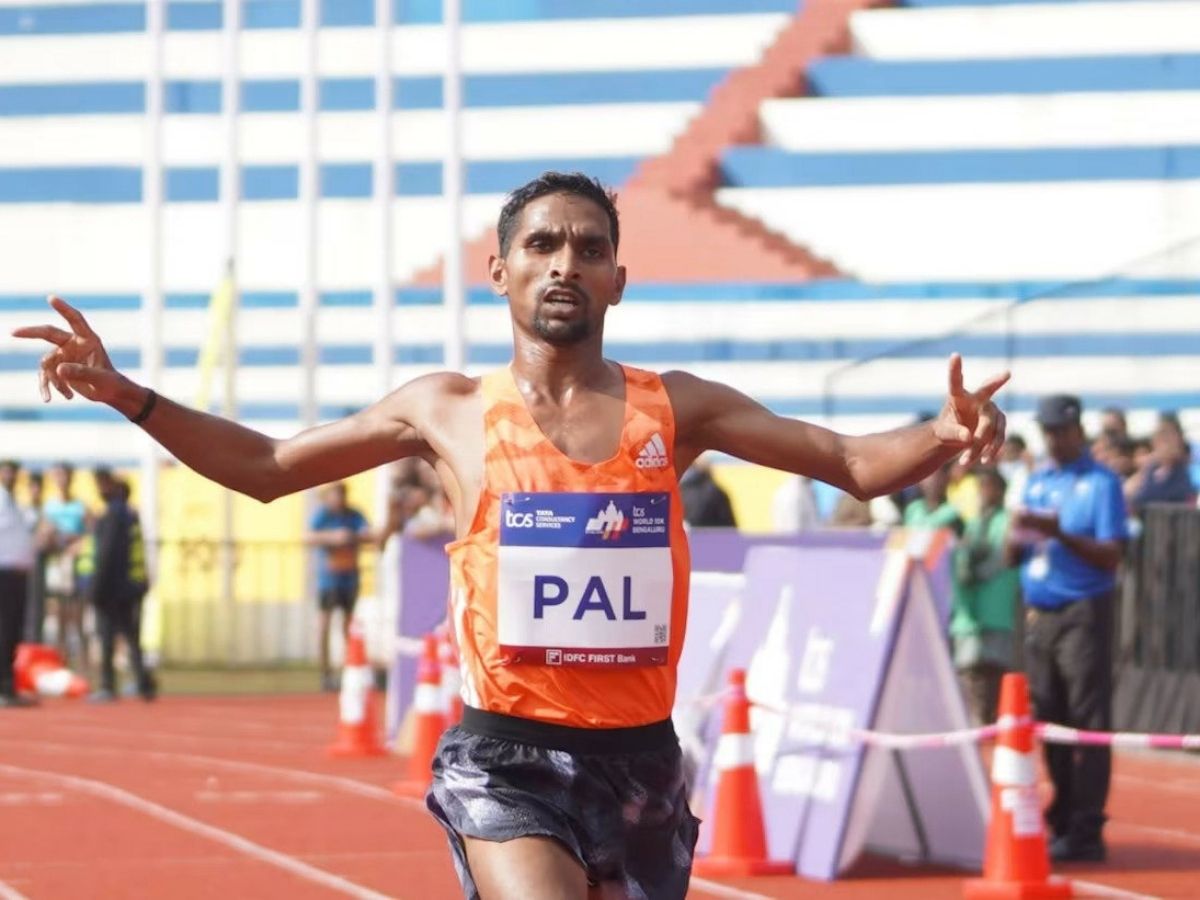
NEW DELHI, India – India’s preparations for the prestigious Asian Games 2026 in Aichi-Nagoya, Japan, have been dealt a significant blow, casting a pall over the nation’s athletics ambitions. Long-distance runner Abhishek Pal, a prominent figure expected to contend for medals in the gruelling 5,000m and 10,000m events, has reportedly received a doping notice from the National Anti-Doping Agency (NADA). This development sends ripples of concern through the Indian sporting fraternity, highlighting the persistent challenges of maintaining clean sport and potentially sidelining a key athlete just as the continental showpiece begins to loom on the horizon.
The news, first reported by The Tribune, suggests that a sample provided by Pal tested positive for clomiphene, a substance explicitly prohibited under the World Anti-Doping Agency (WADA) code. While typically associated with female infertility treatment, clomiphene’s presence in an athlete’s system raises serious questions due to its known capability to mask the use of anabolic steroids, thereby offering an unfair competitive advantage. As the investigation unfolds, the athletics community watches with bated breath, aware that the outcome could profoundly impact Pal’s career and India’s overall medal prospects at the 2026 Games.
The Unfolding Crisis: A Chronology of Events
The precise timeline of Pal’s doping notice and subsequent actions is crucial in understanding the gravity of the situation. While specific dates remain undisclosed, the general sequence of events, as gathered from reports, indicates a swift progression typical of anti-doping procedures:
- Sample Collection: As a member of NADA’s Registered Testing Pool (RTP), Abhishek Pal is subject to regular, out-of-competition and in-competition drug testing. It is understood that a sample, likely collected recently, was sent for analysis to a WADA-accredited laboratory. The RTP designation underscores the importance of such athletes in the national sporting ecosystem and the heightened scrutiny they face.
- Adverse Analytical Finding (AAF): The laboratory analysis of Pal’s sample revealed the presence of clomiphene, triggering an Adverse Analytical Finding. This finding signifies a potential violation of anti-doping rules.
- Issuance of Doping Notice: Following the AAF, NADA formally issued a doping notice to Abhishek Pal. This notice typically informs the athlete of the specific prohibited substance detected, the date of sample collection, and their rights and responsibilities, including the right to request the analysis of their B-sample.
- Athlete’s Response: Reports indicate that Pal has already submitted his response to NADA regarding the notice. This initial response is critical, as it allows the athlete to provide an explanation for the presence of the prohibited substance in their sample. This could range from claiming inadvertent ingestion, contamination, or a Therapeutic Use Exemption (TUE) if applicable (though clomiphene’s primary uses make a TUE for an athlete challenging).
- NADA’s Investigation: NADA is now tasked with thoroughly investigating Pal’s explanation. This phase involves reviewing all submitted evidence, potentially conducting further inquiries, and assessing whether the substance entered his system accidentally or intentionally. The agency’s decision will determine the next steps, including whether to proceed with formal charges or to dismiss the case.
- Potential Hearing: Should NADA find sufficient grounds to pursue a violation, Pal would face a disciplinary hearing before an Anti-Doping Disciplinary Panel (ADDP). Here, both the athlete and NADA would present their cases, and the panel would deliver a verdict and, if applicable, impose sanctions.
This sequence highlights the rigorous and multi-layered process designed to ensure fairness and uphold the integrity of anti-doping regulations. For Pal, each step is critical, as his career hangs in the balance.
Understanding Clomiphene: A Banned Substance with Complex Implications
The substance at the heart of this controversy, clomiphene, is not an anabolic steroid itself, but its classification as a "Specified Substance" by WADA and its mechanism of action make its detection highly problematic in sports.
Pharmacology and Therapeutic Use
Clomiphene citrate is a synthetic ovulatory stimulant belonging to the class of selective estrogen receptor modulators (SERMs).
- Mechanism of Action: In women, clomiphene works by blocking estrogen receptors in the hypothalamus, the part of the brain that regulates hormone production. This blockade tricks the hypothalamus into believing that estrogen levels are low, prompting it to increase the release of gonadotropin-releasing hormone (GnRH). GnRH, in turn, stimulates the pituitary gland to produce more follicle-stimulating hormone (FSH) and luteinizing hormone (LH). These hormones are crucial for the development and release of an egg from the ovary, making clomiphene an effective treatment for certain types of female infertility, particularly anovulation (lack of ovulation).
- Off-label Use in Men: While primarily prescribed for women, clomiphene is sometimes used off-label in men to treat secondary hypogonadism (low testosterone levels caused by issues in the pituitary or hypothalamus). By blocking estrogen receptors, it can stimulate the body’s natural production of testosterone.
Why It’s Banned in Sports
Clomiphene is included on WADA’s Prohibited List under the category of "Hormone and Metabolic Modulators." Its ban is not because it directly enhances performance like an anabolic steroid, but because it serves a crucial function in masking or recovering from the use of more potent performance-enhancing drugs.
- Post-Cycle Therapy (PCT) for Steroid Users: Anabolic steroid users often experience a suppression of their natural testosterone production during and after a steroid cycle. They also face elevated estrogen levels due to the aromatization of some steroids. Clomiphene, along with other SERMs, is frequently used in "post-cycle therapy" to:
- Restore Natural Testosterone: By stimulating LH and FSH, clomiphene helps kickstart the body’s endogenous testosterone production, preventing the severe dips in hormone levels that can lead to muscle loss, fatigue, and other undesirable side effects after discontinuing steroids.
- Mitigate Estrogenic Side Effects: While not a direct aromatase inhibitor, clomiphene’s estrogen receptor blocking action can help manage some estrogenic side effects like gynecomastia (enlargement of male breast tissue) that can arise from steroid use.
- WADA’s "Specified Substance" Classification: Clomiphene’s classification as a "Specified Substance" on the WADA Prohibited List is significant. This category includes substances that are more susceptible to inadvertent use, or which may have a legitimate medical use other than performance enhancement. While a positive test for a specified substance still constitutes an anti-doping rule violation, it allows for a potentially reduced sanction if the athlete can establish "no significant fault or negligence." This nuanced classification provides a pathway for athletes to argue for a lesser penalty if they can prove the substance entered their system unintentionally or without intent to cheat.
The "Below Threshold" Detail: A Ray of Hope?
The report stating that clomiphene levels were "below 2 nanograms per millilitre—the minimum reporting threshold" introduces a critical dimension to Pal’s case.
- Reporting Thresholds: For some substances, WADA sets minimum reporting thresholds to differentiate between significant intake and trace amounts that might result from contamination or endogenous production (though clomiphene is not typically endogenous). If a substance is detected below this threshold, it might not automatically lead to an AAF.
- Clomiphene’s Specificity: However, for clomiphene, its presence at any detectable level is generally considered a violation, especially given its role as a masking agent. The "minimum reporting threshold" might refer to the sensitivity limit of the testing method itself, meaning even a very small, yet detectable, amount could trigger a notice.
- Athlete’s Defense: A low concentration could form a key part of Pal’s defense, suggesting inadvertent ingestion from a contaminated supplement or medication taken for a legitimate, non-performance-enhancing reason (though this would require a strong evidentiary chain). It would be up to NADA to determine if such a low level could still provide a performance advantage or mask steroid use effectively. The burden of proof would still largely rest with the athlete to explain how the substance entered their system.
India’s Persistent Doping Woes: A Troubling History
Abhishek Pal’s case is not an isolated incident but rather another entry in a long and troubling history of doping in Indian athletics. This recurring problem has consistently tarnished the nation’s sporting image and undermined the efforts of clean athletes.
- A Recurring Nightmare: Over the past two decades, Indian athletics, particularly track and field, has been plagued by a series of high-profile doping scandals. From sprinters and middle-distance runners to throwers and weightlifters, numerous athletes have faced bans, often for substances like anabolic steroids, growth hormones, and various masking agents.
- The Relay Team Scandal (2011): One of the most infamous incidents involved multiple members of India’s women’s 4x400m relay team, including Commonwealth and Asian Games medalists, testing positive for anabolic steroids. This led to bans and significant embarrassment for the country.
- Underlying Issues: The prevalence of doping points to systemic issues, including:
- Lack of Education: Insufficient anti-doping education for athletes, coaches, and support staff, especially at grassroots levels.
- Pressure to Perform: Immense pressure on athletes to achieve results, sometimes leading to shortcuts.
- Questionable Support Systems: Concerns about the knowledge and ethical standards of some coaches, trainers, and nutritionists who may encourage or overlook banned substances.
- Availability of Banned Substances: The relatively easy access to performance-enhancing drugs and supplements, often unregulated or mislabelled.
- NADA’s Ongoing Battle: NADA, established in 2005, has been at the forefront of this battle, conducting thousands of tests annually. Despite its efforts, the persistent flow of positive cases indicates the magnitude of the challenge. The agency often faces criticism regarding its testing frequency, investigative powers, and the speed of its judicial process.
- International Scrutiny: India’s doping record has drawn international scrutiny, with WADA often urging stricter enforcement and more robust anti-doping programs. Each new case further erodes trust in India’s commitment to clean sport.
Official Responses and the Road Ahead
The formal process initiated by NADA will now involve a series of steps where various stakeholders will have roles to play.
Abhishek Pal’s Defense Strategy
Having already responded to NADA, Pal’s legal and anti-doping team will be meticulously building his defense. Possible lines of argument include:
- Inadvertent Ingestion: Claiming the substance entered his system through a contaminated supplement, food product, or medication taken without knowledge of its prohibited status. This would require rigorous proof, including analysis of the suspected source.
- No Significant Fault or Negligence: Given clomiphene’s "Specified Substance" status, Pal could argue that even if it was ingested, it was without significant fault or negligence on his part, aiming for a reduced sanction.
- Challenging Lab Results: Though rare and difficult, an athlete can challenge the integrity of the sample collection process or the accuracy of the laboratory analysis.
- Therapeutic Use Exemption (TUE): While unlikely for clomiphene in a male athlete, a TUE can be applied for if there is a legitimate medical need for a prohibited substance. However, this must be granted before the substance is taken.
NADA’s Role and Decision-Making
NADA’s primary objective is to protect clean athletes and uphold the integrity of sport. Its investigation will be thorough:
)
- Review of Evidence: NADA will meticulously review Pal’s explanation, supporting documents, and any additional evidence presented.
- Expert Consultation: The agency may consult medical and anti-doping experts to evaluate the plausibility of Pal’s claims.
- Sanctioning Guidelines: If a violation is established, NADA will apply the WADA Code’s sanctioning guidelines. For a "Specified Substance" like clomiphene, the standard ban is two years for a first offense if the athlete can prove it was not intentional. However, if intent to cheat is proven, or if the athlete cannot establish "no significant fault or negligence," the ban could be four years or more.
- Transparency: NADA is expected to maintain transparency throughout the process, though details are often kept confidential until a final decision is reached.
The Athletics Federation of India (AFI) and Indian Olympic Association (IOA)
These apex sporting bodies will likely issue statements emphasizing their commitment to clean sport and their support for NADA’s processes.
- Support for Due Process: They will stress the importance of due process for the athlete while also reiterating a zero-tolerance policy towards doping.
- Athlete Welfare: While upholding anti-doping rules, they might also offer counseling or support to the athlete during this challenging period.
- Scrutiny on Training Camps: The AFI, in particular, might face renewed pressure to scrutinize national and overseas training camps, especially given the history of coach Scott Simmons, under whom Pal trains. The fact that another trainee, Murali Gavit, is serving a four-year suspension for a different anti-doping violation, casts a shadow over the training environment and warrants attention from the federation.
Coach Scott Simmons’ Context
The mention of Pal training under coach Scott Simmons in Colorado Springs, and the previous doping ban of another Simmons’ trainee, Murali Gavit, adds another layer of complexity. While a coach is not automatically implicated by an athlete’s doping violation, a pattern of such incidents within a particular training group raises legitimate questions about:
- Coaching Philosophy: The coaching environment, the advice provided to athletes regarding supplements, and the emphasis on clean sport.
- Athlete Responsibility: Ultimately, athletes are held responsible for what they ingest, but coaches play a pivotal role in shaping an athlete’s understanding and adherence to anti-doping rules.
- Further Investigation: NADA or even WADA might consider further investigation into the training group if multiple violations suggest a systemic issue.
Profound Implications: For Pal, for India, and for Clean Sport
The doping notice against Abhishek Pal carries far-reaching implications, impacting not just the athlete but also the wider Indian sporting landscape and the global fight for clean sport.
For Abhishek Pal: A Career at the Crossroads
- Asian Games Dream Shattered? The most immediate and devastating consequence for Pal is the high probability of missing the Asian Games 2026. A minimum two-year ban, even for a "Specified Substance" with a successful "no significant fault" defense, would rule him out of the prestigious continental event, which is just over two years away.
- Reputational Damage: Regardless of the final verdict, the doping notice itself inflicts significant damage on Pal’s reputation. Years of hard work, dedication, and clean competition are now overshadowed by suspicion.
- Financial Loss: A ban would lead to a loss of income from prize money, endorsements, government funding, and potential job opportunities. The financial toll can be substantial, especially for athletes who rely solely on their sport for livelihood.
- Mental and Emotional Toll: The stress, uncertainty, and public scrutiny associated with a doping charge can have a severe impact on an athlete’s mental health, potentially leading to depression, anxiety, and a loss of motivation.
For Indian Athletics: Another Stain on the Image
- Erosion of Trust: Each doping scandal erodes public trust in Indian sports. It raises questions about the integrity of performances and casts a shadow over the achievements of clean athletes.
- Medal Prospects Affected: Pal was a strong contender in the 5,000m and 10,000m, events where India seeks to improve its standing. His potential absence creates a void in the national squad, impacting India’s medal tally projections for Aichi-Nagoya 2026.
- Renewed Scrutiny and Calls for Reform: The incident will undoubtedly lead to renewed calls for stricter anti-doping measures, more robust education programs, and greater accountability for coaches and support staff. There might be a push to re-evaluate overseas training programs and ensure adherence to anti-doping protocols.
- Funding and Support: Persistent doping issues can also impact government funding and corporate sponsorships for sports federations, as stakeholders demand greater accountability and assurance of clean practices.
For the Asian Games and Clean Sport:
- Integrity of Competition: Doping cases threaten the fundamental principle of fair play and the integrity of major sporting events like the Asian Games. They undermine the spirit of competition and the hard work of athletes who compete cleanly.
- Global Anti-Doping Efforts: Every positive case, regardless of the athlete’s nationality, reinforces the need for continued vigilance, sophisticated testing methods, and harmonized anti-doping efforts globally. It serves as a stark reminder that the fight against doping is an ongoing battle that requires unwavering commitment from all stakeholders.
As Abhishek Pal awaits NADA’s final decision, the Indian sporting community holds its breath. This incident is a harsh reminder that while India strives for global sporting excellence, the foundational pillar of clean sport must be rigorously upheld. The path forward for Pal is uncertain, but for Indian athletics, this setback necessitates introspection, reinforcement of anti-doping education, and an unyielding commitment to nurturing a culture of integrity and fair play. The true victory, after all, lies not just in medals but in the unwavering spirit of clean competition.