

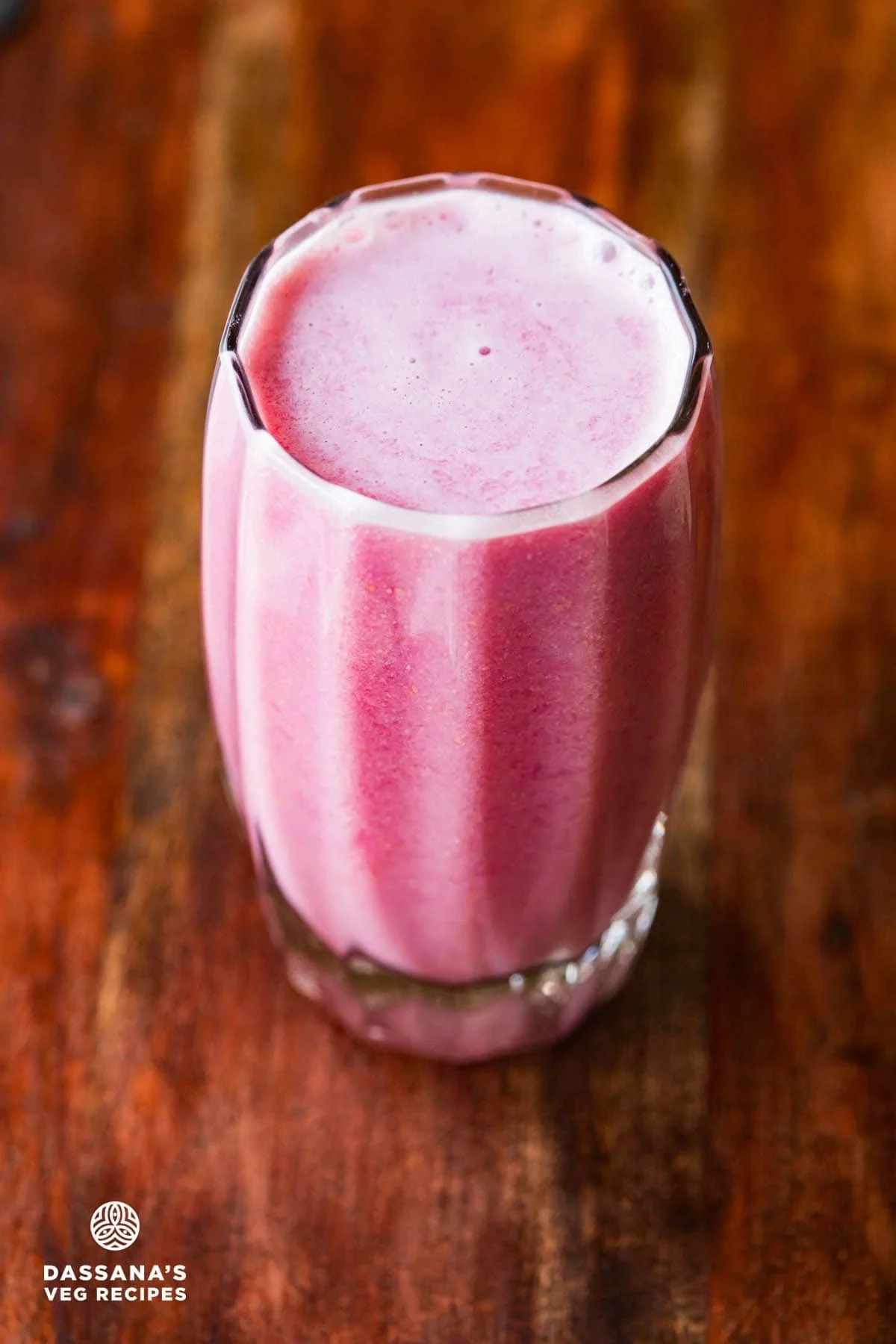
The global health and wellness industry has seen a significant shift toward "clean labeling" and DIY nutrition, with pomegranate juice—often referred to as Anar juice in South Asian culinary traditions—emerging as a frontrunner in the superfood category. While commercially bottled versions are widely available, the nuances of flavor, nutritional integrity, and the absence of preservatives have driven a resurgence in homemade juice extraction.
The following report details the methodology of preparing fresh pomegranate juice, the nutritional science behind the fruit, and the broader implications of incorporating this antioxidant-rich beverage into a modern diet.

Main Facts: The Essence of Pomegranate Extraction
Pomegranate juice is derived from the arils—the translucent, jewel-like seeds—of the Punica granatum fruit. Unlike many citrus juices that rely on simple pressure, pomegranate extraction requires a delicate balance to separate the sweet, tart liquid from the bitter pith and the hard inner seeds.
The Homemade Advantage
The primary motivation for home extraction is the preservation of the fruit’s natural profile. Commercial juices often undergo pasteurization, which can alter the delicate flavor compounds and degrade certain heat-sensitive vitamins. Furthermore, homemade versions are naturally free from added sugars, corn syrup, and artificial colorants. The color of the juice serves as a visual indicator of the fruit’s variety and ripeness, ranging from a delicate pale pink to a deep, opaque ruby red.

Key Characteristics of High-Quality Juice:
- Flavor Profile: A sophisticated balance of natural sugars and acidity.
- Clarity: Depending on the filtration method, it can be clear or slightly pulpy.
- Nutrient Density: High concentrations of polyphenols, specifically punicalagins and anthocyanins.
Chronology: From Orchard Selection to Glass
The process of creating a superior pomegranate juice follows a specific chronological order, beginning long before the juicer is turned on.
Phase 1: Selection and Procurement
A successful extraction begins with the selection of the raw material. Expert culinarians suggest choosing fruits that feel heavy for their size, as weight is a primary indicator of juice content. The exterior should be firm and the skin should be taut, though the color of the skin is not always a reliable indicator of the arils’ sweetness. Varieties differ globally; some may have pale skins with dark arils, while others are uniform in color.

Phase 2: The Mess-Free Preparation (The Water Method)
One of the greatest deterrents to home juicing is the pomegranate’s propensity to stain surfaces and clothing due to its high tannin content. The chronological "best practice" for preparation involves:
- Capping: Slicing a thin layer off the top to expose the internal segments.
- Sectioning: Scoring the skin into quarters.
- Submersion: Placing the sections in a large bowl of water.
- Deseding: Manually loosening the arils under the water. This allows the heavy arils to sink while the bitter white pith and membranes float to the surface for easy removal.
Phase 3: Extraction Methodologies
Once the arils are cleaned and drained, the extraction follows one of two technological paths:

The Blender Method:
This is the most accessible method for home kitchens. The arils are pulsed briefly. The critical timing factor here is to avoid over-grinding; if the hard inner seeds are crushed, they release tannins that impart a gritty texture and a bitter aftertaste. The resulting mixture is then passed through a fine-mesh strainer.
The Electric Juicer Method:
Using a dedicated centrifugal or slow masticating juicer streamlines the process. This method typically yields a clearer juice and handles the separation of pulp and liquid automatically, though it requires more specialized equipment.

Supporting Data: Nutritional and Chemical Profile
The drive toward pomegranate consumption is supported by a robust set of nutritional data. A standard serving (approximately two medium pomegranates’ worth of juice) provides a dense array of micronutrients.
Nutritional Breakdown (Per 2-serving batch):
- Energy: Approximately 234 kcal.
- Macronutrients: 53g of carbohydrates (primarily natural fructose and glucose), 5g of protein, and 3g of healthy fats.
- Fiber: 11g (if some pulp is retained), aiding in digestive health.
- Vitamins: A significant source of Vitamin C (29mg) and Vitamin K (46µg), the latter being essential for bone health and blood coagulation.
- Minerals: High potassium levels (666mg) help regulate blood pressure and fluid balance.
Phytochemical Composition
Pomegranates are unique due to their high concentration of punicalagins, extremely potent antioxidants found in the juice and peel. Data suggests that pomegranate juice has antioxidant activity three times higher than that of red wine and green tea. These compounds are studied for their ability to reduce inflammation and protect the cardiovascular system by preventing the oxidation of LDL cholesterol.

Official Guidance: Expert Tips for Culinary Success
While the process seems straightforward, culinary experts and food scientists offer specific guidance to optimize the yield and flavor of the juice.
Managing Astringency
The "Official Response" from culinary experts regarding the common complaint of bitterness focuses on the "pith factor." Even small amounts of the white membrane can ruin a batch of juice. The water-submersion method is the recommended industry standard for ensuring 100% purity of the arils before they enter the extraction phase.

Temperature and Storage
Experts recommend juicing chilled fruit rather than adding ice to the finished product. Ice dilution alters the Brix level (sugar content) of the juice, muted the complex tartness.
- Short-term storage: Fresh juice should be consumed within 24 hours if refrigerated in glass containers.
- Long-term storage: Freezing the juice in ice-cube molds is an effective way to preserve the enzymes for use in smoothies or as a flavor enhancer for sparkling water.
The "Pulse" Technique
In the absence of a professional cold-press juicer, the "pulse" technique in a standard blender is the most critical instruction. Continuous blending for more than 10-15 seconds will inevitably break the seed coat, releasing bitter alkaloids that mask the fruit’s natural sweetness.

Implications: The Broader Impact of DIY Juicing
The shift toward homemade pomegranate juice has several cultural, economic, and health-related implications.
Health and Preventive Medicine
As the "Food as Medicine" movement gains traction, pomegranate juice is increasingly viewed as a functional food. Its high folate (107µg) and polyphenol content make it a staple for those looking to support heart health and combat oxidative stress. Regular consumption is associated with improved blood flow and potential anti-hypertensive effects.

Economic and Environmental Sustainability
By juicing at home, consumers bypass the significant environmental footprint of the commercial juice industry, which includes plastic bottling, pasteurization energy costs, and long-distance shipping. Economically, while pomegranates can be expensive depending on the season, the yield from 2-4 large fruits often proves more cost-effective than high-end "organic" bottled brands that may contain fillers or reconstituted concentrates.
Culinary Versatility
The implications of mastering pomegranate juice extend beyond the glass. This fresh extract serves as a foundational ingredient for:

- Reductions: Simmering the juice into a pomegranate molasses for use in Middle Eastern salads like Fattoush.
- Mixology: Providing a sophisticated, non-alcoholic base for "mocktails" or a vibrant addition to craft cocktails.
- Gastronomy: Using the acidity of the juice as a marinade for meats, which helps tenderize proteins while adding a complex flavor profile.
Conclusion
Homemade pomegranate juice represents the intersection of traditional culinary wisdom and modern nutritional science. By utilizing the water-extraction method and careful mechanical processing, individuals can produce a beverage that is superior in flavor and chemical integrity to its commercial counterparts. As consumers become increasingly wary of processed food systems, the simple act of juicing an Anar at home stands as a powerful statement of health autonomy and culinary skill.
