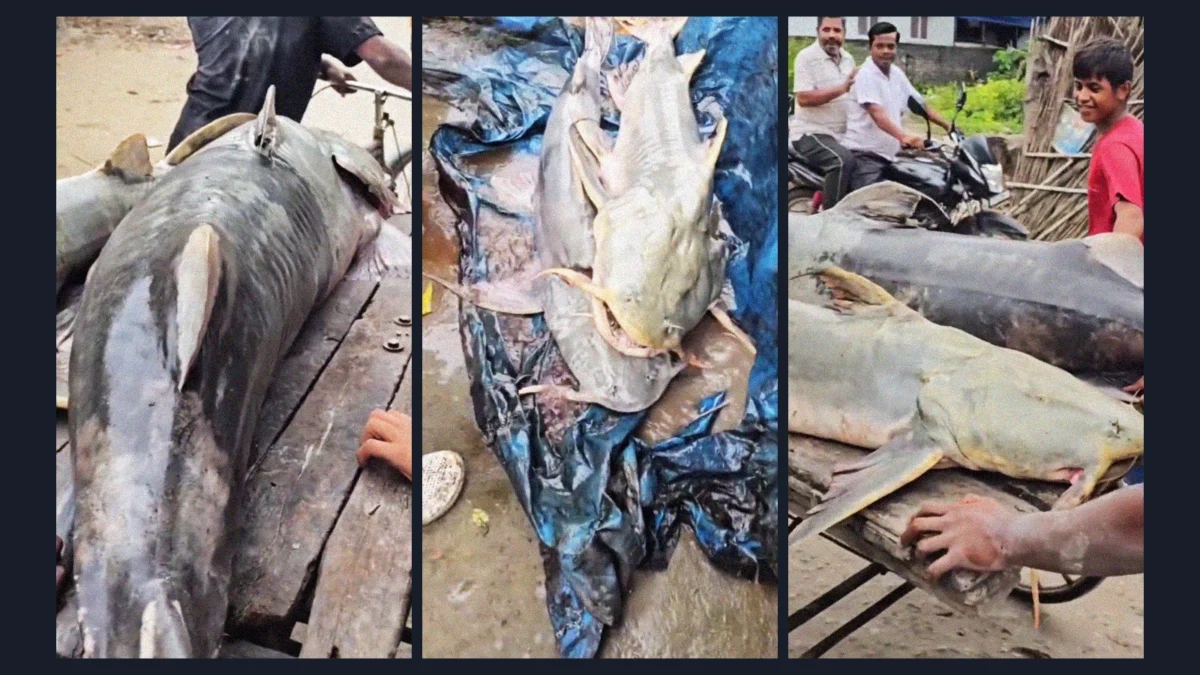
New Delhi – September 2, 2026 – In the wake of devastating flash floods that swept through Nepal and subsequently impacted regions of Bihar, the state’s Animal and Fisheries Resources Department has issued a stark warning to the public: refrain from buying, selling, or consuming fish caught in floodwaters. The advisory, disseminated through the department’s official X (formerly Twitter) handle, explicitly states, "Fish contaminated, advised to avoid eating," highlighting a critical public health concern that extends beyond the immediate aftermath of natural disasters.
The alarming directive stems from the understanding that floodwaters, often a chaotic confluence of natural water bodies, sewage channels, and animal waste, create an environment where fish can become exposed to a cocktail of harmful pathogens and pollutants. This contamination poses a significant risk of foodborne illnesses to unsuspecting consumers. Experts have elucidated the potential dangers, emphasizing that the issue lies not with the fish themselves, but with the compromised environment they are forced to inhabit during and after such catastrophic events.
The Silent Threat: How Floodwaters Compromise Fish Safety
The deluge brought about by natural disasters like the recent Nepal flash floods fundamentally alters aquatic ecosystems. Rivers, ponds, and even drainage systems can become indistinguishable, creating a widespread and unpredictable contamination zone. Dr. Saiprasad Girish Lad, a consultant gastroenterologist at Wockhardt Hospitals, Mumbai Central, explains the gravity of this situation. "During a flood, the usual boundaries between rivers, ponds, drains, and sewage channels disappear," he stated. "Fish can get swept into water contaminated with sewage, animal waste, dead animals, and other pollutants. This means the fish may carry microorganisms not normally present in their usual habitat."
The core concern, Dr. Lad clarifies, is the environmental exposure of the fish. "The concern is not about fish as a food itself, but about the environment they have been exposed to," he emphasized. "Until the water bodies return to normal and the fish are considered safe by the concerned authorities, it is better to avoid them." This precautionary principle is paramount, as visual inspection of fish caught in such conditions offers little assurance of safety.
Dr. Shankar Zanwar, a senior consultant gastroenterologist at Gleneagles Hospital, Mumbai, echoed this sentiment. He pointed out that fish sourced from contaminated waters may not exhibit any discernible differences in appearance, smell, or taste. This lack of outward indicators makes it exceedingly difficult for consumers to differentiate between safe and hazardous seafood, amplifying the risk of accidental consumption of contaminated fish.
The Perilous Consequences of Consuming Contaminated Fish
The immediate and most significant threat posed by the consumption of fish from flood-affected waters is the onset of foodborne illnesses. These illnesses can manifest in a variety of ways, depending on the specific contaminants the fish has been exposed to.
"Depending on what the fish has been exposed to, a person could develop vomiting, loose motions, abdominal cramps, nausea, or fever," explained Dr. Lad. He further elaborated on the potential severity of these symptoms, noting that "in some cases, contaminated food can cause significant dehydration, particularly in children, older adults, and people with other health problems. Certain bacterial and viral infections can also become more serious if treatment is delayed."
The vulnerability of certain demographic groups to severe complications from foodborne illnesses cannot be overstated. Young children, the elderly, and individuals with compromised immune systems are at a heightened risk of developing serious infections. Their bodies may be less equipped to fight off the pathogens, leading to more severe symptoms and a longer recovery period.
Beyond microbial contamination, floodwaters can also carry a dangerous cargo of chemical pollutants. Dr. Zanwar highlighted this additional layer of risk: "Floodwater can also contain chemical pollutants, which may accumulate in fish." These chemical contaminants, such as heavy metals or pesticides, can pose long-term health risks even if they do not cause immediate symptoms. Their bioaccumulation in the fish’s tissues means that regular consumption, even of small quantities, could lead to chronic health issues over time.
The Myth of Thorough Cooking: A False Sense of Security
A common misconception is that thorough cooking can render fish from contaminated sources safe for consumption. However, experts strongly advise against this assumption, stating that while cooking can mitigate some risks, it is not a foolproof solution.
"Cooking reduces the risk of many bacteria and parasites, but it should not be considered a guarantee of safety when the fish’s source is uncertain," Dr. Lad cautioned. He further elaborated on the potential for contamination during the entire process, from catch to plate. "There can also be contamination during handling, cleaning, and preparation. So, if the fish has been caught directly from floodwaters or is unfamiliar in appearance, the safest approach is simply not to consume it."
Dr. Zanwar reinforced this point, explaining that while heat can effectively kill many microorganisms, it does not necessarily eliminate all chemical contaminants or toxins. "Therefore, washing or thoroughly cooking a fish caught from contaminated floodwater does not guarantee that it is safe to eat," he stated. This underscores the critical importance of sourcing food from safe and reliable environments, especially when dealing with seafood.
Official Response and Public Advisory: A Proactive Stance
The proactive stance taken by Bihar’s Animal and Fisheries Resources Department underscores the seriousness of the situation. The department’s advisory, amplified through their X handle, serves as a crucial public awareness campaign to prevent potential health crises. The inclusion of official statements and advisories on social media platforms like X indicates a commitment to reaching a wider audience with timely and vital information.
Accompanying the advisory are visual aids and pronouncements from various government bodies, including the Dairy, Fisheries and Animal Resources Department of Bihar. These posts often include images or videos that reinforce the message and provide context to the warning. For instance, one post from the department read, "The Dairy, Fisheries and Animal Resources Department has issued an advisory regarding fish arriving in Bihar from Nepal. It has been warned that consuming fish that appear strange or unusual could lead to illness."
The use of hashtags such as #PublicAdvisory, #NepalFlood, #FloodAlert, #FishSafety, #DoNotEat, #DoNotSell, and #BiharGovernment on these posts ensures that the information is easily discoverable and reaches a broad spectrum of the public, including those actively seeking updates on disaster-related information.
Chronology of Events and Official Actions
The timeline of the advisory is directly linked to the devastating Nepal flash floods. While the exact date of the floods has not been specified in the provided text, the advisories from Bihar authorities are dated September 1, 2026, indicating a rapid response to the potential influx of flood-affected fish into the state.
- Late August/Early September 2026: Devastating flash floods occur in Nepal, impacting river systems that flow into India, including Bihar.
- August 31, 2026: A post on X by @MithilaWaaala highlights the potential arrival of "corpse-eating fish" from the Trishuli River in Bihar with floodwaters, raising initial concerns about the nature of fish entering the region.
- September 1, 2026: The Dairy, Fisheries and Animal Resources Department of Bihar issues a formal advisory warning against the consumption of fish from flood-affected areas. This advisory is widely disseminated across social media platforms.
- September 1, 2026: The Bihar Animal and Fisheries Resources Department reiterates the warning through its X handle, stating, "Fish contaminated, advised to avoid eating."
- September 2, 2026: News articles begin to emerge, elaborating on the scientific and health reasons behind the official advisories, featuring expert opinions and detailing the potential risks.
This swift action by the Bihar government demonstrates a proactive approach to safeguarding public health in the face of environmental challenges.
Supporting Data and Expert Opinions
The warnings issued by the Bihar government are not without a strong foundation in scientific understanding and expert consensus. The concerns raised by Dr. Lad and Dr. Zanwar are representative of the broader medical and scientific community’s understanding of waterborne and foodborne pathogens.
The potential for contamination extends to various types of microorganisms, including bacteria like Salmonella, E. coli, and Vibrio, which are commonly found in sewage and animal waste. Viral pathogens, such as Hepatitis A and Norovirus, can also contaminate water sources and subsequently be ingested by fish.
Furthermore, the bioaccumulation of heavy metals like mercury, lead, and cadmium in fish tissues is a well-documented phenomenon. These metals can disrupt neurological functions, impair development, and contribute to various chronic diseases. Pesticides and other industrial chemicals that may be present in floodwaters can also accumulate in fish, posing their own set of health risks.
The concept of "corpse-eating fish," mentioned in one of the X posts, while perhaps sensationalized, alludes to the potential for fish to consume decaying organic matter and even carcasses in polluted environments. This further increases the likelihood of them harboring harmful bacteria and pathogens.
Implications for Public Health and the Economy
The implications of this advisory are multifaceted, impacting both public health and the local economy.
Public Health: The primary implication is the prevention of widespread foodborne illnesses. By heeding the warning, residents of Bihar can significantly reduce their risk of experiencing debilitating symptoms, dehydration, and potentially life-threatening infections. The advisory also serves as a crucial educational tool, raising awareness about the invisible dangers that can accompany natural disasters.
Economic Impact: The fisheries sector is a vital part of the economy in many regions, including Bihar. The advisory, while necessary for public safety, will undoubtedly have an economic impact on fishermen, fish traders, and related businesses. Reduced demand for fish, particularly from uncertain sources, can lead to financial losses. However, the long-term economic consequences of a widespread public health crisis would be far more severe. The government may need to consider measures to support affected stakeholders and ensure that safe, commercially sourced fish remains available.
What to Do in Case of Accidental Consumption
For individuals who may have inadvertently consumed fish from flood-affected waters, experts offer guidance to mitigate potential harm.
"There is no need to panic if the person feels completely well, but they should monitor themselves for symptoms such as repeated vomiting, diarrhoea, abdominal pain, fever, dizziness, or breathing difficulty," advised Dr. Lad. He stressed the importance of seeking professional medical help if symptoms become severe or persistent.
"Persistent vomiting or diarrhoea can lead to dehydration and requires medical attention," he added. "Anyone developing significant or unusual symptoms after eating such fish should consult a doctor promptly rather than self-medicating." This advice underscores the importance of early intervention and professional medical care in managing potential foodborne illnesses.
In conclusion, the advisory from Bihar’s Animal and Fisheries Resources Department serves as a critical public health alert. The devastating impact of natural disasters often extends beyond immediate destruction, posing insidious threats to food safety and human well-being. By understanding the risks associated with consuming fish from flood-affected waters and adhering to official guidance, the public can protect themselves and their communities from preventable illnesses. The proactive measures taken by the authorities highlight the interconnectedness of environmental events, public health, and governmental responsibility in ensuring the safety and resilience of the population.