

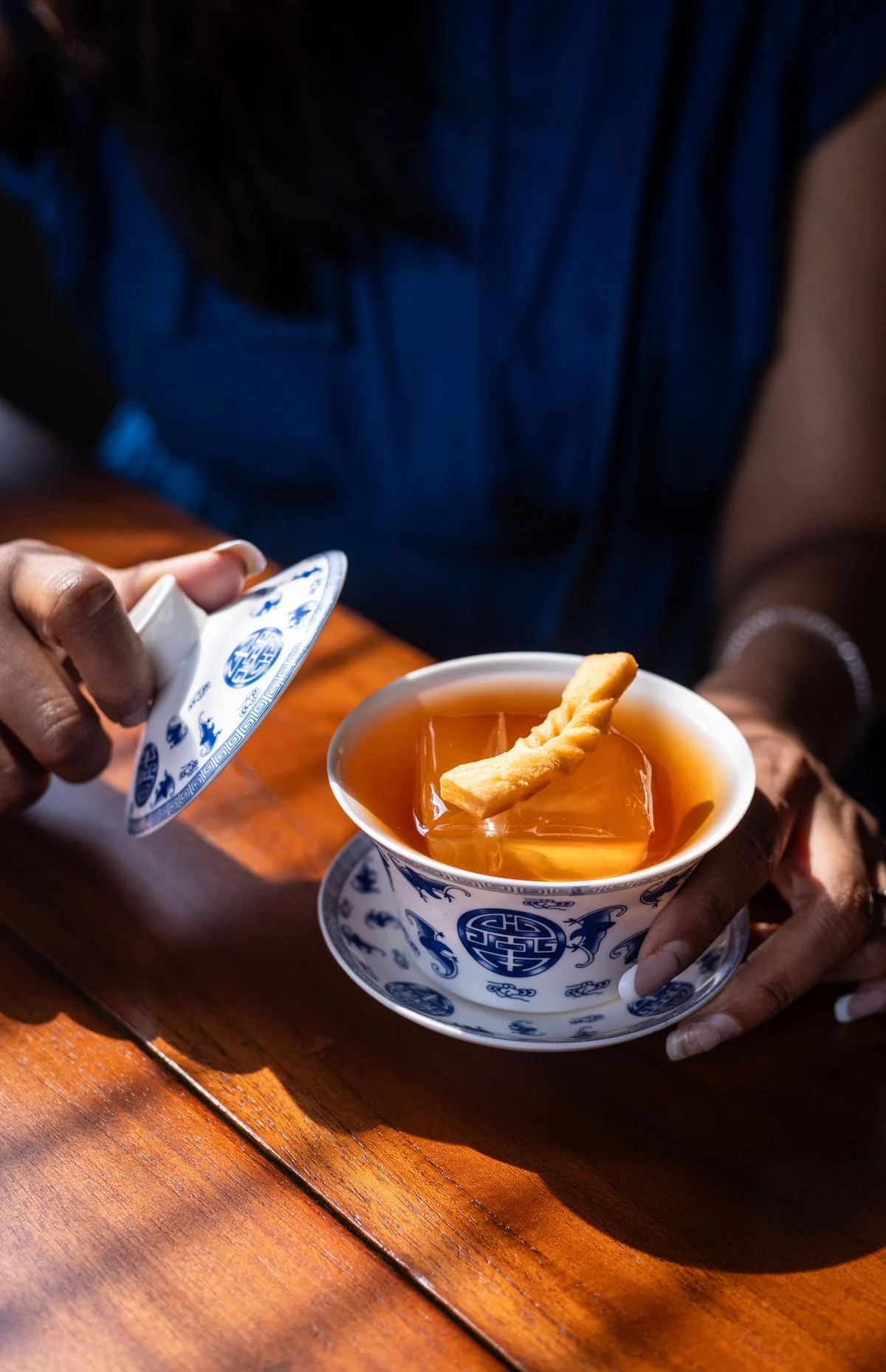
The arrival of the monsoon in India is more than a mere change in weather; it is a profound sensory transformation. As the parched earth finally meets the first torrential downpour, the air fills with petrichor—that unmistakable, earthy aroma that triggers a collective cultural nostalgia. Traditionally, this season has been synonymous with steaming cups of masala chai and crisp pakoras. However, a new wave of Indian mixologists and craft spirit founders is redefining the "rainy day" experience.
Across the country, from the fog-drenched hills of Meghalaya to the humid coasts of Goa and Chennai, the bar industry is distilling the essence of the monsoon into high-concept cocktails. By utilizing indigenous fruits like jamun and jackfruit, employing advanced techniques like ghee-washing and hydrosol distillation, and leveraging the unique terroir of rainwater itself, India’s beverage landscape is undergoing a seasonal revolution.

Main Facts: The Seasonal Shift in Indian Mixology
The modern Indian cocktail scene is moving away from standardized global menus toward a philosophy of hyper-localism and seasonality. This monsoon, the focus has shifted to "liquid landscapes"—drinks that do not merely accompany the rain but encapsulate its very atmosphere.
Several key trends define this year’s monsoon beverage offerings:

- The Capture of Petrichor: Bartenders are using earthen pot hydrosols and woody tea cordials to mimic the scent of rain on dry soil.
- Indigenous Fruit Integration: Fleeting seasonal fruits such as jackfruit, jamun (black plum), custard apple, and litchi are being preserved and transformed into bitters, jams, and syrups.
- Spirit Neutrality: There is a growing movement to debunk the myth that dark spirits are exclusively for cold weather and white spirits for the heat. Tequila and Gin are being reimagined with warming spices to suit the humid, cooler monsoon air.
- Geographical Terroir: Spirits like Cherrapunji Eastern Craft Gin are utilizing actual rainwater from the wettest places on Earth, creating a direct link between the bottle and the climate.
Chronology: From Summer Harvest to Monsoon Libations
The transition in India’s bar programs follows the rhythm of the agricultural calendar. As the intense heat of May and June fades, the bounty of the land shifts.
- Late Summer (Pre-Monsoon): Bars focus on the "King of Fruits," the mango. However, as the humidity rises, mixologists begin preparing preserves of litchi and mulberries to ensure these short-lived fruits last through the rains.
- The First Rain (The Petrichor Phase): This is the moment of peak inspiration for creators like Karan Dhanelia (Bartender of the Year 2026). The focus here is on "The First Rain" (Pehli Barish), utilizing ingredients that mirror the "woody warmth of wet tree bark."
- Peak Monsoon (The Heavy Harvest): By July and August, jackfruit in the South and jamun in the West reach their zenith. Mixologists like Karl Fernandes in Chennai begin the labor-intensive process of seed removal and jam-making to create "Breakfast Martinis" and "Whisky Sours" that carry the weight of the season.
- The Cooling Phase: As the season progresses, the focus shifts toward "warming" the palate. This is when butter-tea influences and spiced rum liqueurs become prominent, providing a "cuddle in a glass" against the damp chill.
Supporting Data: Recipes and Technical Methodologies
The sophistication of monsoon cocktails lies in the technical execution. Below are the specific formulations and methods currently leading the industry.

The Science of Petrichor: Pehli Barish
Karan Dhanelia’s signature serve, Pehli Barish, is a masterclass in atmospheric chemistry.
- Ingredients: 50ml Don Julio Blanco, 20ml Hojicha tea cordial, 90ml aerated earthen pot hydrosol with custard apple.
- Method: The glass is rimmed with black pepper to provide a sharp, ozonic hit, mirroring the electricity in the air before a storm. The earthen pot hydrosol is created by distilling the essence of clay, providing the literal taste of the earth.
The Himalayan Influence: Pho Cha
At The Brook and Sidecar in Delhi NCR, co-founder Minakshi Singh introduces the Pho Cha, a cocktail that borrows from the Tibetan tradition of butter tea.

- Technique (Ghee-Washing): The vodka is "fat-washed" with ghee. This involves mixing liquid ghee with the spirit, freezing it until the fat solidifies, and then straining it. This leaves the vodka with a silky mouthfeel and a nutty aroma without the greasiness.
- Composition: 45ml Ghee-washed vodka, 20ml tea wine, 5ml brown butter syrup, and 8 drops of Himalayan pink salt saline.
Preservation of the South: The Jackfruit Jam
Karl Fernandes of Roc-a-Coe emphasizes the use of jackfruit, a fruit that is "sweet, aromatic, and deeply nostalgic."
- The Base: A preserve made from 500g ripe jackfruit flesh, 500g castor sugar, and 15ml fresh lime juice.
- The Cocktail (Jackfruit Whisky Sour): 60ml whisky, 15ml fresh lime juice, and 2 bar spoons of the jackfruit jam, shaken vigorously and garnished with a rice wafer.
The Rainwater Spirit: Cherrapunji Eastern Craft Gin
Mayukh Hazarika, founder of Cherrapunji Eastern Craft Gin, has pioneered the use of rainwater in distillation.

- The Terroir: The gin features Khasi Mandarin and Kaji Nemu (Assamese lemon), combined with wild black pepper.
- The Serve (Burmese Coriander Smash): 60ml Gin, fresh coriander, 20ml lime juice, and 15ml sugar syrup. The herbaceous lift of the coriander is designed to cut through the heavy, misty atmosphere of the Northeast.
Official Responses: Insights from the Pioneers
The architects of these drinks view the monsoon not as a seasonal hurdle, but as a creative catalyst.
Minakshi Singh (Sidecar/The Brook):
"The monsoon in India is so important for our farmers, and the bounty we get during this season dictates our cocktails. We don’t buy into the myth of only dark spirits for cooler months. We balance white and dark; we have tequila, gin, and whisky on the menu. Tea is a huge part of the monsoon experience in the hills, so we integrate everything from butter tea to Darjeeling second flush."

Karan Dhanelia (World Class India Winner):
"There is a feeling every Indian knows—that first hit of rain on dry earth. Pehli Barish takes inspiration from exactly that. We use Don Julio Blanco because its earthiness mirrors the season, and hojicha tea adds that woody warmth."
Mayukh Hazarika (Cherrapunji Eastern Craft Gin):
"In many ways, drinking our gin during the rains feels like experiencing the landscape in liquid form. The Burmese Coriander Smash showcases the freshness of local ingredients from Meghalaya… it allows the gin’s subtle smoky finish to emerge gracefully."

Lolita Sarkar (Unusual Spirits, Goa):
On her riff on the Dark ‘n’ Stormy: "For Goa Dark, we are doing a simple twist called the Monsoon Ember. The warmth of the jaggery spirit combined with local kokum best expresses its wild nature."
Implications: The Future of the Seasonal Bar
The shift toward complex, monsoon-specific cocktail programs has several long-term implications for the Indian hospitality industry.

1. The Rise of "Brand India" in Spirits
The success of Cherrapunji Gin and Malhar Citrus Gin (inspired by Raag Malhar, the monsoon raga) suggests that Indian consumers are increasingly seeking spirits that tell a local story. The use of rainwater and indigenous botanicals is no longer a gimmick but a mark of quality and "terroir."
2. Sustainability and Zero-Waste
The emphasis on jams and preserves (as seen with Karl Fernandes’ jackfruit jam) highlights a move toward zero-waste. By preserving seasonal gluts of fruit, bars can reduce their carbon footprint and maintain unique flavor profiles year-round.

3. The Sophistication of Non-Alcoholic Options
The "Jamun Mint Fizz" by MONIN India demonstrates that the monsoon cocktail trend is inclusive. By using spiced jamun syrup and mojito mint, the industry is catering to the "sober-curious" demographic without compromising on the seasonal narrative.
4. Navigating Trademark and Tradition
The mention of the Dark ‘n’ Stormy trademark (owned by Gosling Brothers) highlights a growing legal awareness among Indian bar owners. Instead of infringing on global trademarks, Indian founders are creating their own "riffs," such as the Monsoon Ember, which uses local jaggery spirits and kokum, thereby creating a new, legally distinct category of Indian monsoon drinks.

5. Cultural Integration
By naming cocktails after Hindustani classical music (Raag Malhar) or traditional breakfasts, the bar industry is bridging the gap between "modern mixology" and "Indian heritage." This makes the cocktail culture more accessible to a wider demographic who may not be familiar with classic Negronis but deeply resonate with the taste of a spiced jamun or a ghee-washed spirit.
In conclusion, the Indian monsoon is no longer just a time to stay indoors with a hot beverage. It has become a season of high-altitude inspiration and deep-earth flavors. As bartenders continue to "distill petrichor," the glass in one’s hand is becoming a sophisticated map of India’s unique climatic and botanical identity.
