

The arid landscape of southern Tamil Nadu, punctuated by resilient palmyra trees and the occasional shade of a sprawling tamarind, belies a history of profound cultural and economic significance. This is Chettinad, the ancestral homeland of the Chettiar community, a group whose entrepreneurial spirit and far-reaching trade networks have left an indelible mark on both India and Southeast Asia for centuries. Today, as the echoes of their past resound through the magnificent, yet often decaying, ancestral homes, a dedicated movement is underway to safeguard this extraordinary heritage for generations to come. At the forefront of this preservation effort stands the M.Rm.Rm. Cultural Foundation, spearheaded by the visionary Visalakshi Ramaswamy, a staunch advocate for Chettinad revivalism.
The Genesis of a Trading Empire: The Chettiar Legacy
The Chettiar community, a proud and distinct mercantile group, historically built its fortune on astute trade and commerce. Their diaspora, spanning from the United States and Europe to the far corners of Southeast Asia, is a testament to their global reach. Yet, their hearts and ancestral roots remain firmly planted in the villages of Chettinad. These are the places they return to, with an almost unerring instinct, for the significant milestones of life: the joyous celebrations of festivals and weddings, and the solemn rituals of death ceremonies.

The very architecture of Chettinad speaks volumes about the community’s unique social fabric and economic realities. With men often away for extended periods, engaged in their global ventures, the women of the community were entrusted with the management of vast residential compounds. These were not mere houses, but self-contained fortresses, enclosed by high walls and designed with numerous rooms to accommodate large joint families. Within these secure havens, meticulous attention was paid to detail and comfort. Burma teak, imported from distant lands, was intricately carved with depictions of deities, reflecting their deep-seated spirituality. The kitchens were a marvel of seasonal bounty and foresight, stocked with provisions carefully preserved to withstand the rigors of the dry summer months. These homes were more than just residences; they were living embodiments of a community that thrived on resilience, foresight, and a profound sense of belonging.
A Race Against Time: The Imperative of Preservation
The poignant observation by Visalakshi Ramaswamy, co-author of the seminal work The Chettiar Heritage, underscores the urgency of the preservation efforts. "While working on the book… my job was to photograph the homes. Over the four years we put the book together, I saw so many Chettinad homes being broken down, their things sold, and so many elders who were guardians of the tradition dying," she recounts with evident concern. This stark reality fueled her determination to establish the M.Rm.Rm. Cultural Foundation, an organization dedicated to documenting, revitalizing, and safeguarding the tangible and intangible cultural assets of the Chettiar community.

The Museum of Chettinad: A Testament to a Bygone Era
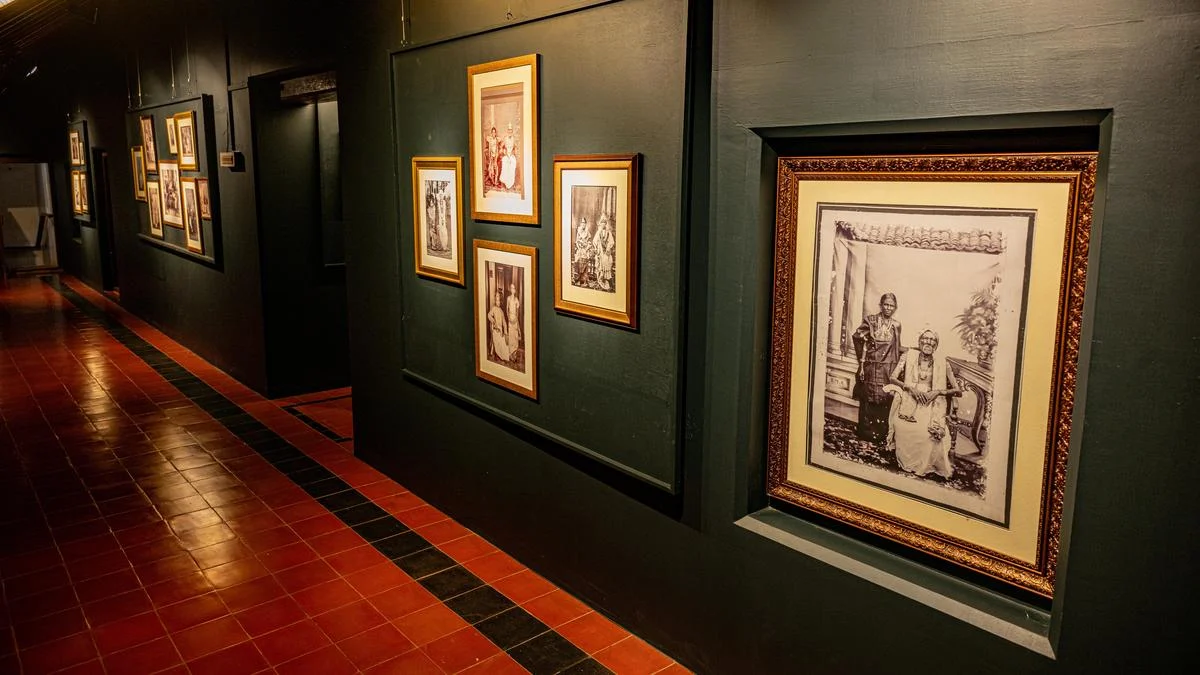
The culmination of Ramaswamy’s lifelong dedication to her heritage is the newly established Museum of Chettinad. Housed within her own 125-year-old ancestral home in Kanadukathan, the museum is not a sterile collection of artifacts but a living testament to the Chettiar way of life. It is an intimate journey into the heart of a community that shaped economies and fostered cultural exchange across continents.
A Glimpse into the Nagarathar Identity
The museum experience begins with an introduction to the Nagarathar community, the progenitor of the Chettiar traders. Here, visitors are immersed in the myths surrounding their origins and the historical factors that led them to settle in this particular arid region of Tamil Nadu. Visual narratives of community temples and vibrant festivals offer a compelling glimpse into the enduring traditions that continue to bind the community together, even as its members are dispersed across the globe.

Navigating the Routes of Commerce and Culture
As visitors move through the meticulously curated rooms, they embark on a fascinating exploration of the Nagarathars’ historical routes of commerce, migration, and religious practices. The traditional architecture of the ancestral home itself becomes an integral part of the narrative. Unlike conventional museums that often isolate artifacts in sterile display cases, the Museum of Chettinad allows the various crafts and objects of Chettiar domestic life to be experienced in their original context. This immersive approach fosters a deeper understanding and appreciation of how these items were woven into the very fabric of daily existence.
The museum showcases a rich collection of palm-leaf basket weaving, known as kottan, a craft that Ramaswamy has actively worked to revive. The iconic Chettinad sari, or kandangi, with its distinctive patterns and vibrant hues, is displayed alongside other traditional textiles. The ubiquitous Athangudi tiles, celebrated for their intricate designs and durability, are showcased not just as decorative elements but as integral components of Chettinad architecture. The distinctive Chettinad lime plaster, a sustainable and aesthetically pleasing building material, is also highlighted.

The Heart of the Home: Domestic Life and Women’s Resilience
A particularly evocative section of the museum is dedicated to the domestic life of the Chettiars. One of the first rooms to be curated by Ramaswamy features a collection of Raja Ravi Varma prints, commonly found in homes across India. However, in the Chettinad context, these divine depictions are often adorned with cloth and embroidery, a practice that served as a pastime for the Chettiar women, or aachis. This detail subtly underscores the significant role of women within the community.
The Chettiar homes, as mentioned earlier, were organized and managed with remarkable efficiency by the women who remained behind while their husbands embarked on their trading journeys. The museum’s displays bring to life the rhythms of this domestic sphere. Kitchens are adorned with everyday utensils, grinding stones, traditional copper water heaters, and large storage jars – the essential tools for feeding extended families and hosting elaborate feasts. These exhibits paint a vivid picture of the self-sufficiency and organizational prowess that characterized women’s lives in Chettinad.

A Global Palette: Imported Treasures and Vibrant Aesthetics
The Chettiars’ extensive trade networks are reflected in the museum’s collection of imported goods. Colorful enamelware and exquisite Burmese lacquerware, used for both everyday purposes and special occasions, offer a tangible link to their international connections. These imported treasures are displayed against walls painted in Chettinad’s signature vivid palette of magenta, emerald, and terracotta – colors that not only reflect the region’s landscape but also its vibrant architecture and opulent interiors. The juxtaposition of these imported luxury items with traditional Chettinad crafts highlights the community’s ability to blend global influences with local traditions.
Adornments of Celebration: Festivals, Marriages, and Seniority
The museum culminates with a gallery dedicated to the significant life events that punctuate Chettiar society: festivals, marriages, and ceremonies marking seniority. Each of these occasions is associated with distinctive jewelry and meticulously observed traditions. While the specific details are intentionally left for visitors to discover, the exhibition promises a captivating insight into the rich ceremonial life of the community, showcasing the intricate craftsmanship of their traditional adornments.

A Library for the Future: Conserving Knowledge
Beyond the exhibition spaces, the Museum of Chettinad is poised to become a vital intellectual hub. A dedicated compound nearby will house a library, a conservation lab, a museum shop, and a café. The library is envisioned as a repository for all written and published information on Chettinad and the Nagarathars, from various sources and across the globe. This ambitious initiative aims to ensure that the stories and histories of this remarkable community are accessible for future generations, providing a crucial resource for researchers, descendants, and anyone seeking to understand the Chettiar legacy. The conservation lab will play a critical role in preserving fragile artifacts and documents, ensuring their longevity.
Keeping the Flame Alive: A Model for Community Museums
Visalakshi Ramaswamy’s vision extends beyond merely preserving artifacts; she aims to create a sustainable model for community museums that can hold both tangible and intangible histories and possess the capacity to evolve. Her extensive work with young people, students, and arts colleges has helped build a dedicated core team capable of sustaining the museum and the Foundation’s activities. This focus on capacity building ensures that the preservation efforts are not dependent on a single individual but are embedded within a community structure.

The Chettiar community, as global citizens long before the advent of modern globalization, offers a compelling case study in cross-cultural exchange and entrepreneurial resilience. Each room at the Museum of Chettinad, meticulously curated, reflects years of detailed study and a deep understanding of Chettiar traditions. The intention is not merely to freeze a disappearing past but to create a dynamic space that fosters ongoing engagement and learning.
As Ramaswamy eloquently states, "We hope that all written and published information on Chettinad and the Nagarathars, by anyone, will be collected here. The museum will become a repository for stories of this community, from across the world. Perhaps several generations from now, someone will come looking for information on their forefathers – it will be available here in so many ways." The Museum of Chettinad stands as a beacon of hope, an embodiment of the enduring spirit of the Chettiar community, and a vital resource for understanding a rich and multifaceted heritage that deserves to be celebrated and preserved. The arid landscape of Chettinad, once a backdrop to a thriving mercantile empire, now hosts a living testament to its enduring legacy, ensuring that the echoes of enterprise will resonate for centuries to come.
