

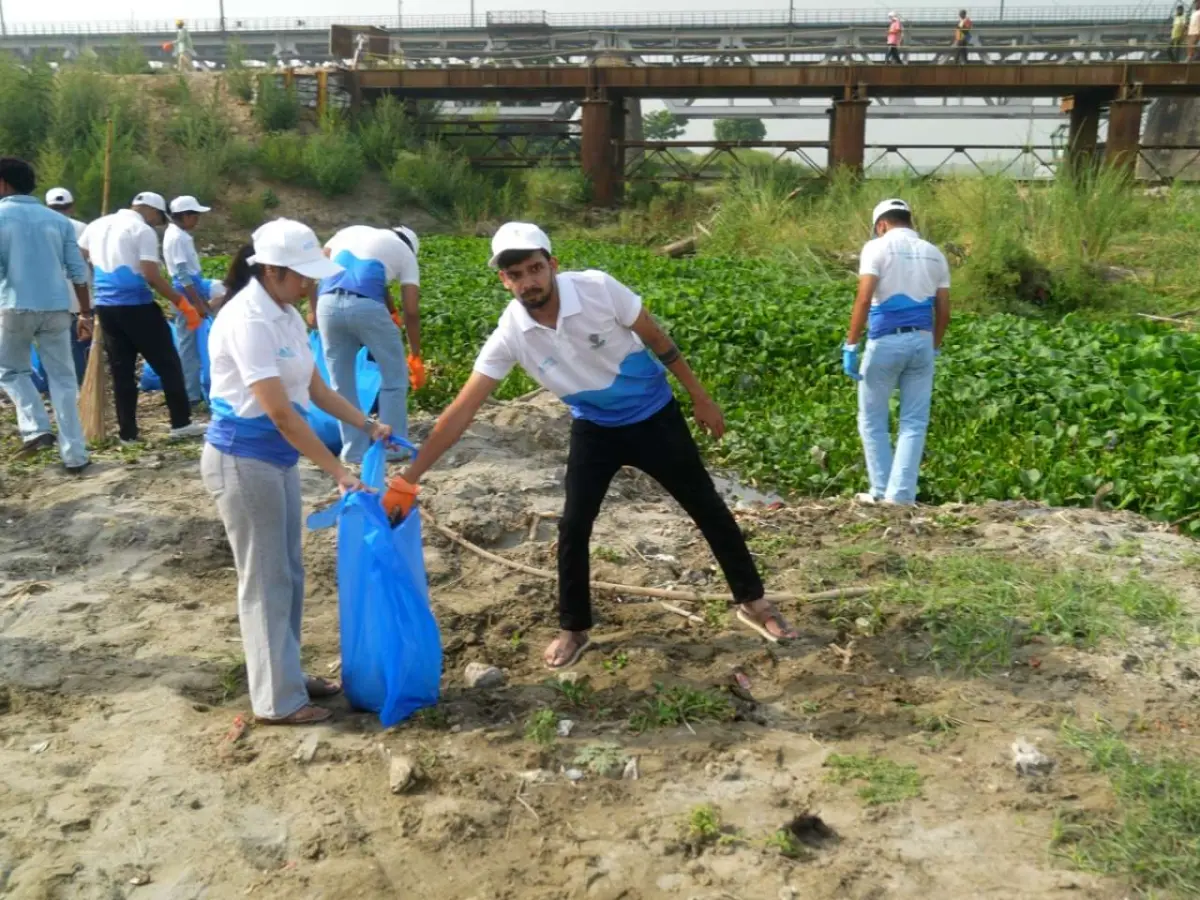
New Delhi, India – July 28, 2026 – On the cusp of what he envisioned as a path towards public service through civil examinations, a global pandemic irrevocably altered the trajectory of Satyam Dixit’s life. Instead of delving into textbooks for the UPSC, Satyam found himself immersed in the immediate needs of his community, a profound shift that ultimately birthed a powerful, citizen-led environmental movement. This initiative, born from personal resilience and a deep-seated sense of responsibility, has blossomed into a nationwide campaign under the banner of "My Earth, My Duty," a testament to the transformative power of individual action and collective consciousness.
The story of Satyam Dixit, a young environmental changemaker, serves as the inaugural feature in Zee Media’s ambitious "My Earth, My Duty" campaign, launched to coincide with World Nature Conservation Day. It is a narrative that transcends mere environmental activism, highlighting how personal adversity can be transmuted into a formidable force for positive societal and ecological change.
)
Humble Beginnings: The Foundation of a Future Changemaker
Satyam Dixit’s journey is deeply rooted in the soil of humble beginnings. Hailing from a modest household, his formative years were shaped by the unwavering dedication of his father, a pedal rickshaw puller who later transitioned to work as a watchman. Growing up in a rented dwelling, the echoes of financial precarity were ever-present. This environment, however, did not breed despair but rather a profound understanding of the value of hard work and self-reliance. From a young age, Satyam recognized the necessity of contributing to his family’s welfare.

Even while still attending school, he began to earn, initially by selling momos – a popular street food. This entrepreneurial spirit continued into his college years, where he took on the role of a delivery executive. These early experiences, marked by physical labor and the constant pressure to make ends meet, were not merely jobs; they were crucible moments that forged in him an unshakeable sense of responsibility and an innate inclination towards service. These foundational years instilled a profound appreciation for community well-being and a keen awareness of the struggles faced by ordinary citizens, qualities that would later fuel his environmental endeavors.
)
The COVID-19 Catalyst: A Pivot Towards Environmental Stewardship
The year 2020, globally defined by the unprecedented disruption of the COVID-19 pandemic, proved to be a watershed moment in Satyam Dixit’s life. His meticulously laid plans to prepare for the Union Public Service Commission (UPSC) examinations, a gateway to a career in India’s administrative services, were set aside. The stark realities of the pandemic – the widespread hardship, the vulnerability of marginalized communities, and the visible impact on public spaces – demanded his immediate attention.
)
Instead of retreating, Satyam felt an urgent calling to contribute directly to the well-being of those around him. He redirected his energy and focus from personal ambition to collective action. This period of intense community engagement, characterized by selfless service and a willingness to address immediate needs, became the fertile ground from which his environmental initiative would sprout. The pandemic, in its disruptive force, inadvertently unveiled a new, more pressing mission: safeguarding the planet for the very communities he had been serving.
)
The nascent stages of his environmental work were marked by a profound realization of the interconnectedness of human welfare and the health of the environment. He witnessed firsthand how poor waste management exacerbated public health issues, how polluted water bodies impacted livelihoods, and how a lack of public awareness contributed to a cycle of neglect. It was this direct observation, coupled with his inherent drive to make a tangible difference, that led him to conceptualize and launch a citizen-led environmental initiative.
)
From a Spark to a Conflagration: The Growth of the "My Earth, My Duty" Movement
What began as a modest endeavor, fueled by the dedication of a handful of like-minded volunteers, has since burgeoned into a formidable movement. The "My Earth, My Duty" initiative, initially focused on local action, has now expanded its footprint to encompass over 200 cities across India. This remarkable growth is a testament to Satyam Dixit’s vision, leadership, and the resonant appeal of his message.
)
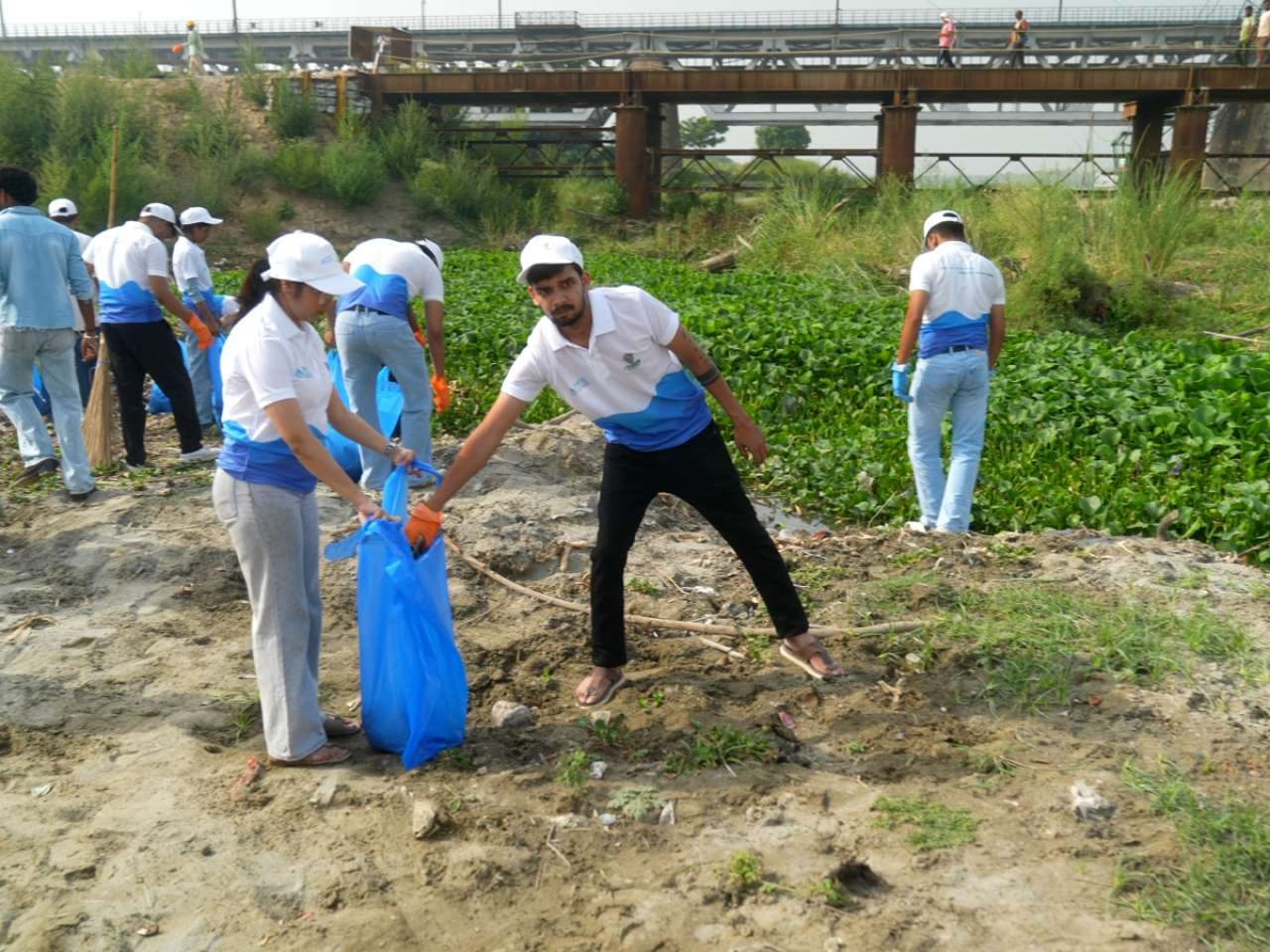
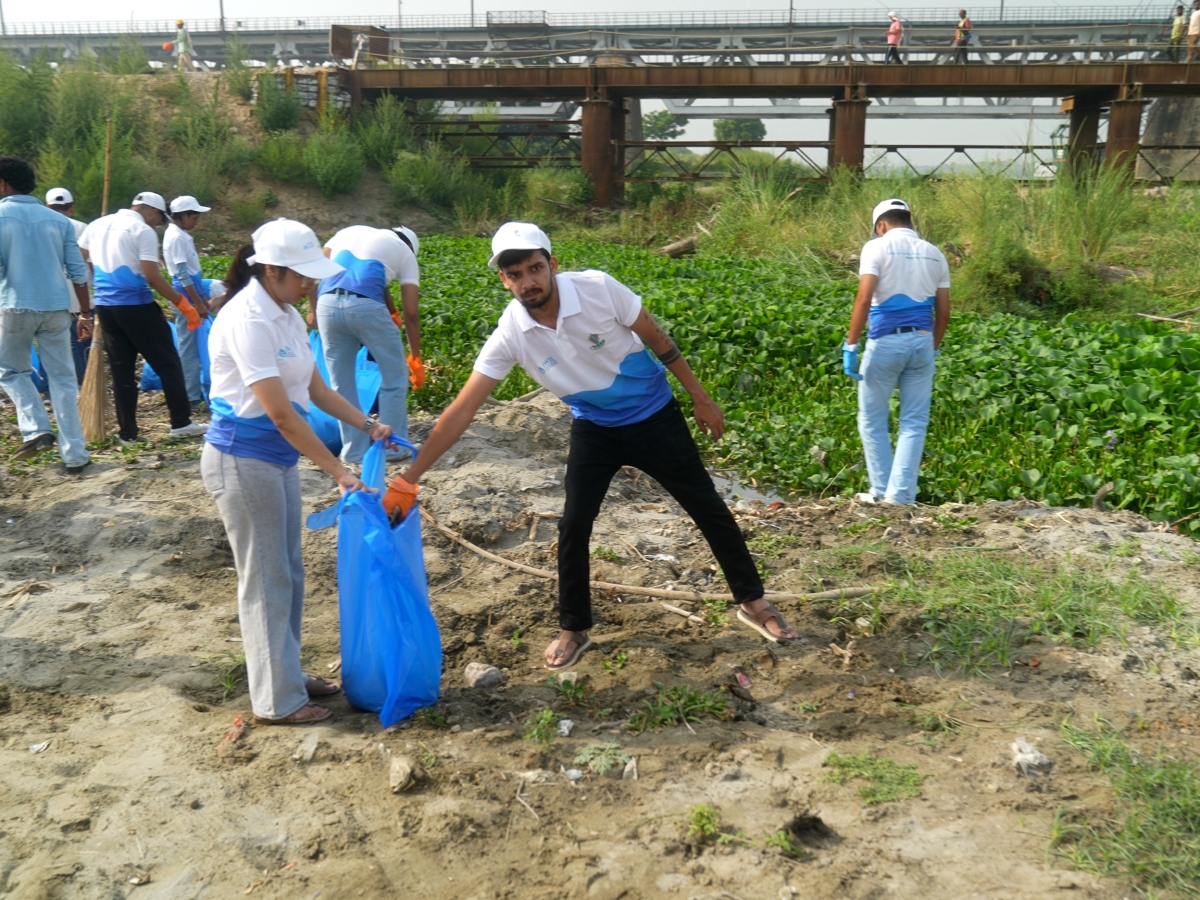
The core activities of the movement revolve around meticulously organized cleanup drives. These drives are not confined to isolated incidents but are regular, sustained efforts conducted in public spaces, riverbanks, and other ecologically sensitive areas. The impact of these drives is quantifiable, with large quantities of waste being systematically removed from these locations. The initiative’s approach is holistic, encompassing not just the physical act of cleaning but also a strategic focus on long-term sustainability.
)
A significant aspect of their work involves promoting recycling and the responsible disposal of waste, particularly plastic and religious waste. This is achieved through the implementation of sustainable practices and educational outreach. The movement recognizes that simply removing waste is a temporary solution; true change lies in altering consumption patterns and fostering a culture of mindful waste management.
)
Beyond Cleanup: Cultivating a Culture of Environmental Responsibility
The "My Earth, My Duty" initiative’s impact extends far beyond the visible results of cleanup drives. At its heart lies a profound commitment to behavioral change. Satyam and his team understand that lasting environmental stewardship cannot be achieved through sporadic interventions alone. It requires a fundamental shift in public perception and a deep-seated sense of ownership.
)
To this end, the movement actively engages in comprehensive awareness campaigns. These campaigns are designed to educate citizens about the environmental challenges facing their communities and to empower them with the knowledge and tools to become active participants in finding solutions. Community participation is not merely encouraged; it is actively cultivated. By fostering a sense of shared responsibility, the initiative aims to transform passive bystanders into engaged environmental custodians.
)
The methodology employed is inclusive and participatory, often involving local schools, community groups, and municipal authorities. Workshops, public forums, and on-ground activations are strategically deployed to disseminate information, facilitate dialogue, and inspire collective action. The message is consistent and clear: the environment is not an abstract concept but a tangible asset that belongs to everyone, and therefore, its protection is a collective duty.
)
A Beacon of Hope: Inspiring a Nation on World Nature Conservation Day
The story of Satyam Dixit and the "My Earth, My Duty" movement is more than just an account of environmental action; it is a powerful narrative of inspiration and a clarion call to collective responsibility. On the occasion of World Nature Conservation Day, this journey serves as a potent reminder that meaningful change often originates from the most unexpected places and from individuals who dare to dream beyond their immediate circumstances.
)
Satyam’s transformation from a young man preparing for a career in public administration to a leading environmental activist underscores the profound impact that a single individual’s determination can have. His ability to translate personal struggles into a catalyst for widespread action has galvanized thousands, transforming them into active participants in the environmental cause.
)
The "My Earth, My Duty" campaign, by highlighting Satyam’s story, encapsulates the central ethos of Zee Media’s broader initiative: that the responsibility for the health of our planet rests not solely on governments or large organizations, but on each and every ordinary citizen. It is a philosophy that champions the idea that when individuals embrace their "duty" to the Earth, a collective force emerges, capable of addressing even the most daunting environmental challenges.
)
The initiative’s success, measured not just by the tons of waste collected but by the growing number of engaged citizens and the visible positive changes in communities, offers a powerful blueprint for grassroots environmental action. It demonstrates that with passion, perseverance, and a clear, actionable vision, individuals can indeed ignite movements that resonate across an entire nation, fostering a deeper connection to nature and a renewed commitment to its preservation for generations to come. Satyam Dixit’s journey is a vibrant testament to the fact that the Earth’s future lies not just in grand policies, but in the everyday actions and the unwavering sense of duty embraced by its inhabitants.
