

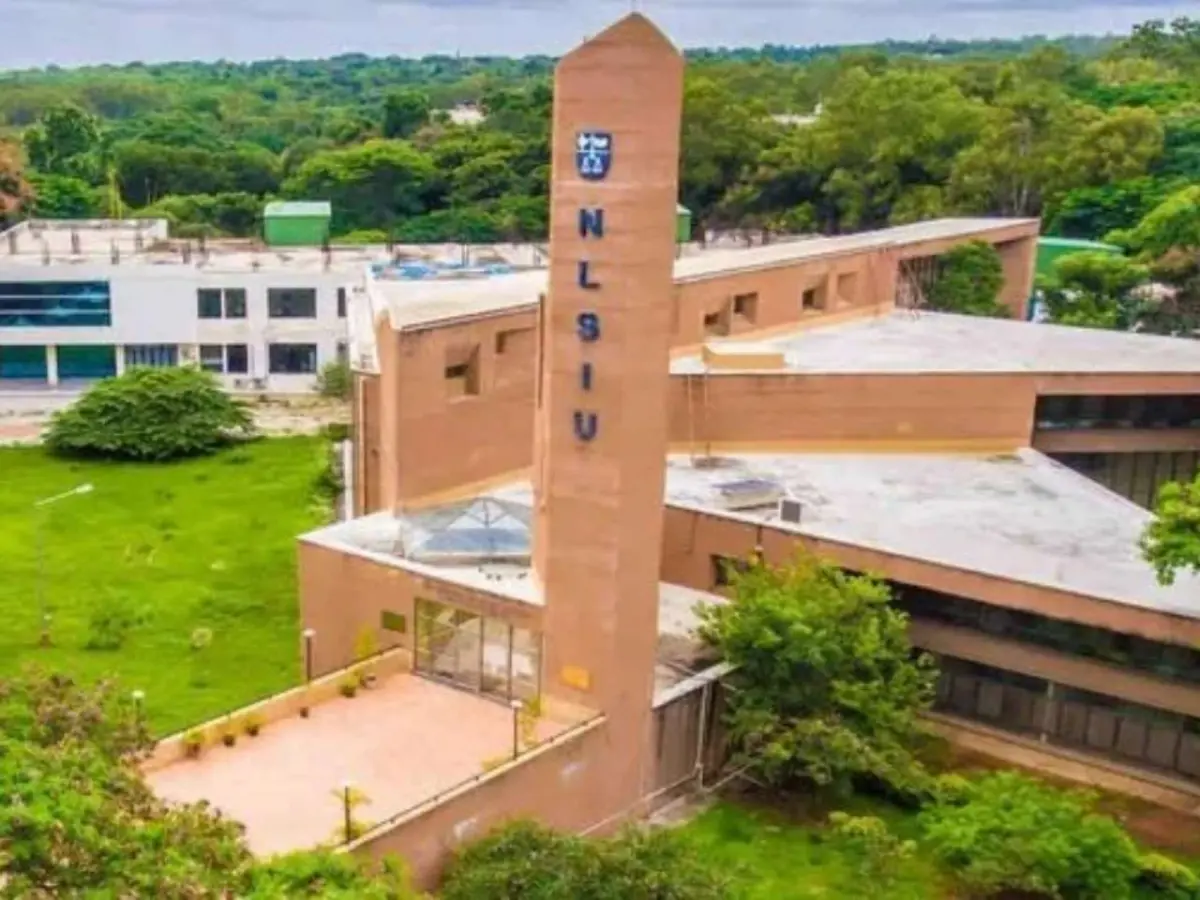
Bengaluru, India – In a significant and unexpected turn of events, the National Law School of India University (NLSIU), Bengaluru, has officially cancelled its 34th Annual Convocation ceremony for the graduating batch of 2026. The decision, announced on August 27th, cites "unavoidable circumstances" as the reason for the cancellation, but sources close to the university and student body indicate that widespread student objections to the proposed presence of Chief Justice of India (CJI) Surya Kant and Bar Council of India (BCI) Chairman Manan Kumar Mishra were the primary catalyst. This marks a rare and contentious episode in the history of one of India’s premier legal institutions.
The convocation, initially scheduled for September 12th, was intended to be a landmark event celebrating the achievements of the graduating class. However, the university’s abrupt cancellation has left students and faculty in a state of uncertainty and has ignited a debate about student agency and the protocols surrounding high-profile invitations at academic institutions. While degrees will now be conferred in absentia, the absence of a formal ceremony deprives graduates of a traditional rite of passage and a platform to celebrate their years of hard work and dedication.
The Unfolding Controversy: A Timeline of Events
The controversy that led to the cancellation of the NLSIU convocation appears to be an echo of a similar situation that recently unfolded at NALSAR University of Law, Hyderabad. While the exact sequence of events at NLSIU is still being pieced together, the core issue revolves around student dissatisfaction with the selection of certain dignitaries for the convocation.
Initial Announcement and Anticipation: The NLSIU administration had initially communicated the date of the 34th Annual Convocation to the graduating students, setting the stage for what was expected to be a celebratory conclusion to their academic journey. This announcement would have been met with a mix of excitement and a touch of apprehension, as is typical for such significant events.
)
Emergence of Student Objections: Reports suggest that a segment of the graduating batch at NLSIU began to voice their reservations regarding the proposed attendance of CJI Surya Kant and BCI Chairman Manan Kumar Mishra. While the specific reasons for these objections are not publicly detailed by the students themselves, they are widely understood to be connected to broader concerns about judicial and administrative oversight within the legal education landscape in India. These concerns are often amplified when individuals perceived to be at the forefront of such oversight are invited as chief guests, potentially seen by some students as a tacit endorsement or a lack of critical engagement with the issues.
The NALSAR Precedent: The situation at NLSIU bears a striking resemblance to the controversy that engulfed NALSAR University of Law, Hyderabad, earlier in the year. At NALSAR, students had also reportedly objected to the proposed participation of CJI Surya Kant as the chief guest at their convocation. This parallel suggests a potential underlying current of student sentiment across national law universities regarding the selection of chief guests for convocation ceremonies.

BCI’s Initial Response at NALSAR: In the NALSAR case, the Bar Council of India (BCI) had initially taken a strong stance, issuing an order to freeze the enrolment of the entire NALSAR 2026 graduating batch with state bar councils. This punitive measure was reportedly linked to an inquiry into the student objections. The BCI’s swift and decisive action at NALSAR highlighted the perceived seriousness with which such matters were being viewed by the apex regulatory body for legal professionals.
BCI’s Reversal and NLSIU’s Decision: However, in a significant turn of events following the NALSAR incident, the BCI later withdrew its restriction on the NALSAR students’ enrolment. This reversal was attributed to the BCI’s conclusion that the majority of students had not intended to engage in any act of disrespect. The amended order ultimately allowed all NALSAR graduates to enrol with the state bar council of their choice. It is within this context of a recent, high-profile controversy and a subsequent conciliatory move by the BCI that NLSIU’s decision to cancel its convocation must be understood. The university’s move to cancel outright, rather than attempt to navigate the objections, suggests either a deeply entrenched disagreement or a desire to avoid a potentially protracted and damaging public dispute.
)
NLSIU’s Official Announcement: On August 27th, NLSIU Bengaluru issued a notice stating that the 34th Annual Convocation would not be held due to "unavoidable circumstances." The statement read, "Despite our collective best efforts, due to unavoidable circumstances, we are unable to hold the 34th Annual Convocation." This terse explanation has done little to quell the speculation and concern surrounding the decision.
Degrees to Be Awarded In Absentia: A Digital Farewell
In the wake of the convocation’s cancellation, NLSIU has assured its graduating students that their degrees will be conferred in absentia. This means that students will not receive their degrees during a formal ceremony on campus. Instead, the university has outlined a process for them to receive their certificates.
)
Options for Receiving Certificates: The university has stated that graduating students will have two primary options for obtaining their degrees:
- Courier Delivery: Students can opt to have their certificates delivered directly to their addresses via courier.
- On-Campus Collection: Alternatively, students will have the opportunity to collect their certificates in person from the NLSIU campus.
Future Communication and Procedural Details: NLSIU has indicated that further details regarding the specific process for choosing between these options, including the distribution of a form and other logistical information, will be communicated to the graduating batch shortly. While this ensures that students will eventually receive their hard-earned degrees, it falls short of the traditional celebratory culmination of their law school education.
)
The Wider Implications: Student Voice and Institutional Autonomy
The cancellation of the NLSIU convocation, stemming from student objections to high-profile dignitary invitations, raises critical questions about the balance between institutional autonomy, the voice of the student body, and the traditions associated with academic milestones.
Student Agency and Expression: This incident underscores the increasing assertiveness of student groups in expressing their concerns and influencing institutional decisions. In recent years, students across various universities have become more vocal on a range of issues, from academic policies to social and political matters. The objections at NLSIU, and previously at NALSAR, suggest that students are actively engaging with the broader discourse surrounding legal education and the individuals who represent the highest echelons of the legal fraternity. Their concerns, while not fully elaborated publicly in this instance, likely reflect a desire for a more nuanced representation of perspectives at events that celebrate their entry into the legal profession.
)
The Role of Chief Guests: The selection of chief guests for convocations is often a delicate balancing act. While institutions aim to invite individuals who command respect and can offer inspiring words to the graduating class, the choices can sometimes be perceived as endorsing particular ideologies or approaches. In the context of legal education, where critical thinking and dissent are often encouraged, the presence of figures who are seen by some students as representing the status quo, or even as having contributed to certain systemic issues, can lead to discomfort and objection.
Institutional Response and Conflict Resolution: The NLSIU’s decision to cancel the convocation rather than attempt to mediate the student concerns or proceed with the event amidst potential dissent highlights a particular approach to conflict resolution. While it averts a potentially awkward or confrontational ceremony, it also bypasses an opportunity to engage in dialogue and find a middle ground. The NALSAR situation, where the BCI’s initial strong stance was eventually softened, suggests that alternative approaches might have been possible.
)
The "Cockroach Janta Party" Reaction: The reaction from Saurav Das, co-convenor of the "Cockroach Janta Party," to NLSIU’s decision, offers a glimpse into a different perspective. Das expressed hope that the graduating students would organize their own ceremony, suggesting a "Gen-Z way" of celebrating their achievements. This sentiment, while perhaps informal, points towards the possibility of students taking initiative to create their own meaningful events, even in the absence of official sanction.
Looking Ahead: A Precedent and a Call for Dialogue
The cancellation of the NLSIU convocation is likely to be a significant event in the annals of Indian legal education. It serves as a stark reminder of the evolving dynamics between students, institutions, and the broader legal establishment. As NLSIU grapples with the aftermath and students prepare to receive their degrees in absentia, the incident prompts a wider conversation about how academic institutions can foster an environment that is both respectful of tradition and responsive to the evolving perspectives and concerns of their student bodies.
)
Moving forward, it will be crucial for universities to establish clearer protocols for selecting chief guests, ensuring that the process is transparent and considers the diverse viewpoints within the student community. Furthermore, fostering open channels of communication and dialogue can help preempt such controversies and ensure that academic milestones remain moments of genuine celebration and commencement for all graduates. The lessons learned from this episode at NLSIU, and the earlier one at NALSAR, could shape how similar situations are handled in the future, potentially leading to more inclusive and consensus-driven approaches to academic ceremonies.
