

In a bold push to modernize its marine economy, India launched the Pradhan Mantri Matsya Sampada Yojana (PMMSY) to transition traditional fishers into the deep sea. However, an investigation reveals a landscape of technical failures, mounting debt, and a systemic disconnect between New Delhi’s policy blueprints and the grueling realities of the Indian Ocean.
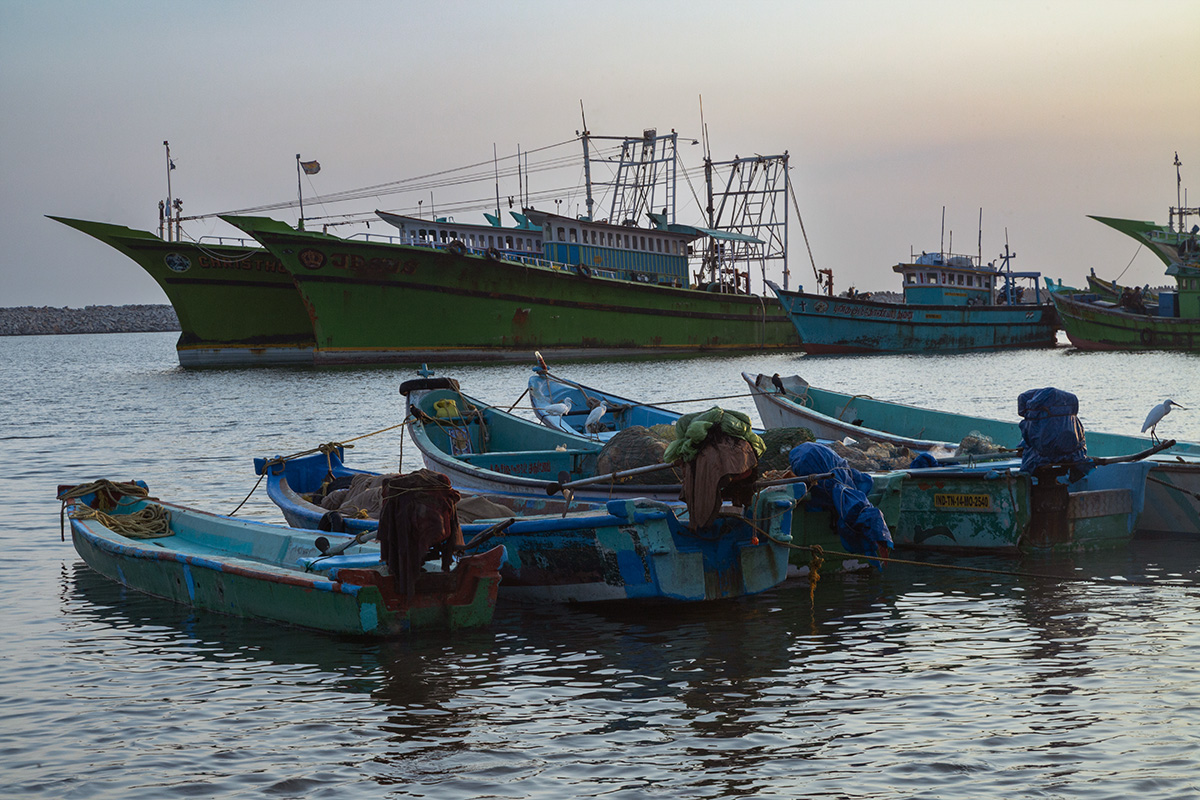
For Shaju Antony, a traditional fisherman from the coastal stretches of Kerala, the dream of the deep sea began with a recommendation from his parish priest. In 2020, under the promise of the newly minted Pradhan Mantri Matsya Sampada Yojana (PMMSY), Antony envisioned a future beyond the overcrowded nearshore waters. He liquidated assets and pooled resources to contribute ₹7.2 million (₹72 lakh)—his share for a state-of-the-art deep-sea fishing vessel.
The boat finally arrived in December 2023, three years behind schedule. But the vessel, intended to be an engine of prosperity, became a floating liability. "The cooling compressor failed, the engine stalled mid-sea, and water seeped into the engine room," Antony recalls. After spending an additional ₹3 million on repairs and sending countless ignored petitions to the government, he reached a breaking point. "If they are building boats for fishermen, why aren’t they consulting the fishermen?"
Antony’s story is not an isolated incident of bad luck; it is emblematic of a national scheme struggling to stay afloat. From the shipyards of Kerala to the harbors of Maharashtra and Andhra Pradesh, India’s "Blue Revolution" is encountering a perfect storm of technical inadequacy, financial mismanagement, and a lack of essential shore-based infrastructure.
I. Main Facts: The Ambition vs. The Achievement
The PMMSY, launched in 2020, is the flagship of India’s fisheries sector, which contributes 1.1% to the national GDP and 7.26% to agricultural Gross Value Added (GVA). With a coastline stretching over 11,000 kilometers and a workforce of nearly 28 million, the government identified deep-sea fishing—specifically targeting waters deeper than 200 meters—as the next frontier for economic growth.
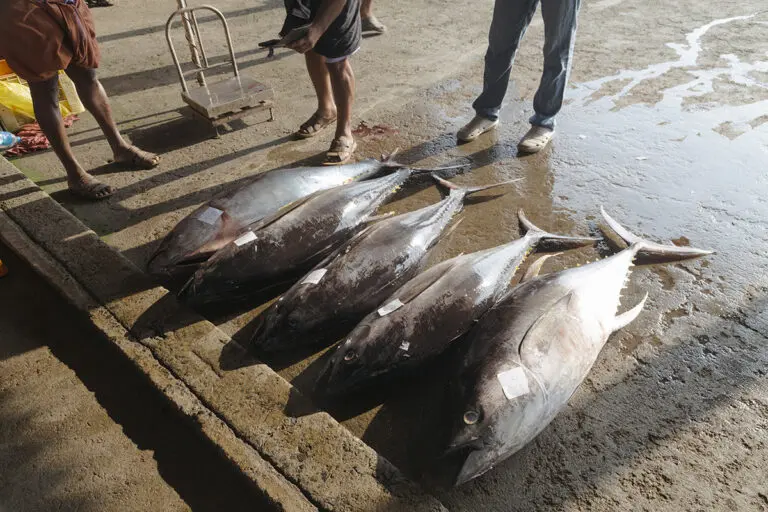
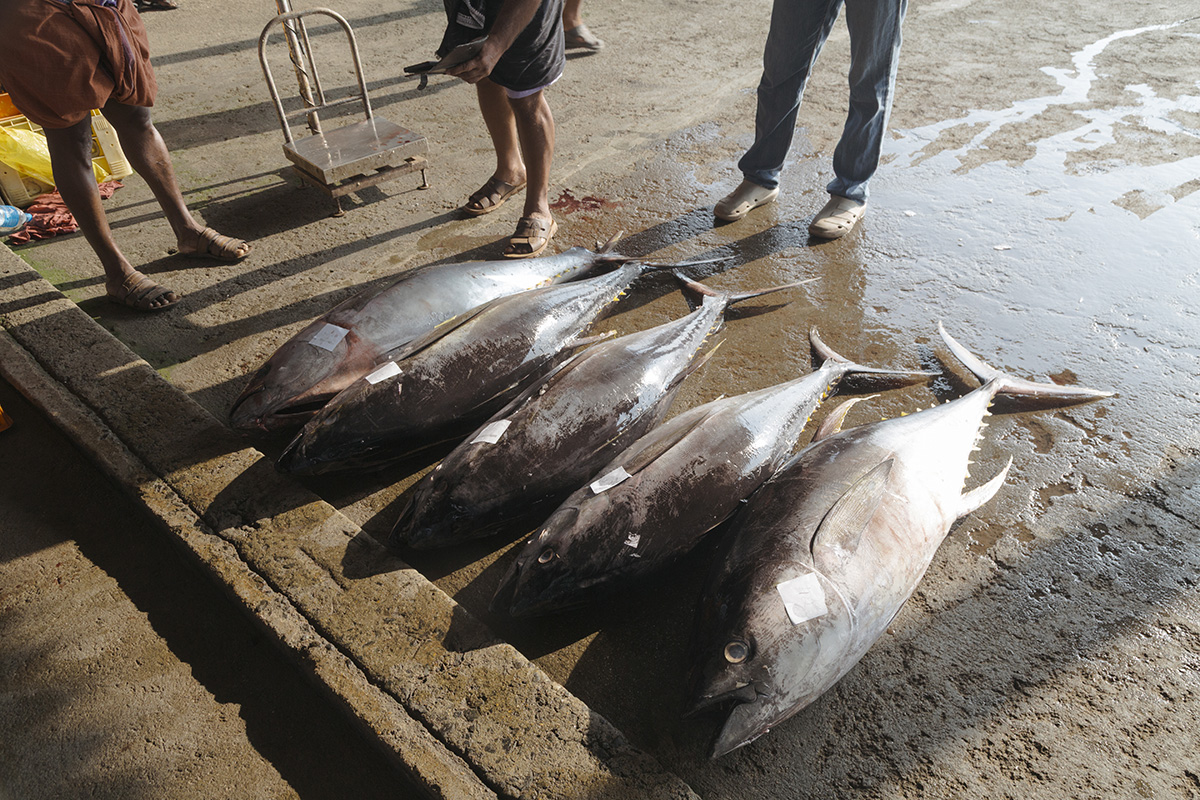
The primary objective was to divert fishing pressure away from over-exploited coastal waters and toward high-value oceanic species like yellowfin tuna, billfish, sharks, and oceanic squid. To achieve this, the government approved approximately ₹4.7 billion (₹470 crore) for the construction of 392 deep-sea fishing vessels between 2020 and 2025.
However, data compiled through Right to Information (RTI) applications and state-level official records paints a sobering picture:
- Low Adoption: As of September 2026, only 131 boats—less than half of the approved number—have been ordered or constructed.
- State Disparities: While Karnataka (58 boats) and Maharashtra (49 boats) have shown some progress, major fishing states like Gujarat, Tamil Nadu, and Odisha have seen zero participation in the scheme.
- Financial Burden: The vessels cost a minimum of ₹12 million (₹1.2 crore). While the government provides a 40% to 60% subsidy, the upfront investment and delayed reimbursements have pushed early adopters into deep debt.
II. Chronology: From Blue Revolution to PMMSY
The path to India’s current deep-sea policy has been a decades-long evolution marked by shifting strategies and persistent resistance from small-scale fishers.
The Early Era (Pre-2017): India’s initial deep-sea strategies focused on inviting foreign vessels through joint ventures and leasing. This was met with fierce opposition from traditional fishing unions who feared that industrial foreign fleets would deplete local stocks and destroy livelihoods.

The Neel Kranti Mission (2017–2020): Under the "Blue Revolution" mission, the government pivoted toward indigenous capacity building. In Tamil Nadu’s Palk Bay, the government sanctioned ₹2.81 billion to convert 750 trawlers into longlining vessels. However, this early iteration struggled, with only 91 orders placed as fishers balked at the operational costs.
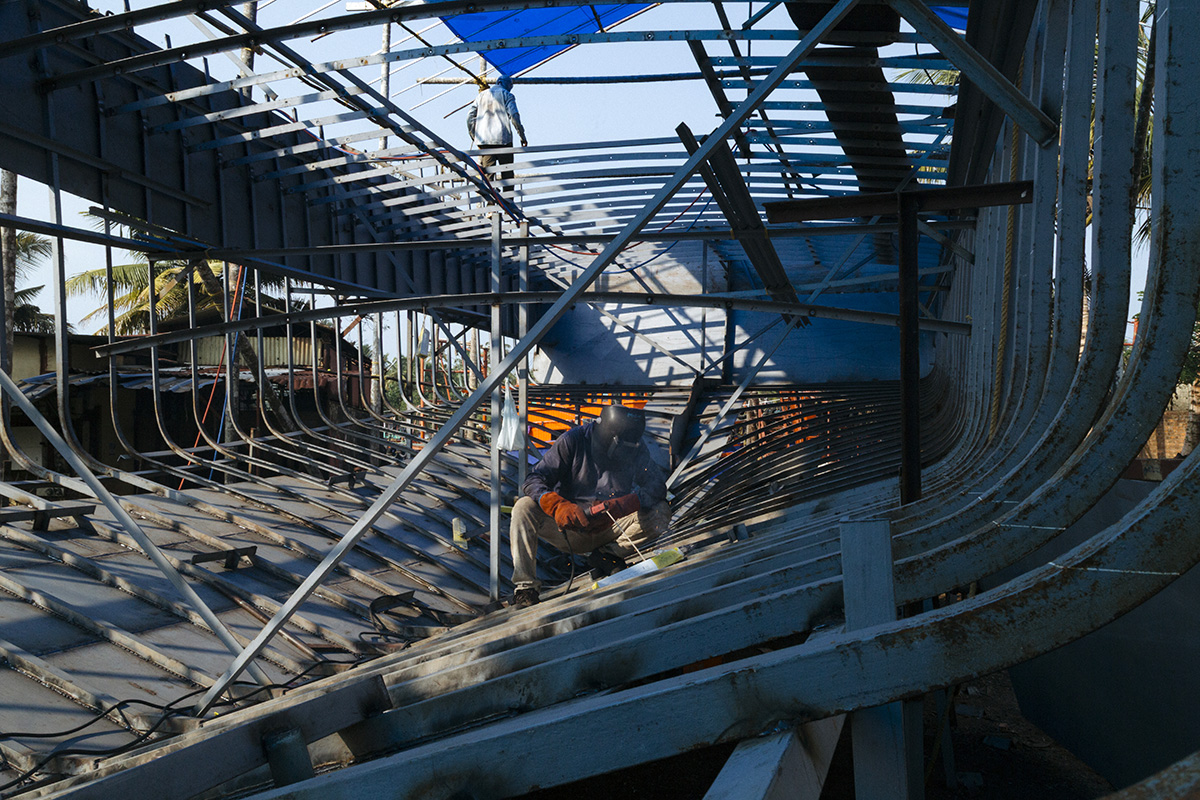
The PMMSY Launch (2020): The Pradhan Mantri Matsya Sampada Yojana was launched with a massive ₹200 billion (₹20,000 crore) outlay, the largest ever for the sector. It integrated previous schemes and introduced the current deep-sea vessel model: a 22.7-meter steel-hulled tuna longliner-cum-gillnetter.
The Implementation Crisis (2023–2026): As the first batch of boats hit the water, technical flaws became apparent. In Kerala, the "Make in India" vessels built by Cochin Shipyard Ltd faced immediate mechanical failures. By 2025, the Ministry of Fisheries was forced to issue an amended Standard Operating Procedure (SOP) to address design complaints, but for the early beneficiaries, the damage was already done.

III. Supporting Data: Regional Breakdowns and Technical Failures
The implementation of the PMMSY scheme has varied wildly across India’s maritime states, revealing localized barriers to the national vision.
The Kerala Technical Debacle
Kerala was the pioneer in adopting the PMMSY vessels. Built by the prestigious Cochin Shipyard Ltd, the steel-hulled boats were equipped with 230 HP engines. However, the "all-Indian" components failed under rigorous sea conditions.
- The Loss: Beneficiaries reported rotting catch due to faulty refrigeration and massive fuel consumption that outstripped profits.
- The Debt: Collectively, the small group of Kerala beneficiaries now carries a debt exceeding ₹40 million (₹4 crore).
The Karnataka and Maharashtra "Wait and See"
While Karnataka and Maharashtra lead in boat orders, the numbers are still significantly lower than the approved funds.

- Maharashtra: Kiran Koli, a union leader, applied in 2017 and only received his boat in June 2026. He remains caught in a "never-ending wait" for the final subsidy installments.
- Karnataka: Of 114 approved boats, only 31 are fully constructed. Officials admit that convincing fishers to take the financial risk is increasingly difficult.
The Refusal of the "Big Three" (Gujarat, Tamil Nadu, Andhra Pradesh)
- Gujarat: Despite having the longest coastline, Gujarat saw zero takers until June 2026. The sticking point was the Value Added Tax (VAT) on diesel. Only after the state government removed length restrictions for fuel subsidies did cooperatives agree to apply.
- Tamil Nadu: Fishers here cite a lack of skilled labor for "longlining"—a specific technique required for deep-sea tuna—and high operational costs compared to traditional trawling.
- Andhra Pradesh: With only six vessels operational, officials point to the "missing market." Without processing units for yellowfin tuna, fishers are forced to sell high-value catch at local "trash fish" prices.
IV. Official Responses and the Policy Gap
The Indian government’s push for deep-sea fishing is not merely about domestic food security; it is a geopolitical and international trade necessity.
WTO and IOTC Pressures:
India recently signed the World Trade Organization (WTO) fishery subsidies agreement, which aims to curb subsidies that contribute to overcapacity and overfishing. Simultaneously, India is negotiating with the Indian Ocean Tuna Commission (IOTC) for higher tuna-catch quotas. To secure these quotas, India must prove it has the "domestic capacity" to harvest these waters. This explains the government’s urgency in launching the PMMSY vessels.
The NITI Aayog Strategy:
The government’s own think tank, NITI Aayog, acknowledged in a recent strategy document that the "lack of adequate infrastructure and access to advanced technologies" is the single greatest hurdle. Despite this acknowledgment, the Department of Fisheries has been slow to respond to the specific technical grievances of the Kerala fishers. Mongabay-India’s requests for comment from the Department of Fisheries regarding the investigation went unanswered at the time of publication.
Infrastructure Deficit:
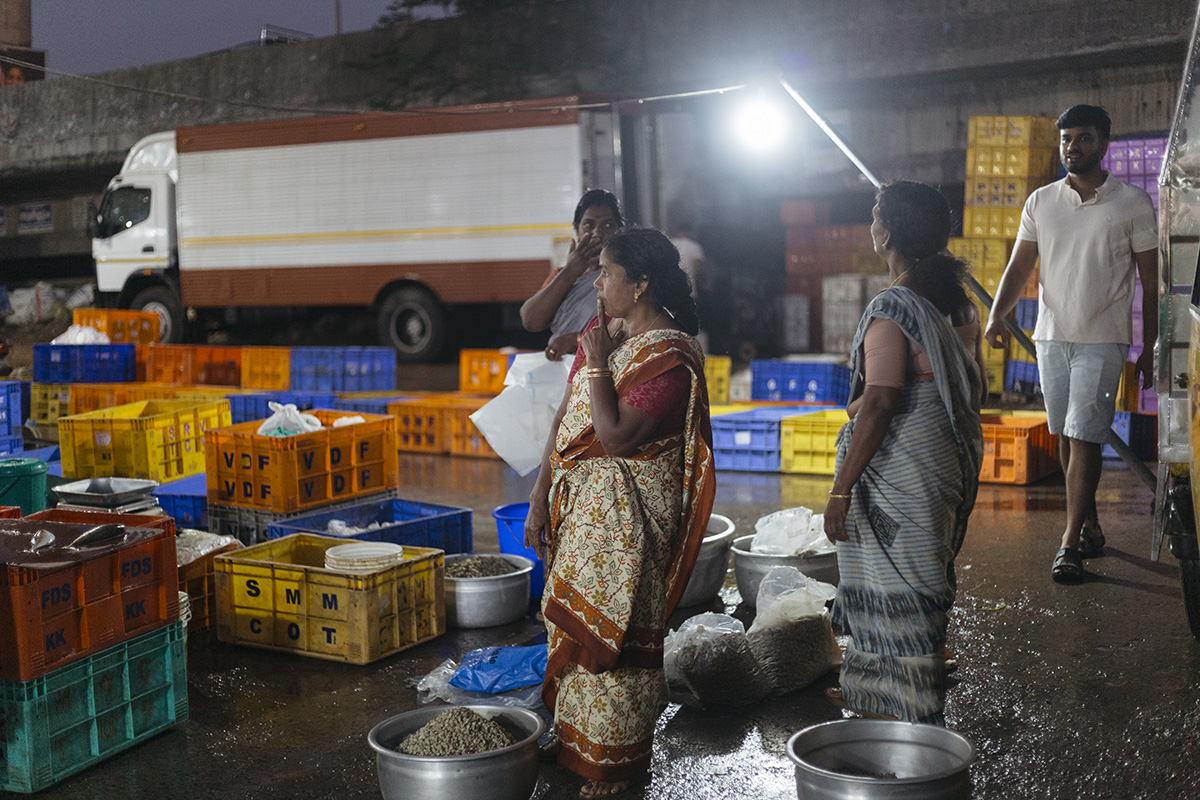
The investigation found that while the government is subsidizing the vessels, it has neglected the shore. Deep-sea fishing requires:
- Blast Freezers: To maintain "Sashimi-grade" quality for tuna exports.
- Specialized Harbors: Most current Indian harbors are too shallow or lack the cranes and cold chains needed for large deep-sea hauls.
- Market Linkages: There is currently no robust state-supported mechanism to connect a traditional fisher in a new deep-sea boat with a buyer in Tokyo or New York.
V. Implications: The Future of the Blue Economy
The mismatch between policy and reality carries heavy implications for India’s 28 million fishery-dependent livelihoods.
The Debt Trap: If the scheme continues to deliver faulty or unviable vessels, it risks transforming a generation of independent traditional fishers into debt-burdened laborers. The high entry cost (₹12 million) is prohibitive for individuals, yet the cooperative models are struggling under the weight of delayed subsidies.

Sustainability Concerns: The push for deep-sea fishing is framed as a way to protect coastal ecology. However, if the deep-sea vessels are not technically efficient, fishers may be tempted to return to restricted coastal zones to ensure they can meet their loan repayments, ironically increasing the pressure on nearshore stocks.
The Geopolitical Stake: India’s ability to defend its Exclusive Economic Zone (EEZ) and its claims in Areas Beyond National Jurisdiction (ABNJ) depends on a functional domestic fleet. If the PMMSY continues to falter, India may lose its leverage in international tuna negotiations to distant-water fishing nations like China or Spain.
Conclusion
The intention behind the PMMSY deep-sea fishing scheme is, as even its critics like Shaju Antony admit, fundamentally sound. India must look to the deep sea to sustain its massive fishing population. However, the current "top-down" implementation—characterized by rigid boat designs, lack of fisher consultation, and a glaring absence of cold-chain infrastructure—has turned a promising mission into a cautionary tale.
For India’s Blue Economy to truly set sail, the government must move beyond simply subsidizing hulls. It must invest in the people who man them, the technology that preserves the catch, and the markets that make the risk worth taking. Until then, the deep sea remains a horizon of debt rather than a frontier of prosperity.
