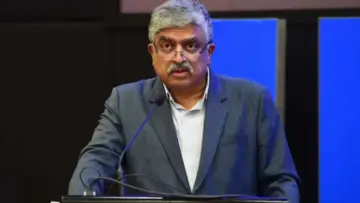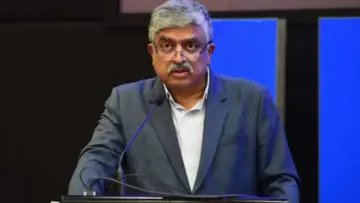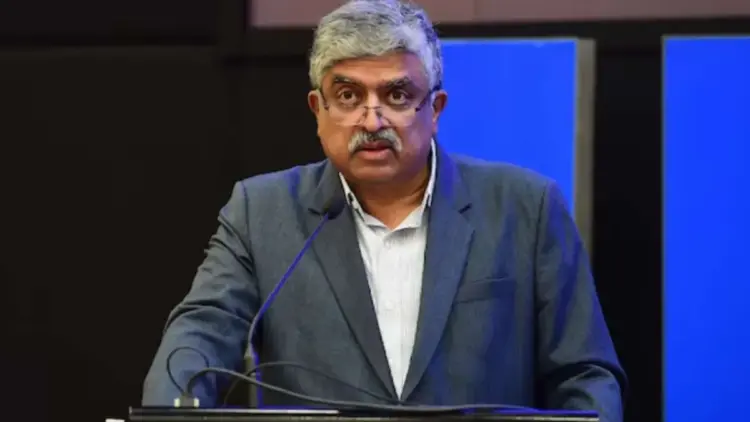
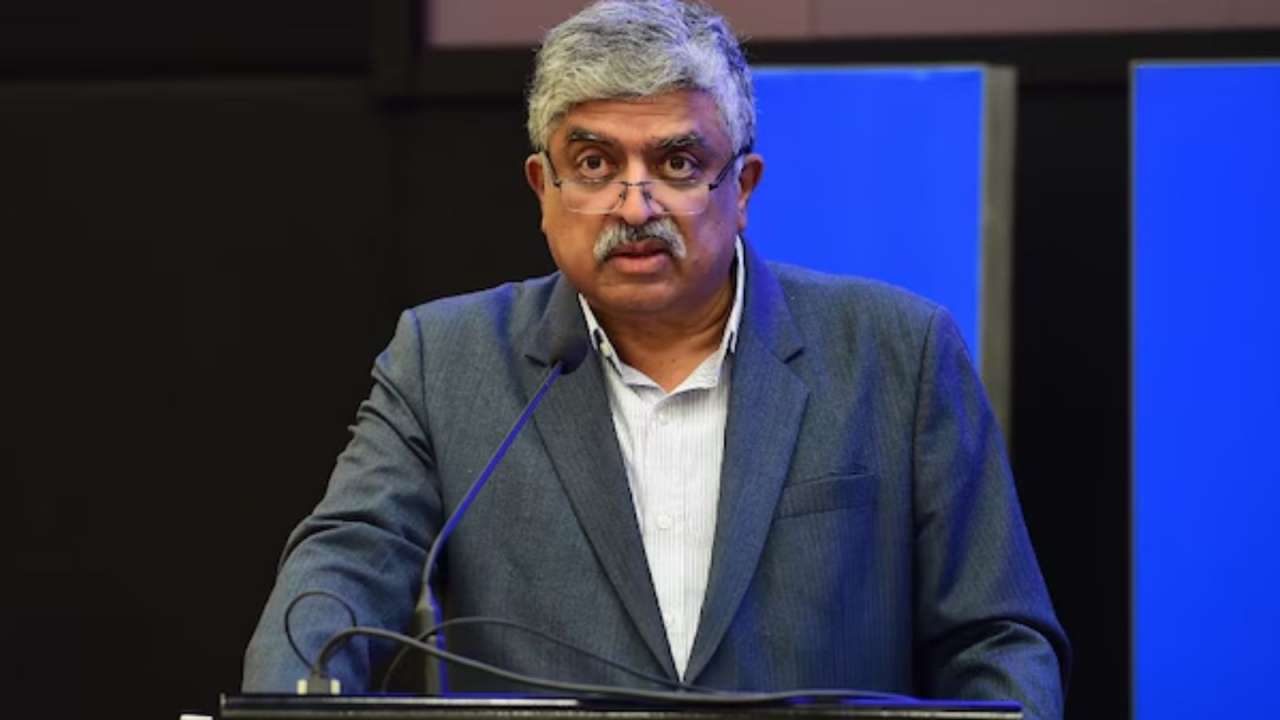
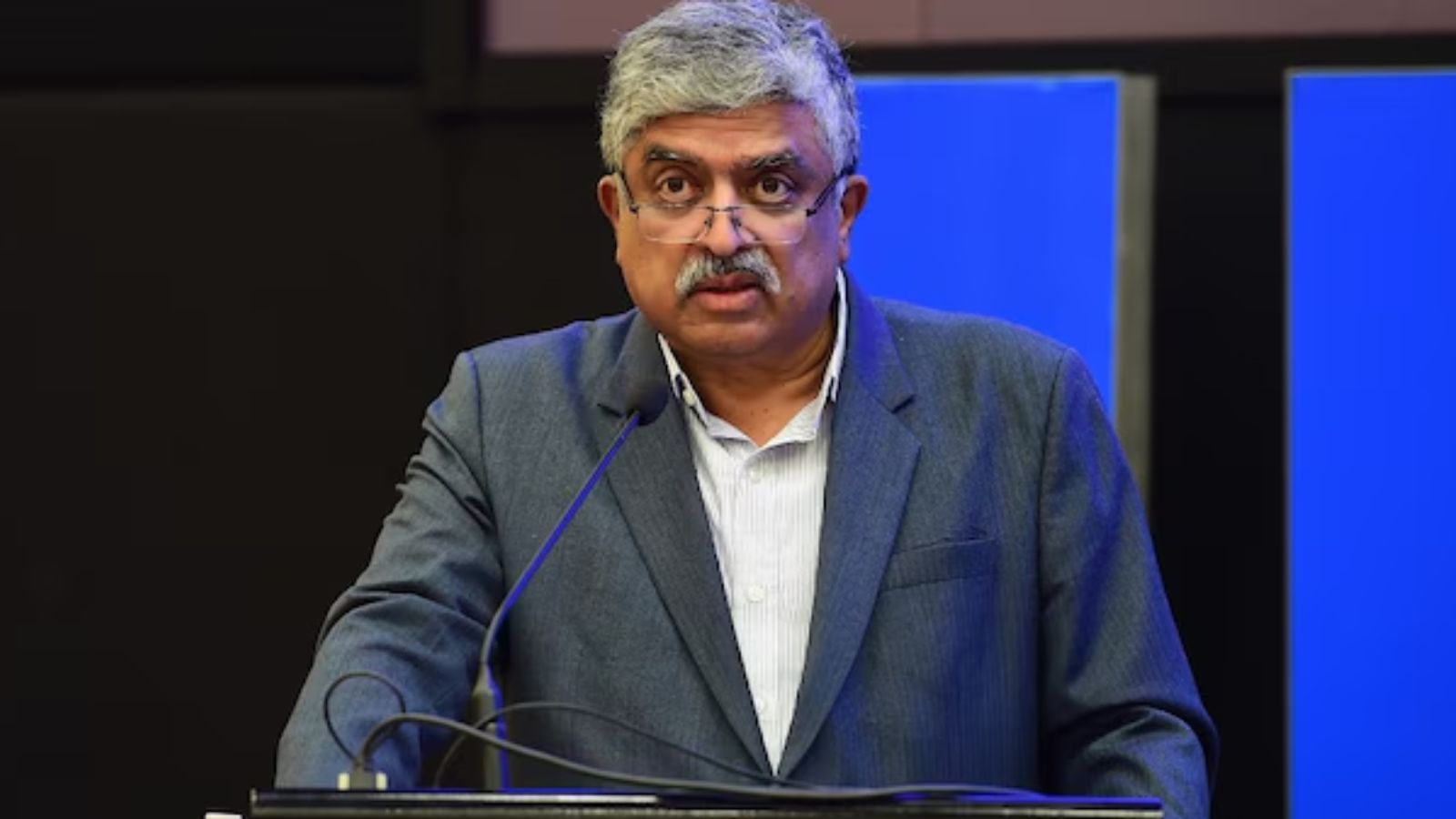
New Delhi, India – October 14, 2026 – In a bold proposition aimed at eradicating the persistent menace of examination paper leaks, Nandan Nilekani, the visionary co-founder of Infosys and a leading figure in India’s digital transformation, has advocated for a radical overhaul of the examination system. Speaking at the prestigious Bloomberg New Economy Forum 2026, Nilekani, who heads a government-appointed task force on exam reforms, suggested leveraging Artificial Intelligence (AI) to generate question papers at the eleventh hour, thereby dismantling the economic incentives that fuel leak rackets. Furthermore, he emphasized the critical need to transition all major examinations to a computer-based test (CBT) format.
The issue of paper leaks has plagued India’s examination ecosystem for years, casting a dark shadow over the aspirations of millions of students and eroding public trust in the fairness of competitive assessments. From large-scale public service examinations to entrance tests for prestigious educational institutions, the specter of leaked papers has led to widespread cancellations, re-examinations, and immense psychological distress for genuine candidates. The central government, recognizing the gravity of the situation, constituted a six-member task force in July, tasked with proposing comprehensive reforms, with Nilekani at its helm.
)
The AI Gambit: Disrupting the Leak Economy
Nilekani’s core argument revolves around fundamentally altering the nature of question paper dissemination. He articulated a vision where the concept of a pre-prepared, static "question paper" becomes obsolete. "Why do we need to have something called ‘a question paper’?" Nilekani questioned, highlighting the inherent vulnerability of such a system. "Because that creates an economic incentive for it to be sold. One way to look at how to solve it is to have a massive bank of questions, and only at the last minute generate the question paper for the day."

This innovative approach leverages the power of AI to dynamically create unique question papers for each examination session, drawing from an extensive, curated repository of questions. The logic is simple yet profound: if a question paper cannot be accessed or replicated before the examination begins, the opportunity for its illicit sale is effectively eliminated. This strategy directly targets the financial motivation behind paper leaks, aiming to render such criminal enterprises unprofitable.
)
While Nilekani did not delve into the intricacies of how this AI-powered generation would function or the potential for the question bank itself to be compromised, the underlying principle is to minimize the window of opportunity for any leakage. The emphasis on "last minute generation" suggests a highly secure and controlled environment where the AI algorithms are deployed only moments before the examination commences, with stringent protocols to prevent any unauthorized access to the generated paper or the underlying question bank.
)
The Imperative of Computer-Based Testing
Crucially, Nilekani stressed that the feasibility of this AI-driven approach is intrinsically linked to the widespread adoption of computer-based testing (CBT). "The committee is looking at how to make sure all exams are done on CBT," he stated, underscoring the transformative potential of digital platforms in exam delivery.
)
The transition to CBT offers several advantages beyond facilitating AI-generated papers. Firstly, it allows for greater standardization and uniformity in the examination experience. Secondly, it significantly reduces the logistical challenges and costs associated with conducting pen-and-paper exams, such as printing, distribution, and manual evaluation. Most importantly, CBT platforms can be designed with robust security features, including real-time monitoring, biometric authentication, and tamper-proof data logging, which can further enhance exam integrity.
)
Nilekani acknowledged the infrastructural requirements for a nationwide CBT rollout. "That requires a network of locations. We have 1,50,000 locations where young candidates can take a test and that needs to be expanded," he said, indicating a plan to scale up existing testing infrastructure. This expansion would likely involve a combination of existing government facilities and potentially new, purpose-built testing centers.
)
Addressing the Digital Divide and Infrastructure Challenges
The push for widespread CBT, however, raises pertinent questions about accessibility, particularly in a country with a significant digital divide. Nilekani’s statement did not elaborate on specific strategies to address the challenges posed by limited internet connectivity and digital literacy in remote and rural areas. Ensuring equitable access for all students, regardless of their geographical location or socio-economic background, will be paramount to the success of any CBT-centric reform.
)
The National Testing Agency (NTA), the nodal agency responsible for conducting various entrance examinations, is reportedly already seeking assistance from the All India Council for Technical Education (AICTE) to identify suitable IT infrastructure and government institutions for establishing standardized testing centers. The report in The Hindu also highlights a deliberate strategy to avoid private centers due to ongoing integrity concerns, a move that aligns with the government’s commitment to bolstering trust in the examination process.
)
The Genesis of the Task Force and its Mandate
The establishment of the task force on exam reforms was a direct response to the escalating crisis of paper leaks. The resignation of the then Union Education Minister, Dharmendra Pradhan, amid widespread protests following a series of high-profile leak incidents, underscored the urgency of the situation. Formed on July 26, the six-member panel, led by Nandan Nilekani, comprises distinguished individuals with expertise in technology, administration, and national security. Notable members include former ISRO Chairman S. Somanath and former Intelligence Bureau Director Tapan Deka, bringing a wealth of experience to the table.
)
The task force was given a three-month deadline to submit its recommendations. In its pursuit of comprehensive solutions, the committee has been actively engaged in a rigorous process of consultation and data gathering. It has conducted 18 internal meetings and engaged in extensive deliberations with over 40 stakeholders, including students, parents, educators, and representatives from various examination bodies such as the National Recruitment Agency (NRA), the Staff Selection Commission (SSC), and the Railway Recruitment Boards (RRB). This inclusive approach has resulted in the collection of over 50,000 valuable suggestions, aiming to create a reform package that is both practical and widely accepted.
)
Broader Implications and Future Outlook
The proposals put forth by Nandan Nilekani represent a paradigm shift in how India approaches its examination system. The integration of AI and a robust CBT infrastructure has the potential to not only curb paper leaks but also to enhance the efficiency, transparency, and fairness of examinations across the board.
)
The success of these reforms will hinge on meticulous planning and execution, particularly in addressing the infrastructural and digital inclusion challenges. A phased rollout, coupled with targeted interventions to bridge the digital divide, will be crucial. Furthermore, continuous evaluation and adaptation of the AI algorithms and CBT platforms will be necessary to stay ahead of evolving threats and ensure the long-term integrity of the system.
)
The journey towards a leak-proof examination system is undoubtedly complex, but the innovative vision presented by Nandan Nilekani offers a promising roadmap. By embracing cutting-edge technology and fundamentally rethinking established processes, India stands poised to create an examination ecosystem that truly reflects meritocracy and fosters the aspirations of its young populace. The coming months will be critical as the task force finalizes its report and the government deliberates on the implementation of these potentially transformative recommendations. The hope is that this initiative will usher in an era of renewed confidence in India’s educational and recruitment processes, ensuring that opportunities are awarded based on genuine talent and hard work, not on clandestine leaks.