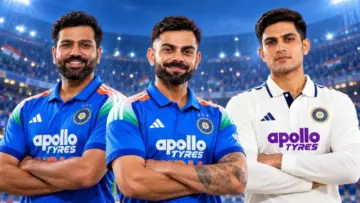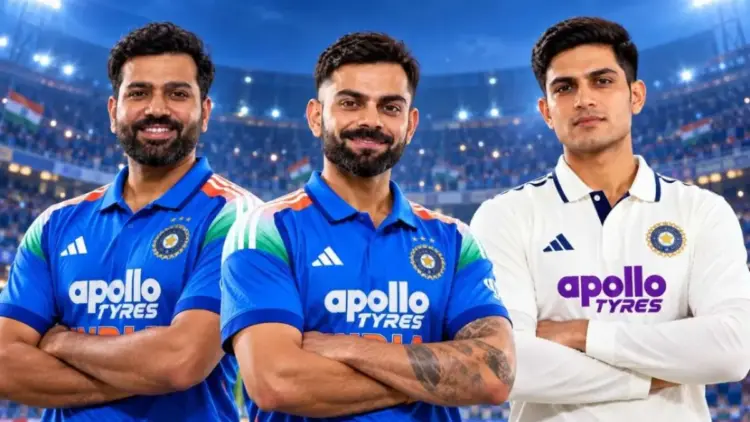
Mumbai, India – October 18, 2026 – The Board of Control for Cricket in India (BCCI) today unveiled its much-anticipated Test and One Day International (ODI) squads for the upcoming tour of New Zealand, signaling a blend of experience, burgeoning talent, and strategic player management. The announcement, made on Friday, has cast a sharp spotlight on the selections, with Shubman Gill entrusted with the captaincy across both formats, while the return of Akash Deep to the Test arena and the planned rotation of key players like Jasprit Bumrah highlight the national selectors’ evolving vision for Indian cricket.
The tour, comprising a five-match T20 International series, followed by three ODIs and two Tests, is poised to be a crucial litmus test for India’s bench strength and leadership transition, particularly with the World Test Championship (WTC) 2027 cycle firmly in focus. The cricketing fraternity is abuzz with discussions surrounding the significant decisions, including the potential final New Zealand tour for stalwarts Rohit Sharma and Virat Kohli, and the continued absence of star all-rounder Hardik Pandya due to injury.
Main Facts: A Glimpse into India’s Strategy
The core of the BCCI’s announcement revolves around several pivotal decisions:
- Shubman Gill as Captain: The young opener has been handed the reins for both the Test and ODI series, a clear indication of the selectors’ faith in his leadership capabilities and his growing stature within the team. This move solidifies his position as a potential long-term leader for the Men in Blue.
- Akash Deep’s Test Return: The fast bowler makes a comeback to the Test squad, bringing renewed vigour to India’s pace battery. His inclusion underscores the importance of a robust bowling attack in challenging New Zealand conditions and for the WTC campaign.
- Strategic Workload Management: Pacer Jasprit Bumrah has been rested for the ODI leg of the tour, a proactive step to manage his workload and ensure his fitness for crucial upcoming assignments. This philosophy extends to Gill and KL Rahul, who will be rested for the final two ODIs.
- Youth Integration in ODIs: The latter half of the ODI series will see a significant influx of fresh talent, with Tilak Varma, Kumar Kushagra, Yash Thakur, and Auqib Nabi joining the squad. This strategic rotation aims to broaden India’s talent pool and provide exposure to promising youngsters.
- Hardik Pandya’s Continued Absence: The dynamic all-rounder remains sidelined due to persistent injury concerns, a significant blow to India’s balance across formats.
- Rohit and Kohli’s Potential Swansong in NZ: The article highlights that this tour could mark the final international appearance in New Zealand for two of India’s most iconic cricketers, Rohit Sharma and Virat Kohli, signalling a potential generational shift.
- WTC 2027 Implications: The two-match Test series carries immense weight for India’s aspirations in the ongoing World Test Championship cycle, making strong performances paramount.
Chronology of the Tour: A Packed Schedule Down Under
India’s cricketing sojourn in New Zealand is structured into three distinct phases, beginning with the shortest format before transitioning to the longer versions of the game.
)
The tour is slated to commence on October 22 with a five-match T20 International series. While the initial article did not provide the T20 squad details, it’s customary for such tours to kick off with T20Is, setting the tone for the subsequent, longer formats. Bhuvneshwar Kumar, mentioned as being selected for the T20 International series, will be a key figure in this initial phase.
Following the fast-paced T20Is, the focus will shift to the One Day Internationals. The ODI series is scheduled to get underway on November 4. This three-match series is strategically divided, with the first three ODIs featuring a full-strength squad led by Shubman Gill. However, for the crucial fourth and fifth ODIs, a significant reshuffle will occur. Shubman Gill, along with KL Rahul, Prasidh Krishna, and Anshul Kamboj, will be rested, making way for Shreyas Iyer to take over the captaincy. This segment will also introduce new faces like Tilak Varma, Kumar Kushagra, Yash Thakur, and Auqib Nabi, offering them valuable international exposure.

Finally, the tour will culminate with a highly anticipated two-match Test series, which is set to begin on November 19. This red-ball leg is of paramount importance for India’s standing in the World Test Championship 2027 cycle, demanding peak performance from the Test specialists. The inclusion of Akash Deep for this segment underscores the emphasis on a robust pace attack tailored for New Zealand’s conditions.
Supporting Data: Deep Dive into Selections and Strategy
The composition of India’s squads for the New Zealand tour offers a revealing insight into the BCCI’s multi-pronged strategy: balancing immediate competitive objectives with long-term player development and workload management.
)
Shubman Gill’s Ascent to Captaincy
The decision to appoint Shubman Gill as captain for both Test and ODI formats is arguably the most significant takeaway from the announcement. At a relatively young age, Gill has rapidly established himself as a prolific run-scorer across formats. His elegant stroke play, temperament, and ability to perform under pressure have made him a vital cog in the Indian batting lineup. This captaincy role signifies a major vote of confidence from the selectors, indicating their belief in his leadership qualities beyond his batting prowess. It positions him as a strong candidate for future captaincy roles, potentially succeeding Rohit Sharma in the long run. His recent form, marked by consistent performances in international and domestic circuits, undoubtedly played a role in this elevation. This move also allows for the continued development of a young leader, mirroring successful transitions seen in other cricketing nations.
Akash Deep’s Timely Test Return
Akash Deep’s inclusion in the Test squad marks a crucial reinforcement for India’s pace attack. Known for his ability to generate pace and bounce, coupled with his consistent line and length, Deep has been a consistent performer in domestic cricket. His return is particularly pertinent given the fast, bouncy wickets often encountered in New Zealand. With Jasprit Bumrah rested for the ODIs, and the need for a sustained pace assault in Tests, Akash Deep’s presence provides valuable depth and a fresh option for Captain Gill and coach. His ability to hit the deck hard could trouble the New Zealand batsmen, making him a potential game-changer in conditions conducive to swing and seam bowling. This selection also underlines the WTC 2027 objective, where a diverse and robust pace battery is essential for success.
)
Strategic Workload Management: Bumrah, Gill, and Rahul
The decision to rest Jasprit Bumrah from the ODI series is a testament to India’s commitment to preserving its premier fast bowler. Bumrah’s unique action and immense value to the team across all formats necessitate careful workload management. With critical assignments like future ICC tournaments and the ongoing WTC cycle, ensuring his peak fitness is paramount. This approach mirrors global trends where top pacers are often rotated to prevent burnout and injury.
Similarly, the resting of Shubman Gill and KL Rahul for the final two ODIs is a shrewd move. Both players are central to India’s batting plans across formats, and a demanding tour like New Zealand, sandwiched between other international commitments, requires smart resource allocation. This not only provides them with a much-needed break but also opens the door for other players to step up and prove their mettle, strengthening India’s overall bench strength.
)
Hardik Pandya’s Lingering Injury Concerns
Hardik Pandya’s exclusion from the entire tour due to "persistent injury concerns" is a significant setback for the Indian team. Pandya’s ability to contribute with both bat and ball, especially in the middle order, provides a crucial balance to the white-ball teams. His absence necessitates a re-evaluation of team composition, particularly the all-rounder slot. The selectors will need to explore alternatives to fill this void, potentially relying more on players like Axar Patel or Naman Dhir to step up with both disciplines. His prolonged absence highlights the need for a sustainable fitness regime for key players, especially those who shoulder a dual role. The nature of his injury, though unspecified in the article, suggests a recurring issue that requires careful rehabilitation, impacting his availability for India’s upcoming calendar.
The "Final Tour" for Rohit and Kohli: A Generational Shift?
The poignant mention that this "may represent the final visit for the illustrious pair Rohit Sharma and Virat Kohli to New Zealand in international cricket" hints at an impending generational shift in Indian cricket. Both Rohit and Kohli have been pillars of Indian batting for over a decade, etching their names in cricketing history with numerous records and match-winning performances. While the statement remains speculative without official confirmation of their retirement plans, it reflects the natural progression of sport. As they approach the twilight of their illustrious careers, the focus naturally shifts towards nurturing younger talent. Their presence on this tour, however, still offers invaluable experience and guidance to the younger members of the squad, ensuring a smooth transition. Their legacy in New Zealand, marked by memorable innings and fierce contests, will undoubtedly be celebrated.
)
New Faces and Bench Strength in ODIs: The Future Unfolds
The inclusion of Tilak Varma, Kumar Kushagra, Yash Thakur, and Auqib Nabi for the latter two ODIs is a bold statement of intent regarding India’s future.
- Tilak Varma: A promising left-handed batsman, Varma has impressed with his aggressive yet composed stroke play in domestic cricket and in his limited international appearances. His inclusion provides a dynamic option in the middle order, capable of accelerating the scoring rate.
- Kumar Kushagra: As a wicketkeeper-batsman, Kushagra’s presence offers an alternative to Ishan Kishan and KL Rahul. His domestic performances suggest a player with strong potential, and this tour provides a crucial platform for him to gain international exposure.
- Yash Thakur & Auqib Nabi: These young pacers represent the next generation of Indian fast bowling talent. Their inclusion reflects the BCCI’s ongoing efforts to build a strong pool of fast bowlers, essential for success across formats and conditions. Providing them with opportunities against a top international side like New Zealand will be vital for their development.
This strategy of rotating senior players and introducing fresh talent in the latter half of a series allows for both workload management and talent assessment, creating a healthy competitive environment within the squad.
)
Test Squad Composition and WTC Ambitions
The Test squad, led by Shubman Gill, features a strong blend of experience and youth. Yashasvi Jaiswal and Sai Sudharsan provide dynamic opening options, while Devdutt Padikkal’s inclusion adds depth to the middle order. The return of Rishabh Pant, "subject to fitness clearance," is a significant boost, as his aggressive batting and excellent wicketkeeping are invaluable. Dhruv Jurel’s presence as another wicketkeeper ensures cover. The all-round prowess of Ravindra Jadeja and Washington Sundar provides crucial balance, while the pace attack of Jasprit Bumrah, Prasidh Krishna (also "subject to fitness clearance"), Akash Deep, and Mohammed Siraj promises firepower. Kuldeep Yadav’s spin will be vital. This squad is clearly designed to compete fiercely in New Zealand, aiming to accumulate crucial points for the WTC 2027 final qualification.
Official Responses and Underlying Rationale
While specific quotes from the selection committee or BCCI officials were not provided in the original article, the squad selections themselves serve as a de facto official response, articulating the board’s strategic thinking.
)
The underlying rationale can be inferred as follows:
- Leadership Transition and Succession Planning: The appointment of Shubman Gill as captain for both Tests and ODIs clearly indicates a proactive approach to leadership succession. This is not merely a stop-gap arrangement but a deliberate effort to groom a young leader for the future, allowing him to gain experience at the helm in challenging international environments. The temporary captaincy for Shreyas Iyer in the latter ODIs further underscores the intent to develop a pool of potential future leaders.
- Workload Management for Key Assets: The resting of Jasprit Bumrah and the rotational policy for Shubman Gill and KL Rahul for parts of the ODI series is a direct consequence of the demanding international calendar. The BCCI, having witnessed the pitfalls of player burnout and injuries in the past, is now prioritizing the long-term fitness and availability of its star players. This is a pragmatic approach aimed at maximizing player longevity and ensuring they are fresh for major tournaments. The "subject to fitness clearance" note for Rishabh Pant and Prasidh Krishna also reinforces this emphasis on player well-being.
- Bench Strength Development and Talent Pipeline: The inclusion of newcomers like Tilak Varma, Kumar Kushagra, Yash Thakur, and Auqib Nabi, particularly for the latter half of the ODI series, demonstrates a clear commitment to expanding India’s talent pool. This strategy aims to give promising domestic performers exposure at the highest level, preparing them for future international challenges and creating healthy competition for established spots. It also acts as an insurance policy against injuries or dips in form for senior players.
- WTC 2027 Focus: The composition of the Test squad, with a strong emphasis on varied bowling options and robust batting, directly aligns with India’s World Test Championship ambitions. The return of Akash Deep and the expected contributions from key players are geared towards securing vital points against a formidable opponent in New Zealand conditions.
- Adapting to Conditions: The selection of specific players, particularly pacers for the Test series, is often a response to the anticipated conditions in the host nation. New Zealand pitches are known for offering pace and swing, and the squad reflects a lineup designed to exploit these characteristics.
Implications: Shaping India’s Cricketing Future
The squad announcement carries significant implications for Indian cricket, both in the immediate future and in the long term.
)
For India’s WTC 2027 Campaign:
The two-match Test series is a critical component of India’s journey towards the World Test Championship 2027 final. Every match and every point matters. A strong performance against New Zealand, particularly away from home, will provide a significant boost to India’s standing in the championship table. The composition of the Test squad reflects this urgency, with a focus on players who can deliver in challenging conditions. The return of Rishabh Pant (if fit) and Akash Deep, coupled with the consistent performers, signals India’s intent to dominate.
Leadership Development and Transition:
Shubman Gill’s elevation to captaincy in both formats marks a pivotal moment in India’s leadership transition. This tour will be a crucial learning curve for him, testing his tactical acumen and ability to inspire his teammates. A successful outing will solidify his credentials as a future captain, while any challenges will provide valuable lessons for his growth. The interim captaincy for Shreyas Iyer in the ODIs further broadens the leadership pool, ensuring multiple options for the future. This structured approach to leadership development is vital for the long-term health of Indian cricket post the Rohit-Kohli era.
)
Bench Strength and Talent Pipeline:
The strategic resting of senior players and the inclusion of several uncapped or less experienced players for parts of the ODI series highlight India’s commitment to building a robust bench. This allows the team management to assess the capabilities of these youngsters under international pressure. Successful performances from players like Tilak Varma, Kumar Kushagra, and the young pacers will significantly deepen India’s talent pool, providing healthy competition for spots and ensuring a steady supply of quality cricketers for all formats. This depth is crucial for sustaining India’s position as a global cricketing powerhouse.
Player Workload and Injury Management:
The workload management strategy, exemplified by Bumrah’s rest and the rotation of Gill and Rahul, indicates a more scientific and player-centric approach to managing India’s cricketing assets. This proactive measure aims to prevent injuries and extend the careers of key players, ensuring they are fresh and available for major tournaments. Hardik Pandya’s continued absence, however, serves as a stark reminder of the challenges inherent in managing player fitness, particularly for all-rounders.
)
The Rohit-Kohli Legacy and Generational Shift:
If this indeed marks the final New Zealand tour for Rohit Sharma and Virat Kohli, it symbolizes a significant generational shift. While their experience and unparalleled contributions will be missed in the long run, their presence on this tour offers a final opportunity for the younger players to learn from two legends of the game. It also signals the responsibility that the next generation, led by Shubman Gill, must now shoulder in carrying forward India’s cricketing legacy. Their departure will open new avenues for other batsmen to step up and fill the void.
Challenges of New Zealand Conditions:
Playing in New Zealand has historically been a tough assignment for touring teams, primarily due to the unique conditions – often green, seaming pitches, and strong winds. The selection of a potent pace attack for the Tests, including Akash Deep, and the presence of versatile all-rounders, is a strategic response to these challenges. The Indian team will need to adapt quickly to the conditions and execute their plans flawlessly to emerge victorious across all formats.
)
In conclusion, the BCCI’s squad announcement for the New Zealand tour is a well-thought-out plan that addresses immediate competitive goals while meticulously planning for the future. With Shubman Gill at the helm, a mix of seasoned campaigners and exciting young talent, and a clear focus on player management, India is set to embark on a challenging yet potentially rewarding tour, aiming to solidify its position as a dominant force in world cricket.