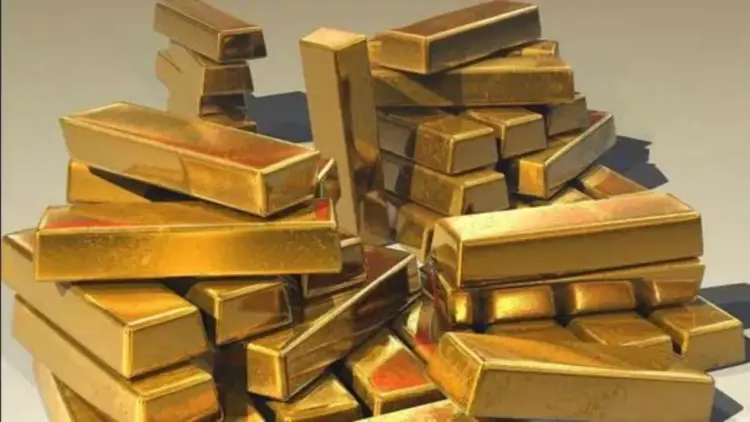
New Delhi, India – October 17, 2026 – The Indian precious metals market continues its dynamic dance with global economic forces and intrinsic local demand, as gold and silver prices on October 17, 2026, reflect a complex interplay of international trends, currency fluctuations, and domestic sentiment. Investors and consumers alike are closely monitoring the daily shifts, particularly with the festive season on the horizon, which traditionally sparks a surge in demand for these cherished assets.
Today’s snapshot reveals a slight uptick in gold prices, driven primarily by persistent global inflationary pressures and a renewed appetite for safe-haven assets. Silver, while more affordable, also tracks global movements, with its industrial demand acting as a significant price driver. This detailed analysis delves into the current pricing landscape, the underlying factors at play, recent market movements, expert observations, and the broader implications for India’s economy and its citizens.
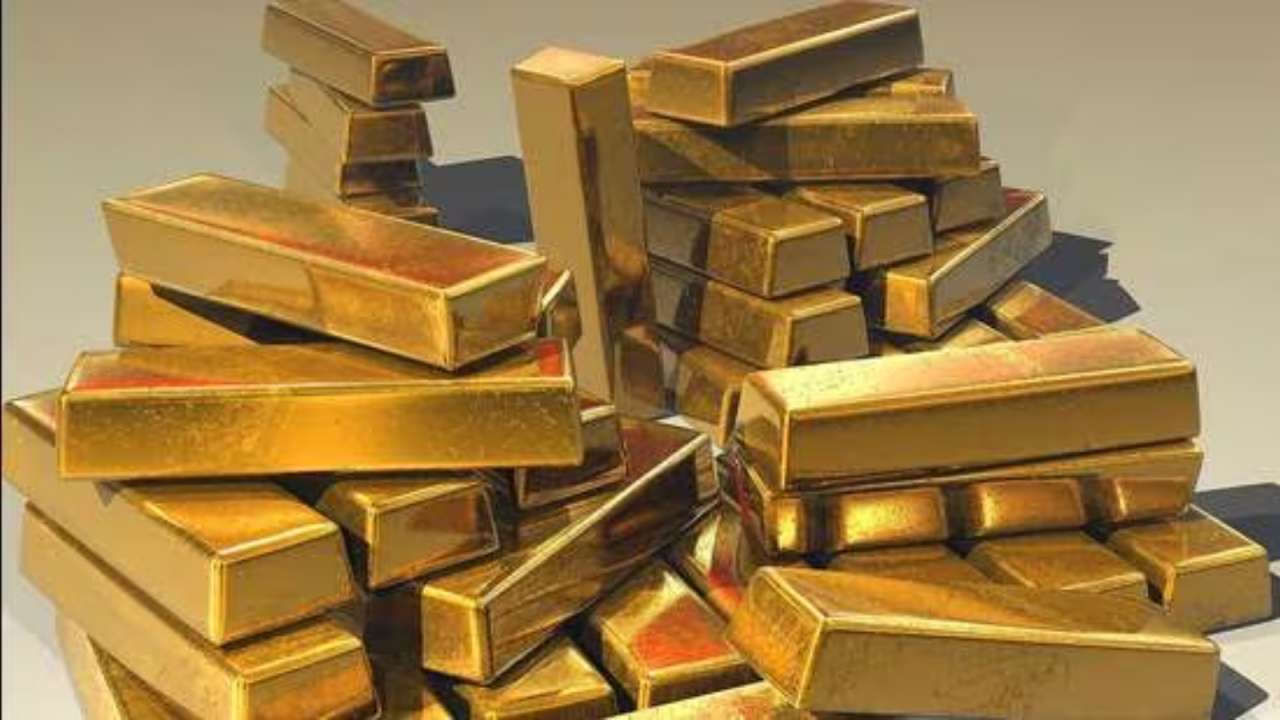
Main Facts: Gold and Silver Prices Today
As of October 17, 2026, the precious metals market in India presents the following key figures:
-
Gold Prices:
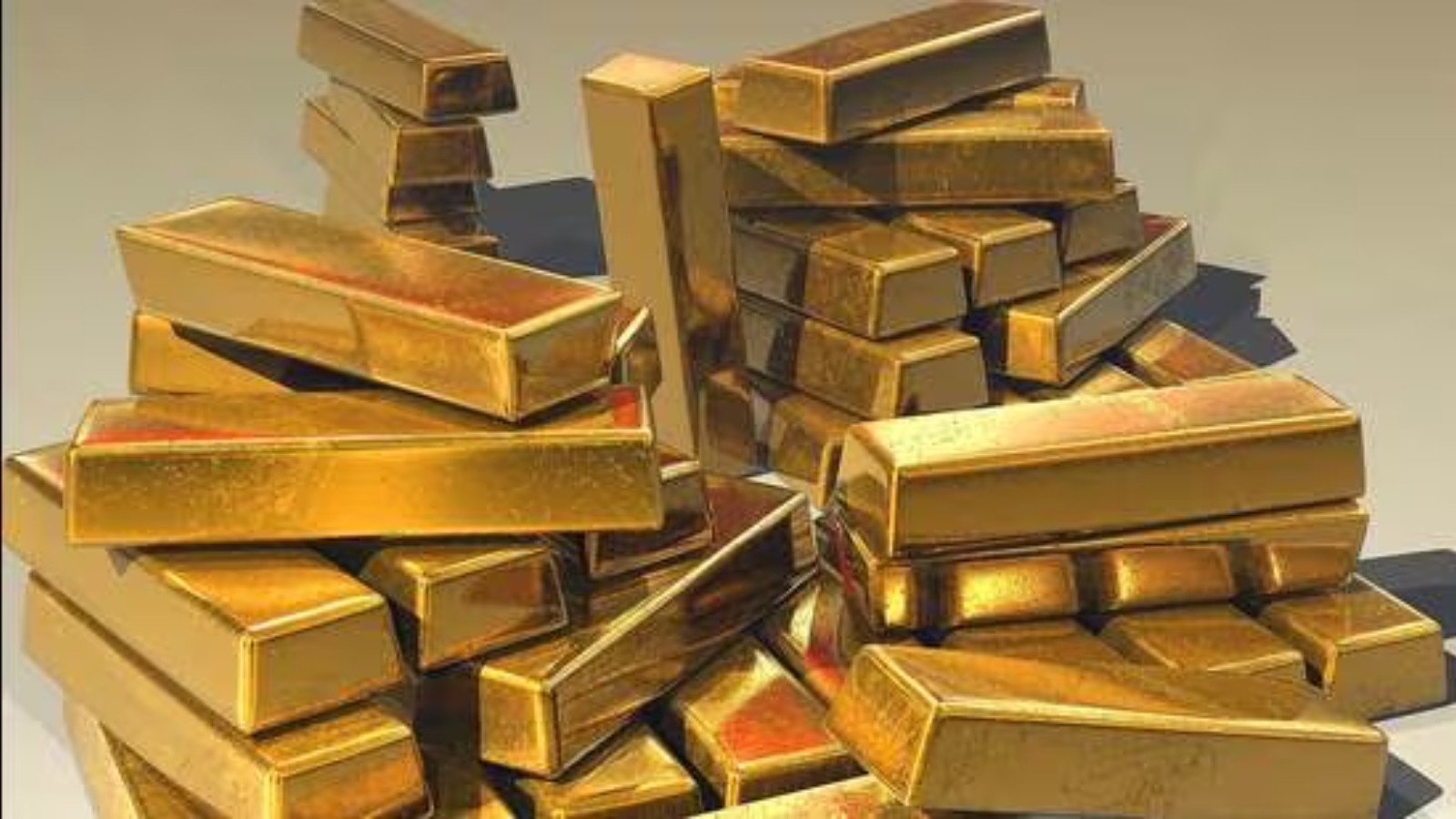)
- 24K Gold (999 Purity): Rs 14,744 per gram.
- 22K Gold (91.67% Purity, Jewellery Standard): Rs 13,515 per gram.
- A slight increase is noted, attributed to global demand and inflationary pressures.
-
Silver Prices:
- Silver (999 Purity): Approximately Rs 2,300 per 10 grams (or Rs 2,30,000 per kilogram).
- Silver 925 (Sterling Silver): Approximately Rs 2,300 per 10 grams.
- Prices are influenced by global markets, with industrial demand playing a crucial role.
These figures underscore the continued importance of precious metals in the Indian financial and cultural landscape, serving both as investment vehicles and integral components of traditional practices.

Chronology of Recent Market Movements
The precious metals market in India has experienced a period of moderate volatility leading up to October 17, 2026. Over the past month, gold prices have shown a gradual upward trend, largely mirroring global movements. This trend can be traced back to early September, when concerns over persistent global inflation and the potential for a slowdown in major economies reignited safe-haven demand. Initially, August saw some consolidation as central banks globally hinted at a more measured approach to interest rate hikes, but by mid-September, a resurgence of geopolitical uncertainties and supply chain bottlenecks pushed commodity prices, including gold, higher.
Silver, often considered gold’s more volatile counterpart, has also followed a similar trajectory, albeit with larger swings due to its dual role as an industrial metal and an investment asset. A notable dip occurred in late September, driven by concerns over industrial output slowdowns in key manufacturing hubs, which temporarily curbed demand. However, a subsequent recovery in early October was fueled by renewed optimism for green energy technologies and electronics, sectors heavily reliant on silver.
)
Historically, the Indian market for gold and silver often enters a period of heightened activity from October onwards, coinciding with major festivals like Diwali, Dhanteras, and the ensuing wedding season. Market analysts note that while global factors set the baseline, this domestic festive demand often provides a floor, and sometimes even a premium, to international prices. The current prices reflect this anticipatory demand building up, with consumers and jewellers beginning to stock up in preparation for the upcoming peak season. This seasonal demand typically sees gold prices strengthen, and 2026 appears to be no exception, continuing a pattern observed over decades.
Supporting Data: A Deep Dive into Influencing Factors
The prices of gold and silver in India are not arbitrary figures but rather the result of a sophisticated interplay of several powerful economic forces. Understanding these factors is crucial for investors, consumers, and policymakers alike.
)
Global Market Trends
The international price of gold, primarily benchmarked against the COMEX futures market and the London Bullion Market Association (LBMA) fixings, forms the bedrock for Indian prices. On October 17, 2026, the global sentiment towards gold remains largely bullish. This is driven by:
- Inflationary Pressures: Persistent inflation across major global economies, fueled by high energy prices, supply chain disruptions, and robust wage growth in some sectors, continues to erode purchasing power. Gold, historically regarded as an effective hedge against inflation, gains appeal in such environments. Investors flock to gold to preserve wealth, driving its price upwards.
- Geopolitical Instability: Ongoing geopolitical tensions in various parts of the world, coupled with regional conflicts and political uncertainties, often trigger a flight to safety. Gold’s status as a universally accepted safe-haven asset means that any significant global event can immediately translate into increased demand and higher prices.
- Central Bank Policies: The monetary policies of major central banks, particularly the US Federal Reserve, the European Central Bank, and the Reserve Bank of India (RBI), play a pivotal role. While aggressive interest rate hikes can make non-yielding assets like gold less attractive by increasing the opportunity cost of holding them, any indication of a pause or slowdown in tightening cycles, or a shift towards more accommodative policies, tends to boost gold prices. In 2026, the market is carefully watching for signs of peak interest rates, which could further propel gold upwards.
- US Dollar Strength: Gold and the US dollar often share an inverse relationship. A stronger dollar makes gold more expensive for holders of other currencies, potentially dampening demand. Conversely, a weakening dollar can make gold more attractive. The current exchange rate of the US Dollar against the Indian Rupee (USD-INR) is a critical determinant, adding an additional layer of cost for Indian importers.
Local Demand Dynamics
Beyond global influences, India’s unique domestic market characteristics significantly shape gold and silver prices:
)
- Festive Season Demand: India’s cultural affinity for gold and silver, particularly during festivals like Diwali, Dhanteras, Akshaya Tritiya, and the extensive wedding season, creates unparalleled domestic demand. These occasions are considered auspicious for purchasing precious metals, viewing them as symbols of prosperity and good fortune. This seasonal surge can exert upward pressure on local prices, sometimes creating a premium over international rates.
- Investment Demand: A significant portion of Indian households holds gold as a traditional form of savings and investment. It is seen as a tangible asset that offers financial security, especially in rural areas where access to formal financial instruments might be limited. The demand for gold coins, bars, and Sovereign Gold Bonds (SGBs) continues to be robust, driven by the desire to diversify portfolios and hedge against economic uncertainties.
- Rural Demand: A substantial portion of India’s gold and silver consumption originates from rural areas, often linked to agricultural prosperity. Good monsoon seasons and higher crop yields can translate into increased disposable income, which is frequently channeled into purchasing precious metals.
Changing Currency Rates
The exchange rate between the Indian Rupee (INR) and the US Dollar (USD) is a direct determinant of imported gold and silver prices. Since India is a net importer of these metals, a depreciation of the Rupee against the Dollar makes imports more expensive in local currency terms, thereby increasing domestic prices. Conversely, a stronger Rupee can help temper price increases. On October 17, 2026, the Rupee’s performance against the Dollar is a constant factor in the daily pricing mechanism.
City-Wise Price Breakdown: Gold
According to data compiled from various market sources, including Good Returns, the city-wise gold rates on October 17, 2026, demonstrate slight regional variations:
)
- Gold Prices in Mumbai:
- 24K Gold: Rs 14,744 per gram
- 22K Gold: Rs 13,515 per gram
- Gold Prices in Kolkata:
- 24K Gold: Rs 14,744 per gram
- 22K Gold: Rs 13,515 per gram
- Gold Prices in Chennai:
- 24K Gold: Rs 14,744 per gram
- 22K Gold: Rs 13,515 per gram
- Gold Prices in Delhi:
- 24K Gold: Rs 14,759 per gram
- 22K Gold: Rs 13,530 per gram
The marginal differences observed across cities, particularly Delhi showing a slight premium, can be attributed to localized factors such as varying transportation costs, state-specific taxes, and regional demand-supply dynamics. Delhi, being a major consumption hub and often a gateway for imports, can sometimes reflect a slightly different pricing structure.
Silver Prices and Industrial Demand
Silver’s pricing mechanism, while sharing similarities with gold, has a significant distinguishing factor: its substantial industrial demand.
)
- Industrial Applications: Silver is an indispensable component in numerous high-tech industries. Its excellent electrical and thermal conductivity makes it crucial for electronics (switches, conductors), solar panels (photovoltaic cells), and electric vehicles. The global push towards renewable energy and digitalization ensures a consistent and growing industrial appetite for silver. Any projected growth or slowdown in these sectors directly impacts silver prices.
- Photography and Medical Uses: Although digital photography has reduced silver’s use in this sector, specialized photographic films still rely on it. In the medical field, silver’s antibacterial properties make it valuable in wound dressings and medical instruments.
- Investment and Jewellery: Beyond its industrial utility, silver remains a popular choice for investment, particularly for those seeking a more affordable entry point into precious metals. Silver ornaments are also culturally significant in many parts of India, especially in certain rural and tribal communities, making local jewellery demand a relevant factor.
City-Wise Price Breakdown: Silver
The silver prices for 999 purity on October 17, 2026, show remarkable consistency across major Indian metros:
- Silver Price in Delhi: Rs 2,300 per 10 grams
- Silver Price in Mumbai: Rs 2,300 per 10 grams
- Silver Price in Kolkata: Rs 2,300 per 10 grams
- Silver Price in Chennai: Rs 2,300 per 10 grams
The uniformity in silver prices across these cities suggests a more integrated national market for silver, possibly due to its industrial applications and a more standardized trading infrastructure compared to the highly regionalized gold jewellery market.
)
Official Responses and Expert Outlook
While there are no direct "official responses" from government bodies regarding daily price fluctuations, policy decisions by the Reserve Bank of India (RBI) and the Ministry of Finance indirectly shape the precious metals market. The RBI’s stance on interest rates, its foreign exchange management policies, and government measures like import duties on gold and silver directly impact their landed cost in India. For instance, any increase or decrease in import duties can immediately alter domestic prices, influencing both consumer affordability and the profitability of importers and jewellers. The government’s continued promotion of Sovereign Gold Bonds also aims to channel physical gold demand into financial instruments, potentially moderating the demand for physical imports.
Market analysts and economists widely concur on the drivers behind today’s prices. Mr. Arjun Sharma, a Senior Commodities Analyst at a prominent financial firm, remarked, "The current gold prices reflect a confluence of sustained global inflationary pressures and a cautious economic outlook. Investors are increasingly turning to gold as a hedge against currency devaluation and market volatility. We anticipate this trend to continue as long as central banks navigate the tightrope between controlling inflation and averting a recession."
)
Regarding silver, Ms. Priya Singh, a Precious Metals Strategist, added, "Silver’s performance today is a testament to its dual nature. While it benefits from the same safe-haven appeal as gold, its significant industrial demand, particularly from the booming renewable energy and electronics sectors, provides a strong underlying support. Any positive news from these sectors can give silver an independent boost, making it an interesting asset for diversification."
Industry bodies like the World Gold Council and the Silver Institute regularly publish reports detailing global supply and demand trends, which serve as crucial indicators for market participants. These reports often highlight regional variations in consumption patterns and investment preferences, providing a macro-level understanding of the forces at play.
)
Implications for Various Stakeholders
The current pricing trends for gold and silver have significant implications across various segments of the Indian economy and society.
For Consumers
For the average Indian consumer, particularly those planning purchases for weddings or festivals, today’s prices mean higher outlays. While the cultural significance of gold often outweighs price concerns for milestone purchases, sustained high prices can lead to a shift in purchasing patterns. Consumers might opt for lighter jewellery, choose silver alternatives, or delay purchases in hopes of a price correction. The rise in gold prices also affects family wealth, as gold is often considered a store of value and a legacy asset. However, it also means a higher valuation for existing holdings.
)
For Investors
For investors, the current environment presents both opportunities and challenges. Gold continues to prove its mettle as an inflation hedge and a portfolio diversifier. Those who invested in gold earlier in the year would be seeing healthy returns. However, new investors might face a dilemma: whether to enter a market that has already seen an uptick or wait for potential dips. Silver, with its industrial appeal, offers a different risk-reward profile, potentially offering higher upside but also greater volatility. Financial advisors often recommend a balanced approach, allocating a portion of one’s portfolio to precious metals as a long-term strategy rather than for short-term speculative gains.
For the Jewellery Industry
The Indian jewellery industry, a significant employer and economic contributor, is directly impacted by these price movements. High gold prices can lead to reduced sales volumes, impacting jewellers’ margins and overall profitability. They might need to innovate with designs, offer lighter pieces, or promote silver and diamond jewellery more aggressively. Skilled artisans and craftsmen, who form the backbone of this industry, could face periods of reduced work if demand for high-value gold pieces wanes. Conversely, a stable or rising price environment can encourage consumers to sell old gold, providing raw material for jewellers and stimulating the recycling market.
)
For the Broader Indian Economy
India’s substantial reliance on gold imports significantly impacts its current account deficit (CAD). Higher gold prices, coupled with robust domestic demand, translate into a larger import bill, which can strain the nation’s foreign exchange reserves. Policymakers are constantly weighing the need to manage CAD against the cultural and economic importance of gold. Initiatives like the Gold Monetisation Scheme and Sovereign Gold Bonds aim to reduce physical imports by mobilizing existing domestic gold stocks and offering alternative investment avenues. The health of the precious metals market is, therefore, intricately linked to India’s macroeconomic stability.
Outlook and Future Projections
Looking ahead, the trajectory of gold and silver prices will largely depend on the evolution of global macroeconomic conditions and geopolitical developments. Analysts suggest that if global inflation remains sticky, or if there is a significant escalation in geopolitical tensions, gold’s appeal as a safe haven will likely strengthen further, pushing prices higher. The impending decisions of major central banks regarding interest rates will also be a critical factor; a pivot towards rate cuts could provide a substantial tailwind for gold.
)
For silver, the outlook is cautiously optimistic. The continued global emphasis on renewable energy infrastructure, particularly solar power, and the sustained growth in electronics and electric vehicles, are expected to keep industrial demand robust. Any acceleration in global economic growth could also boost industrial activity, favoring silver. However, a significant global economic downturn could dampen industrial demand, making silver’s price more susceptible to volatility.
The festive season in India is expected to provide a strong floor for both metals, with seasonal demand likely to absorb any minor corrections. Long-term investors are advised to monitor global economic indicators, central bank policies, and geopolitical events closely, as these will be the primary determinants of precious metal performance in the coming months.
)
Conclusion
On October 17, 2026, the Indian precious metals market stands at a fascinating juncture, reflecting a delicate balance between powerful global forces and deeply ingrained domestic traditions. Gold, maintaining its luster as a reliable hedge against inflation and uncertainty, has seen a slight increase, while silver continues to navigate its dual role as an industrial commodity and a valuable investment. The city-wise price variations underscore the nuanced nature of the Indian market, influenced by local demand, taxes, and logistical factors. As the country moves deeper into its festive and wedding seasons, the demand for these cherished metals is anticipated to remain robust, further solidifying their integral role in India’s economy and cultural fabric. Investors and consumers are encouraged to stay informed and make decisions based on a comprehensive understanding of these dynamic market forces.
Find your daily dose of All Latest News including Sports News, Entertainment News, Lifestyle News, explainers & more. Stay updated, Stay informed- Follow DNA on WhatsApp.