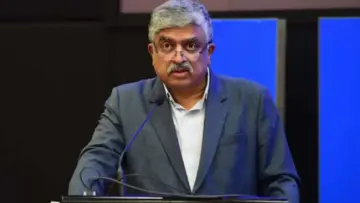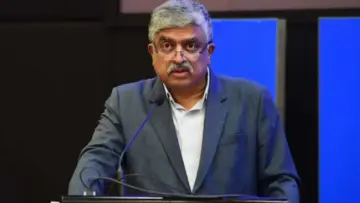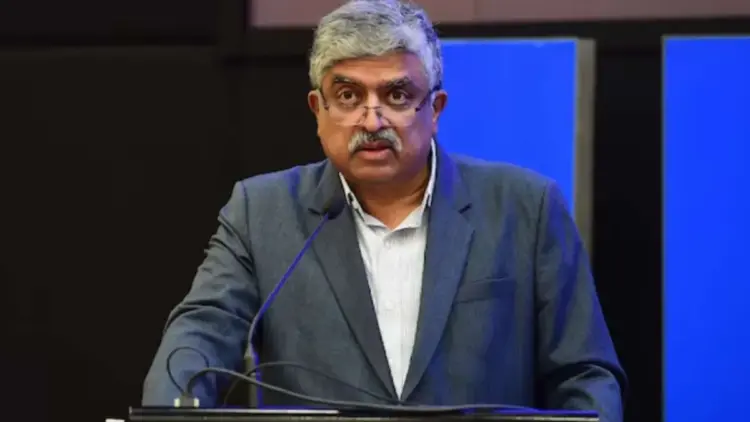
Bengaluru, India – October 14, 2026 – In a bold and forward-thinking move to address the persistent scourge of examination paper leaks, Nandan Nilekani, the distinguished co-founder of Infosys and a leading figure in India’s digital revolution, has put forth a transformative proposal: leveraging Artificial Intelligence (AI) to generate question papers at the eleventh hour. This innovative concept, unveiled at the Bloomberg New Economy Forum 2026, signals a potential paradigm shift in how India conducts its high-stakes examinations, moving away from traditional, static question papers towards a dynamic, AI-powered system.
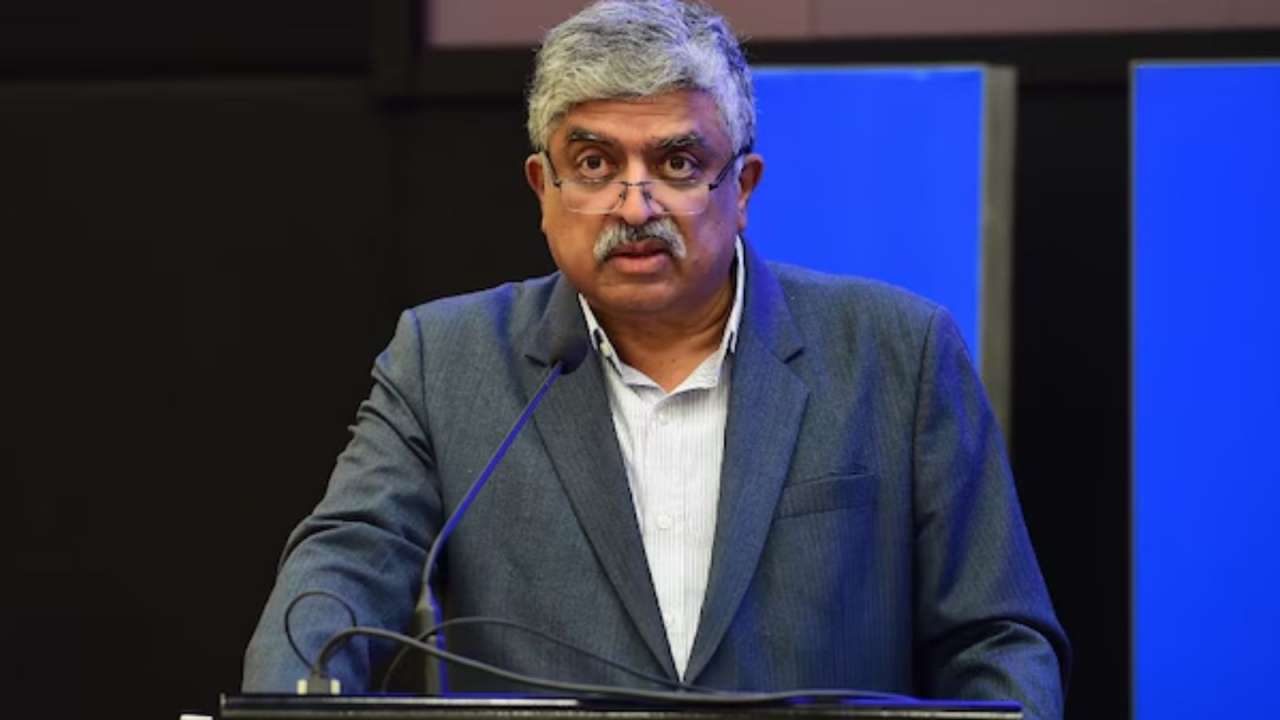
Nilekani, who is at the helm of a six-member task force on exam reforms constituted by the central government in July, articulated his vision during a session on Tuesday. The task force has been diligently working to identify systemic weaknesses in the examination process and propose robust solutions. The core of Nilekani’s proposal lies in dismantling the very "economic incentive" that fuels paper leaks. By eliminating the existence of a pre-determined, static question paper, the motivation to acquire and sell it is significantly diminished.
)
The AI Advantage: Generating Questions on Demand
The current system, where question papers are set well in advance and distributed through a complex supply chain, presents multiple vulnerabilities. These papers, once finalized, become valuable commodities for those seeking to exploit the system. Nilekani’s revolutionary idea tackles this head-on. "Why do we need to have something called ‘a question paper’?" he questioned rhetorically at the forum. "Because that creates an economic incentive for it to be sold. One way to look at how to solve it is to have a massive bank of questions, and only at the last minute generate the question paper for the day."

This approach envisions a vast repository of meticulously curated questions, categorized and tagged for difficulty, subject matter, and learning outcomes. AI algorithms would then be employed to dynamically assemble unique question papers for each examination session, drawing from this extensive database. The sheer unpredictability of the generated paper would render any prior leak attempts futile, as the specific set of questions would only materialize moments before the examination commences.
)
While Nilekani did not delve into the specifics of how the question bank itself would be secured, the immediate implication of his proposal is the elimination of the physical paper leak. The focus shifts from safeguarding a tangible document to securing a dynamic, digitally generated output. This would necessitate a robust cybersecurity framework to protect the AI algorithms and the question bank from any malicious intrusion or manipulation.
)
The Imperative for Computer-Based Testing (CBT)
Nilekani’s groundbreaking proposal for AI-generated question papers is intrinsically linked to a broader push for the widespread adoption of Computer-Based Testing (CBT) across all major examinations in India. He emphasized that the "massive bank of questions" and the "last-minute generation" model are only feasible within a digital testing environment.
)
"The committee is looking at how to make sure all exams are done on CBT. That requires a network of locations," Nilekani stated. This indicates a significant infrastructure development plan, aiming to establish a widespread network of testing centers capable of administering computer-based examinations. The current infrastructure, with approximately 1,50,000 potential locations for young candidates to take tests, needs to be expanded and upgraded to meet the demands of a nationwide CBT rollout.
)
The shift to CBT offers several advantages beyond preventing paper leaks. It allows for more efficient administration, faster evaluation, and the potential for immediate results. Furthermore, it can accommodate a wider variety of question formats, including interactive elements, simulations, and multimedia content, leading to a more comprehensive and accurate assessment of a candidate’s abilities.
)
Navigating the Digital Divide and Infrastructure Challenges
However, the ambitious vision of a nationwide CBT rollout is not without its challenges. A significant concern that remains unaddressed by Nilekani’s public statements is the persistent digital divide in India. Large swathes of the country, particularly rural areas, grapple with unreliable internet connectivity and limited access to digital devices. Implementing a purely CBT model without addressing these disparities could disenfranchise a substantial portion of the student population.
)
The report from The Hindu, citing efforts by the National Testing Agency (NTA), suggests a collaborative approach to establishing suitable testing centers. The NTA is reportedly seeking assistance from the All India Council for Technical Education (AICTE) to identify IT infrastructure and government institutions that can serve as standard testing centers. The deliberate avoidance of private centers underscores a continued concern for maintaining the integrity of the examination process, even within a digital framework.
)
The success of this transition hinges on a multi-pronged strategy that includes:
)
- Infrastructure Development: Investing in reliable internet connectivity and computing facilities in underserved areas.
- Digital Literacy Programs: Equipping students and invigilators with the necessary digital skills to navigate CBT platforms.
- Hybrid Models: Exploring phased implementation or hybrid models that may incorporate offline components where necessary, especially in the initial stages.
- Robust Cybersecurity: Ensuring the security and integrity of CBT platforms and the AI-driven question generation system.
The Genesis of the Task Force and Its Mandate
The urgency behind these reform proposals stems from a series of high-profile paper leaks that have plagued the Indian examination system, leading to widespread public outcry and protests. The resignation of Education Minister Dharmendra Pradhan in July, amidst the furore over leaks, underscored the gravity of the situation and the need for decisive action.
)
In response, the central government constituted a six-member task force on exam reforms, with Nandan Nilekani, a figure synonymous with technological innovation and systemic change in India, at its helm. The panel, a formidable assembly of expertise, includes distinguished individuals such as former ISRO chief S. Somanath and former IB director Tapan Deka. This diverse composition brings together a wealth of experience from scientific, intelligence, and administrative domains, essential for tackling such a complex issue.
)
The task force was given a three-month timeframe to submit its report, a testament to the pressing need for immediate solutions. In its relatively short tenure, the committee has been exceptionally active, conducting 18 internal meetings and engaging in extensive consultations with over 40 stakeholders. These stakeholders encompass a broad spectrum, including students, parents, and various examination bodies such as the National Recruitment Agency (NRA), Staff Selection Commission (SSC), and the Railway Recruitment Boards (RRB). The collective wisdom gathered from over 50,000 suggestions from these diverse groups forms the bedrock of the task force’s recommendations.
)
Broader Implications and the Future of Examinations
Nandan Nilekani’s proposal represents a significant departure from conventional examination practices. If implemented successfully, it could not only stem the tide of paper leaks but also usher in an era of more transparent, efficient, and robust assessment systems in India. The integration of AI into the examination process opens up possibilities for:
)
- Personalized Learning: AI could potentially analyze student performance data to tailor future examinations, focusing on areas where students might need more reinforcement.
- Enhanced Security: Beyond paper leaks, AI could be employed to detect malpractices during the examination itself, such as impersonation or cheating.
- Data-Driven Insights: The vast amounts of data generated from CBT and AI-driven assessments could provide valuable insights into educational trends and areas requiring policy intervention.
However, the journey from proposal to implementation will be intricate. It will require significant investment in technology, infrastructure, and human capital. Crucially, it will demand a concerted effort to bridge the digital divide and ensure equitable access to these new examination formats. The success of Nilekani’s vision hinges on a delicate balance between technological innovation and inclusive implementation, ensuring that the future of examinations in India is not only secure and efficient but also accessible to all. The coming months will be critical as the task force finalizes its report and the government considers the path forward, with the prospect of AI-generated question papers poised to redefine the landscape of Indian education.