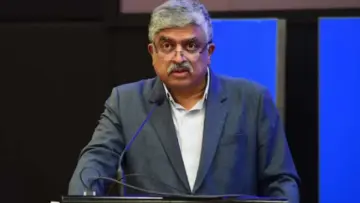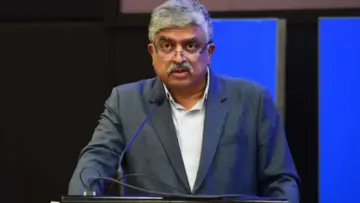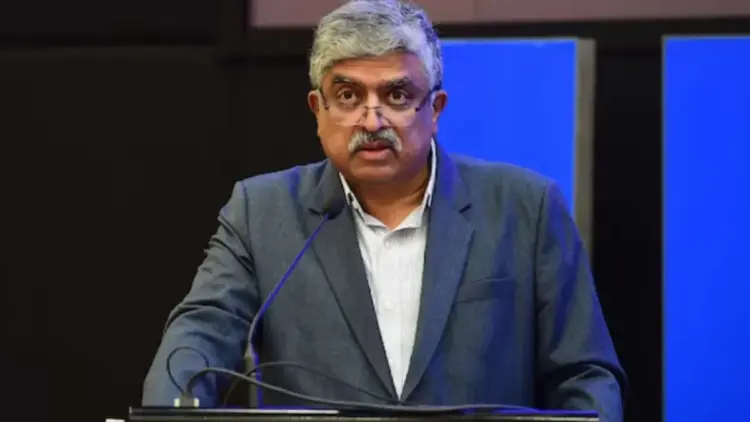
New Delhi, India – October 14, 2026 – In a bold move to address the persistent scourge of examination paper leaks that plague India’s education system, Nandan Nilekani, a distinguished co-founder of Infosys and a leading figure in the nation’s digital transformation, has put forth a radical proposal: leveraging Artificial Intelligence (AI) to generate question papers at the eleventh hour. This innovative approach, presented at the Bloomberg New Economy Forum 2026, aims to dismantle the economic incentives that fuel illicit leaks and fundamentally shift the paradigm of how major competitive and academic examinations are conducted.
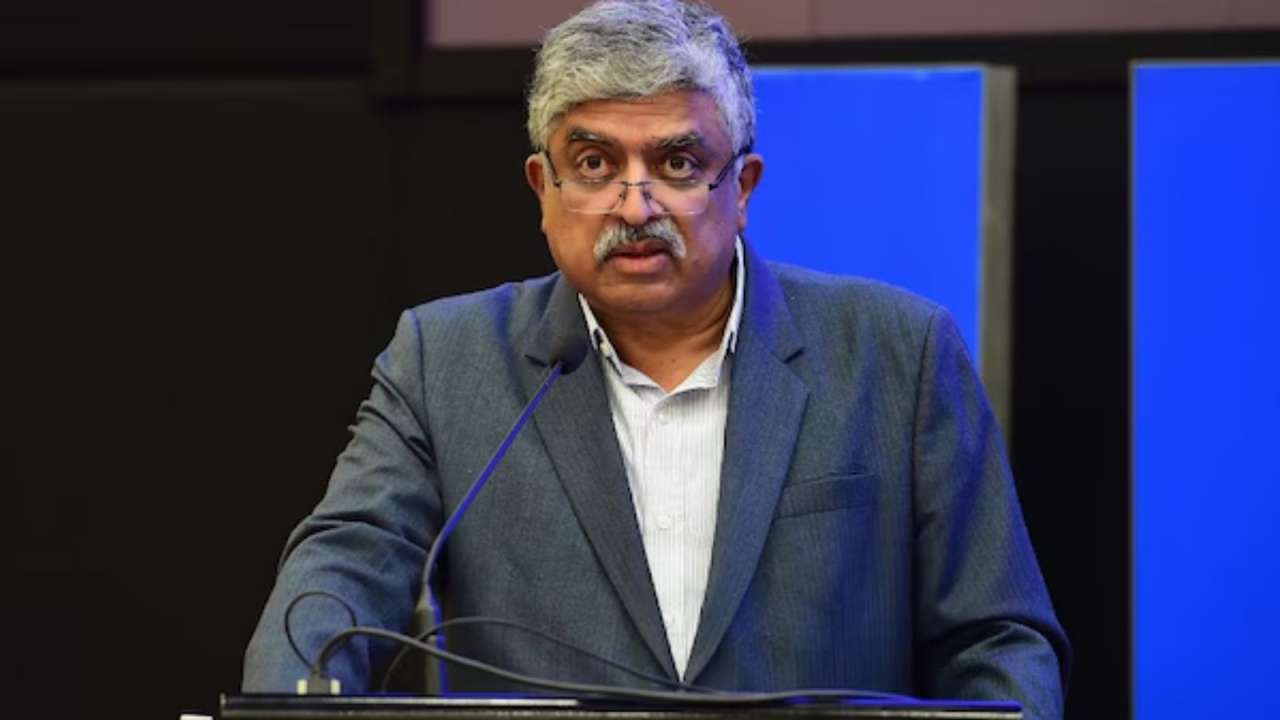
Nilekani, who is spearheading a high-powered six-member task force on exam reforms established by the central government in July, articulated his vision for a future where the very concept of a pre-determined, static question paper becomes obsolete. This proposal, if implemented, signifies a potential watershed moment for millions of students, educators, and examination bodies across the country, offering a glimmer of hope against a deeply entrenched problem.
The AI-Powered Panacea: Dismantling the Leakage Economy
The core of Nilekani’s proposition lies in its direct assault on the profitability of paper leaks. "Why do we need to have something called ‘a question paper’?" he posited during his address. "Because that creates an economic incentive for it to be sold." This simple yet profound question cuts to the heart of the issue. The current system, which relies on preparing question papers weeks or even months in advance, inadvertently creates a valuable commodity that can be illicitly traded, leading to widespread unfairness and eroding the credibility of examinations.

Nilekani’s proposed solution involves the creation of a "massive bank of questions." This extensive repository would serve as the raw material from which question papers are dynamically generated, not days or hours before the exam, but "only at the last minute." This dynamic generation process, powered by sophisticated AI algorithms, would ensure that no two question papers are identical, and crucially, that no one outside the secure system has access to the specific questions until the moment they are meant to be revealed.

This "just-in-time" generation of question papers would render the traditional methods of leaking and selling papers entirely futile. If the questions are not finalized until moments before the examination commences, there is simply no opportunity for them to be intercepted and disseminated. The economic incentive, the very engine of the leakage racket, would be effectively dismantled.

However, Nilekani acknowledged that this innovative model is intrinsically linked to the mode of examination. He explicitly stated that this approach would "only be possible if exams are held in computer-based test mode." This crucial caveat underscores the need for a simultaneous overhaul of the examination infrastructure, moving away from traditional pen-and-paper formats towards digital platforms. While Nilekani did not delve into the specifics of whether the question bank itself could face risks of compromise, the emphasis on last-minute generation aims to mitigate this by limiting the exposure window of any specific set of questions.

A Paradigm Shift: The Imperative of Computer-Based Testing
The successful implementation of Nilekani’s AI-driven question paper generation hinges on a widespread adoption of Computer-Based Testing (CBT). The task force, he revealed, is actively exploring the feasibility of transitioning "all exams" to CBT. This ambitious goal necessitates a significant expansion of testing infrastructure across the nation.

"The committee is looking at how to make sure all exams are done on CBT. That requires a network of locations," Nilekani explained. He highlighted the existing potential of "1,50,000 locations where young candidates can take a test," emphasizing that this network "needs to be expanded." This suggests a strategic plan to identify, equip, and manage a vast network of testing centers capable of administering digital examinations reliably and securely.

The move towards CBT is not merely about facilitating AI-generated papers. It also offers inherent advantages in terms of efficiency, scalability, and standardized assessment. Digital platforms allow for immediate scoring, reduced logistical complexities associated with manual answer sheet handling, and a more consistent testing environment.

However, the transition to CBT is not without its challenges, particularly in a country as diverse and geographically varied as India. Nilekani’s statement did not explicitly address how this widespread CBT adoption would navigate the persistent digital divide that separates urban and rural students, or the issues of internet connectivity in remote areas. Ensuring equitable access to technology and stable internet infrastructure will be paramount to prevent the shift to CBT from exacerbating existing inequalities.

Adding another layer to the infrastructural challenge, a report in The Hindu indicated that the National Testing Agency (NTA) is collaborating with the All India Council for Technical Education (AICTE) to identify suitable IT infrastructure and government institutions for establishing standardized testing centers. A key aspect of this collaboration is the conscious decision to "avoid private centers due to integrity concerns," suggesting a preference for government-controlled facilities to maintain a higher degree of control and security.

The Genesis of Reform: A Task Force Born from Crisis
The establishment of the exam reforms task force is a direct response to a series of high-profile paper leaks that have rocked the nation, leading to widespread student protests and significant political fallout. The resignation of Union Education Minister Dharmendra Pradhan in July, following intense pressure over these leaks, underscored the gravity of the situation and the urgent need for comprehensive reform.

The six-member task force, tasked with charting a new course for examination integrity, is a formidable body comprising some of India’s most respected minds. Led by Nandan Nilekani, its members include former ISRO Chairman S. Somanath and former Intelligence Bureau (IB) Director Tapan Deka. This diverse expertise, spanning technology, space, and national security, suggests a holistic approach to understanding and addressing the multifaceted challenges of exam reform.

The task force has been granted a three-month period to submit its report, a testament to the urgency of the mandate. In this relatively short timeframe, the committee has been exceptionally diligent, conducting 18 internal meetings and engaging in extensive consultations with 40 stakeholders. This engagement process has been remarkably inclusive, gathering feedback and suggestions from over 50,000 individuals, including students, parents, and representatives from various exam bodies such as the National Recruitment Agency (NRA), the Staff Selection Commission (SSC), and the Railway Recruitment Boards (RRB). This extensive consultation process is crucial for ensuring that any proposed reforms are not only technically sound but also practical and widely accepted.

Broader Implications and the Road Ahead
Nandan Nilekani’s proposal to use AI for last-minute question paper generation and the push for universal Computer-Based Testing represent a significant departure from traditional examination practices. If successfully implemented, these reforms could have far-reaching implications:

- Restored Faith in Meritocracy: By effectively curbing paper leaks, the reforms would restore faith in the principle of meritocracy, ensuring that students are assessed based on their genuine knowledge and abilities, not on their access to leaked material.
- Reduced Student Anxiety: The constant fear of paper leaks and the ensuing uncertainty surrounding exam results have taken a significant toll on students’ mental well-being. These reforms could alleviate this pervasive anxiety.
- Enhanced Efficiency and Transparency: CBT, coupled with automated generation and assessment, can streamline the examination process, making it more efficient and transparent.
- Technological Advancement: The implementation of these reforms would necessitate a significant investment in and adoption of cutting-edge technologies, fostering innovation in the education sector.
- Addressing the Digital Divide: A critical challenge that remains is ensuring that the transition to CBT does not disadvantage students from socio-economically weaker sections or remote areas. Proactive measures to bridge the digital divide, such as providing access to devices and reliable internet, will be crucial.
- Security of the Question Bank: While the focus is on last-minute generation, the security of the AI algorithms and the question bank itself will be of paramount importance. Robust cybersecurity measures will be essential to prevent any potential manipulation or compromise.
The coming months will be critical as the task force finalizes its recommendations. The success of Nilekani’s vision will depend on a confluence of technological innovation, robust infrastructure development, and a strong political will to implement these transformative changes. The promise of AI-generated question papers and a nationwide shift to computer-based testing offers a compelling pathway towards a fairer, more secure, and ultimately more credible examination system for India. The journey is complex, but the potential reward – an education system truly reflective of merit – is immeasurable.