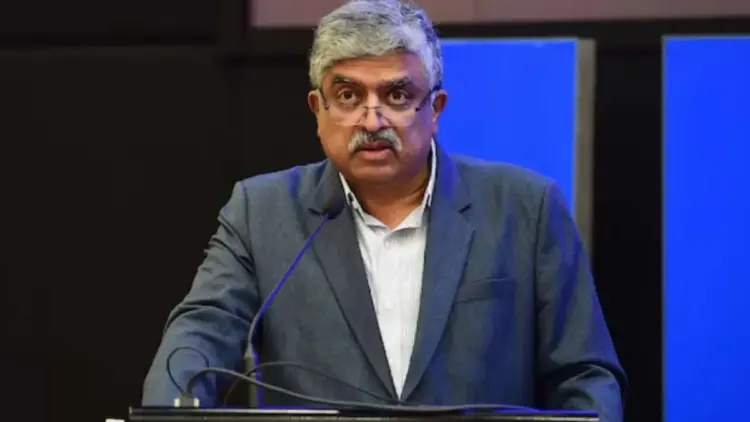
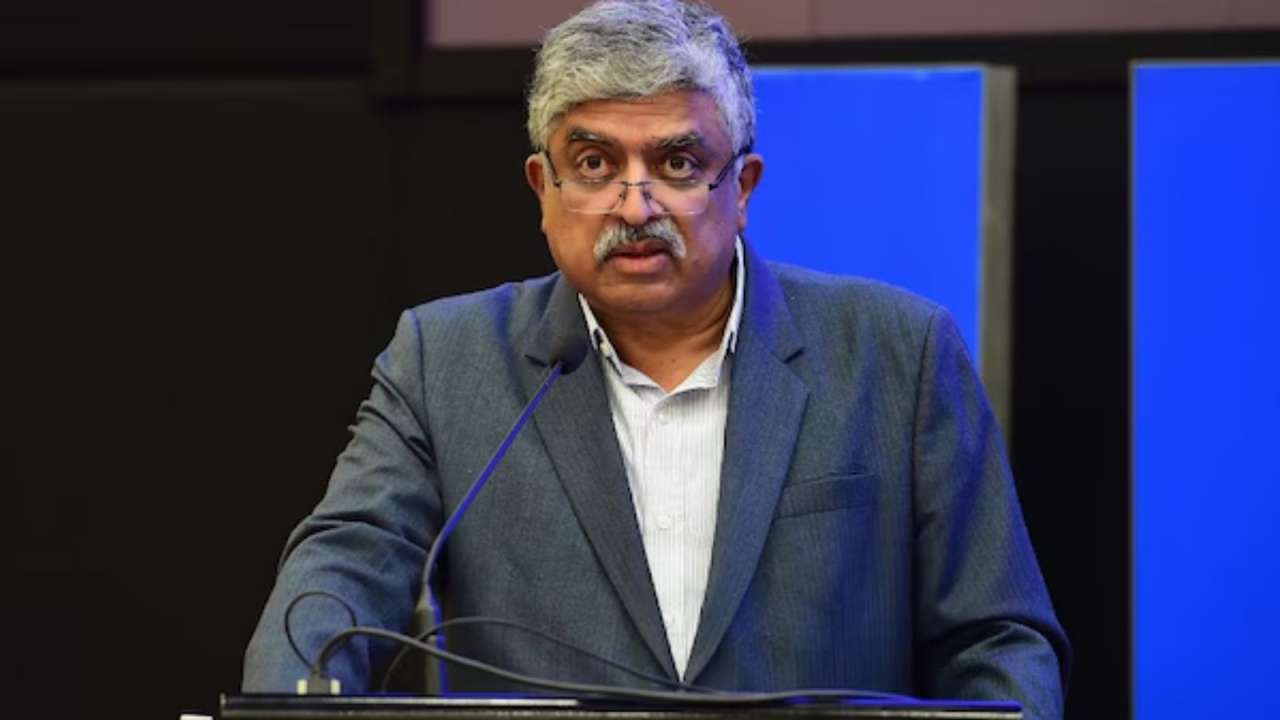
New Delhi – In a bold move to address the persistent scourge of examination paper leaks, Nandan Nilekani, the visionary co-founder of Infosys and a leading figure in India’s digital revolution, has proposed a radical reimagining of the examination system. Speaking at the prestigious Bloomberg New Economy Forum 2026, Nilekani advocated for the last-minute generation of question papers using Artificial Intelligence (AI) and a decisive shift towards computer-based testing (CBT) for all major examinations. This innovative approach, championed by a government-appointed task force on exam reforms that Nilekani heads, aims to dismantle the economic incentives that fuel the illicit trade of leaked papers and usher in an era of enhanced exam integrity.
The gravity of the problem cannot be overstated. Frequent paper leaks have not only undermined the credibility of crucial entrance and recruitment examinations but have also inflicted immense psychological distress and financial burden on millions of aspiring students across India. From the National Eligibility cum Entrance Test (NEET) for medical admissions to various public service recruitment exams, the specter of leaked papers has cast a long shadow, breeding cynicism and despair. It is against this backdrop that Nilekani’s proposals offer a beacon of hope, promising a technological leap forward to secure the future of merit-based selection.
The AI Gambit: Dismantling the Leaking Economy
At the heart of Nilekani’s proposal lies a fundamental re-evaluation of the concept of a "question paper." He articulated this during his address, stating, "Why do we need to have something called ‘a question paper’? Because that creates an economic incentive for it to be sold." This simple yet profound observation points to the core vulnerability of the current system: the static nature of question papers, which, once finalized, become a tangible commodity ripe for exploitation.
Nilekani’s envisioned solution involves harnessing the power of AI to create a vast, dynamic question bank. From this expansive reservoir, individual question papers would be generated instantaneously, mere hours, or even minutes, before the examination commences. This "just-in-time" generation model would render pre-examination leaks virtually impossible. The sheer volume of potential question papers, each unique and tailored for a specific examination session, would make the effort of obtaining and distributing a leaked paper an insurmountable logistical and financial challenge for illicit syndicates.
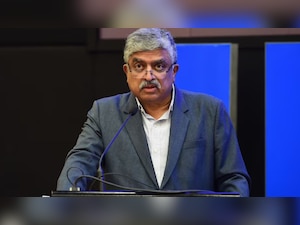
This AI-driven approach would necessitate a significant shift in the examination paradigm. It is only feasible within a computer-based testing environment, where digital question generation and secure delivery to individual testing terminals can be seamlessly integrated. Nilekani acknowledged this crucial dependency, emphasizing that "this model would only be possible if exams are held in computer-based test mode." The implications of this statement are far-reaching, signaling a potential end to the era of paper-and-pen examinations for major national assessments.
While Nilekani did not explicitly detail the mechanisms to safeguard the AI model and the question bank itself from potential internal compromises or sophisticated cyber-attacks, the underlying principle is to significantly elevate the difficulty and risk associated with any leak attempt. The focus shifts from preventing the leak of a single, predetermined document to thwarting the exploitation of a complex, constantly evolving digital system.

The Digital Imperative: A Nationwide Push for Computer-Based Testing
Complementing the AI-powered question generation, Nilekani’s task force is actively advocating for a comprehensive transition to computer-based testing (CBT) for all major examinations. This move is not merely about facilitating AI integration; it is also about enhancing efficiency, accuracy, and security in the examination process itself.
"The committee is looking at how to make sure all exams are done on CBT," Nilekani confirmed. He highlighted the existing infrastructure, stating, "We have 1,50,000 locations where young candidates can take a test and that needs to be expanded." This suggests a strategic plan to leverage existing educational institutions and potentially public sector facilities to create a robust network of standardized testing centers.

The advantages of CBT are manifold. It allows for instant scoring and results, significantly reducing the time lag between examination and outcome. It also minimizes human error in evaluation and provides a more secure environment, with digital proctoring and monitoring systems that can detect malpractices in real-time. Furthermore, CBT facilitates the creation of adaptive testing modules, where the difficulty of questions can adjust based on a candidate’s performance, providing a more nuanced and accurate assessment of their abilities.
However, the ambitious push towards CBT is not without its challenges, particularly in a country with a vast and diverse population like India. Nilekani’s statement did not elaborate on how this transition would address the persistent digital divide that exists between urban and rural areas, or how students in regions with limited internet connectivity and access to digital devices would be accommodated. This remains a critical hurdle to overcome to ensure equitable access to examinations.

Reports from publications like The Hindu indicate that the National Testing Agency (NTA) is actively seeking collaboration with the All India Council for Technical Education (AICTE) to identify suitable IT infrastructure and government institutions for establishing standardized testing centers. The deliberate exclusion of private centers from this initial phase underscores a concern for maintaining the integrity of the examination process, prioritizing government oversight and accountability.
A Deep Dive into the Task Force and its Mandate
The genesis of these far-reaching proposals lies within a high-powered task force established by the central government on July 26, 2026. The formation of this committee followed a period of intense public scrutiny and widespread protests stemming from a series of high-profile paper leaks, which even led to the resignation of the then Education Minister, Dharmendra Pradhan.

Chaired by the eminent Nandan Nilekani, the six-member task force comprises individuals with distinguished backgrounds and extensive experience in their respective fields. Notable members include former ISRO chief S. Somanath, whose expertise in complex technological projects is invaluable, and former IB director Tapan Deka, bringing a wealth of knowledge in intelligence and security. The inclusion of such eminent personalities underscores the government’s commitment to a thorough and robust examination reform process.
The task force has been granted a three-month mandate to submit its comprehensive report. In pursuit of this objective, it has undertaken a rigorous and inclusive consultation process. To date, the committee has conducted 18 internal meetings to deliberate on various aspects of exam reforms and engaged in 40 extensive stakeholder consultations. These consultations have brought together a diverse range of voices, including students, parents, academics, and representatives from various examination bodies such as the National Recruitment Agency (NRA), the Staff Selection Commission (SSC), and the Railway Recruitment Boards (RRB). This broad engagement has resulted in the collection of over 50,000 valuable suggestions, reflecting the deep concern and active participation of the public in shaping the future of examinations.

Broader Implications and the Path Forward
Nandan Nilekani’s proposals, while ambitious, represent a forward-thinking approach to a deeply entrenched problem. The integration of AI for question paper generation and the widespread adoption of computer-based testing have the potential to fundamentally transform the examination landscape in India.
For Students: The prospect of an examination system free from the fear of paper leaks offers a renewed sense of fairness and equal opportunity. Students can focus on their studies and preparation, confident that their merit will be the sole determinant of their success.

For Educational Institutions: The shift to CBT could streamline administrative processes, reduce logistical complexities, and provide more accurate and timely feedback on student performance.
For the Government: Successfully implementing these reforms would significantly bolster public trust in the examination system and demonstrate a commitment to meritocracy and good governance.

However, the success of these initiatives hinges on meticulous planning and execution. Addressing the digital divide will be paramount to ensure that no student is left behind. Robust cybersecurity measures will be essential to protect the AI systems and the integrity of the digital examination infrastructure. Furthermore, comprehensive training programs will be required for both examination administrators and students to adapt to the new technological paradigms.
The journey towards a leak-proof, efficient, and equitable examination system is complex. Nandan Nilekani’s vision, powered by cutting-edge technology and a commitment to inclusivity, offers a compelling roadmap. The coming months will be critical as the task force finalizes its recommendations, and the nation watches with anticipation for the dawn of a new era in examinations, one where technology empowers integrity and merit truly prevails. The Bloomberg New Economy Forum has served as a vital platform for these groundbreaking ideas, setting the stage for a much-needed revolution in how India assesses its future leaders and professionals.