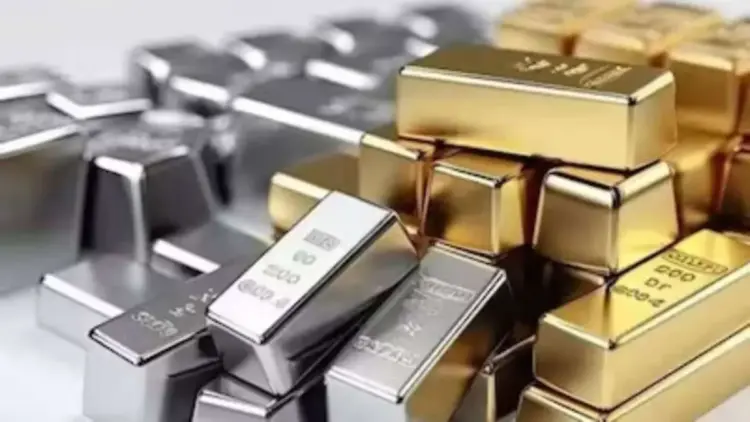
NEW DELHI, India – October 22, 2026 – India’s enduring fascination with gold and silver continues to drive a dynamic market, with prices for both precious metals experiencing significant shifts influenced by an intricate web of global economic forces, domestic demand, and currency valuations. As of October 22, 2026, the nation witnesses a notable uptick in gold prices, propelled by sustained global demand and persistent inflationary pressures, while silver maintains its upward trajectory, bolstered by both investment appeal and burgeoning industrial applications.
The price of 24-carat gold (999 pure) has settled at Rs 14,744 per gram across major Indian cities, with Delhi registering a slightly higher rate at Rs 14,759 per gram. Similarly, 22-carat gold, the preferred choice for jewellery, is priced at Rs 13,515 per gram nationally, and Rs 13,530 per gram in the capital. Silver, often seen as gold’s more volatile counterpart, commands a price of Rs 2,300 per 10 grams for its 999 purity, equivalent to Rs 230,000 per kilogram, mirroring rates across key metropolitan centres.
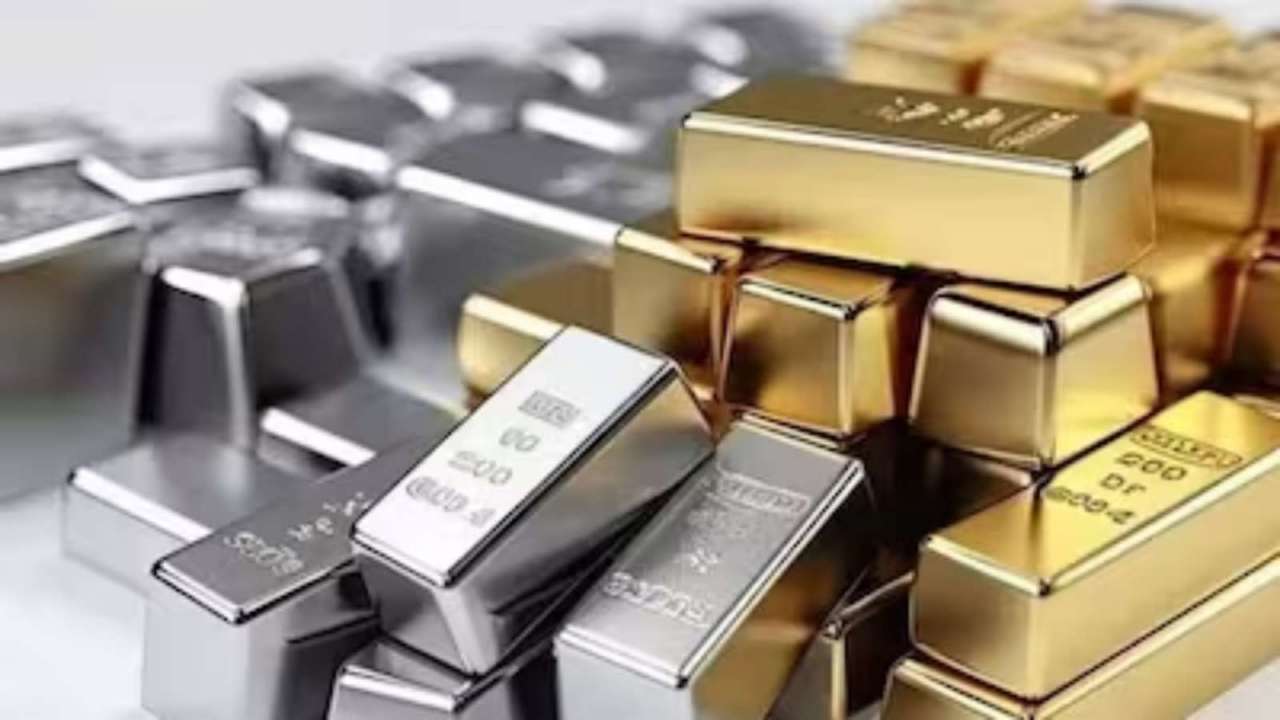
This latest pricing snapshot, meticulously compiled from market intelligence sources including Good Returns, underscores the precious metals’ role as both a cherished cultural asset and a crucial financial instrument in the Indian economy. The current landscape reflects a culmination of several years of evolving market dynamics, prompting investors and consumers alike to keenly observe these trends.
The Main Facts: A Snapshot of Today’s Market
On this Thursday, October 22, 2026, the Indian precious metals market is characterised by robust prices, reflecting both international benchmarks and strong domestic buying sentiment. The resilience of gold and silver as inflation hedges and safe-haven assets continues to be a dominant theme in a world grappling with economic uncertainties.
Gold Prices on October 22, 2026:
The yellow metal, revered across India for its cultural and economic significance, has seen its value appreciate, indicating a confluence of factors at play.
- 24K Gold (999 Purity):
- Mumbai, Kolkata, Chennai: Rs 14,744 per gram
- Delhi: Rs 14,759 per gram
- 22K Gold (91.67% Purity – Jewellery Grade):
- Mumbai, Kolkata, Chennai: Rs 13,515 per gram
- Delhi: Rs 13,530 per gram
This slight premium in Delhi’s gold prices is often attributed to localised demand dynamics and regional supply chain considerations. The current rates represent a significant appreciation over historical figures, pointing towards a sustained bull run in precious metals.

Silver Prices on October 22, 2026:
Silver, often referred to as "poor man’s gold," has also demonstrated strong performance, driven by its dual role as an investment asset and an essential industrial commodity.
- 999 Pure Silver (Per 10 grams):
- Delhi, Mumbai, Kolkata, Chennai: Rs 2,300 per 10 grams (or Rs 230,000 per kilogram)
- 925 Sterling Silver: While specific rates for 925 sterling silver are not explicitly detailed per gram, the overall upward trend for pure silver suggests a corresponding rise in sterling silver prices, which are popular for intricate jewellery designs.
The uniformity of silver prices across major cities today highlights a more integrated national market for the white metal, possibly due to its lower logistical costs compared to gold and its broader industrial distribution network.

A Chronology of Influence: Tracing the Market’s Ascent
The current elevated prices of gold and silver are not an isolated event but rather the culmination of a multi-year trend shaped by a series of global and domestic developments. Understanding this chronology is vital to grasp the underlying drivers of today’s market.
The Post-Pandemic Rally (2020-2022)
The initial surge in precious metal prices began in the wake of the COVID-19 pandemic. As global economies faced unprecedented shutdowns and central banks worldwide implemented aggressive monetary easing policies – including massive quantitative easing and near-zero interest rates – investors flocked to safe-haven assets. Gold, with its historical reputation as a store of value during crises, saw significant demand. Silver, benefiting from this sentiment and its increasing industrial demand in emerging technologies, followed suit. Geopolitical tensions, particularly escalating conflicts in various regions, further fuelled this safe-haven buying.

The Inflationary Wave and Central Bank Responses (2022-2024)
As economies reopened, a massive surge in demand coupled with supply chain disruptions ignited a period of high inflation globally. Major central banks, including the US Federal Reserve, the European Central Bank, and even the Reserve Bank of India, embarked on aggressive interest rate hiking cycles to curb runaway prices. Traditionally, rising interest rates make non-yielding assets like gold less attractive. However, the sheer persistence and magnitude of inflation, coupled with fears of a global recession, meant that gold continued to serve as a crucial inflation hedge, preventing a sharp decline. Silver’s industrial demand, particularly from the booming solar energy sector and electric vehicle manufacturing, provided a strong floor for its prices.
Geopolitical Shifts and Currency Volatility (2024-2026)
The period leading up to October 2026 has been marked by continued geopolitical instability. Ongoing conflicts, trade disputes, and shifts in international alliances have sustained a high level of uncertainty in global financial markets. This environment has consistently underpinned demand for gold as a hedge against systemic risk. Concurrently, currency markets have experienced significant volatility. The strength or weakness of the US Dollar, against which gold is often priced internationally, has played a pivotal role. A depreciating Indian Rupee against the Dollar makes imported gold more expensive in local currency terms, directly impacting domestic prices.

Domestic Demand and Festive Cycles (2025-2026)
In India, the cultural significance of gold, especially, ensures a perpetual baseline demand. The festive season, which typically begins in the autumn months and extends through Diwali and the wedding season, is a period of peak demand. As October 2026 unfolds, the market is already anticipating robust buying for the upcoming festivities. This cyclical demand provides strong domestic support, often insulating Indian prices from some international fluctuations or amplifying upward trends. Government policies related to import duties on gold and silver have also periodically influenced local pricing, though no significant changes are immediately reported for the current period.
Supporting Data: Deeper Dive into Price Drivers
The current gold and silver prices are a mosaic of global economic indicators, domestic market sentiments, and specific physical market dynamics. A detailed examination reveals the multifaceted influences at play.

Factors Influencing Gold Prices:
- Global Market Trends: The international benchmark price of gold, typically determined by trading in markets like COMEX (New York) and the London Bullion Market Association (LBMA), sets the fundamental floor. Geopolitical events, global economic growth forecasts, and the performance of major stock markets all contribute to this international price. For instance, reports of slowing global growth or increased geopolitical tensions often lead to a flight to safety, pushing gold prices higher on these international exchanges.
- Inflationary Pressures: The original article explicitly mentions "inflationary pressures" as a driver. In a high-inflation environment, fiat currencies lose purchasing power. Gold, being a finite asset with intrinsic value, is traditionally seen as a hedge against inflation. Investors shift capital into gold to preserve wealth, thereby increasing demand and price. Global inflation figures, especially from major economies like the US, Europe, and China, are closely watched for their impact on gold.
- Interest Rate Environment: The monetary policies of central banks, particularly the US Federal Reserve, significantly impact gold. Higher interest rates increase the opportunity cost of holding non-yielding assets like gold, as investors can earn better returns from bonds or savings accounts. Conversely, expectations of rate cuts or a dovish monetary stance tend to boost gold prices. The current environment, while seeing a slight increase in gold, suggests that the market may be pricing in future interest rate stability or even potential cuts amidst persistent inflation concerns.
- US Dollar Exchange Rate: Gold is universally priced in US Dollars. Therefore, the strength or weakness of the Dollar directly impacts its price in other currencies. A weaker Dollar makes gold cheaper for holders of other currencies, potentially increasing demand and driving up the Dollar price of gold. For India, the Rupee-Dollar exchange rate is critical. A depreciating Rupee makes imported gold more expensive, even if the international Dollar price remains constant. The current Rupee value against the Dollar is a key determinant of today’s elevated local prices.
- Domestic Demand: India is one of the world’s largest consumers of gold. Demand is primarily driven by:
- Festive Season: The period leading up to and including Diwali, Dussehra, and other regional festivals witnesses a surge in gold purchases for gifting and auspicious reasons.
- Wedding Season: Gold jewellery forms an integral part of Indian weddings, ensuring consistent demand throughout the year, peaking during specific wedding seasons.
- Investment: Many Indian households view gold as a traditional form of savings and investment, particularly in rural areas where access to formal financial instruments might be limited.
- 24K vs. 22K Gold: The distinction between 24K (999 pure) and 22K (91.67% pure) gold is important for consumers. 24K gold is the purest form and is typically preferred for investment in bars or coins. 22K gold is alloyed with other metals like copper or silver to make it more durable for crafting intricate jewellery. The price difference reflects the purity, with 24K naturally being more expensive per gram.
Factors Influencing Silver Prices:
- Industrial Demand: Unlike gold, a significant portion of silver’s demand comes from industrial applications. It is an excellent conductor of electricity and heat, making it indispensable in electronics, solar panels (photovoltaics), medical instruments, and automotive industries (especially electric vehicles). A booming global economy and rapid technological advancements directly translate to higher industrial demand for silver. Reports indicate a sustained surge in solar panel manufacturing and EV adoption in 2026, bolstering silver’s industrial appeal.
- Investment Demand: Silver is also a popular investment asset, often tracking gold’s movements but with higher volatility. Investors buy silver in the form of coins, bars, and exchange-traded funds (ETFs) as a hedge against inflation and economic uncertainty. Its lower price point compared to gold makes it more accessible for smaller investors.
- Supply and Mining Output: The supply of silver is largely tied to mining activities, often as a byproduct of lead, zinc, copper, and gold mining. Disruptions in mining operations, labour disputes, or environmental regulations can impact global supply and consequently prices.
- Monetary Policy and US Dollar: Similar to gold, silver is influenced by central bank policies and the strength of the US Dollar. However, its industrial component adds another layer of complexity, making its price less purely dependent on monetary policy and more on global economic health.
- 999 vs. 925 Silver: 999 pure silver is used for investment purposes (bars, coins) and some specific jewellery. 925 sterling silver, an alloy of 92.5% silver and 7.5% other metals (usually copper), is widely used for jewellery and silverware due to its enhanced durability and workability. The price difference reflects the purity and the specific alloys used.
Official Responses and Expert Commentary
The current robust pricing in the precious metals market has garnered significant attention from economists, industry veterans, and government observers. While no explicit official statements from the government or RBI are available regarding today’s prices, the general consensus among market participants provides valuable insights.
Economists and Financial Analysts:
"The current gold prices, hovering around Rs 14,700 per gram for 24K, are a clear indicator of sustained inflationary pressures globally, coupled with ongoing geopolitical uncertainties," states Dr. Ananya Sharma, a leading economist at the Institute for Economic Studies. "Investors are increasingly viewing gold not just as a safe haven, but as a crucial portfolio diversifier against currency devaluation and equity market volatility. We anticipate this trend to continue as long as global inflation remains elevated above central bank targets and real interest rates remain negative or marginally positive."

Regarding silver, Mr. Rajesh Kumar, a commodity analyst with a prominent financial services firm, notes, "Silver’s performance is particularly impressive due to its dual nature. While it benefits from the same safe-haven appeal as gold, its industrial demand, especially from the burgeoning green energy sector and advanced electronics, provides a fundamental floor. The continued expansion of solar energy capacity and electric vehicle manufacturing globally means that industrial consumption of silver is set to remain strong, potentially leading to further upward price revisions in the medium term."
Jewellery Industry Bodies:
Representatives from the All India Gem and Jewellery Domestic Council (GJC) express cautious optimism for the upcoming festive season. "Despite the high prices, we expect demand to remain resilient," says Mr. Saurabh Gadgil, a prominent jeweller and GJC board member. "Gold is an integral part of Indian traditions, and consumers are accustomed to fluctuations. While some might adjust the quantity of their purchases, the desire to own gold, especially for weddings and festivals like Diwali, remains undiminished. However, we also observe a growing interest in lighter jewellery designs and a shift towards silver ornaments in certain regions, which offers consumers more affordable options."

The industry acknowledges the challenge posed by elevated prices but anticipates that strategic promotions and evolving consumer preferences for contemporary, lightweight designs will help sustain sales volumes.
Government and Regulatory Perspective (Hypothetical):
While the Reserve Bank of India (RBI) does not comment on daily commodity prices, its overarching monetary policy framework aims at price stability and managing inflation. High gold and silver prices, while beneficial for those holding these assets, can contribute to India’s import bill, given the nation’s reliance on imported precious metals. Therefore, the government continuously monitors global commodity trends and currency movements to ensure macroeconomic stability. Policies like the Sovereign Gold Bond Scheme are designed to offer alternative investment avenues to physical gold, potentially reducing import dependency in the long run.

Implications: Navigating the Future of Precious Metals
The current market scenario for gold and silver carries significant implications for various stakeholders, from individual investors and consumers to the broader Indian economy. Understanding these implications is crucial for making informed decisions in the coming months.
For Investors:
- Continued Portfolio Diversification: The persistent strength of gold and silver reinforces their role as essential components of a diversified investment portfolio. In an environment of economic uncertainty and inflation, precious metals offer a hedge against volatility in equity markets and potential erosion of purchasing power.
- Inflation Hedge: For those concerned about sustained inflation, both gold and silver remain attractive assets. They tend to perform well when the cost of living rises and traditional financial instruments yield negative real returns.
- Volatility in Silver: While silver’s industrial demand provides a robust base, its price can be more volatile than gold due to its smaller market size and higher sensitivity to economic cycles. Investors should be prepared for larger price swings.
- Physical vs. Digital Assets: Investors have options ranging from physical gold (coins, bars), gold ETFs, Sovereign Gold Bonds (SGBs), and digital gold platforms. Each has its own benefits and risks, including storage costs, liquidity, and taxation. The SGBs, offered by the government, are particularly attractive as they offer a fixed interest rate in addition to capital appreciation.
For Consumers:
- Impact on Jewellery Purchases: The elevated prices mean that consumers planning to purchase gold and silver jewellery for festive occasions or weddings will face higher costs. This might lead to a shift towards buying lighter pieces, opting for higher purity but less intricate designs, or even exploring alternative metals and jewellery types.
- Timing Purchases: Consumers often try to time their purchases to periods of slight price dips. However, given the current upward trend, waiting too long could mean even higher prices. Jewellery retailers might offer schemes that allow customers to book at current prices or hedge against future increases.
- Recycling and Exchange: High prices also make it an opportune time for consumers to sell old or unused gold and silver jewellery, which can fetch a better return compared to periods of lower prices. Exchange offers from jewellers are likely to be prevalent.
Broader Economic Implications for India:
- Import Bill Pressure: India is a net importer of gold and silver. High international prices, combined with a depreciating Rupee, can significantly increase the country’s import bill, putting pressure on the current account deficit. This is a crucial macroeconomic concern for the government and the Reserve Bank of India.
- Household Savings: Precious metals form a substantial portion of household savings in India. An increase in their value contributes to household wealth, though this wealth is often illiquid until monetized.
- Impact on Small and Medium Enterprises (SMEs): The jewellery manufacturing sector, largely comprising SMEs, can face challenges due to higher input costs. This might impact production volumes and employment if consumer demand weakens significantly at these price points.
- Policy Response: The government and RBI might continue to explore measures to manage demand for physical gold, such as promoting financial instruments like SGBs or adjusting import duties if the current account deficit becomes a pressing issue.
As October 22, 2026, draws to a close, the market for gold and silver in India stands at a fascinating juncture. Influenced by a complex interplay of global economic forces, technological advancements, and deeply ingrained cultural traditions, these precious metals continue to captivate investors and consumers alike. The coming months will undoubtedly test the resilience of these trends, as global inflation, central bank policies, and domestic festive demand continue to shape their trajectory.

Find your daily dose of All Latest News including Sports News, Entertainment News, Lifestyle News, explainers & more. Stay updated, Stay informed- Follow DNA on WhatsApp.