The Indian automotive landscape is currently witnessing a seismic shift as domestic industrial giants pivot toward high-tech mobility solutions. Leading this charge is the JSW Group, which, following its high-profile joint venture with MG Motor India, is now aggressively carving out a standalone path. Central to this strategy is a burgeoning partnership with the Chinese automotive titan, Chery Automobile.
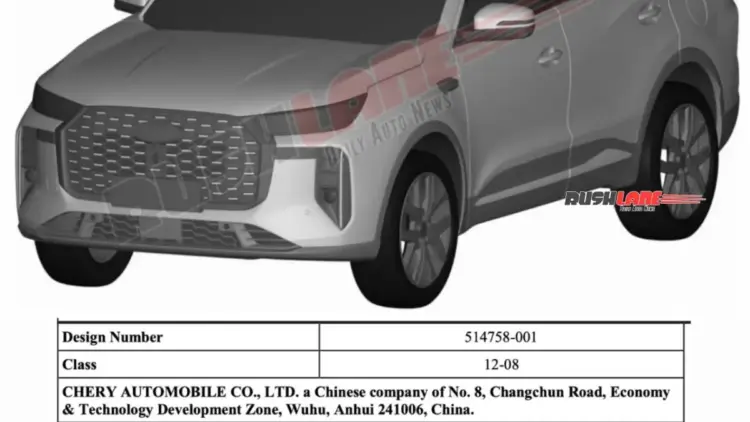
The latest development in this strategic roadmap is the official design patenting of the Chery Tiggo 7 in India. This move follows the recent patenting of its larger sibling, the Tiggo 7L, signaling a comprehensive product offensive aimed at the heart of the Indian SUV market. As JSW prepares to launch its independent automotive brand—rumored to be headlined by the "JSW Combat"—the appearance of the Tiggo 7 suggests a multi-layered portfolio designed to challenge established players like Mahindra, Tata Motors, and Hyundai.
1. Main Facts: The Arrival of the Tiggo 7
The patenting of the Chery Tiggo 7 represents a critical milestone for JSW’s automotive ambitions. While the JSW-MG partnership focuses on scaling existing MG platforms and electric vehicles (EVs), the collaboration with Chery appears focused on bringing a fresh array of Internal Combustion Engine (ICE) and Plug-in Hybrid Electric Vehicle (PHEV) technology to the subcontinent.

Key Highlights of the Patent:
- Model Positioning: The Tiggo 7 is a mid-size SUV that sits slightly below the Tiggo 7L. While the 7L targets the premium D-segment (rivaling the Tata Safari and Mahindra XUV700), the standard Tiggo 7 is aimed squarely at the C-segment, putting it in competition with the Hyundai Creta, Kia Seltos, and MG Astor.
- Design Philosophy: Unlike the "sleek and sporty" aesthetic of the Tiggo 7L, the Tiggo 7 patented for India features a "boxier and more rugged" silhouette. This design choice aligns with current Indian consumer preferences for "true SUV" styling—upright stances, muscular wheel arches, and commanding road presence.
- Localization Potential: The patenting indicates that JSW is moving beyond mere speculation. By securing design rights, the company is protecting the intellectual property required for local assembly or full-scale manufacturing at its upcoming facilities.
2. Chronology: The JSW-Chery Strategic Evolution
To understand the significance of the Tiggo 7 patent, one must look at the rapid-fire sequence of events that has defined JSW’s automotive journey over the last 24 months.
- Late 2023: JSW Group enters a strategic joint venture with SAIC Motor to acquire a 35% stake in MG Motor India. The goal is to "Indianize" the brand and accelerate EV adoption.
- Early 2024: Rumors emerge that Sajjan Jindal’s JSW Group is seeking a second partner to build a parallel automotive ecosystem outside of the MG framework. Chery Automobile, looking for a re-entry into India after previous failed attempts, emerges as the primary contender.
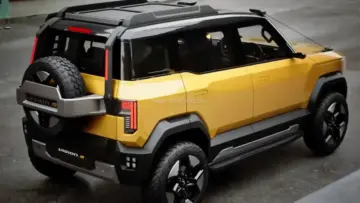
- Mid-2024: Reports confirm that JSW and Chery have signed a Memorandum of Understanding (MoU) for technology sharing. The first product identified is the JSW Combat, a rugged off-roader based on the Chery Jetour T2.
- October 2024: The Chery Tiggo 7L design is patented in India, showcasing a long-wheelbase SUV intended for large families.
- November 2024: Multiple sightings of Jaecoo J5 and J7 (Chery’s premium sub-brands) SUVs being tested on Indian soil.
- Late November 2024: The standard Chery Tiggo 7 design patent is officially published, completing the core SUV lineup for JSW’s independent venture.
3. Supporting Data: Technical Analysis and Specifications
The Chery Tiggo 7 is a global bestseller for the Chinese marque, sold extensively in markets like South Africa, South America, and the Middle East. The Indian version, as revealed by the patent images, shows subtle modifications tailored for local tastes.
Dimensions and Platform
The Tiggo 7 is built on Chery’s flexible T1X platform, which emphasizes interior space and structural rigidity.

| Feature | Chery Tiggo 7 (Patented) | Chery Tiggo 7L |
|---|---|---|
| Length | 4,553 mm | 4,655 mm |
| Wheelbase | 2,670 mm | 2,720 mm |
| Ground Clearance | ~210 mm | ~200 mm |
| Boot Space | 484 Liters | 600+ Liters |
Exterior Aesthetics
The patented design reveals a massive, chrome-studded hexagonal grille that dominates the front fascia. Notable exterior features include:
- Lighting: Slim LED headlamps integrated into the upper grille line. The fog lamp housing is particularly distinct, featuring a "triple ice-cube" LED stack and a vertical circular LED element.
- Profile: The vehicle sports 19-inch alloy wheels with a multi-spoke design. A sharp kink in the shoulder line behind the C-pillar adds a sense of forward motion.
- Rear: A full-width connected LED tail-light bar with a unique geometric pattern. The rear bumper includes C-shaped reflectors and integrated dual exhaust tips (likely decorative).
Interior and Technology
Based on the global spec reflected in the patent’s interior layout, the Tiggo 7 will offer a "minimalist-luxe" cabin:
- Infotainment: A dual-screen setup consisting of two 12.3-inch displays (one for the instrument cluster, one for the infotainment) housed under a single pane of glass.
- Comfort: Dual-zone automatic climate control, 50W wireless charging pad, and ventilated front seats.
- Audio: A premium 8-speaker Sony sound system is expected, as seen in international versions.
- Safety: The Tiggo 7 boasts a Euro NCAP 5-star rating. The Indian model is expected to feature 8 airbags and a comprehensive Level 2 ADAS (Advanced Driver Assistance Systems) suite, including Adaptive Cruise Control and Autonomous Emergency Braking.
Powertrain Options
While Chery offers a Plug-in Hybrid (PHEV) variant globally, the patent images show only a single fuel filler cap, suggesting the initial launch will focus on a traditional ICE powertrain:

- Engine: 1.6-liter Turbocharged GDI Petrol.
- Performance: 147 PS of peak power and 275 Nm of peak torque.
- Transmission: 7-speed Dual-Clutch Transmission (DCT/DSG).
4. Official Responses and Strategic Vision
While JSW Group has not officially commented on the specific "Tiggo 7" patent, the group’s leadership has been vocal about their broader automotive philosophy. Sajjan Jindal, Chairman of JSW Group, has previously stated that the company aims to create a "Maruti-like movement" in the EV and premium SUV space, focusing on heavy localization to keep costs competitive.
The "Combat" Brand Strategy
Industry insiders suggest that JSW will not use the "Chery" brand name in India due to the complex geopolitical climate surrounding Chinese brands. Instead, JSW is expected to follow a "rebadging and engineering" approach:
- Brand Identity: The vehicles will likely be sold under a new JSW-owned brand (potentially JSW Combat or a similar moniker).
- Engineering: JSW’s technical center will retune the suspension and engine maps specifically for Indian road conditions and fuel quality.
- Local Sourcing: JSW aims to leverage its steel manufacturing prowess to localize body-in-white (BIW) components, significantly reducing the impact of import duties.
5. Implications for the Indian Automotive Market
The patenting of the Tiggo 7 is more than just a new car launch; it is a signal of the intensifying competition in the SUV segment.

A Challenge to the Status Quo
For years, the mid-size SUV segment has been dominated by the Hyundai Creta. However, the Tiggo 7 offers a "size-up" advantage. At 4,553 mm, it is longer than the Creta (4,330 mm), offering a D-segment feel at a C-segment price point. This "more for less" strategy is exactly how MG (and previously Kia) gained market share.
Geopolitical Navigation
By partnering with JSW—an Indian conglomerate with deep roots in the nation’s infrastructure—Chery is effectively bypassing the "anti-China" sentiment that has hampered brands like Great Wall Motors (GWM) and BYD. JSW acts as the "Indian face" of the operation, ensuring smoother regulatory approvals and better consumer trust.
The Hybrid vs. EV Debate
Chery’s expertise in PHEVs (Plug-in Hybrids) could be a game-changer for JSW. While the Indian government currently favors pure EVs, there is a growing consumer demand for hybrids that eliminate range anxiety. If JSW introduces the Tiggo 7 with Chery’s "Kunpeng" hybrid technology, it could disrupt the market currently shared by Toyota and Maruti Suzuki.

Economic Impact
JSW’s foray into automotive manufacturing is expected to create thousands of jobs in the manufacturing sector. With plans to set up an integrated EV and battery plant in Odisha, the addition of Chery-based ICE and hybrid models like the Tiggo 7 will ensure high capacity utilization of these new facilities.
Conclusion
The patenting of the Chery Tiggo 7 marks the beginning of a new chapter in India’s automotive story. It represents a marriage of Chinese technological agility and Indian industrial scale. For the consumer, this translates to more choice, higher safety standards, and more competitive pricing in the most popular vehicle segment in the country. As JSW moves from patent filings to production lines, the incumbents in the Indian auto industry will be watching closely—the "Combat" is about to begin.