Introduction
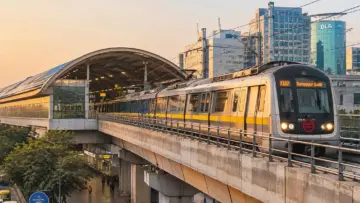
Located in the heart of the national capital, Patel Chowk Metro Station serves as a vital artery for Delhi’s administrative and political landscape. Situated on the high-frequency Yellow Line of the Delhi Metro Rail Corporation (DMRC) network, this underground facility is more than just a transit point; it is a gateway to India’s power corridors, historical landmarks, and religious sanctuaries. Positioned strategically between the bustling Rajiv Chowk and the administrative Central Secretariat, Patel Chowk caters to thousands of government officials, tourists, and daily commuters. This comprehensive report explores the station’s operational dynamics, its history of security-related closures, its evolving role as a cultural space, and its impact on the surrounding real estate and commercial landscape.
1. Main Facts: The Infrastructure and Operational Profile
Patel Chowk Metro Station (Station Code: PTCK) is an underground station that commenced operations on July 3, 2005, as part of the first phase of the Yellow Line’s expansion. Its design reflects the necessity of subterranean construction in the high-security Lutyens’ Delhi zone, ensuring that the city’s heritage skyline remains unobstructed.
Technical Specifications:
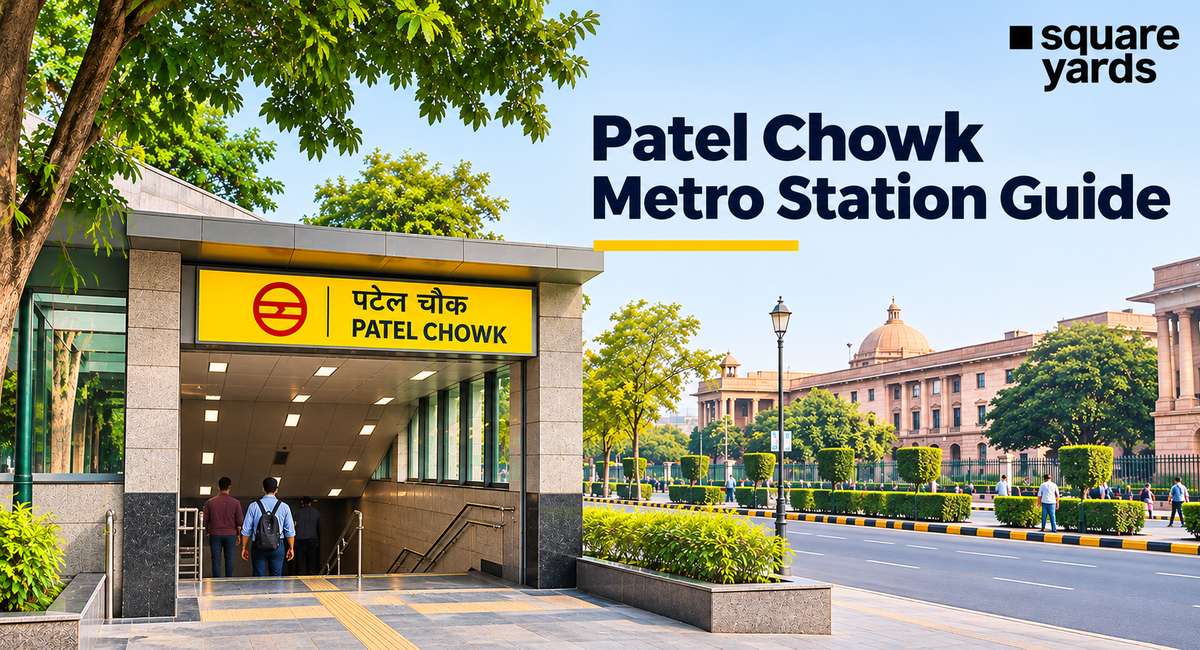
- Line: Yellow Line (Line 2), connecting Samaypur Badli in North Delhi to Millennium City Centre in Gurugram.
- Structure: Two-level underground station with a concourse level and two side platforms.
- Platforms: Platform 1 facilitates southbound travel toward Gurugram, while Platform 2 serves northbound commuters toward Samaypur Badli.
- Location: The station is situated at the intersection of Sansad Marg (Parliament Street) and Ashoka Road, placing it within walking distance of the Reserve Bank of India (RBI) and various ministry headquarters.
Accessibility and Facilities:
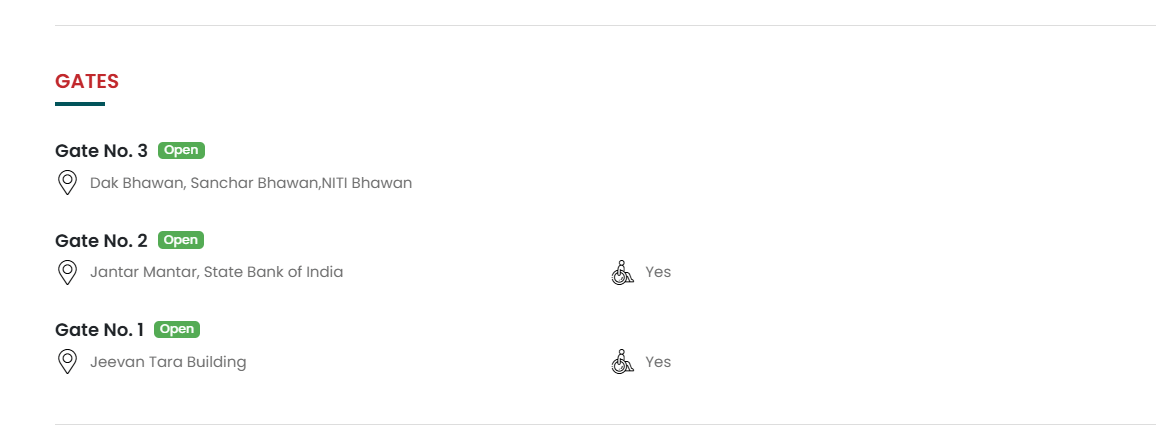
The station is equipped with three primary entry and exit gates, designed to funnel traffic toward specific government and commercial landmarks. In line with DMRC’s commitment to inclusivity, the station features wheelchair-friendly lifts. Lift 1 connects the paid concourse to the platforms, while Lift 2 facilitates movement between the unpaid concourse and street level. Additionally, the station provides essential amenities, including public toilets, ATMs (PNB and Canara Bank), and a DMRC-authorized parking facility that is among the largest in the central district.
2. Chronology: Security Closures and Evolution (2025–2026)
Because of its proximity to Jantar Mantar—Delhi’s designated protest site—and the Parliament House, Patel Chowk is frequently subject to temporary operational restrictions. The years 2025 and 2026 marked significant shifts in the station’s utility, ranging from security lockdowns to cultural relocations.
The 2026 Security Closures:
In 2026, Patel Chowk became a focal point for security arrangements during a series of civil demonstrations. Unlike permanent closures, these temporary restrictions involve shutting entry and exit gates while allowing trains to pass through, or in some cases, skipping the station entirely.
- July 20, 2026: Entry and exit gates were closed for several hours due to a large-scale protest at Jantar Mantar.
- July 21–26, 2026: Intermittent restrictions continued until the DMRC officially announced the resumption of full services on July 26.
- October 2026: A second wave of protests led to closures on October 2, October 9–10 (a 25-hour halt), and October 12.
The Great Relocation (December 2025):
For nearly two decades, Patel Chowk was synonymous with the Delhi Metro Museum. However, on December 19, 2025, the DMRC relocated the museum to the Supreme Court Metro Station on the Blue Line. This move was necessitated by the need for a larger exhibition space to house the growing collection of Delhi Metro’s historical artifacts. While some legacy maps still list the museum at Patel Chowk, commuters are now redirected to the Blue Line for this cultural experience.
Opening of the Ridge Interpretation Centre (June 2026):
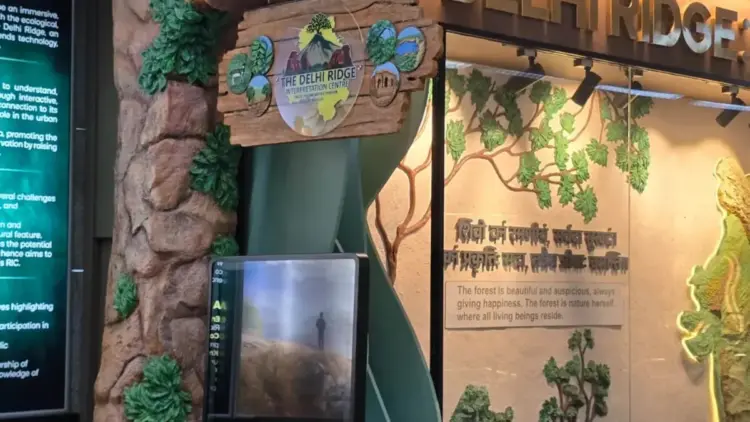
To fill the void left by the museum, the DMRC inaugurated the Delhi Ridge Interpretation Centre (DRIC) on June 30, 2026. Located on the concourse level, this center serves an educational purpose, highlighting the ecology of the Delhi Ridge—the city’s "green lungs." It features interactive panels on the history, flora, and fauna of the Aravalli range.
3. Supporting Data: Logistics, Fares, and Connectivity
The efficiency of Patel Chowk is best understood through its connectivity and capacity data.
Commuter Connectivity:
Patel Chowk serves as a bridge for those traveling from residential hubs in North Delhi and suburban Gurugram to the central business district.
- To Rajiv Chowk: 2 minutes (Fare: ₹11) – Provides access to the Blue Line.
- To Central Secretariat: 2 minutes (Fare: ₹11) – Provides access to the Violet Line.
- To New Delhi Railway Station: 5 minutes (Fare: ₹21).
- To Millennium City Centre Gurugram: 48 minutes (Fare: ₹54).
Parking Statistics:
The station boasts one of the most robust parking infrastructures in the Yellow Line’s central stretch, divided into three authorized lots.
- Total Capacity: 204 Cars, 2,113 Two-wheelers, and 219 Cycles.
- Multi-Modal Integration: Gate 1 features a Yulu electric bike stand, encouraging last-mile eco-friendly connectivity to nearby offices.
Train Timings:
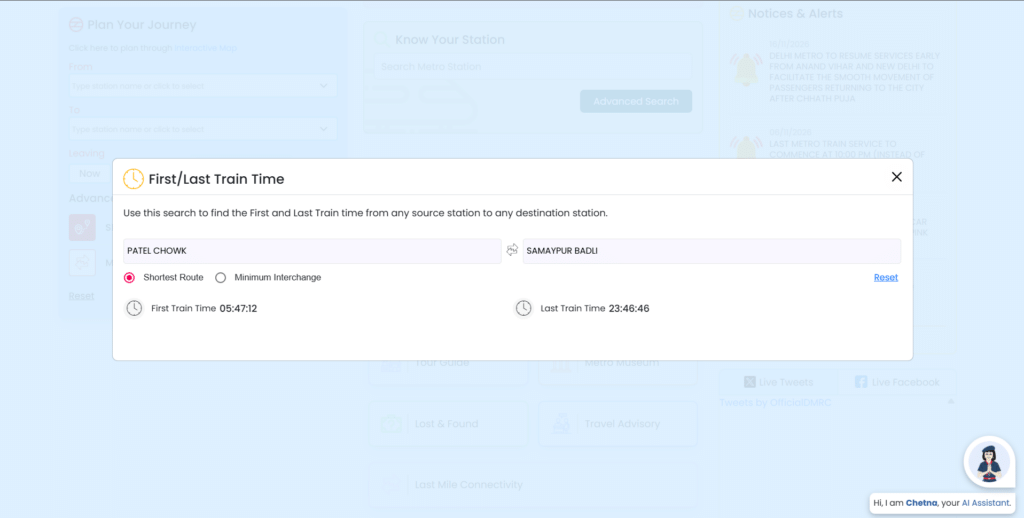
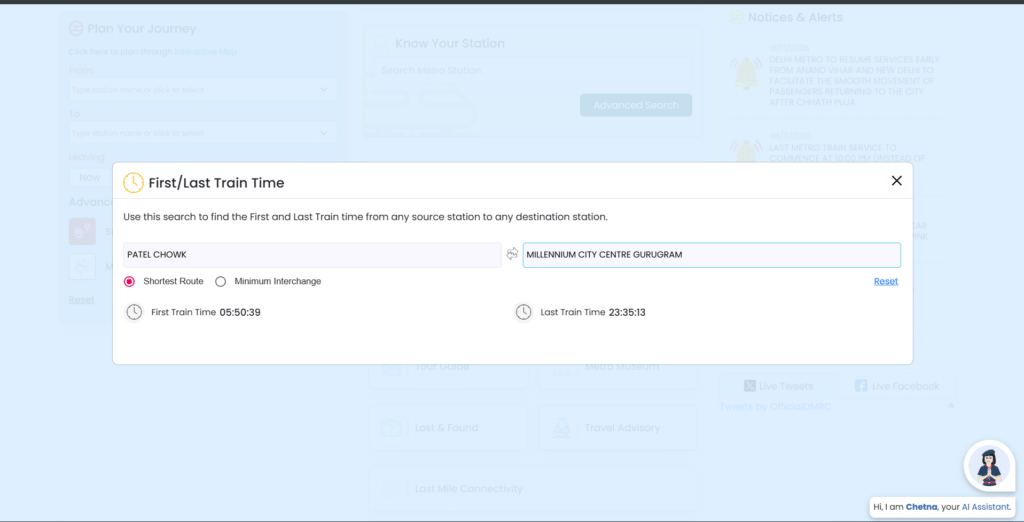
The station operates from approximately 5:37 AM to 11:36 PM. However, the first and last train timings are direction-specific:
- Toward Samaypur Badli: First train at 5:47 AM; Last train at 11:46 PM.
- Toward Gurugram: First train at 5:50 AM; Last train at 11:35 PM.
4. Official Responses and Security Protocols
The DMRC maintains a proactive communication strategy regarding Patel Chowk, given its sensitive location. Official responses typically emphasize commuter safety and national security over operational convenience.
DMRC’s Advisory Mechanism:
During the 2026 closures, the DMRC spokesperson reiterated that gate closures are executed based on "police advisories." To mitigate commuter distress, the DMRC utilizes its official X (formerly Twitter) handle and the ‘Delhi Metro Rail’ mobile app to provide real-time updates. The 24-hour helpline (155370) remains a critical tool for commuters to verify station status before beginning their journey.
Interchange Strategy:
When Patel Chowk is closed, the DMRC often keeps the nearby Rajiv Chowk and Central Secretariat stations open for line changes (interchange), even if their exit gates are restricted. This ensures that the wider network remains functional despite localized security measures in the Parliament Street area.
Environmental Initiatives:
With the opening of the Ridge Interpretation Centre, officials have highlighted that metro stations are evolving from "transit sheds" into "knowledge hubs." The nominal ₹11 entry fee for the center is intended to regulate footfall while making environmental education accessible to the general public.
5. Implications: Urban Impact and Real Estate Trends
The presence of Patel Chowk Metro Station has profound implications for the socio-economic fabric of Central Delhi.
Administrative and Religious Significance:
The station is the primary transit point for the "Dak Bhawan" (Department of Posts), "Sanchar Bhawan" (Ministry of Communications), and "NITI Bhawan" (NITI Aayog). Furthermore, its proximity to Gurudwara Bangla Sahib (approx. 1 km) makes it a vital hub for pilgrims. Gate 2 serves as the most convenient exit for these visitors and those heading to the historical Jantar Mantar observatory.
Real Estate and Commercial Landscape:
While the immediate vicinity of Patel Chowk consists of government-owned land and institutional buildings, its proximity to Connaught Place (CP) influences high-value real estate trends. The demand for "Grade A" office spaces within a 1-km radius of the station remains high due to the prestige associated with the Sansad Marg address.
Property Insights (Source: Square Yards):
The commercial market in the adjacent Connaught Place area remains one of the most expensive in the world.
- Office Spaces: Semi-furnished offices (approx. 600 sq. ft.) near the metro corridor are valued at roughly ₹2 Crore, while larger furnished spaces (1,200+ sq. ft.) can exceed ₹5.25 Crore.
- Residential Luxury: The area has seen a niche emergence of ultra-luxury residential projects, such as Godrej Connaught One, where 3 BHK flats are priced upwards of ₹19 Crore, catering to elite professionals and diplomats who require proximity to the administrative hub.
The Future of Patel Chowk:
As Delhi moves toward a more "smart city" oriented infrastructure, Patel Chowk is likely to see further integration of digital services and sustainable transit options. The transition from a museum site to an ecological interpretation center signals a broader trend: the Delhi Metro is increasingly being used as a platform to promote the city’s natural and civic heritage.
Conclusion
Patel Chowk Metro Station stands as a resilient pillar of Delhi’s transit system. Navigating the complexities of high-stakes security, cultural shifts, and intense commuter volume, it remains an indispensable asset for the capital. Whether it is serving the needs of a government secretary heading to NITI Aayog or a tourist exploring the astronomical wonders of Jantar Mantar, the station encapsulates the multi-faceted identity of New Delhi—a city where tradition, power, and modern infrastructure intersect. For the informed commuter, staying updated via official DMRC channels remains the key to mastering this central transit hub.