PERSONAL FINANCE
As global economic currents continue to exert their influence, India’s vibrant gold and silver markets remain highly responsive to a complex interplay of international trends, domestic demand, and fluctuating currency exchange rates. On November 19, 2026, precious metal prices in India are reflecting a nuanced landscape, characterized by persistent inflationary pressures and a resilient appetite for safe-haven assets. This comprehensive report delves into the current valuations, the underlying factors shaping them, and what this means for investors and consumers across the nation.
A Snapshot of Today’s Rates
Today, November 19, 2026, the Indian market witnessed a slight uptick in gold prices, primarily driven by sustained global demand and ongoing inflationary concerns that have underscored the metal’s traditional role as a hedge against economic uncertainty. The benchmark price for 24-carat gold (999 pure gold) stands at Rs 13,325 per gram, while the widely used 22-carat gold (91.67% pure gold), favoured for jewellery, is priced at Rs 12,214 per gram.
Silver, often considered gold’s industrial counterpart, also maintains a significant presence in both investment portfolios and cultural traditions. The price of 999 pure silver is approximately Rs 1,84,900 per kilogram, with 925 sterling silver trading at Rs 1,84,000 per kilogram. These figures represent a market grappling with global supply chain dynamics and industrial recovery, alongside its traditional appeal as an affordable alternative to gold.
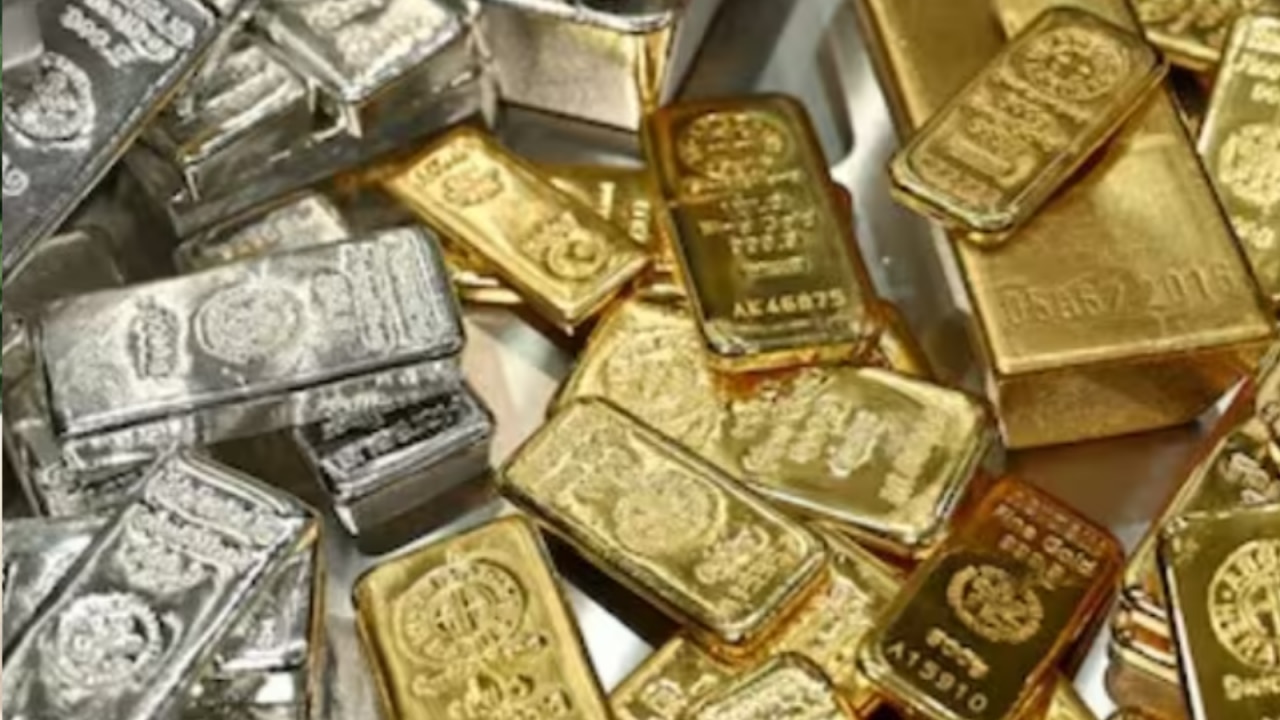
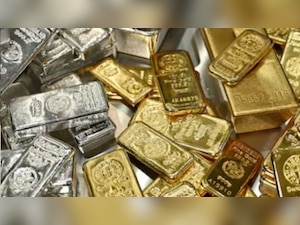
(Image: Gold, Silver prices today, November 19, 2026: Check city-wise rates in Delhi, Mumbai, Chennai, Kolkata and more – Representative image/X)
Unpacking the Recent Trajectory: A Look Back at 2026
The year 2026 has been a period of significant recalibration for global commodity markets, and precious metals have been no exception. Following a volatile 2025 marked by initial post-pandemic recovery jitters and subsequent interest rate hikes by major central banks, 2026 has seen a renewed focus on inflation management and geopolitical stability.
Gold’s Resilient Path Amidst Economic Volatility
At the outset of 2026, gold prices faced headwinds from a relatively strong US dollar and expectations of continued monetary tightening. However, as the year progressed, several factors converged to bolster gold’s appeal. Persistent global inflation, fueled by supply chain disruptions, elevated energy prices, and robust wage growth in key economies, reignited interest in gold as an inflation hedge. Central banks, while still battling inflation, began signaling a potential plateau in aggressive rate hikes, which reduced the opportunity cost of holding non-yielding assets like gold.
Mid-year, geopolitical tensions in Eastern Europe and sporadic trade disputes between major economic blocs led to periods of heightened safe-haven buying, pushing gold upwards. The Indian market, in particular, saw a surge in demand leading up to the festive season (Diwali, Dussehra, and the ongoing wedding season), which typically accounts for a significant portion of annual gold consumption. This seasonal demand, combined with an appreciating US dollar against the Indian Rupee in early 2026, contributed to higher import costs, translating into elevated domestic prices.
By November, the market appears to have found a new equilibrium, with prices reflecting a delicate balance between continued inflationary concerns and a moderately hawkish stance from central banks globally. Gold’s year-to-date performance in 2026, while experiencing dips, has largely been one of resilience, reinforcing its status as a crucial portfolio diversifier.
Silver’s Dual Role: Industrial Demand Meets Investment Appeal
Silver’s journey through 2026 has been characterized by its dual identity as both a precious metal and an industrial commodity. Early in the year, optimism around global manufacturing recovery, particularly in sectors like electronics, solar panels, and electric vehicles, drove industrial demand for silver. This upward pressure was somewhat offset by cautious investment sentiment, as investors initially favored gold during periods of extreme uncertainty.
As global supply chains slowly stabilized and industrial output gained momentum, silver’s industrial applications provided a strong demand floor. However, like gold, silver also benefited from inflationary fears, attracting investors looking for a more affordable entry point into precious metals. The metal’s relatively higher volatility compared to gold also drew speculative interest.
Towards the latter half of 2026, the market has seen a consistent flow of demand, with industrial consumption playing a pivotal role. Any slowdowns in global manufacturing or shifts in technological adoption could significantly impact silver’s trajectory, highlighting its unique position in the commodities market.
The Multi-Faceted Drivers Behind Today’s Valuations
The current prices of gold and silver on November 19, 2026, are not isolated figures but rather a culmination of intricate global and domestic dynamics. Understanding these drivers is crucial for comprehending market movements and making informed decisions.
Global Economic Landscape: Inflation, Interest Rates, and Safe-Haven Appeal
The most prominent global factor influencing precious metals today is the persistent specter of inflation. Despite concerted efforts by central banks worldwide to tame rising prices through interest rate hikes over the past year and a half, inflation remains stubbornly elevated in several key economies. Gold, historically a store of value during inflationary periods, gains appeal as fiat currencies lose purchasing power. Investors flock to gold to preserve wealth, driving up its demand and price.
Related to this are interest rates. Higher interest rates typically make non-yielding assets like gold less attractive, as investors can earn better returns from bonds or savings. However, if real interest rates (nominal rates minus inflation) remain low or negative, gold’s appeal persists. On November 19, 2026, the market is closely watching signals from major central banks regarding their future monetary policy stance. Any indication of a pause or reversal in rate hikes could provide further impetus for gold.
Furthermore, geopolitical tensions continue to cast a shadow over global markets. Reports of ongoing regional conflicts, potential trade disputes, and political instability in various parts of the world foster an environment of uncertainty. In such times, gold and, to a lesser extent, silver, are perceived as ultimate safe-haven assets, leading to increased investment demand.
The Rupee’s Dance: Currency Exchange and Import Costs
For a major importing nation like India, the exchange rate of the US Dollar against the Indian Rupee (USD-INR) is a critical determinant of domestic precious metal prices. Gold and silver are primarily priced in US dollars in international markets. When the Rupee weakens against the Dollar, importing these metals becomes more expensive, directly translating to higher prices for Indian consumers.
Throughout 2026, the Rupee has experienced periods of volatility against the Dollar, influenced by India’s trade balance, foreign institutional investment flows, and the overall strength of the US economy. A weaker Rupee not only increases the cost of imports but also impacts the profitability of domestic players involved in the precious metals trade. On November 19, 2026, a moderately stable but historically weaker Rupee compared to earlier years contributes to the prevailing higher price levels in India.
Domestic Demand: The Heartbeat of Indian Consumption
India’s cultural affinity for gold and silver is unparalleled, making local demand a significant price driver. The ongoing festive season, which commenced with Dussehra and Diwali and extends into the peak wedding season, traditionally witnesses a surge in purchases. Gold and silver jewellery are integral to Indian weddings, serving as gifts, investments, and symbols of prosperity. Even if the peak of Diwali has passed, residual demand from the extended festive period and pre-wedding purchases continues to influence market dynamics.
Beyond cultural events, gold is also viewed as a crucial investment avenue for many Indian households, particularly in rural areas where access to formal financial instruments might be limited. It acts as a liquid asset that can be easily converted into cash during emergencies. The growing popularity of alternative investment vehicles like Gold ETFs and Sovereign Gold Bonds (SGBs) also impacts physical gold demand, creating a diversified investment landscape.
Supply Side Dynamics and Geopolitical Currents
Global mining output and central bank gold reserves also play a role in price discovery. While mining supply tends to be relatively stable, any significant disruptions due to geopolitical events, environmental regulations, or labor issues can tighten supply and push prices higher. Central banks, which are major holders and occasional buyers/sellers of gold, can also influence market sentiment with their actions. In 2026, several central banks continued to diversify their reserves with gold, signaling confidence in the metal’s long-term value.
Furthermore, the industrial demand for silver cannot be overstated. With the global push towards renewable energy, the automotive sector’s shift to electric vehicles, and the ever-expanding electronics industry, silver’s unique conductive properties ensure a consistent baseline demand. Any projections for growth or contraction in these sectors directly impact silver prices.
City-Wise Price Breakdown: A Glimpse Across Major Metros
The prices of gold and silver can exhibit minor variations across different Indian cities due to local taxes, transportation costs, and specific market dynamics. While the core national price remains consistent, these regional nuances are important for consumers and investors.
Gold Rates: Delhi, Mumbai, Kolkata, Chennai
As of November 19, 2026, the city-wise breakdown for gold prices is as follows:
-
Gold prices in Delhi:
- The current price of 24K gold in Delhi is Rs 13,340 per gram.
- The current price of 22K gold in Delhi is Rs 12,229 per gram.
- Delhi often sees slightly higher prices due to its status as a major consumption hub and logistical factors.
-
Gold prices in Mumbai:
- The current price of 24K gold in Mumbai is Rs 13,325 per gram.
- The current price of 22K gold in Mumbai is Rs 12,214 per gram.
- Mumbai, as India’s financial capital and a major trading center, typically reflects the national average closely.
-
Gold prices in Kolkata:
- The current price of 24K gold in Kolkata is Rs 13,325 per gram.
- The current price of 22K gold in Kolkata is Rs 12,214 per gram.
- Kolkata’s market, rich in traditional gold consumption, aligns with the national baseline today.
-
Gold prices in Chennai:
- The current price of 24K gold in Chennai is Rs 13,325 per gram.
- The current price of 22K gold in Chennai is Rs 12,214 per gram.
- Chennai, a prominent market in South India known for its strong jewellery demand, also mirrors the national average.
The minor variations observed, particularly in Delhi, can be attributed to local taxes or specific demand-supply dynamics within that region.
Silver Rates: A Uniform Trend Across Key Hubs
Silver prices tend to show even less variation across major Indian cities due to its broader industrial application and more unified supply chains.
As of November 19, 2026, the city-wise breakdown for 999 pure silver (per 10 grams) is consistently observed across these metros:
-
Silver price in Delhi today:
- The current price of Silver 999 in Delhi is Rs 1849 per 10 grams.
-
Silver price in Mumbai today:
- The current price of Silver 999 in Mumbai is Rs 1849 per 10 grams.
-
Silver price in Kolkata today:
- The current price of Silver 999 in Kolkata is Rs 1849 per 10 grams.
-
Silver price in Chennai today:
- The current price of Silver 999 in Chennai is Rs 1849 per 10 grams.
This uniformity underscores the efficient distribution network for silver and less pronounced regional demand disparities compared to gold jewellery.
Expert Voices and Policy Perspectives
Understanding the future trajectory of precious metals requires insights from market analysts and an awareness of government policy.
Analysts Weigh In: Short-Term Swings, Long-Term Stability?
"The current environment of persistent inflation, coupled with a cautious stance from global central banks, continues to provide a strong floor for gold prices," states Dr. Anjali Sharma, a Senior Commodities Analyst at Apex Financial Services. "While we might see short-term corrections driven by profit-taking or shifts in dollar strength, the fundamental drivers supporting gold, such as geopolitical risks and portfolio diversification needs, are likely to remain intact well into 2027."
Mr. Rajeev Singh, Head of Research at GoldSecure Investments, adds, "Silver’s performance is particularly intriguing. Its dual role means it benefits both from safe-haven flows and industrial recovery. We anticipate increased demand from the green energy sector, which could push silver to outperform gold in specific periods. However, its higher volatility demands careful consideration from investors."
Experts largely agree that the Indian market’s robust domestic demand, especially during festive and wedding seasons, provides a consistent buffer against significant price downturns. "Indian consumers view gold not just as an ornament but as a crucial financial asset," comments Ms. Priya Patel, a leading independent economist. "This intrinsic cultural value ensures a steady baseline demand that helps stabilize domestic prices even when global sentiments fluctuate."
Government’s Role: Duties, Regulations, and Market Transparency
The Indian government plays a significant role in shaping the domestic precious metals market through its policies. Import duties on gold and silver are a key tool to manage the current account deficit and regulate inbound flows. While there have been no recent major changes, any adjustments to these duties could have an immediate impact on prices.
Furthermore, initiatives like mandatory hallmarking for gold jewellery have significantly enhanced transparency and consumer trust. "Hallmarking has been a game-changer," says the President of the All India Gem & Jewellery Domestic Council (AIGJDC), Mr. Suresh Jain. "It assures consumers of the purity of their purchases, fostering a more organized and trustworthy market environment. We continue to work with the government to ensure strict enforcement and expand its reach."
The government’s promotion of Sovereign Gold Bonds (SGBs) also influences the market by providing an alternative, non-physical investment option that offers interest and avoids storage costs. This diversifies investment avenues and potentially reduces demand for physical gold during SGB issuance periods.
Implications and Forward Outlook for Investors and Consumers
The current market dynamics present both opportunities and challenges for various stakeholders in India.
Navigating the Precious Metals Investment Landscape
For investors, the current environment suggests that gold and silver continue to be valuable components of a diversified portfolio. Given the ongoing inflationary pressures and global uncertainties, allocating a portion of one’s assets to precious metals can act as a hedge against economic instability and currency depreciation.
- Long-term perspective: Analysts generally hold a positive long-term outlook for gold, citing its finite supply, cultural significance, and role as a global reserve asset. Silver’s long-term prospects are also strong, buoyed by industrial demand growth.
- Risk factors: Investors should be mindful of currency fluctuations, changes in global interest rates, and geopolitical developments, which can introduce short-term volatility.
- Diversification: Beyond physical gold, instruments like Gold ETFs, Gold Mutual Funds, and Sovereign Gold Bonds offer different risk-reward profiles and liquidity options. SGBs, in particular, provide interest income and tax benefits, making them attractive for long-term investors.
The Future of Gold and Silver in India’s Economy
Precious metals will undeniably continue to hold a central place in India’s economy and cultural fabric. As India progresses towards its economic growth targets, the purchasing power of its vast middle class is expected to rise, potentially fueling further demand for gold and silver, both for consumption and investment.
The increasing formalization of the economy, coupled with digital payment adoption, might also influence how precious metals are transacted and held. Digital gold platforms are gaining traction, offering convenience and fractional ownership, potentially broadening access to gold investment for a younger demographic.
Key Considerations for Buyers
For consumers planning purchases, especially for weddings or festive occasions, the current price levels warrant careful consideration:
- Purity and Hallmarking: Always insist on hallmarked gold jewellery (BIS hallmark) to ensure the stated purity. For silver, look for reputable dealers.
- Making Charges: Be aware of making charges on jewellery, which can significantly add to the final cost. These charges vary widely among jewellers.
- Buyback Policies: Enquire about buyback and exchange policies before making a purchase, as these can vary and impact future value realization.
- Market Research: Keep an eye on daily price movements through reliable sources like Good Returns or financial news portals. While timing the market perfectly is difficult, understanding the general trend can help make more informed decisions.
- Storage: For large physical investments, consider safe deposit lockers at banks rather than keeping them at home, to mitigate security risks.
In conclusion, as of November 19, 2026, India’s precious metals market stands at a fascinating juncture. Influenced by a confluence of global economic forces, domestic cultural drivers, and evolving policy landscapes, gold and silver continue to be dynamic assets, demanding informed attention from every Indian.
Find your daily dose of All Latest News including Sports News, Entertainment News, Lifestyle News, explainers & more. Stay updated, Stay informed- Follow DNA on WhatsApp.