

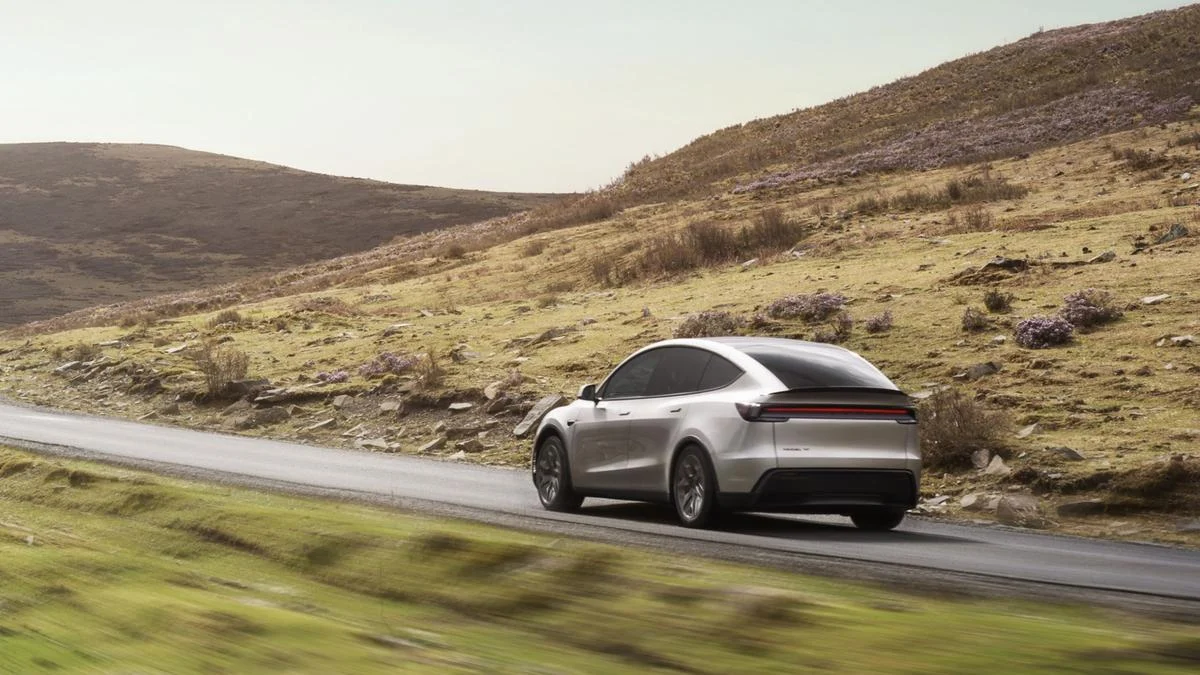
The long-anticipated arrival of Tesla on Indian shores has been a saga of regulatory negotiations, infrastructure debates, and high-stakes corporate strategy. For years, the question was not just if Tesla would enter the Indian market, but how it would adapt its Silicon Valley DNA to the unique, often punishing, demands of the Indian subcontinent. With the official introduction of the Tesla Model Y L, priced at ₹61.99 lakh, the answer has finally arrived.
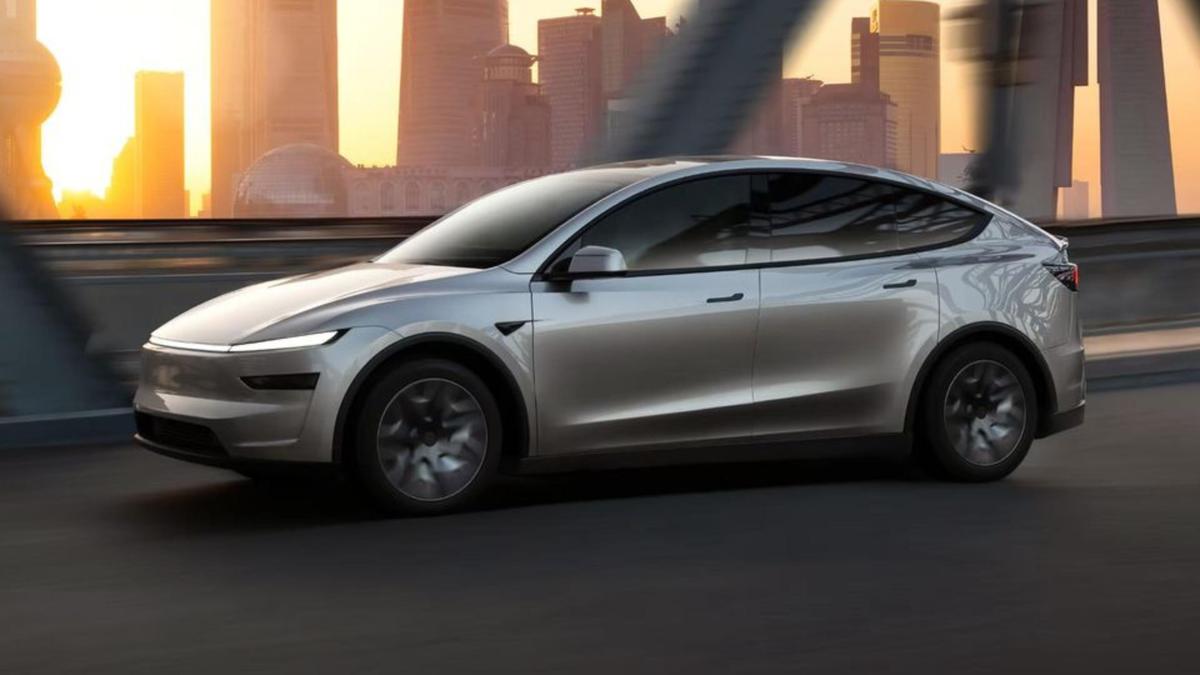
Rather than a radical disruption, Tesla has opted for what industry analysts describe as a "measured and localized" entry. The Model Y L is not merely a global product transplanted into a new geography; it is a vehicle that appears to have been recalibrated to address the specific sensibilities of the Indian premium buyer—prioritizing interior volume, chauffeur-driven comfort, and long-range reliability over raw, unbridled performance.
Main Facts: A Specialized Configuration for a Unique Market
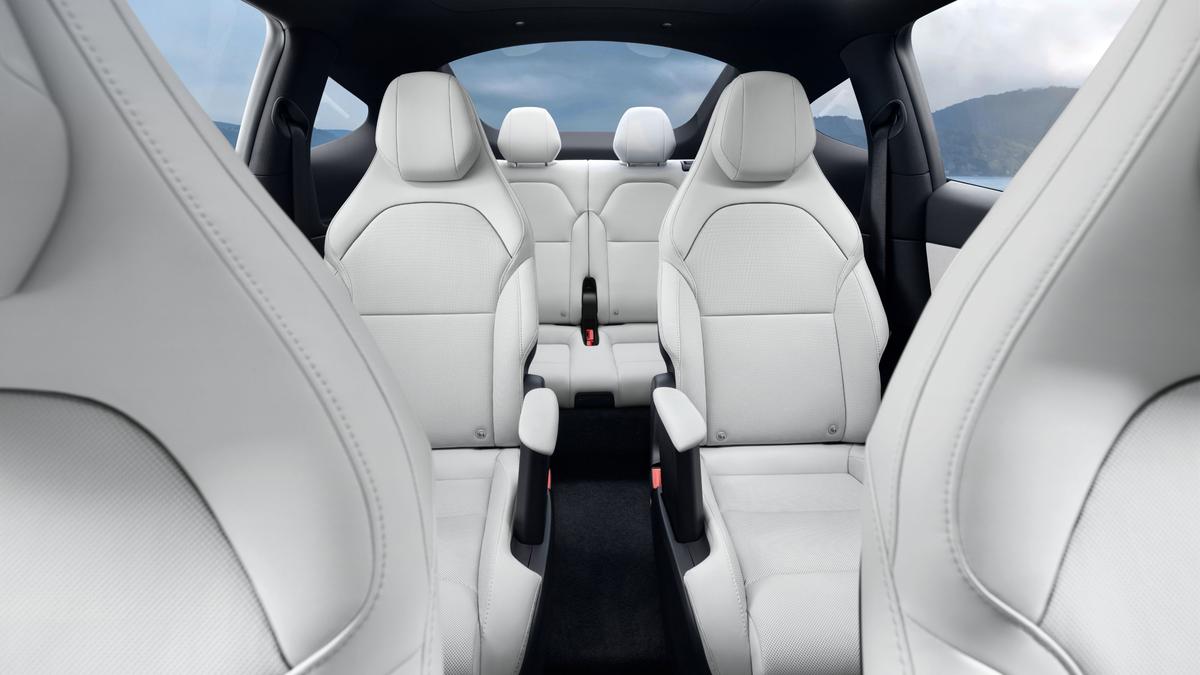
The Tesla Model Y L represents a significant departure from the standard Model Y sold in North American and European markets. The most striking difference is the seating architecture. While the global Model Y is primarily a five-seater with an optional, somewhat cramped seven-seat configuration, the Model Y L for India features a specialized three-row, six-seat layout.
The Six-Seat Strategy
Tesla’s decision to move to a six-seat configuration with second-row captain seats is a direct response to the "chauffeur-driven" culture that dominates the Indian luxury car segment. In this price bracket (₹60 lakh to ₹90 lakh), buyers frequently prioritize the comfort of the middle row. By replacing the bench seat with individual captain chairs, Tesla has introduced a level of executive comfort previously reserved for much larger, more expensive SUVs.
Key features of this cabin include:
- Second-Row Amenities: The captain seats are equipped with heating, ventilation, and powered armrests. A one-touch folding mechanism ensures easy access to the third row.
- Third-Row Utility: Unlike many SUVs where the third row is an afterthought, the Model Y L provides power-reclining seats, independent climate control vents, and one-touch folding capabilities.
- Cargo Capacity: When utility is required, the vehicle offers a massive 2,539 liters of cargo space, making it one of the most practical EVs in its class.
Performance and Range
Under the hood—or rather, under the floor—the Model Y L retains Tesla’s signature performance metrics. The All-Wheel Drive (AWD) variant delivers a 0-100 km/h sprint in just 5.0 seconds. More importantly for the Indian context, the vehicle boasts a claimed range of up to 681 km on a single charge (WLTP cycle). This high range figure is critical for mitigating "range anxiety" in a country where high-speed charging infrastructure is still concentrated in Tier-1 cities.
Chronology: The Road to the Indian Launch
The journey of Tesla into India has been one of the most closely watched corporate narratives in the automotive world.
- 2016–2017: Early Interest: Elon Musk first expressed interest in the Indian market, and Tesla even opened bookings for the Model 3. However, lack of local manufacturing and high import duties stalled the process.
- 2021: Formal Registration: Tesla India Motors and Energy Private Limited was officially incorporated in Bengaluru. Rumors of a manufacturing plant in Karnataka or Gujarat began to circulate.
- 2022: The Duty Standoff: Tesla lobbied the Indian government for a reduction in import duties (which were then 60% to 100% depending on the car’s value). The Indian government maintained that duty cuts would only follow a commitment to local manufacturing.
- 2023: Policy Realignment: High-level meetings between Elon Musk and Prime Minister Narendra Modi in the United States signaled a thaw in relations. The Indian government began drafting a new EV policy to attract global manufacturers.
- March 2024: The New EV Policy: India announced a landmark policy allowing companies to import a limited number of EVs at a reduced duty of 15%, provided they invest at least $500 million and set up a local manufacturing plant within three years.
- May 2026: The Launch: The Model Y L is officially launched at ₹61.99 lakh, utilizing the new policy framework to offer a competitive price point while building the foundation for local operations.
Supporting Data: Engineering for Indian Roads
Tesla has traditionally been known for a firm, "sporty" ride quality that works well on smooth German autobahns or California highways but can be jarring on the uneven surfaces of Indian urban roads. The Model Y L addresses this through a refined chassis setup.

Adaptive Suspension and Damping
The Model Y L comes standard with an adaptive suspension system featuring electronic damping. These sensors monitor road conditions in real-time, adjusting the stiffness of the dampers to filter out surface imperfections. This "softened" approach is a calculated move to appeal to family buyers who prioritize ride plushness over cornering speeds.
The Digital Ecosystem
The interior experience is centered around a 15-inch touchscreen interface that controls nearly every aspect of the vehicle. Supporting data on the "Connected Lifestyle" features include:
- Audio: An 18-speaker premium audio system with a dedicated subwoofer.
- Connectivity: Live traffic visualization and satellite-view maps are integrated into the navigation.
- Entertainment: In-car streaming via Netflix, YouTube, and Spotify, designed to be used during charging sessions.
- Safety: The vehicle uses acoustic glass throughout to ensure a quiet cabin, insulating passengers from the noise pollution typical of Indian metropolitan traffic.
Infrastructure Growth
A car is only as good as its charging network. As of the launch, Tesla’s footprint in India includes:
- Superchargers: 5 flagship stations with 20 Superchargers.
- Wall Connectors: 14 locations currently active.
- Expansion Plans: Tesla has committed to expanding the Supercharger network along the "Golden Quadrilateral" and major intercity routes like Mumbai-Pune, Delhi-Jaipur, and Bengaluru-Chennai.
Official Responses: A Localized Philosophy
While Tesla’s global communications are often characterized by bold, disruptive claims, the tone for the Indian launch has been notably pragmatic. Sources close to the company’s Indian operations suggest that the focus is on "Relevance over Disruption."

The Indian government, through the Ministry of Heavy Industries, has welcomed the move. Officials have noted that the entry of a global leader like Tesla will act as a catalyst for the entire EV ecosystem, encouraging local component manufacturers to upgrade their technology to meet global standards.
Industry experts suggest that Tesla’s pricing of ₹61.99 lakh is a "masterstroke of positioning." It sits comfortably below the luxury offerings from Mercedes-Benz (EQB/EQE) and BMW (iX1/iX3), which often cross the ₹75 lakh mark, yet it offers more brand prestige and range than the Hyundai Ioniq 5 or Kia EV6.
Implications: Reshaping the Premium Landscape
The introduction of the Model Y L has several far-reaching implications for the Indian automotive market.
1. The Challenge to the "German Trio"
For decades, Mercedes-Benz, BMW, and Audi have dominated the luxury SUV space. Tesla’s Model Y L, with its six-seat configuration and superior software integration, presents a formidable alternative. The "tech-first" appeal of Tesla is expected to pull younger, first-generation entrepreneurs away from traditional luxury brands.
2. Infrastructure Acceleration
Tesla’s Supercharger network is widely regarded as the gold standard for EV charging. Its expansion in India will likely force local charge point operators (CPOs) to improve their uptime and charging speeds. Furthermore, Tesla’s "Plug & Charge" technology sets a benchmark for user convenience that local competitors will be pressured to match.
3. The Shift in Family Dynamics
By offering a three-row SUV at this price point, Tesla is targeting the "Joint Family" and "Active Parent" demographics. Most electric SUVs currently in India are five-seaters. The Model Y L fills a vacuum for families who need the extra seats for children or elderly parents but want to transition away from internal combustion engines.
4. Valuation and Resale
Tesla’s entry will also impact the resale value of luxury petrol and diesel SUVs. As the "cool factor" shifts toward EVs, the depreciation of high-end ICE (Internal Combustion Engine) vehicles may accelerate, further pushing the market toward electrification.
Conclusion: A Pragmatic Revolution
The Tesla Model Y L is more than just a new car; it is a barometer for the maturity of the Indian EV market. By pricing the vehicle competitively and tailoring the interior for local preferences, Tesla has shown a willingness to learn and adapt.

The ₹61.99 lakh price tag is a clear signal that Tesla is not looking to remain a niche player for the ultra-wealthy. Instead, it is aiming for the heart of the premium segment. While challenges remain—specifically regarding the density of the service network and the long-term reliability of the battery tech in India’s extreme heat—the Model Y L represents the most credible and comprehensive attempt yet to bring the future of motoring to Indian roads.
In the coming years, the success of the Model Y L will likely determine the speed at which Tesla moves toward full-scale local manufacturing. For now, it stands as a sophisticated, tech-laden, and surprisingly practical bridge between the era of fossil fuels and the inevitable electric future.
