

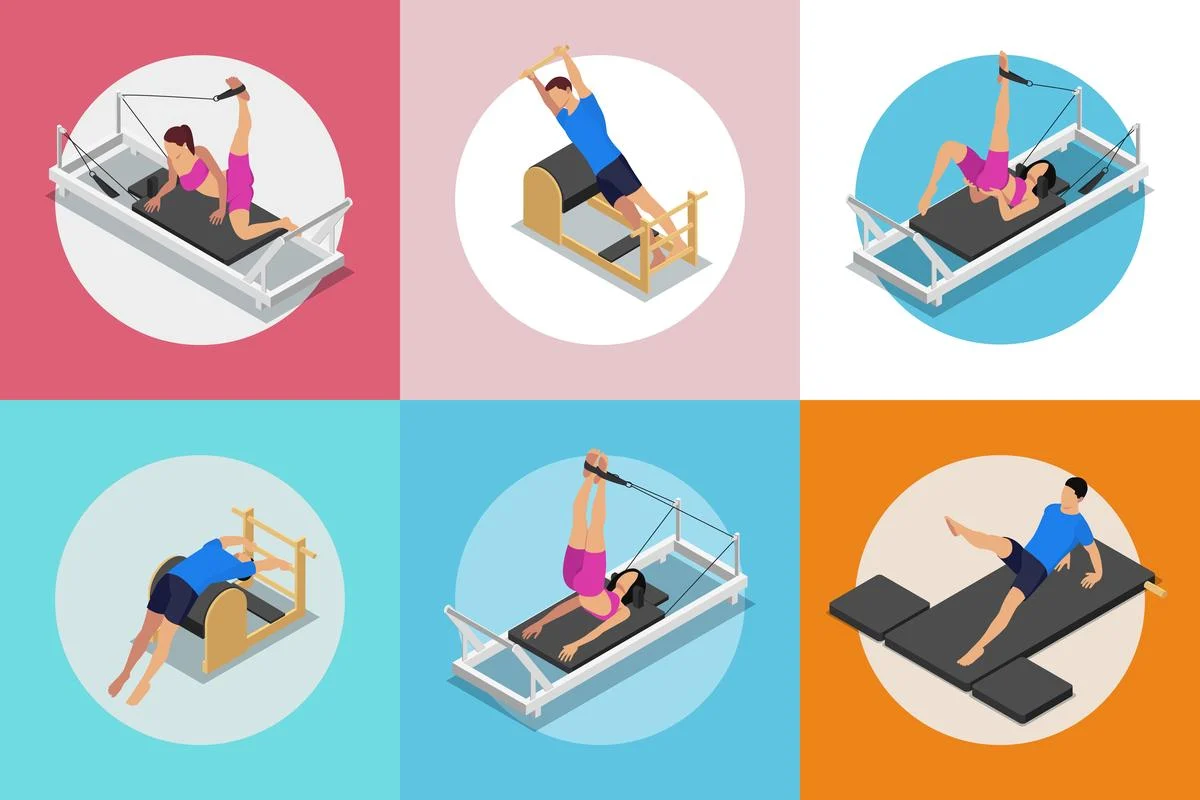
The 20th-century exercise phenomenon that has transcended trends, Pilates offers a scientifically validated pathway to enhanced core strength, improved posture, and profound mental clarity.
In an era increasingly defined by fleeting fitness fads, Pilates stands as a testament to enduring efficacy. Developed in the early 20th century by Joseph Pilates, this mind-and-body discipline has evolved from a niche practice to a globally recognized powerhouse for physical and mental well-being. Far from being a mere strength-training regimen or a simple flexibility exercise, Pilates is a meticulously designed system that cultivates core strength, heightens body awareness, and sharpens mental focus. While often associated with mat-based routines, the practice also leverages specialized apparatus, such as the spring-loaded Reformer and the versatile Cadillac, to provide adjustable resistance and support for a comprehensive full-body workout.
The growing appeal of Pilates lies in its holistic approach. It emphasizes refined breathing patterns and precise muscle control, making it an attractive and often preferred alternative to conventional workout routines. Emerging research, notably from esteemed publications like the Journal of Orthopaedic & Sports Physical Therapy and the American Council on Exercise, has lent significant scientific weight to its benefits. These studies underscore Pilates’ profound impact on spinal stability and posture, while simultaneously highlighting its remarkably low risk of injury. Consequently, Pilates has firmly established itself as more than just a passing trend, cementing its place as a vital component of modern health and wellness strategies.
The Genesis of Contrology: Joseph Pilates’ Vision
The narrative of Pilates begins in the early 1900s with Joseph Pilates, a German physical trainer whose innovative approach was reportedly inspired by a rich tapestry of disciplines including gymnastics, boxing, yoga, and Zen meditation. His initial concept, which he termed "Contrology," was born from a desire to create a system that could rehabilitate injured soldiers and enhance the physical conditioning of athletes.
Pilates’ journey took a significant turn in 1926 when he emigrated to the United States. Establishing his first studio in close proximity to the New York City Ballet, he began offering classes dedicated to his "Contrology" method. This strategic location allowed him to work with dancers, who quickly recognized the profound benefits of his system for their demanding profession. The foundational principles of Contrology, emphasizing precise movements, breath synchronization, and core engagement, resonated deeply, laying the groundwork for the enduring popularity that continues to define Pilates today.
Evolution and Diversification: The Branches of Pilates
Over the decades, Pilates has not remained static. It has evolved, branching into distinct styles, each with its unique nuances while staying true to the core tenets established by its founder.
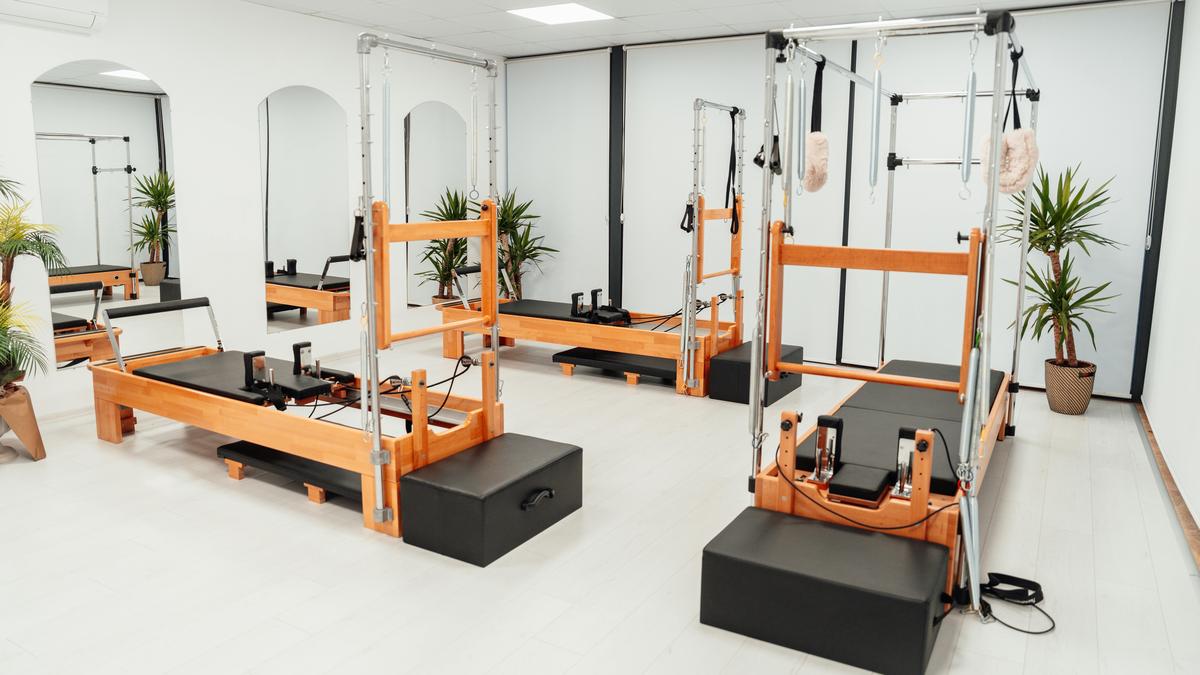
Contrology: The Original Blueprint
The bedrock of the Pilates method is "Contrology" as conceived by Joseph Pilates himself. This original system comprises a carefully curated set of exercises, some of which necessitate the use of specialized apparatus possessing unique characteristics. The exercises are performed systematically and in a specific, deliberate order. Joseph Pilates was famously stringent about the execution of Contrology, permitting modifications only if explicitly stated that the altered practice was no longer "Contrology." This emphasis on fidelity to the original method underscores its foundational importance.
Classical Pilates: Honoring the Legacy
Classical Pilates represents a lineage that adheres closely to Joseph Pilates’ original teachings, with only minor modifications introduced by his direct disciples. These disciples, while acknowledging the subtle differences, recognized their adaptations as the essence of what would become known as Classical Pilates. Often considered intrinsically linked to Contrology, Classical Pilates sometimes incorporates additional exercises that build upon the original repertoire. The emphasis remains on precision, flow, and the mindful execution of each movement as passed down through generations of practitioners.
Contemporary Pilates: A Modern Adaptation
In contrast, Contemporary Pilates embraces a more modernized and adaptable approach. This evolved version of Classical Pilates incorporates a greater number of modifications, introduces a wider array of equipment, and often dispenses with the strict adherence to a particular exercise order. This flexibility makes Contemporary Pilates accessible to a broader audience and allows for greater personalization to individual needs and fitness goals. It reflects a dynamic evolution, integrating modern biomechanical understanding and exercise science into the Pilates framework.
The adaptability of Pilates has also led to its fusion with other fitness modalities, giving rise to hybrid forms such as Yogilates (a blend of yoga and Pilates), Cardiopilates (integrating cardiovascular elements), and Piloxing (combining Pilates with boxing and dance). Beyond these, specialized forms like Aquapilates (practiced in water) and Aeropilates (utilizing trampolines and resistance cords) further demonstrate the discipline’s capacity to cater to diverse preferences and physical requirements, offering low-impact alternatives that protect joints and enhance overall conditioning.
The Ascent of Pilates: Why Now?
The surge in Pilates’ popularity over the past few years is a multifaceted phenomenon. Several factors contribute to its current prominence, from a heightened societal focus on health and wellness among younger generations to the pervasive influence of social media, which often amplifies trends and creates a sense of "Fear Of Missing Out" (FOMO) surrounding popular activities like Pilates.
However, beyond the hype and social media buzz, the question of Pilates’ scientific validity as an effective workout method remains paramount. The evidence overwhelmingly suggests that it is. Multiple scientific studies have validated Pilates as a robust exercise regimen with tangible benefits. Its efficacy in core strengthening, alleviating chronic pain, enhancing balance and flexibility, and improving posture is well-documented. Furthermore, the practice’s emphasis on mindful movement has been shown to contribute to better mental health, acting as a form of movement meditation.

The psychological benefits are equally significant. Pilates has been observed to reduce anxiety levels and provide relief from chronic back and neck pain. On a physiological level, it aids in maintaining bone density and plays a crucial role in the prevention of osteoporosis, a condition characterized by brittle and fragile bones.
While the effectiveness of any exercise can be subjective and influenced by individual factors, Pilates offers a distinctly different and profoundly beneficial approach to health and wellness. For those seeking an alternative to the familiar routines of dumbbells and standard yoga mats, Pilates presents a compelling and rewarding pathway to a stronger, more balanced, and more focused self.
Supporting Data and Scientific Endorsement
The scientific community has increasingly recognized and validated the efficacy of Pilates. Research published in reputable journals provides a strong foundation for its widespread adoption.
- Spinal Health and Posture: Studies published in the Journal of Orthopaedic & Sports Physical Therapy have demonstrated Pilates’ effectiveness in improving spinal stability and correcting postural imbalances. By strengthening the deep core muscles that support the spine, practitioners can achieve better alignment and reduce the incidence of back pain.
- Core Strength and Injury Prevention: The American Council on Exercise (ACE) has highlighted Pilates as a superior method for developing core strength. A strong core is fundamental to overall physical health, providing a stable base for all movements and significantly reducing the risk of injuries in both athletic and daily activities.
- Balance and Flexibility: Research indicates that regular Pilates practice can lead to significant improvements in balance and flexibility, particularly among older adults and individuals recovering from injuries. This enhanced proprioception and range of motion contribute to greater functional independence and a reduced risk of falls.
- Mental Well-being: Beyond its physical advantages, Pilates is increasingly recognized for its positive impact on mental health. The focus on breath control and mindful movement can induce a meditative state, reducing stress and anxiety. Studies suggest that the mind-body connection fostered by Pilates can lead to improved mood and cognitive function.
- Pain Management: Pilates has shown promise in managing chronic pain conditions, especially lower back pain. By improving muscle function, reducing inflammation, and promoting better movement patterns, it offers a non-pharmacological approach to pain relief.
- Bone Density: While not a weight-bearing exercise in the traditional sense, the controlled movements and muscle engagement in Pilates can contribute to maintaining bone density, particularly when integrated into a comprehensive fitness program. This is crucial for preventing conditions like osteoporosis.
These research findings collectively underscore that Pilates is not merely a trend but a scientifically supported exercise modality with profound and lasting benefits for physical and mental health.
Implications for Health and Wellness
The widespread adoption and scientific validation of Pilates carry significant implications for public health and individual wellness strategies.
- Preventative Healthcare: By strengthening the core, improving posture, and enhancing balance, Pilates can serve as a powerful tool for preventing common musculoskeletal issues, thereby reducing the burden on healthcare systems.
- Rehabilitation and Recovery: Its low-impact nature and focus on controlled movements make Pilates an ideal component of physical rehabilitation programs for a wide range of injuries and conditions, including post-surgical recovery and chronic pain management.
- Aging Gracefully: For the aging population, Pilates offers a means to maintain mobility, balance, and strength, promoting independence and improving quality of life. Its gentle approach is particularly beneficial for older adults who may be at higher risk of falls and injuries.
- Holistic Well-being: In an era where mental health is increasingly prioritized, Pilates offers a unique integration of physical activity and mindfulness, providing a holistic approach to well-being that addresses both the body and the mind.
- Accessible Fitness: With the availability of mat-based classes and a variety of equipment, Pilates can be adapted to suit different fitness levels, budgets, and accessibility needs, making it a more inclusive fitness option.
The enduring appeal and growing body of scientific evidence suggest that Pilates will continue to be a cornerstone of health and wellness practices for generations to come, offering a pathway to a stronger, more resilient, and more mindful existence.
