

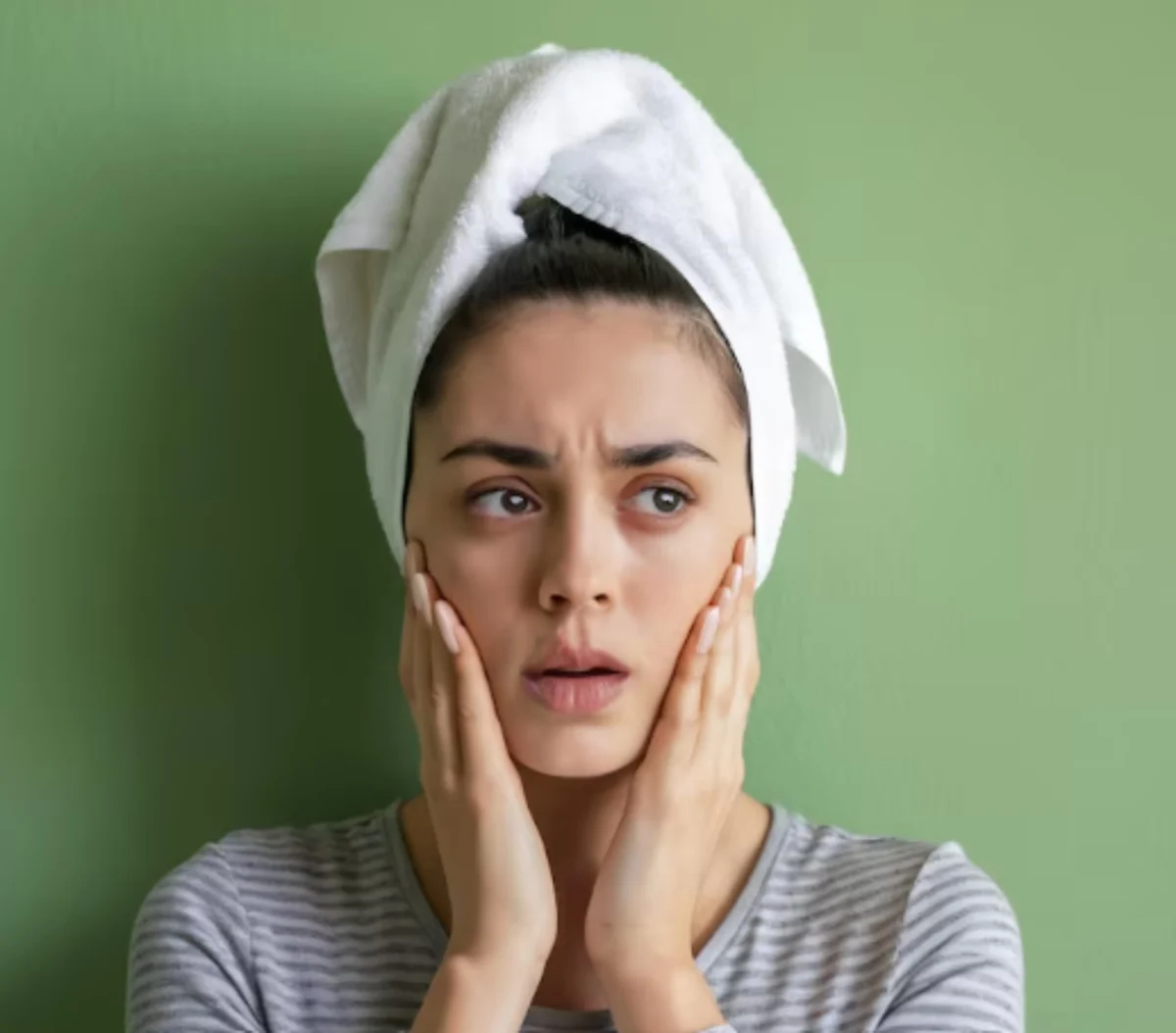
New Delhi, May 8, 2026 – That unwelcome puffiness in the face, often referred to as facial bloating, can be a source of frustration for many. While frequently a transient and benign condition, the underlying causes for this facial swelling can range from simple, everyday lifestyle choices to more complex underlying health concerns. Renowned medical expert, Dr. Shweta Nakhawa, emphasizes that in the vast majority of instances, facial bloating is temporary and can be effectively managed through consistent, minor adjustments to one’s daily habits.
This comprehensive article delves into the multifaceted nature of facial bloating, exploring its common triggers, offering practical solutions for quick relief, and delineating when professional medical attention is warranted. We will examine the physiological mechanisms behind water retention, the impact of dietary choices, and the role of sleep and hydration, supported by expert advice and actionable strategies for a clearer, more comfortable complexion.
The Multifaceted Origins of Sudden Facial Bloating
The immediate question on many minds when faced with facial puffiness is, "What exactly is causing this?" Dr. Shweta Nakhawa, a leading voice in lifestyle medicine, points to a primary culprit: water retention. "The most common reason for facial bloating is water retention," Dr. Nakhawa explains. "This is frequently linked to elevated salt intake, insufficient hydration, or inadequate sleep."
The delicate balance of fluids within our bodies is easily disrupted by these factors. When we consume excessive sodium, our bodies hold onto more water to dilute it, leading to swelling in extremities and often, a noticeable puffiness in the face. Similarly, dehydration can paradoxically trigger water retention as the body attempts to conserve its limited fluid resources. Poor sleep quality, a pervasive issue in modern life, can also disrupt hormonal balances that regulate fluid distribution.
Beyond these foundational elements, dietary habits play a critical role. "Diet-related bloating may follow heavy, processed, or alcohol-rich meals," Dr. Nakhawa notes. These types of foods are often high in sodium and can trigger inflammatory responses or disrupt gut health, both of which can manifest as facial puffiness. Processed foods, in particular, are notorious for their high sodium content and artificial additives, which can contribute to fluid imbalance. Alcohol, while initially a diuretic, can lead to dehydration and subsequent water retention as the body attempts to rehydrate.
Dr. Nakhawa offers a practical method for individuals to self-assess the nature of their facial swelling: "A simple way to identify the cause is by observing how your face behaves throughout the day. If the swelling is soft, mild, and settles during the day, it’s usually temporary." This suggests that lifestyle factors like a salty dinner or a late night are likely the cause. However, she cautions, "But persistent or uneven swelling may point to allergies or other triggers." Persistent puffiness that doesn’t subside or swelling that is localized to one area could indicate a more significant underlying issue that requires medical investigation.
Immediate Relief: Swift Strategies to Combat Facial Puffiness
For those seeking rapid relief from facial bloating, Dr. Nakhawa offers a series of accessible and effective techniques. "Simple steps can help reduce puffiness quickly," she assures. These methods leverage the principle of vasoconstriction and reducing inflammation.
1. The Power of Cold: "Splashing the face with cold water is a go-to remedy," Dr. Nakhawa suggests. The sudden exposure to cold causes blood vessels to constrict, which can reduce swelling and inflammation. Similarly, "using a cold compress, or even chilled spoons can reduce puffiness." A chilled compress, whether a cloth soaked in cold water or a bag of frozen peas wrapped in a towel, can be applied to the swollen areas for several minutes. Chilled spoons, placed in the freezer for a short period, can also be gently rolled over the face to provide a soothing and de-puffing effect.
2. Gentle Stimulation and Hydration: Beyond temperature therapy, Dr. Nakhawa advocates for gentle manual techniques. "A light face massage can make a difference," she notes. Facial massage, particularly lymphatic drainage massage, can help to manually move excess fluid away from the face and towards the lymph nodes for removal. This can be done using clean fingers or a facial roller.
Crucially, maintaining adequate hydration is paramount. "Staying well-hydrated makes a difference," Dr. Nakhawa emphasizes. While it might seem counterintuitive, drinking plenty of water helps the body flush out excess sodium and toxins, thus reducing water retention. Aim for clear, regular sips of water throughout the day.
3. Dietary Adjustments for Rebalancing: Dr. Nakhawa reiterates the importance of immediate dietary interventions. "Keeping salt intake low for the day helps the body rebalance." This means actively avoiding processed foods, fast food, and pre-packaged meals, which are typically laden with hidden sodium. Opting for fresh, whole foods and flavoring meals with herbs and spices instead of salt can significantly impact fluid balance.
Unveiling the Silent Contributors: Everyday Habits Fueling Facial Bloating
The origins of facial bloating are often rooted in seemingly innocuous daily habits that, over time, can contribute to a persistent puffy appearance. Dr. Nakhawa identifies several common culprits that many individuals may not even recognize as triggers.
1. The Sleep Deficit: "Lack of sleep is a common culprit," Dr. Nakhawa states plainly. Insufficient sleep disrupts the body’s natural circadian rhythms and can lead to increased cortisol levels, a stress hormone that is linked to fluid retention. Furthermore, lack of sleep can impair the body’s ability to regulate appetite, potentially leading to cravings for high-sodium or processed foods, further exacerbating bloating.
2. The Sodium Overload: As previously discussed, a high-sodium diet remains a primary driver of facial puffiness. This often stems from relying on convenience foods, eating out frequently, and not being mindful of the sodium content in everyday staples like bread, cheese, and canned goods.
3. The Vices of Alcohol and Insufficient Water: "Alcohol and not drinking enough water are common culprits," Dr. Nakhawa reiterates. The dehydrating effects of alcohol, coupled with its inflammatory properties, can lead to a cycle of dehydration and subsequent water retention. Conversely, failing to consume adequate water throughout the day forces the body to conserve fluid, resulting in puffiness.
4. Modern Lifestyle Disruptors: Dr. Nakhawa points out that contemporary lifestyles present unique challenges. "Late-night eating and excessive screen time can indirectly affect fluid balance and lead to puffiness," she explains. Consuming heavy meals close to bedtime can disrupt digestion and sleep quality, both contributing to bloating. The blue light emitted from screens can also interfere with melatonin production, impacting sleep patterns. Moreover, the sedentary nature of prolonged screen time can hinder circulation, potentially leading to fluid accumulation.
Recognizing the Red Flags: When Facial Bloating Demands Medical Attention
While most instances of facial bloating are benign and resolvable with lifestyle adjustments, it is crucial to recognize when puffiness might signal a more serious underlying health issue. Dr. Nakhawa provides clear guidelines on when to seek professional medical advice.
1. Persistent and Painful Swelling: "If swelling is frequent, painful, or comes with redness, itching, or breathing difficulty, it should not be ignored," warns Dr. Nakhawa. These symptoms can indicate an inflammatory condition, an infection, or an allergic reaction that requires medical diagnosis and treatment. Pain, redness, and itching are clear signs of localized inflammation or irritation.
2. Sudden and Severe Swelling: "Sudden severe swelling could be an allergic reaction and needs immediate attention," Dr. Nakhawa stresses. Anaphylaxis, a severe allergic reaction, can manifest as rapid and widespread swelling, including in the face and throat, and can be life-threatening. If you experience sudden, significant facial swelling, especially after consuming a new food or medication, or after an insect sting, seek emergency medical help immediately.
3. Uneven or Unilateral Swelling: While generalized puffiness is often related to fluid retention, swelling that is localized to one side of the face or is distinctly uneven could indicate a more specific issue, such as a sinus infection, dental problem, or even a more serious condition like a stroke or Bell’s palsy. In such cases, prompt medical evaluation is essential.
4. Accompanying Symptoms: Facial bloating that occurs in conjunction with other concerning symptoms, such as fever, unexplained weight changes, fatigue, or changes in bowel or bladder habits, should be investigated by a healthcare professional. These additional symptoms could point towards systemic illness or organ dysfunction.
The Broader Implications: Lifestyle Choices for Long-Term Well-being
Understanding the causes and solutions for facial bloating extends beyond mere cosmetic concerns. It serves as a potent reminder of the intricate connection between our lifestyle choices and our overall health. By embracing a holistic approach that prioritizes balanced nutrition, adequate hydration, quality sleep, and mindful consumption, individuals can not only combat facial puffiness but also foster enduring well-being.
The recommendations provided by Dr. Nakhawa underscore the power of simple, consistent changes. A diet rich in whole, unprocessed foods, with a deliberate reduction in sodium and alcohol, forms the bedrock of a healthy fluid balance. Prioritizing seven to nine hours of quality sleep each night allows the body to repair and regulate itself, mitigating hormonal imbalances that contribute to swelling. Regular physical activity, even moderate exercise, improves circulation and aids in the lymphatic system’s function, further preventing fluid stagnation.
Furthermore, staying attuned to our bodies and recognizing when subtle changes signal a need for attention is a vital aspect of proactive health management. The information presented here aims to empower individuals with the knowledge to effectively address facial bloating, promoting not just a clearer complexion but a healthier, more vibrant life.
Disclaimer: This article is based on information from the public domain and expert insights. It is intended for informational purposes only and does not constitute medical advice. Always consult with a qualified health practitioner before making any decisions related to your health or starting any new routine.
