

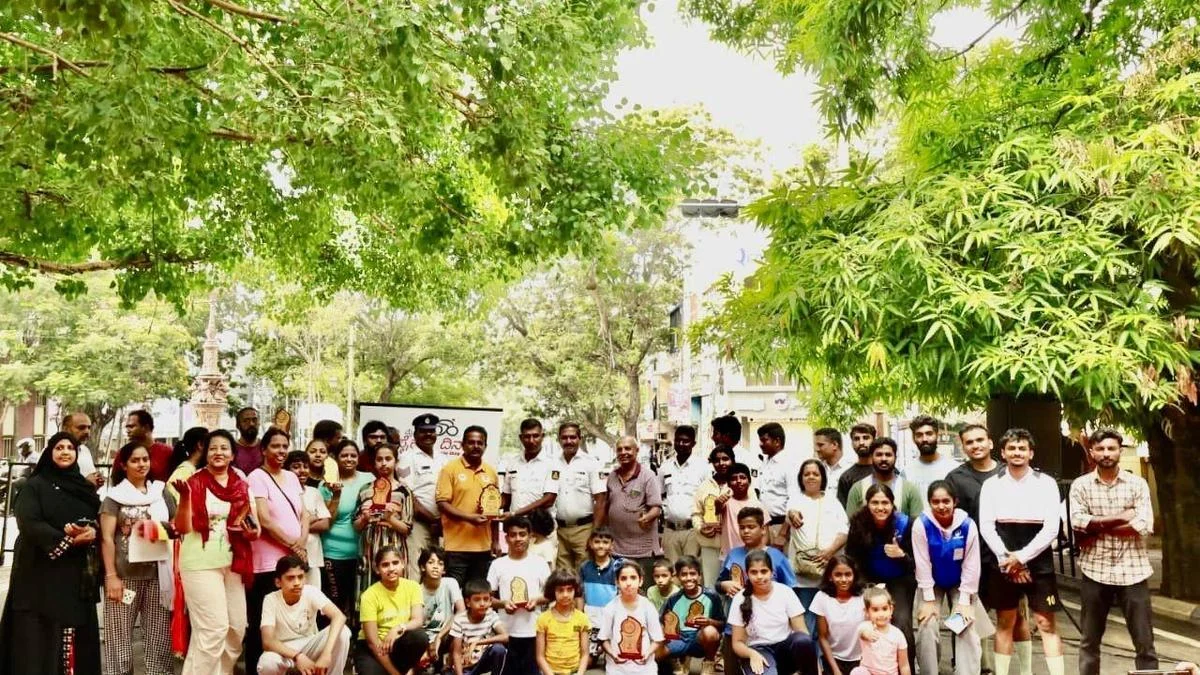
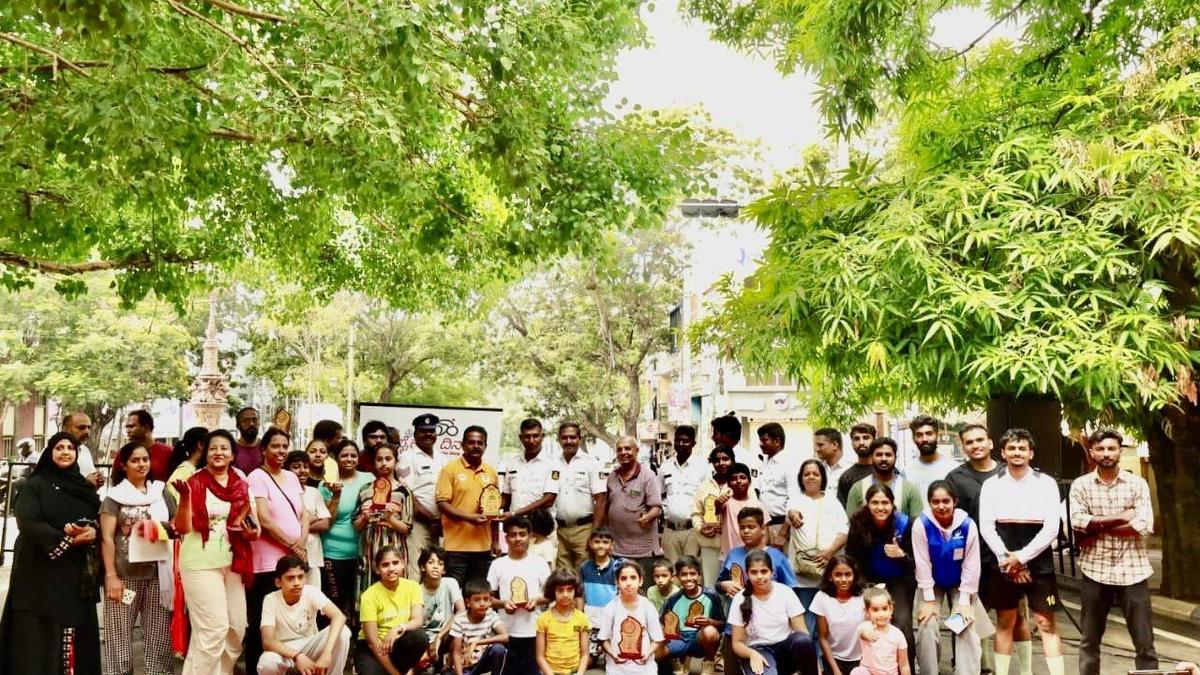
Mysuru, India – May 11, 2026 – In a vibrant display of commitment to environmental stewardship and public well-being, the city of Mysuru celebrated its fourth annual "Mysuru Cycle Day" on Monday. The event, orchestrated by the Mysuru City Corporation (MCC) in partnership with GIZ and ESAF under the umbrella of the Sustainable Urban Mobility-Air Quality initiative, transformed the Saraswathipuram area into a hub of eco-conscious activity. This year’s iteration saw an unprecedented surge in participation, underscoring a growing societal imperative for cleaner air, healthier lifestyles, and the reclamation of urban spaces for community engagement.
A City Pedaling Towards a Greener Tomorrow: The Core of Mysuru Cycle Day
At its heart, Mysuru Cycle Day is more than just a cycling event; it is a powerful statement about the city’s aspirations for a sustainable urban future. The initiative directly addresses the pressing global concerns of climate change and urban pollution by actively promoting non-motorized transportation. By designating specific urban corridors for cycling and pedestrian activities, the event challenges the conventional dominance of vehicular traffic, advocating for a paradigm shift towards people-centric urban planning.
The overarching objective of Mysuru Cycle Day is multi-faceted. Firstly, it aims to significantly reduce vehicular emissions by encouraging residents to opt for bicycles for their daily commutes and recreational activities. Secondly, it champions public health by fostering a culture of physical activity, combating sedentary lifestyles, and promoting the inherent health benefits of cycling. Thirdly, it seeks to enhance the quality of urban life by creating vibrant, walkable, and cyclable public spaces, thereby strengthening community bonds and fostering a sense of shared ownership of the city.
The event’s success this year, particularly the overwhelming turnout, indicates a growing awareness and acceptance of these principles among Mysuru’s citizens. The MCC, through its consistent efforts in organizing this annual event, is not merely facilitating a day of fun and fitness, but is actively laying the groundwork for long-term behavioral change and infrastructural adaptation to support sustainable mobility.
A Day of Celebration: Chronology of the Fourth Mysuru Cycle Day
The festivities commenced early on Monday morning, transforming a significant stretch of Saraswathipuram into a car-free zone, a deliberate move to prioritize human-powered mobility.
- Early Morning Assembly: Cyclists of all ages, from seasoned enthusiasts to families with young children, began gathering at designated points, their bicycles gleaming under the morning sun. The air buzzed with anticipation and a palpable sense of camaraderie.
- The Grand Cycle Rally (9:00 AM – 11:00 AM): The centerpiece of the event was the exhilarating five-kilometer cycle rally. Hundreds of participants, adorned in bright attire, embarked on a journey that wound through the heart of Saraswathipuram. The rally was not a race, but a collective demonstration of unity and commitment to a shared vision of a cleaner Mysuru. Students from various educational institutions, members of cycling clubs, and ordinary citizens pedaled side-by-side, their enthusiasm infectious.
- "Open Street" Transformation (10:00 AM – 1:00 PM): Following the rally, the closed-off streets came alive with "Open Street" activities. This concept, integral to the event, reimagined the road as a public commons. Families spread out picnic blankets, children engaged in spontaneous games, and artists showcased their talents. The atmosphere was one of joyous community interaction, a stark contrast to the usual hustle and bustle of vehicular traffic.
- Traditional Games and Cultural Exhibits: Adding a layer of cultural richness to the event, traditional Indian games were organized, allowing younger generations to connect with their heritage. Local artisans and environmental organizations also set up stalls, offering information on sustainable practices and showcasing eco-friendly products.
- Concluding Remarks and Appreciation (1:00 PM onwards): As the "Open Street" activities drew to a close, organizers and city officials addressed the gathering, reiterating the importance of sustainable mobility and expressing gratitude for the overwhelming participation. The event officially concluded with a collective pledge towards adopting greener transportation habits.
The seamless execution of the day’s events was a testament to the meticulous planning and collaborative spirit of all involved.
Supporting Data and the Growing Momentum of Sustainable Mobility
The success of Mysuru Cycle Day is not an isolated incident, but rather a reflection of a growing global and national trend towards sustainable urban mobility. Several key indicators underscore this momentum:
- Increasing Bicycle Ownership and Usage: While precise city-wide data for Mysuru is still being compiled, national trends suggest a significant uptick in bicycle sales and usage, particularly in Tier 2 and Tier 3 cities. The affordability and environmental benefits of cycling make it an attractive option for a growing segment of the population.
- Governmental Push for Green Transport: National policies and initiatives, such as the National Urban Transport Policy and various smart city missions, increasingly emphasize the integration of sustainable transport options. This provides a conducive policy environment for events like Mysuru Cycle Day to flourish.
- Health Benefits of Cycling: The World Health Organization (WHO) consistently highlights the immense health benefits of regular physical activity, including cycling. Studies show that regular cycling can reduce the risk of heart disease, stroke, diabetes, and certain types of cancer. In an era of rising non-communicable diseases, promoting cycling directly contributes to a healthier populace.
- Environmental Impact: A single car can emit significant amounts of greenhouse gases and particulate matter, contributing to air pollution and climate change. Shifting even a fraction of daily commutes from cars to bicycles can have a substantial positive impact on air quality and carbon footprint reduction. For instance, replacing a 10 km car commute with a bicycle ride can save approximately 2-3 kg of CO2 emissions per day.
- Economic Advantages: Beyond environmental and health benefits, cycling is also an economically viable mode of transport. It eliminates fuel costs, reduces vehicle maintenance expenses, and can be significantly cheaper than public transportation for shorter distances.
The consistent growth in participation at Mysuru Cycle Day, from its inception to its fourth edition, serves as a qualitative indicator of this underlying trend within the city. Each year, more residents are recognizing the tangible benefits of embracing cycling and advocating for a more sustainable urban environment.
Official Responses: A Vision for a Car-Lite Mysuru
The Mysuru City Corporation (MCC) has been the driving force behind Mysuru Cycle Day, and its officials have consistently voiced their commitment to fostering a culture of sustainable mobility.
Mayor Smt. M.V. Ramadevi, a vocal proponent of the initiative, stated, "Mysuru Cycle Day is not just an event; it’s a movement. We are witnessing a paradigm shift in how our citizens perceive urban mobility. The overwhelming participation today reaffirms our belief that Mysuru is ready to embrace a greener, healthier, and more people-friendly future. Our vision is to create an urban landscape where cycling and walking are not just alternatives, but the preferred modes of transport for many. We are committed to working with our partners and the community to make this a reality."
Commissioner of MCC, Sri. Ramesh Babu, highlighted the collaborative nature of the event’s success. "The success of Mysuru Cycle Day is a testament to the power of collaboration. We are deeply grateful to GIZ and ESAF for their invaluable partnership, and to the Mysuru city police and traffic police for ensuring the safety and smooth conduct of the rally. The enthusiastic support from educational institutions, NCC cadets, and various government departments has been instrumental. This event demonstrates that when we come together with a shared purpose, we can achieve remarkable outcomes. We are already planning for next year, aiming to expand the reach and impact of this crucial initiative."
Representatives from GIZ and ESAF, who are actively involved in promoting sustainable urban development in India, echoed the sentiments of the MCC officials. They emphasized the global best practices that Mysuru is adopting through such initiatives and expressed their continued support in developing integrated sustainable mobility solutions for the city.
Implications for Mysuru’s Future: Paving the Way for a Sustainable Metropolis
The continued success and growing momentum of Mysuru Cycle Day carry significant implications for the city’s future development and its residents’ quality of life.
- Enhanced Air Quality: A sustained shift towards cycling and walking will directly translate into reduced vehicular emissions, leading to cleaner air and a healthier environment for all residents. This is particularly crucial in urban areas where air pollution poses significant health risks.
- Improved Public Health Outcomes: By encouraging regular physical activity, the event contributes to a healthier population, potentially reducing the burden of lifestyle-related diseases and healthcare costs in the long run.
- Reimagined Urban Spaces: The "Open Street" concept demonstrates the potential for transforming urban roads into vibrant public spaces that foster community interaction and well-being. This can lead to more engaging and livable city environments.
- Economic Benefits: Reduced reliance on fossil fuels for transportation can lead to economic savings for individuals and the city. Furthermore, a focus on sustainable infrastructure can attract eco-tourism and green businesses.
- Behavioral Change and Long-Term Impact: While a single-day event is a catalyst, its consistent organization aims to foster lasting behavioral change. By normalizing cycling and promoting its benefits, Mysuru is creating a culture that prioritizes sustainable mobility.
- Inspiration for Other Cities: Mysuru’s proactive approach to promoting sustainable urban mobility through events like Cycle Day can serve as a valuable model for other cities across India and beyond, encouraging them to adopt similar initiatives.
As Mysuru continues to grow and evolve, the principles championed by Mysuru Cycle Day – environmental consciousness, public health, and community engagement – will undoubtedly play a pivotal role in shaping its trajectory towards becoming a truly sustainable and livable metropolis. The sound of bicycle wheels on its streets is not just a recreational pursuit; it is the rhythm of a city pedaling confidently towards a brighter, greener future.
