

In an era where celebrity fitness is often synonymous with extreme transformations and restrictive diets, actress Mrunal Thakur has emerged as a proponent of a more nuanced, scientifically grounded approach to physical well-being. At 33, an age where many professionals in the high-pressure Indian film industry face the dual challenges of rigorous filming schedules and the physiological demands of aging, Thakur’s recent revelations regarding her health regimen have sparked a significant conversation among health experts and fans alike.
During a candid appearance on the popular YouTube podcast hosted by Ranveer Allahbadia, Thakur detailed a multifaceted routine that eschews the monotony of single-discipline training. Her regimen—a sophisticated blend of Pilates, strength training, and competitive tennis—represents what experts call a "hybrid training model." This approach, according to clinical nutritionists and fitness consultants, offers a blueprint for long-term health that prioritizes functional longevity over mere aesthetic appeal.
Main Facts: The Pillars of Thakur’s Regimen
Mrunal Thakur’s fitness strategy is built on the principle of variety, which serves both physiological and psychological purposes. According to her interview, her week is meticulously structured to ensure that no single muscle group or energy system is overtaxed while ensuring that all facets of fitness—strength, flexibility, and cardiovascular endurance—are addressed.
The core components of her routine include:
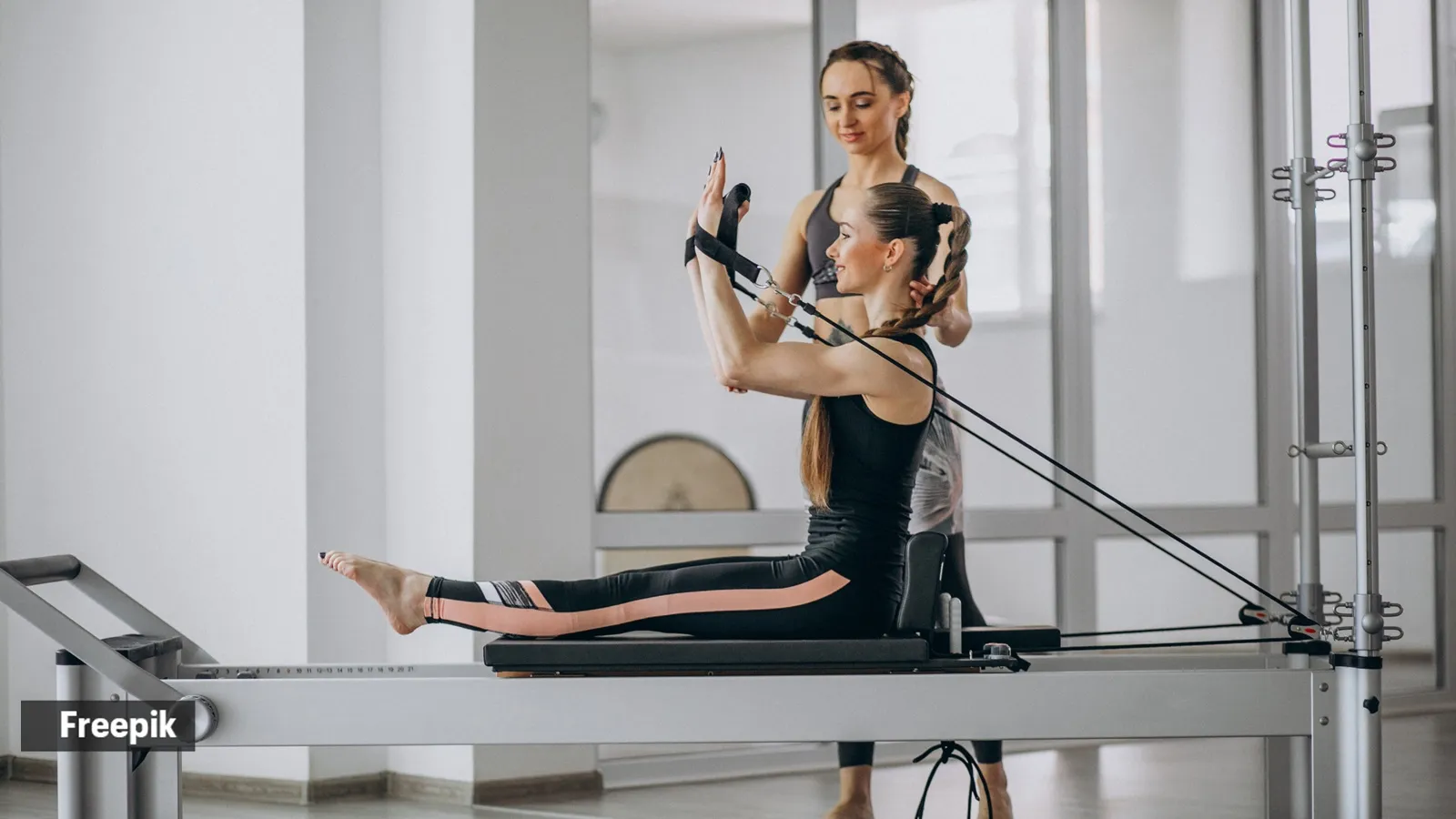
- Pilates (Twice Weekly): Focused on core stability, spinal alignment, and the strengthening of deep stabilizer muscles.
- Strength Training: Dedicated sessions aimed at building lean muscle mass and improving metabolic rate.
- Tennis (Twice Weekly): A high-intensity, reactive sport played with her father, providing cardiovascular benefits and social-emotional bonding.
- The "Father-Daughter" Element: A unique aspect of her routine is the inclusion of family, which adds a layer of emotional sustainability and accountability to her physical activity.
Consultant dietitian and fitness expert Garima Goyal highlights that this routine is "clinically well-balanced." By moving away from the "gym-only" mindset, Thakur is effectively targeting multiple physiological systems, ensuring that her body remains adaptable and resilient.
Chronology: From Screen Presence to Physical Excellence
The evolution of Mrunal Thakur’s public persona has been marked by a shift from a promising television actress to a powerhouse in Indian cinema. As her career trajectory moved toward physically demanding roles and high-profile public appearances, her approach to health evolved in tandem.
Early Career & Foundation: In her early years, like many actors, the focus was largely on maintaining a specific screen-ready physique. However, the demands of the modern film industry—long hours, travel, and the need for high energy—necessitated a more robust foundation.
The Podcast Revelation (May 2026): The current discourse began following her mid-May appearance on Ranveer Allahbadia’s podcast. Thakur’s transparency about "working really hard" resonated with an audience often disillusioned by "effortless" beauty standards. She clarified that her physique is the result of a structured, four-to-six-day-a-week commitment.
Expert Validation: Following the podcast, the fitness community began dissecting the efficacy of her routine. Experts like Garima Goyal were quick to point out that Thakur’s routine aligns with the latest sports science recommendations for women in their 30s, particularly the emphasis on resistance training and mobility.
Supporting Data: The Science Behind the Routine
To understand why Thakur’s routine is being hailed as a gold standard, one must look at the data regarding the specific disciplines she practices.
1. The Pilates Advantage: Core and Posture
Pilates is more than a trend; it is a system of exercises designed to improve physical strength, flexibility, and posture. Data suggests that Pilates is particularly effective for:
- Neuromuscular Coordination: It trains the brain to recruit the right muscles for movement, reducing the load on joints.
- Injury Prevention: By strengthening the "powerhouse" (the core, lower back, and hips), Pilates creates a protective shield around the spine.
- Efficiency: Goyal notes that Pilates allows for better "movement efficiency," meaning Thakur can generate more power in her strength sessions and more speed on the tennis court without risking injury.
2. Strength Training: The Metabolic Engine
For women, strength training is a critical intervention against the natural decline of muscle mass (sarcopenia).
- Metabolic Health: Muscle tissue is metabolically active, meaning it burns more calories at rest than fat tissue.
- Glucose Regulation: Resistance training improves insulin sensitivity, which is vital for long-term health and weight management.
- Bone Density: Lifting weights stimulates bone-forming cells, a crucial factor in preventing osteoporosis later in life.
3. Tennis: The Reactive Component
Unlike a treadmill, which involves linear, predictable movement, tennis is a "non-linear" activity.

- Cardiovascular Variability: The start-stop nature of tennis mimics High-Intensity Interval Training (HIIT), which is superior for heart health compared to steady-state cardio.
- Cognitive Health: The need to track a ball, predict an opponent’s move, and execute a technical swing provides a "brain workout," improving reflexes and spatial awareness.
Official Responses and Expert Analysis
The fitness industry has reacted positively to Thakur’s disclosure. Garima Goyal’s analysis provides a professional framework for why this specific combination works.
"By including Pilates, strength training, and tennis across the week, she is essentially addressing core stability, muscle mass, cardiovascular fitness, and coordination in a structured yet sustainable way," Goyal stated. She further emphasized that the distribution of these activities is key. "Alternating between controlled movement like Pilates, progressive overload through strength training, and high-energy activity like tennis allows for both stimulus and recovery."
This "stimulus and recovery" cycle is what sports scientists call Periodization. By rotating her activities, Thakur avoids the "plateau effect," where the body stops responding to exercise because the routine has become too predictable. Furthermore, it prevents overuse injuries—a common pitfall for those who only run or only lift weights.
Goyal also pointed out the practical adaptability of this model. While Thakur is an elite athlete in her own right, the principles of her routine—combining mobility, resistance, and play—can be scaled for anyone. Beginners might swap tennis for a brisk walk or Pilates for basic stretching, but the "triad" of movement remains the most effective path to wellness.
Implications: A New Era of Functional Fitness
Mrunal Thakur’s routine has broader implications for how fitness is perceived in the public domain. It signals a move away from "aesthetic-first" training toward "function-first" training.
1. Redefining the "Actress Body"
For decades, the "actress body" was defined by thinness. Thakur’s focus on "strength work" and "muscle protein synthesis" (as highlighted by Goyal) suggests a cultural shift toward valuing strength, capability, and vitality. This sends a powerful message to millions of young women: it is better to be strong and capable than merely small.
2. The Psychology of Variety
One of the primary reasons people quit fitness routines is boredom. By incorporating a sport like tennis, Thakur introduces an element of "play." This psychological engagement is essential for long-term adherence. When exercise is fun—especially when it involves a social component like playing with a parent—it ceases to be a "chore" and becomes a lifestyle.
3. Sustainability in the 30s and Beyond
As women enter their 30s, hormonal shifts begin to influence how the body stores fat and maintains muscle. Thakur’s routine is a proactive defense against these changes. The inclusion of strength training and Pilates ensures that her musculoskeletal system is prepared for the decades ahead.
4. Accessibility and Scalability
Perhaps the most significant implication is the message of scalability. As Goyal noted, the underlying principle is the same for everyone. The "Mrunal Thakur Model" teaches us that fitness isn’t about spending three hours in a gym; it’s about moving the body in diverse ways that challenge the heart, the muscles, and the mind.
Conclusion
Mrunal Thakur’s revelation on Ranveer Allahbadia’s podcast is more than a celebrity health update; it is a masterclass in modern, scientific fitness. By balancing the precision of Pilates, the power of strength training, and the agility of tennis, she has constructed a lifestyle that supports both her demanding career and her long-term health.
As the expert Garima Goyal suggests, the takeaway for the general public is clear: fitness should be a "clinically well-balanced" endeavor. Whether you are a Bollywood star or a corporate professional, the combination of strength, mobility, and enjoyable activity remains the most sustainable and protective intervention for overall health. In an industry often criticized for promoting unrealistic standards, Thakur’s honest and grounded approach offers a refreshing and scientifically backed path to follow.
DISCLAIMER: This article is based on information from the public domain and the experts interviewed. Always consult your health practitioner or a certified fitness professional before starting any new exercise routine, especially if you have pre-existing medical conditions.
