


Main Facts: The Anatomy of a Mumbai Staple
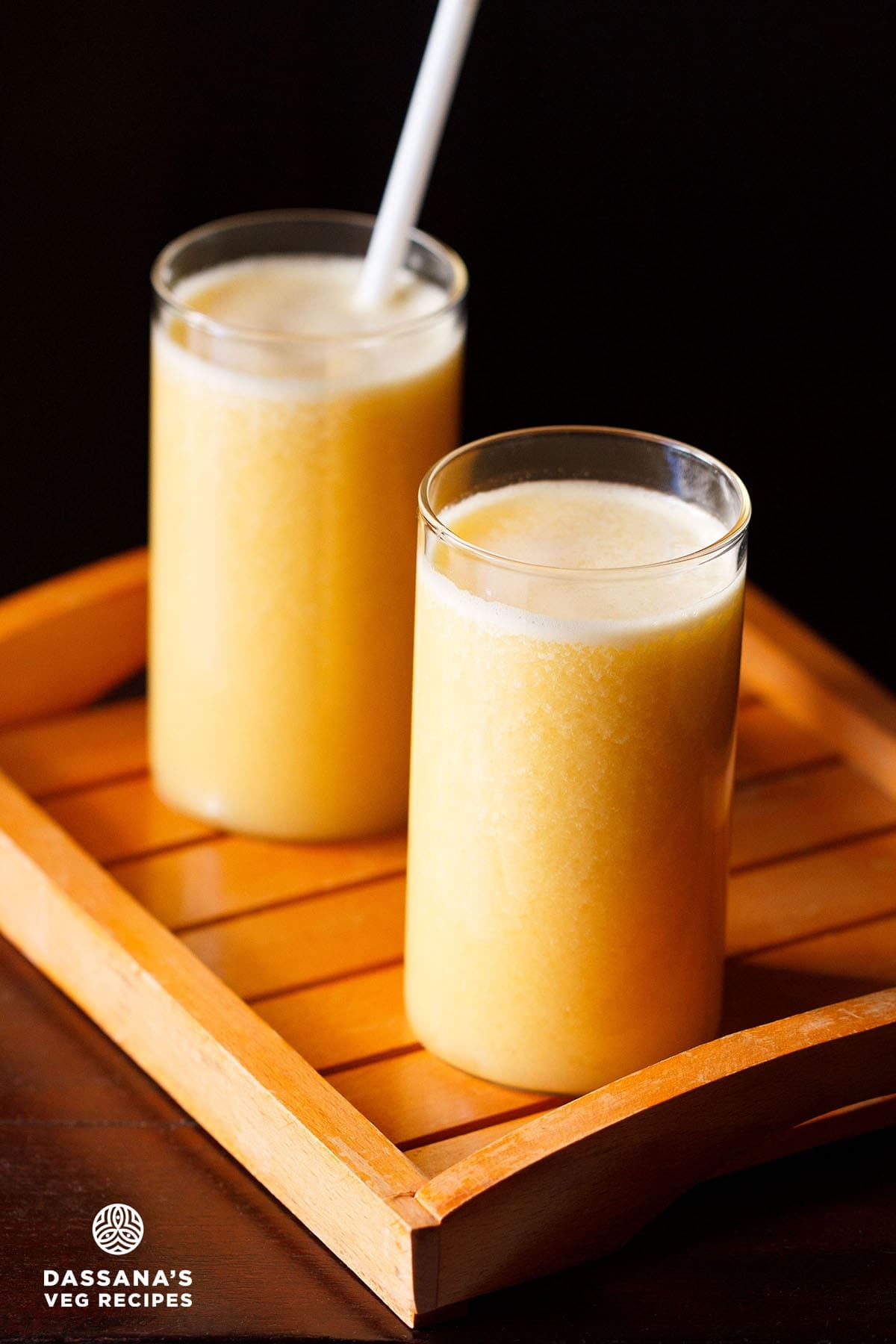
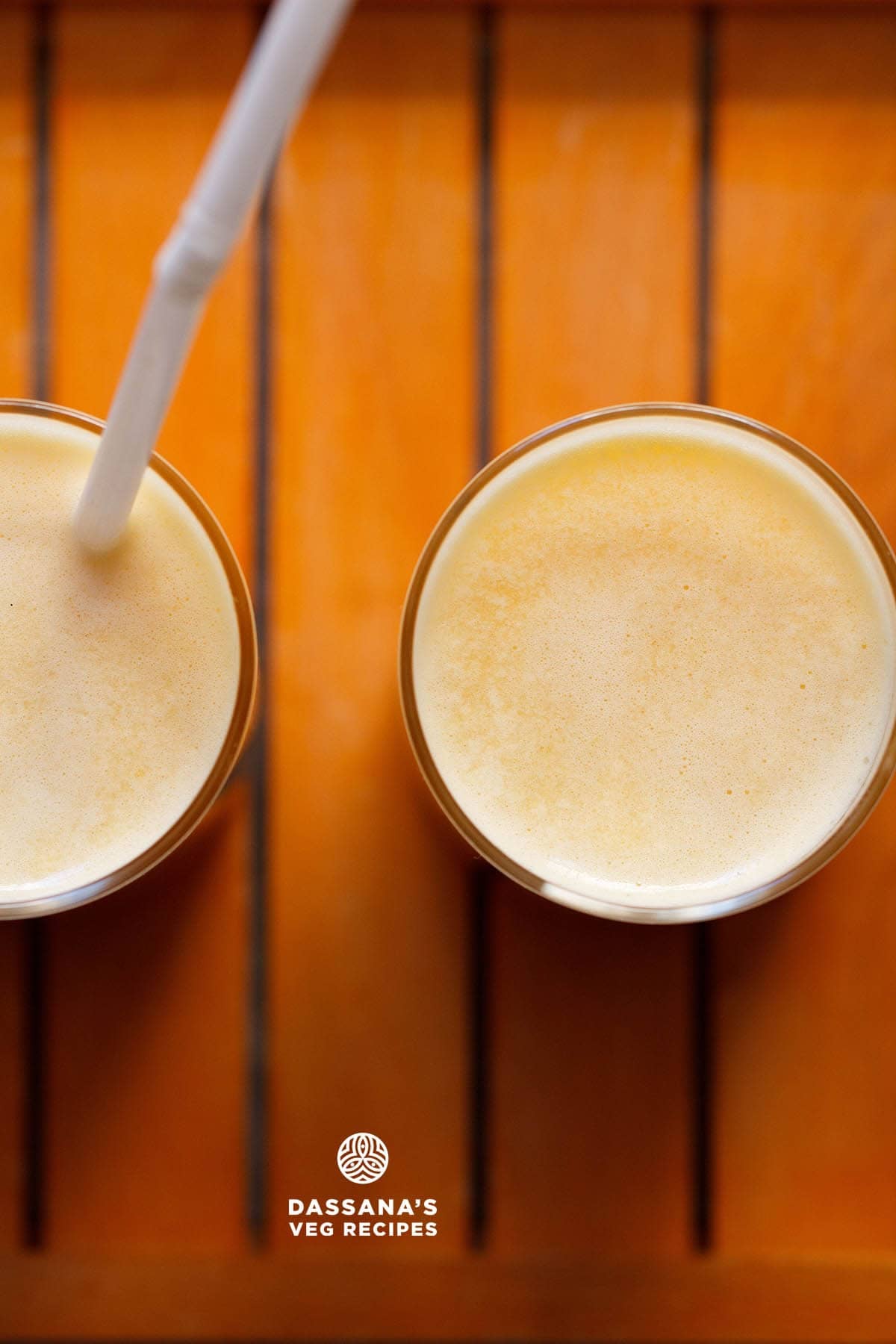
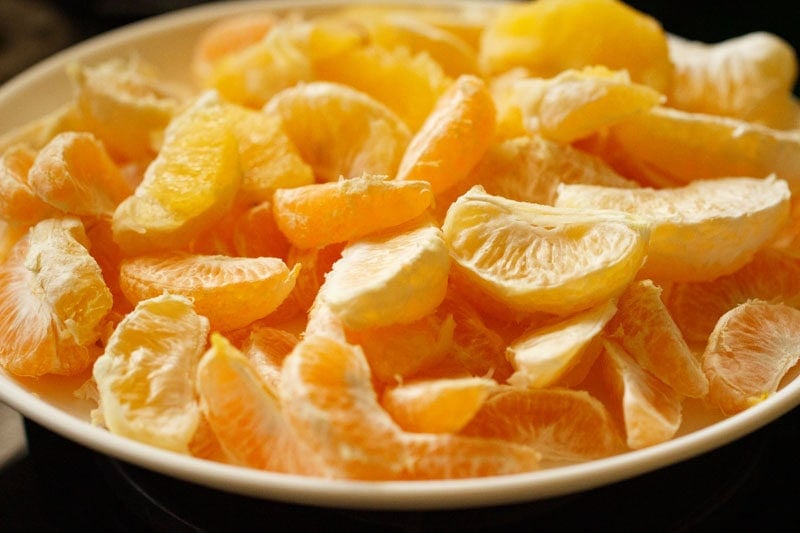
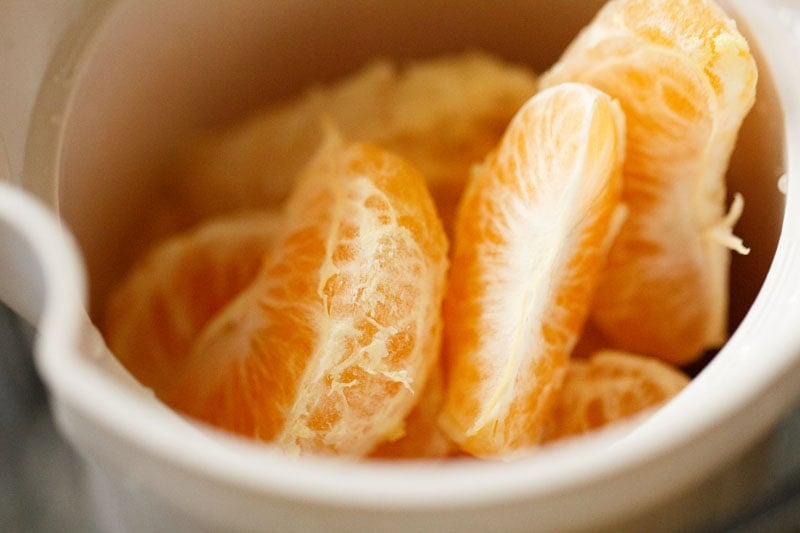
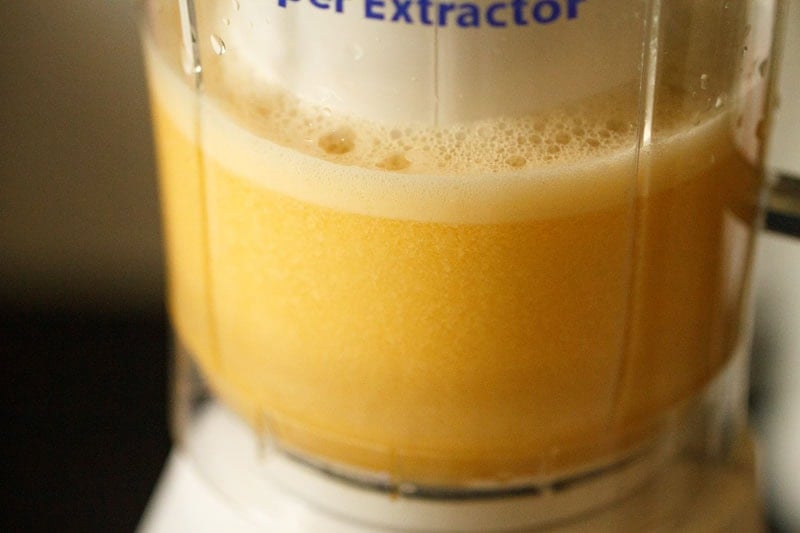
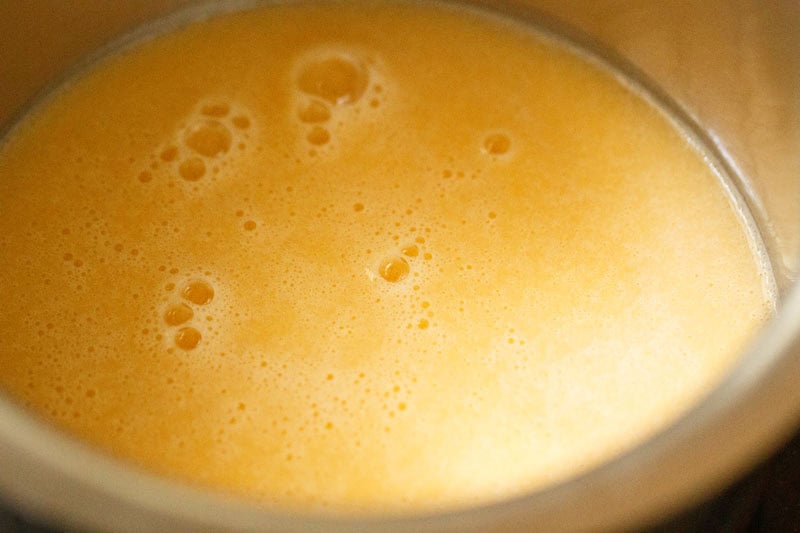
In the sweltering heat of the Indian subcontinent, particularly within the bustling metropolitan landscape of Mumbai, a specific beverage has ascended to the status of a cultural and nutritional icon: Ganga Jamuna juice. At its most fundamental level, Ganga Jamuna is a non-alcoholic mocktail or fresh fruit blend comprising equal parts fresh orange juice (Santra) and sweet lime juice (Mosambi).
The drink is characterized by its delicate equilibrium; the sweet lime provides a mellow, cooling base, while the orange contributes a vibrant acidity and a deeper citrus profile. Unlike many commercial soft drinks, Ganga Jamuna juice is typically prepared without preservatives and is often customized with a pinch of black salt (kala namak) or chaat masala, elevating it from a simple fruit extract to a complex flavor experience.

The beverage is ubiquitous across Mumbai’s "juice centers"—specialized street-side establishments that serve as vital hydration hubs for the city’s millions of commuters. It represents a quintessential example of Indian street food philosophy: utilizing seasonal, local produce to create a product that is both affordable and nutritionally dense.
Chronology: From Sacred Rivers to Street-Side Refreshment
The history of Ganga Jamuna juice is inextricably linked to the evolution of India’s beverage culture and the symbolic geography of the nation.
The Symbolic Origins
The name "Ganga Jamuna" is a direct reference to the Triveni Sangam in Prayagraj, the sacred confluence of the Ganges (Ganga) and Yamuna (Jamuna) rivers. In Indian cultural consciousness, this meeting of two distinct bodies of water represents harmony, purification, and the creation of something greater than the sum of its parts. When juice vendors in the mid-20th century began mixing the two most common citrus fruits available in Maharashtra—the Nagpur orange and the local sweet lime—the name was adopted to signify this perfect "merger."
The Rise of the Mumbai Juice Center
While citrus fruits have been cultivated in India for millennia, the specific trend of the "Ganga Jamuna" blend gained significant traction during the post-liberalization era of the 1990s. As Mumbai’s workforce grew, so did the demand for quick, hygienic, and energizing refreshments. Juice centers like the famous Bachelorr’s or Haji Ali Juice Centre began prioritizing these blends. By the early 2000s, Ganga Jamuna had moved from a niche request to a standard menu item across the state, eventually spreading to other urban centers like Pune, Ahmedabad, and Bangalore.
Modern Adaptation
In the current decade, the drink has undergone a secondary evolution. While it remains a street food staple, it has been embraced by high-end wellness cafes and home cooks who view it as a natural alternative to synthetic vitamin supplements. The methodology has also modernized, moving from hand-cranked iron presses to high-speed centrifugal and cold-press juicers.
Supporting Data: Nutritional Profile and Chemical Composition
To understand the enduring popularity of Ganga Jamuna juice, one must examine the empirical data regarding its composition. A standard serving (approx. 300-400ml) provides a significant percentage of the Recommended Dietary Allowance (RDA) for several key micronutrients.
Nutritional Breakdown
Based on standard culinary analysis, a serving of this blend (derived from approximately 600g of raw fruit) contains:
- Energy: 328 kcal
- Vitamin C: 319 mg (Over 350% of the daily requirement for adults)
- Potassium: 1086 mg (Crucial for electrolyte balance in humid climates)
- Fiber: 14 g (when served with some pulp)
- Calcium: 240 mg
The Bitterness Factor: The Science of Limonin
A critical technical aspect of Ganga Jamuna juice is its shelf-life. Citrus fruits, particularly sweet limes, contain a precursor compound called limonoate A-ring lactone. When the fruit is juiced and exposed to air, this compound is converted into Limonin, which is intensely bitter. This chemical reaction explains the professional journalistic "rule of immediacy" regarding this beverage: it must be consumed within 15–20 minutes of extraction. This necessity for freshness has reinforced its status as a "live" beverage, distinct from bottled, pasteurized alternatives.
Official Responses: Expert Perspectives on Hydration and Health
Nutritionists and culinary experts have long weighed in on the benefits of this specific citrus combination.
The Dietetic Perspective
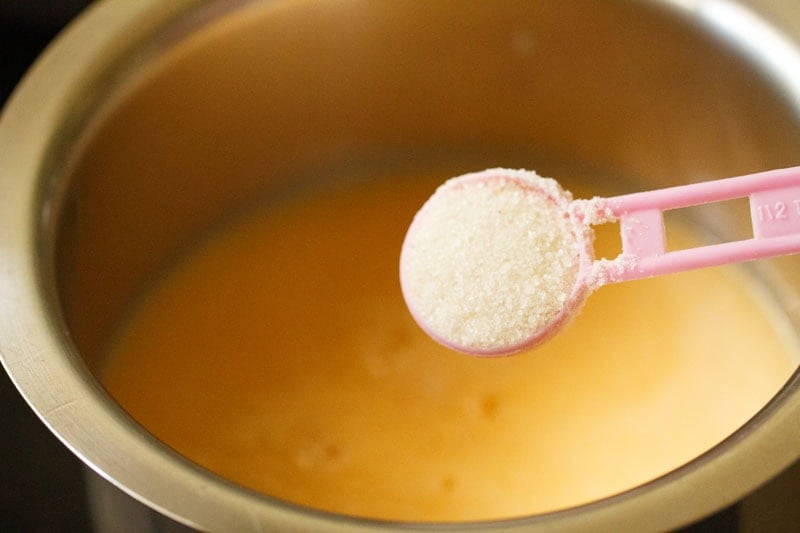
Clinical nutritionists often recommend Ganga Jamuna juice over pure orange juice for patients with sensitive stomachs. "While orange juice is highly acidic, the sweet lime in the Ganga Jamuna blend acts as a buffering agent," says Dr. Ananya Sharma, a Mumbai-based dietary consultant. "It provides the high Vitamin C content necessary for immune function but with a lower glycemic load than many other fruit blends, provided no extra refined sugar is added."
The Ayurvedic Viewpoint
Traditional Indian medicine, or Ayurveda, categorizes fruits based on their effect on the body’s doshas (energies). Oranges are seen as Pitta-increasing due to their acidity, whereas sweet lime is considered Sheetal (cooling). The Ganga Jamuna blend is viewed by Ayurvedic practitioners as a balanced "Tridoshic" drink that provides energy without over-stimulating the digestive fire, making it an ideal "summer cooler."
Culinary Industry Standards
Leading chefs in the Indian hospitality sector emphasize the importance of the "Ratio of Confluence." The industry standard for a premium Ganga Jamuna is a 1:1 ratio. However, during the peak of summer, vendors often increase the proportion of sweet lime to enhance the hydrating properties of the drink, whereas in winter, the orange proportion is increased to capitalize on the peak harvest of Nagpur oranges.
Implications: The Social and Economic Impact
The continued dominance of Ganga Jamuna juice in the Indian market carries several broader implications for society, the economy, and the environment.
Economic Support for Citrus Farmers
The popularity of this drink provides a stable market for citrus farmers in the Vidarbha region of Maharashtra and parts of Telangana. Because the drink requires "A-grade" fresh fruit for the best flavor, it incentivizes farmers to maintain high cultivation standards. The demand for both Santra and Mosambi simultaneously ensures that price fluctuations in one crop do not entirely destabilize the citrus market.
Public Health and Urban Hydration
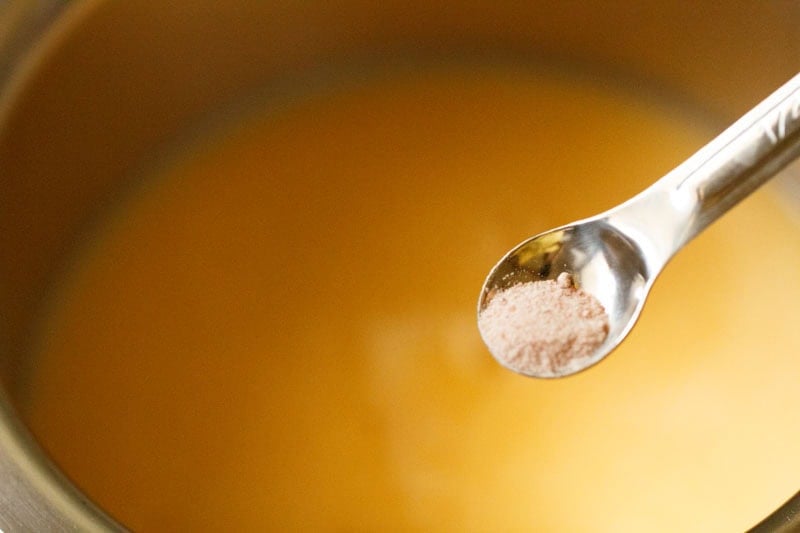
In a tropical country where heat exhaustion is a significant public health risk, the accessibility of Ganga Jamuna juice serves a vital role. It provides an affordable source of electrolytes and hydration for the working class. The addition of black salt (rich in trace minerals) further aids in preventing hyponatremia (salt loss) during heavy perspiration.
The Shift Toward Naturalism
The "Ganga Jamuna" phenomenon reflects a larger global shift toward "Clean Label" consumption. As consumers become increasingly wary of high-fructose corn syrup and artificial flavorings found in carbonated sodas, the transparency of a juice center—where the fruit is peeled and pressed in front of the customer—offers a level of trust that packaged goods cannot replicate.
Environmental Considerations
Unlike the bottled beverage industry, which contributes significantly to plastic waste, the traditional consumption of Ganga Jamuna juice in glass tumblers at street stalls is a remarkably low-waste process. The primary byproduct—citrus peel—is biodegradable and often repurposed in traditional medicine or as organic compost.
Conclusion: A Legacy of Balance
Ganga Jamuna juice is more than a simple mixture of two citrus fruits; it is a liquid representation of Indian urban ingenuity. By combining the acidic zest of the orange with the soothing sweetness of the lime, the drink achieves a sensory balance that has sustained its popularity for decades.
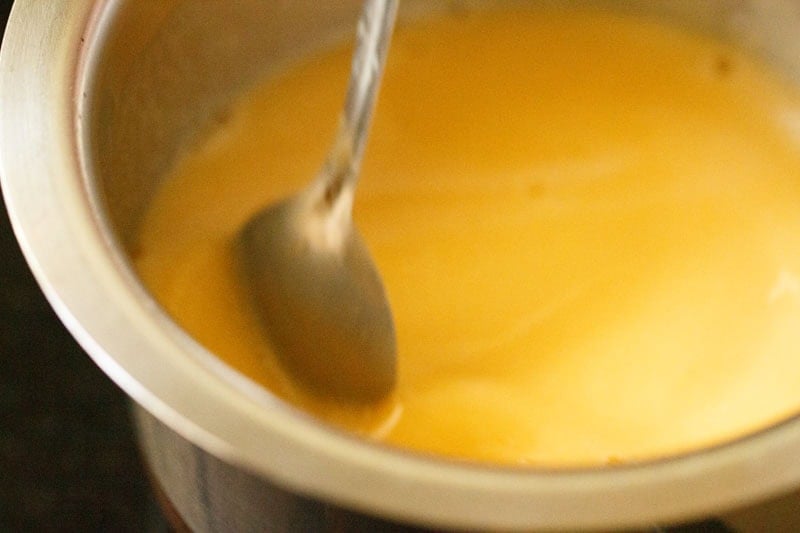
As we look toward the future of functional beverages, Ganga Jamuna stands as a reminder that the most effective wellness solutions are often found in the simple, seasonal traditions of the past. Whether consumed at a high-speed railway station or prepared meticulously in a home kitchen, it remains a testament to the power of the "Sangam"—the coming together of different elements to create a refreshing, harmonious whole.
