

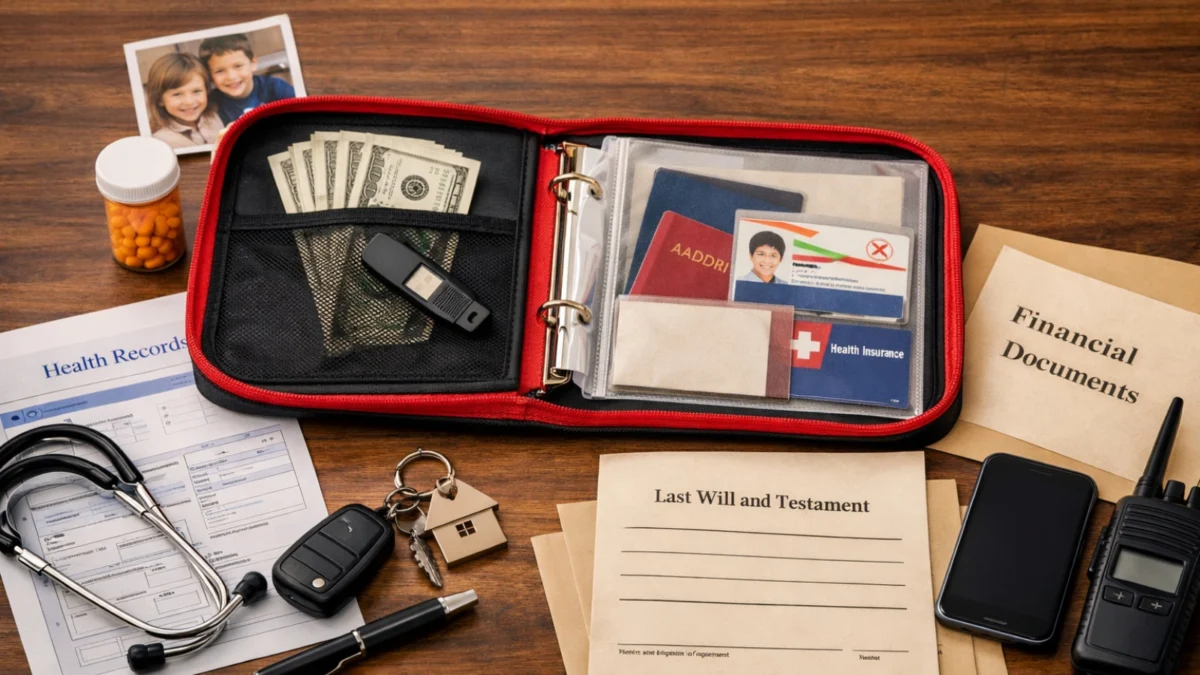
New Delhi, May 14, 2026, 17:58 IST – In an increasingly unpredictable world, proactive preparation is no longer a luxury but a fundamental necessity. The recent string of natural disasters and unforeseen crises, from widespread power outages to swift evacuations due to environmental shifts, has underscored the critical importance of having essential documents readily accessible. This guide offers a comprehensive approach to creating a "grab and go" emergency folder, a vital tool that can significantly mitigate stress, save precious time, and ensure the well-being of your family during times of crisis.
The concept is simple yet profoundly effective: consolidate all vital personal, medical, financial, and legal documents into a single, portable, and water-resistant container. This organized repository acts as a family’s digital and physical safety net, ready to be deployed at a moment’s notice, whether facing an immediate evacuation, a sudden medical emergency, or the devastating loss of property.
The Cornerstone of Preparedness: What is a Family Emergency Folder?
Often referred to as a "grab and go binder," a family emergency folder is a meticulously organized collection of critical documents and information. Its primary purpose is to provide immediate access to essential records when traditional means of retrieval might be impossible. This could be due to a natural disaster that renders homes inaccessible, a widespread communication breakdown, or a personal emergency that requires swift action.
The folder’s design should prioritize portability and durability. A robust, water-resistant binder or file box is ideal, ensuring that its contents remain protected even in adverse conditions. The organization within the folder is equally crucial. Employing clear sleeves, dividers, and clearly labeled sections will allow for rapid identification and retrieval of specific documents, a vital advantage when every second counts.
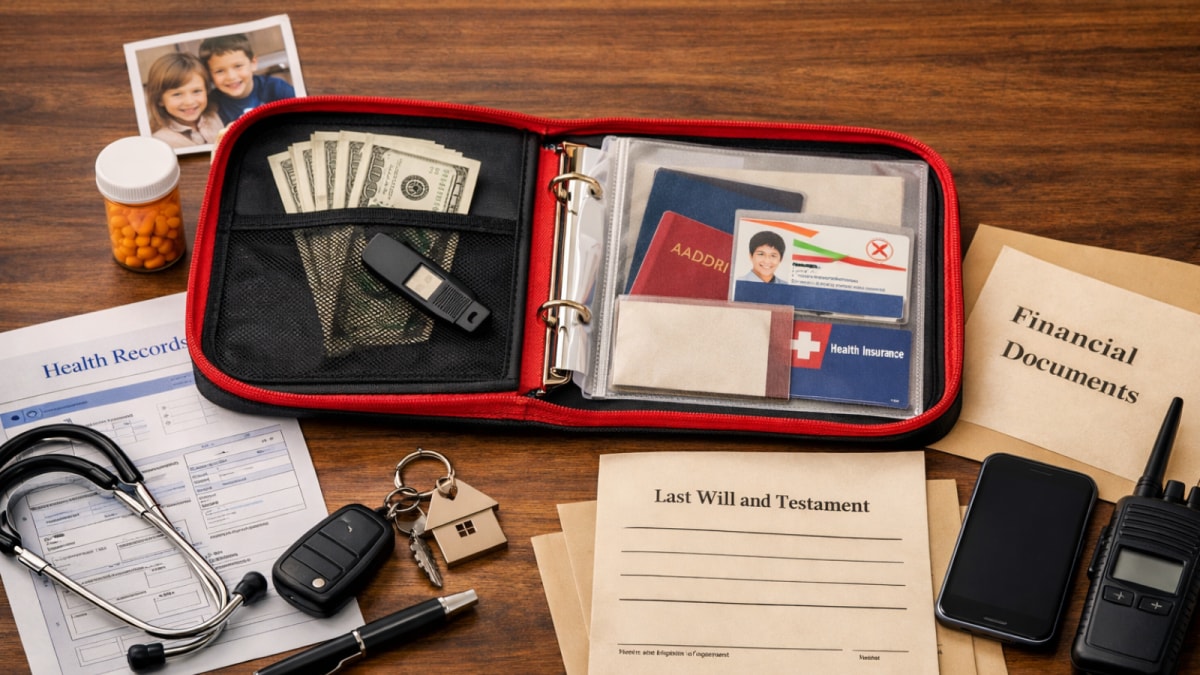
The benefits of having such a folder are manifold. Beyond the obvious practical advantages, it provides a profound sense of psychological security. Knowing that you have a readily available backup of essential information can significantly reduce anxiety during stressful situations. It empowers individuals to act decisively and efficiently, preventing the chaos and panic that often accompany emergencies when vital paperwork is scattered or lost.
Assembling Your Family’s Safety Net: Essential Document Categories
The contents of an emergency folder will naturally vary based on individual family circumstances. However, a foundational set of documents should be considered indispensable. These can be broadly categorized into several key areas:
1. Identification and Vital Records: The Bedrock of Your Identity
At the core of any emergency preparedness plan lies the ability to prove your identity and the identities of your family members. In situations requiring evacuation, seeking assistance from authorities, or accessing emergency services, readily available identification is paramount.
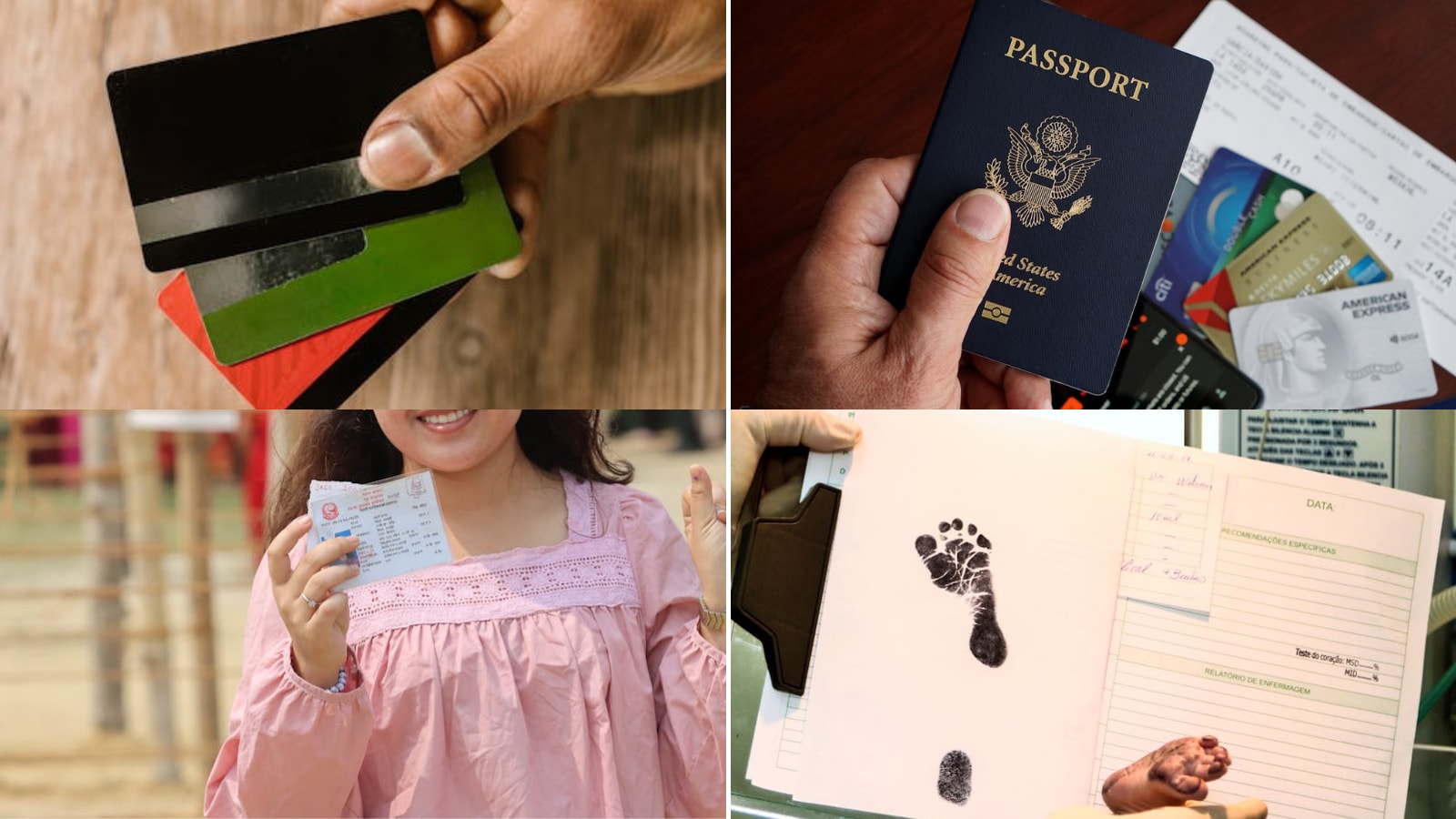
- Government-Issued Identification: This includes photocopies or digital scans of Aadhaar cards, passports, voter identification cards, and driver’s licenses for all family members. Ensure these are up-to-date and clearly legible.
- Birth Certificates: Copies of birth certificates for every family member are crucial for establishing age and lineage, particularly important for children.
- Marriage and Divorce Certificates: These documents can be necessary for legal purposes, especially in cases involving family separation or remarriage.
- Citizenship or Naturalization Papers: If applicable, these should be included to verify immigration status.
- Social Security Cards (or equivalent national identification numbers): While sensitive, a secure and accessible copy can be vital for accessing benefits or services.
Best Practices for Identification Documents:
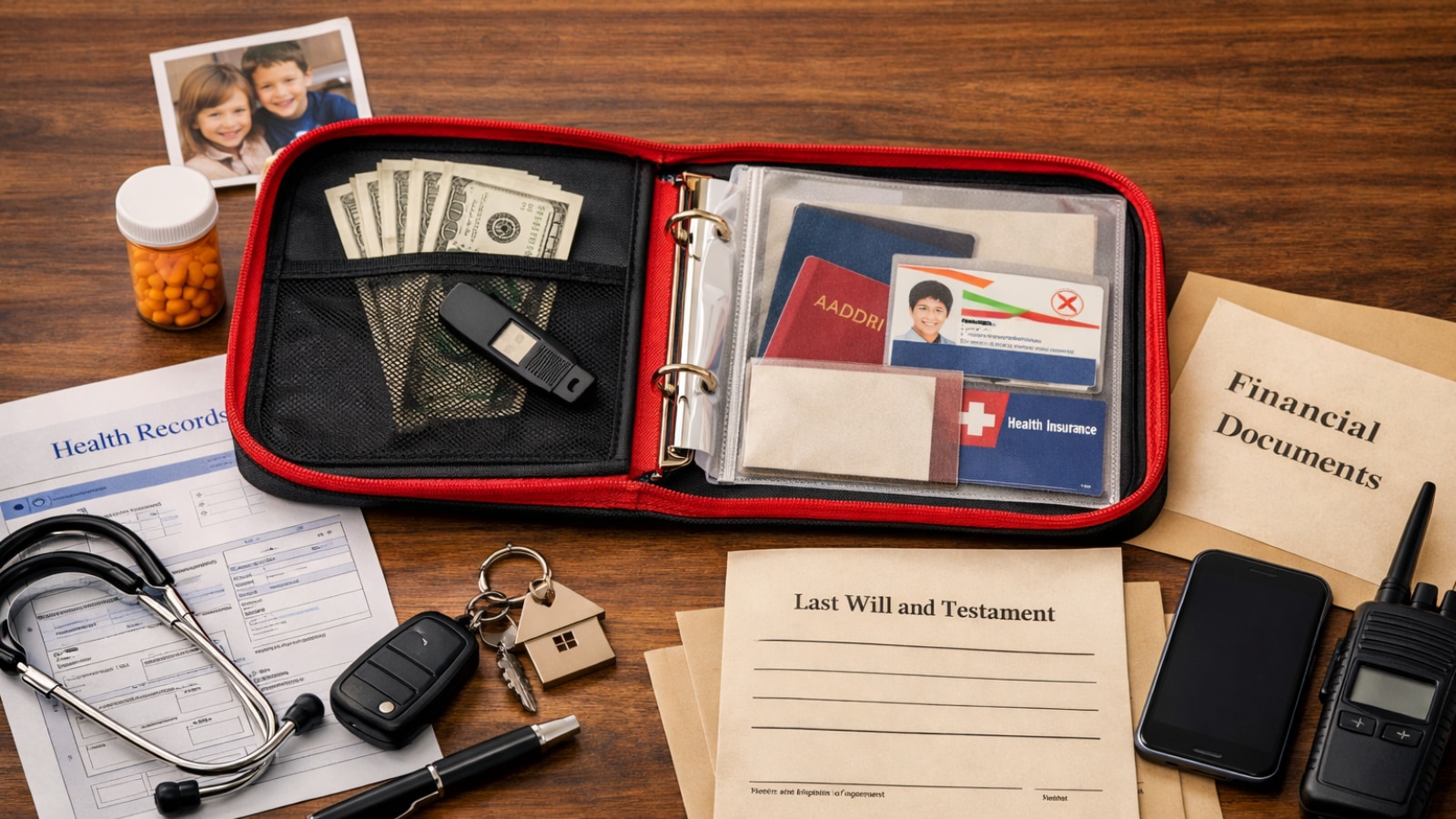
- Clear Sleeves: Store each document in a protective, acid-free plastic sleeve. This guards against damage from moisture or handling.
- Color Copies: Consider making color copies of identification documents to retain as much detail as possible.
- Digital Backups: Alongside physical copies, create secure digital backups of these documents. Store them on a password-protected USB drive and consider a secure cloud storage solution with multi-factor authentication. Ensure these digital copies are encrypted.
2. Medical and Health Information: Safeguarding Your Family’s Well-being
In a medical emergency, having immediate access to comprehensive health information can be a life-saving factor. This is especially critical if a family member has pre-existing conditions or requires ongoing treatment.
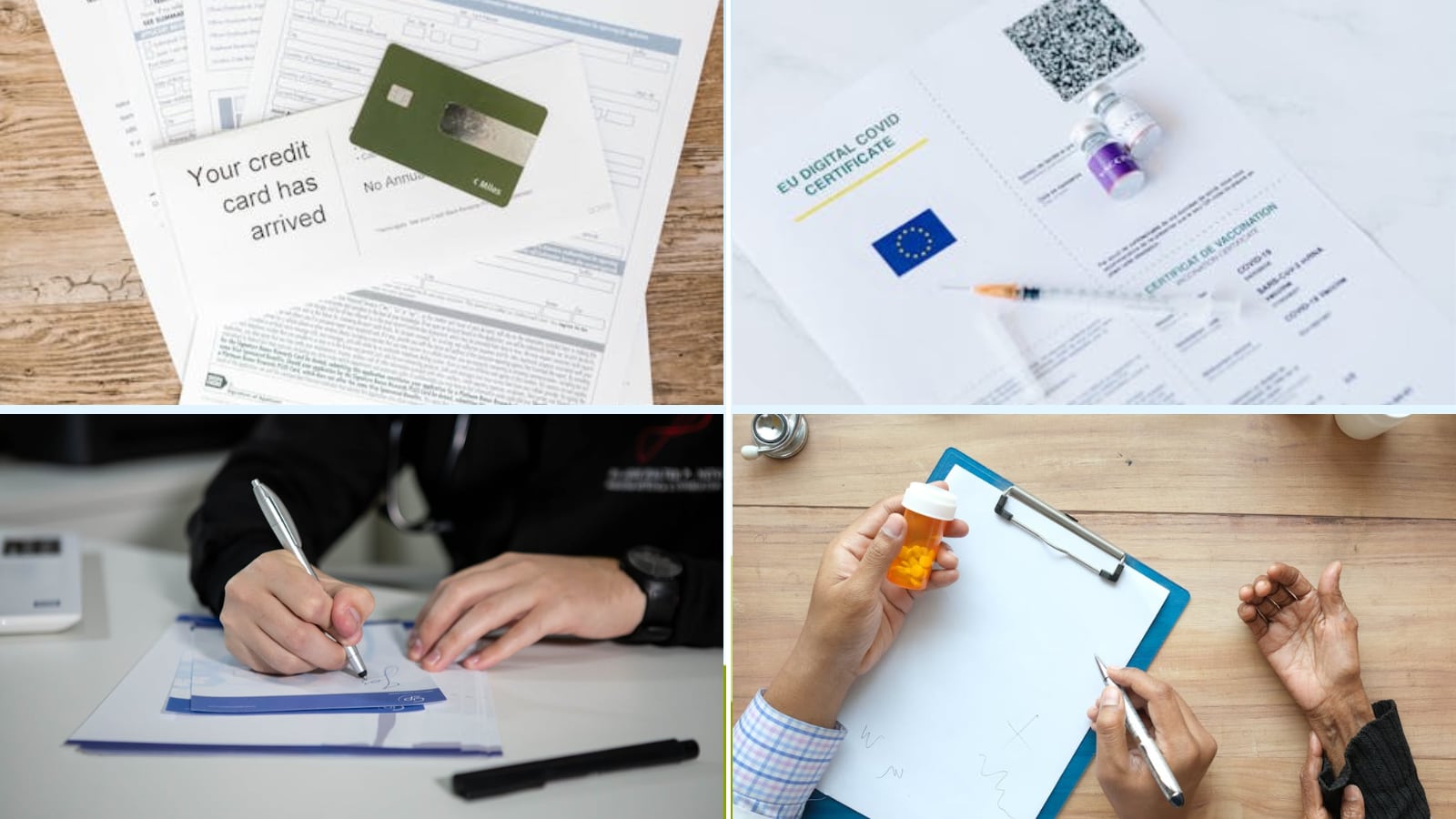
- Health Insurance Information: Copies of all health insurance cards, including policy numbers, group numbers, and contact information for the insurance provider.
- Medical History Summaries: Brief summaries of significant medical conditions, allergies, and past surgeries for each family member. This should include information on chronic illnesses like diabetes, heart conditions, or asthma.
- Current Prescriptions: A list of all current medications, including dosages and prescribing doctor information. Include copies of the prescriptions themselves if possible.
- Vaccination Records: Copies of vaccination certificates for all family members, especially important for children entering schools or requiring travel.
- Allergy Information: Detailed information about any food, drug, or environmental allergies.
- Doctor and Specialist Contact Information: A list of primary care physicians, specialists, dentists, and any other healthcare providers, along with their contact numbers.
- Emergency Contact Numbers: A list of trusted individuals who can be contacted in case of an emergency, along with their relationship to the family and contact details.
- Advance Directives and Living Wills: If applicable, include copies of these important legal documents outlining end-of-life care preferences.
Best Practices for Medical Information:
- Regular Updates: Medical information changes. Schedule regular reviews of this section of your folder (e.g., every six months) to ensure it remains current.
- Privacy: While essential, be mindful of privacy. Consider keeping highly sensitive medical details in a separate, securely locked section within the binder or a separate encrypted digital file.
- Emergency Medical Cards: Consider creating small, laminated emergency medical cards for each family member to carry in their wallet, summarizing critical allergies and conditions.
3. Financial and Property Records: Securing Your Assets
In the aftermath of a disaster, financial stability and property ownership can be severely impacted. Having organized financial and property records is crucial for insurance claims, rebuilding efforts, and accessing essential funds.
- Bank Account Information: Copies of recent bank statements (for verification purposes), account numbers, and contact details for your financial institutions.
- Credit Card Information: A list of credit card numbers, expiry dates, and customer service phone numbers. It is advisable to keep the CVV code separate or memorized for security.
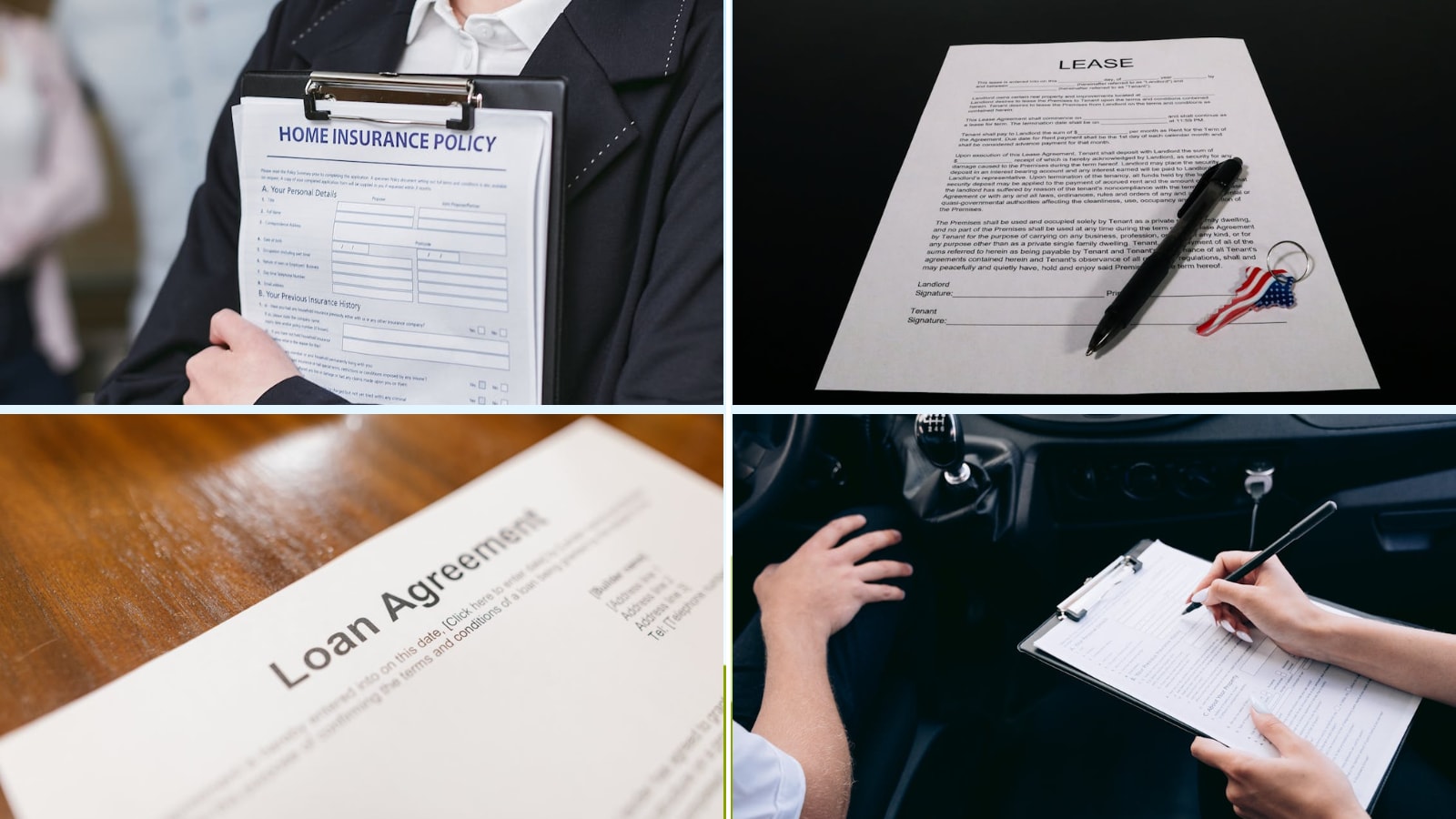
- Insurance Policies: Copies of all insurance policies, including home insurance, auto insurance, life insurance, and any other relevant policies. Include policy numbers, coverage details, and contact information for your insurance agents.
- Loan Documents: Copies of mortgage statements, car loan documents, and any other significant loan agreements.
- Investment Records: Information on stocks, bonds, mutual funds, and other investment portfolios, including account numbers and contact details for financial advisors.
- Property Ownership Documents: Copies of deeds for your home, land titles, or any other real estate you own.
- Rental Agreements: If you are a renter, keep a copy of your lease agreement.
- Vehicle Registration and Insurance: Copies of vehicle registration certificates and auto insurance policies.
- Recent Tax Returns: Copies of the most recent tax returns can be useful for financial verification.
Best Practices for Financial and Property Records:
- Secure Storage: Given the sensitive nature of financial information, ensure your emergency folder is stored in a secure location within your home.
- Digital Redundancy: Create encrypted digital backups of all financial and property documents. This is crucial as physical documents can be lost or destroyed.
- PINs and Passwords: Do not store PINs and passwords directly in the folder. Instead, consider a secure password manager or a memorized system for accessing digital accounts.
4. Legal and Estate Planning: Ensuring Your Wishes Are Known
Unexpected events can necessitate clear legal directives and estate plans. Having these documents readily available ensures that your wishes are respected and your family’s future is protected.
- Wills: A copy of your last will and testament.
- Power of Attorney: Copies of any power of attorney documents, designating individuals to make decisions on your behalf if you are unable to do so. This can include financial and healthcare powers of attorney.
- Guardianship Instructions: If you have minor children, clearly documented instructions regarding their guardianship in the event of your incapacitation or death.
- Estate Planning Documents: Any other relevant documents related to your estate planning.
- Contact Information for Legal Counsel: The name and contact details of your lawyer or legal advisor.
- Business Documents: If you own a business, include essential legal and operational documents.
Best Practices for Legal and Estate Planning Documents:
- Originals vs. Copies: While copies are essential for the emergency folder, ensure that original legal documents are stored in a safe deposit box or with your attorney.
- Regular Review: Legal documents should be reviewed periodically, especially after significant life events like marriage, divorce, or the birth of a child.
- Clear Communication: Discuss your emergency preparedness plans, including the location of these documents, with trusted family members or your appointed power of attorney.
Chronology of Preparedness: Building Your Folder Over Time
Creating a comprehensive emergency folder is not a one-time task but an ongoing process. A phased approach can make the endeavor less overwhelming and more manageable.
-
Phase 1: The Essentials (Immediate Action)
- Gather all identification documents for every family member.
- Collect health insurance cards and basic medical contact information.
- Secure bank account and primary credit card details.
- Obtain copies of your homeowner’s or renter’s insurance policy.
- Purchase a durable, water-resistant binder or file box.
-
Phase 2: Expanding the Scope (Within 1-2 Weeks)
- Compile detailed medical histories and prescription lists.
- Gather copies of property deeds, vehicle registrations, and loan documents.
- Include copies of your will and any power of attorney documents.
- Begin creating digital backups of essential documents.
-
Phase 3: Comprehensive Coverage (Within 1-2 Months)
- Gather all investment records and detailed financial statements.
- Include marriage, divorce, or adoption certificates if applicable.
- Finalize and organize all legal and estate planning documents.
- Create secure digital archives and consider cloud storage.
- Develop a system for regular updates and maintenance.
Supporting Data: The Growing Need for Emergency Preparedness
The imperative for robust emergency preparedness has been amplified by recent global events. Statistics paint a stark picture:
- Increased Frequency and Intensity of Natural Disasters: Reports from meteorological organizations indicate a statistically significant rise in the frequency and intensity of extreme weather events, from hurricanes and floods to wildfires and droughts. This directly impacts property, infrastructure, and personal safety.
- Cybersecurity Threats: The increasing reliance on digital infrastructure makes families vulnerable to cyberattacks. Losing access to financial or personal data due to a cyber incident can be as devastating as a physical disaster.
- Pandemic Preparedness: The recent global pandemic highlighted the fragility of supply chains and the critical need for individuals to be self-sufficient for extended periods. Access to medical records and financial stability became paramount.
- Economic Instability: Global economic fluctuations can impact access to funds and the ability to replace lost assets. Having financial records readily available is crucial for navigating such uncertainties.
Official Responses and Recommendations
Government agencies and disaster management organizations worldwide consistently emphasize the importance of personal and family preparedness. Key recommendations from various official bodies include:
- Developing a Family Emergency Plan: This includes identifying evacuation routes, establishing communication protocols, and designating meeting points.
- Assembling an Emergency Kit: Beyond documents, this includes essential supplies like food, water, first-aid, and a flashlight.
- Securing Important Documents: Official advisories consistently stress the need to safeguard vital records, with many recommending both physical and digital backups.
- Regularly Reviewing and Updating Plans: Preparedness is not a static endeavor; plans and kits should be reviewed and updated regularly.
Implications: The Long-Term Benefits of Preparedness
The creation of a family emergency folder extends far beyond the immediate relief it offers during a crisis. The implications of this proactive measure are profound and long-lasting:
- Reduced Financial Burden: By having insurance policies and property records readily accessible, families can expedite insurance claims, potentially reducing the financial strain of rebuilding or replacing lost assets.
- Streamlined Access to Aid: Proof of identity and financial standing can significantly accelerate the process of receiving government aid and assistance in the aftermath of a disaster.
- Continuity of Care: For individuals with chronic medical conditions, having immediate access to their health records ensures that their treatment can continue without interruption, even if their primary care providers are unavailable.
- Peace of Mind: The psychological benefit of knowing that your family’s essential information is organized and accessible cannot be overstated. It provides a sense of control and security in otherwise chaotic circumstances.
- Intergenerational Security: A well-maintained emergency folder can become a legacy of preparedness, ensuring that future generations have access to vital family history and legal documentation.
In conclusion, the creation of a family emergency folder is an investment in your family’s future security and resilience. It is a tangible step towards mitigating the impact of unforeseen events, ensuring that critical information is always within reach, and empowering your family to navigate challenges with greater confidence and preparedness. This simple yet powerful tool can be the difference between prolonged hardship and a swift, organized recovery.
