

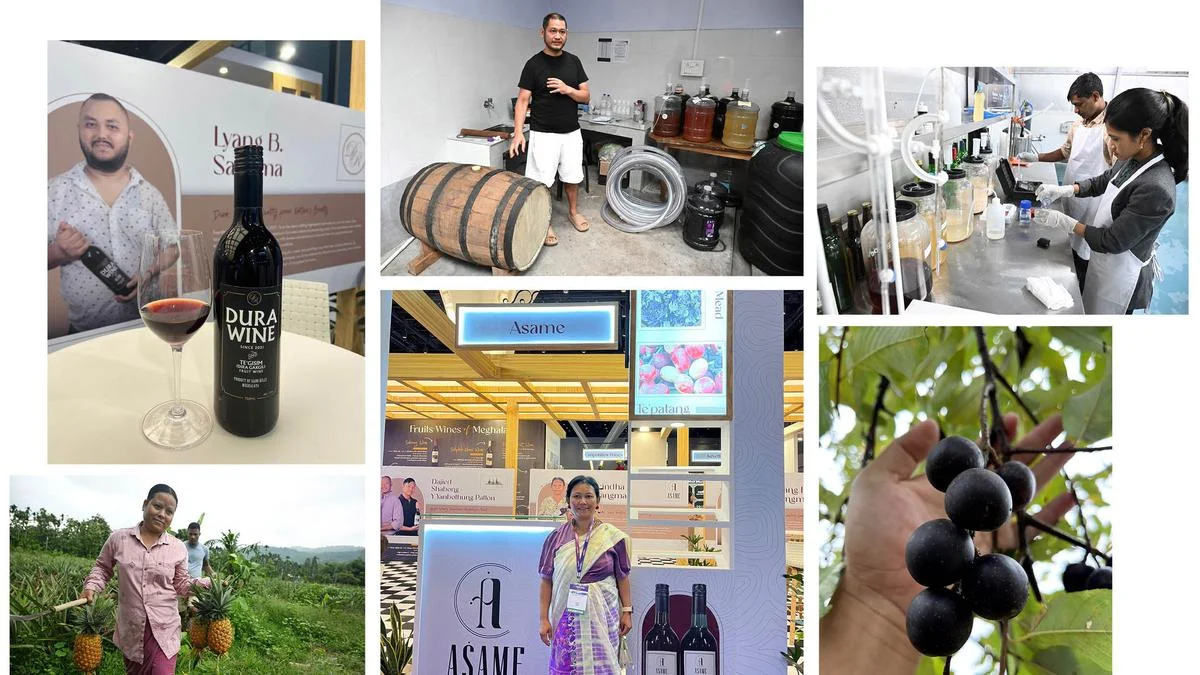
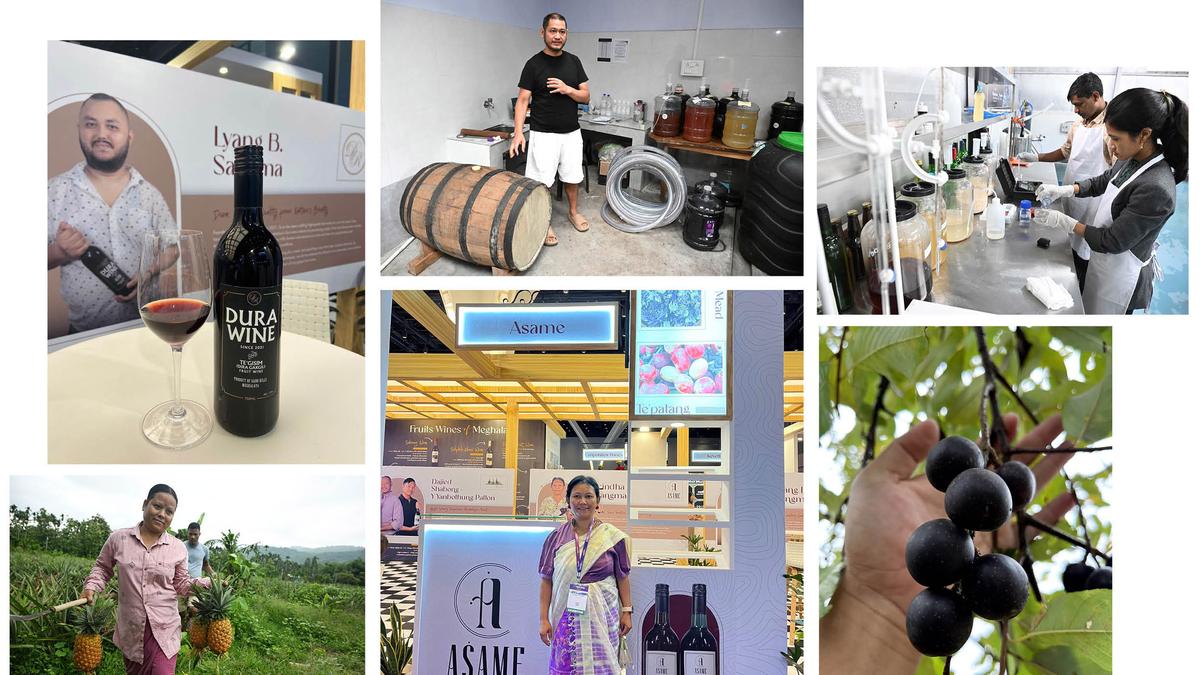
In the mist-shrouded Garo Hills of Meghalaya, a botanical secret is fermenting into a multi-million-rupee industry. For centuries, the te.gism—a fruit whose very name is punctuated by a dot and whose identity was only scientifically documented by botanists less than a decade ago—grew wild and unremarked in the dense jungles of Northeast India. Today, this Himalayan cherry (Prunus jenkinsii) has become the flagship of a burgeoning fruit winemaking movement that is redefining the region’s agrarian economy and challenging the global hegemony of the grape.
What began as a domestic tradition of brewing smoky rice beer (bitchi) has evolved into a sophisticated commercial sector. With proactive government intervention, zero-tax incentives, and a focus on indigenous biodiversity, Meghalaya is positioning itself as the "Napa Valley of Fruit Wines," transforming seasonal waste into premium, bottled elixirs.
I. Main Facts: The Commercialization of Indigenous Flavors
The current landscape of Meghalaya’s wine industry is one of rapid professionalization. From a handful of hobbyists a few years ago, the state now boasts approximately 30 dedicated fruit winemakers. Crucially, 17 of these have transitioned to full-scale commercial production, utilizing modern, scientific equipment to ensure consistency, shelf-stability, and export-ready quality.
The Stars of the Cellar
The industry’s growth is fueled by a roster of exotic, indigenous fruits that offer flavor profiles unseen in traditional viticulture:

- Te.gism (Himalayan Cherry): A dark red, sought-after fruit that provides a deep, complex body.
- Te.patang (Blood Fruit): Known scientifically as Haematocarpus validus, it produces a vibrant, sweet-and-sour crimson wine.
- Sohiong (Black Cherry/Meghalaya Prune): A staple of the Khasi Hills, rich in vitamins and minerals, yielding a sophisticated, tannin-rich profile.
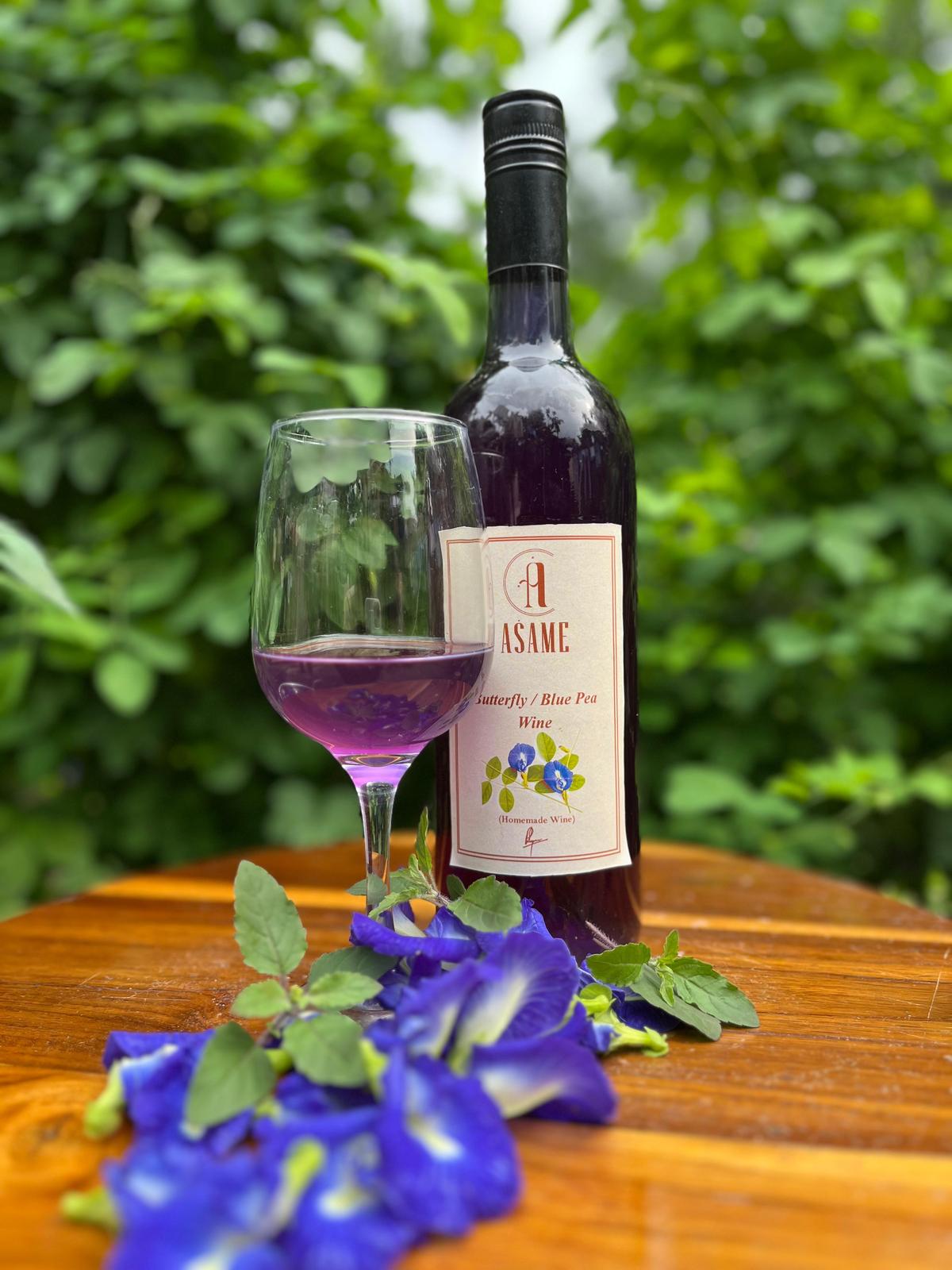
- Butterfly Pea Flower: An innovative infusion that produces a striking blue wine, often blended with honey-based mead.
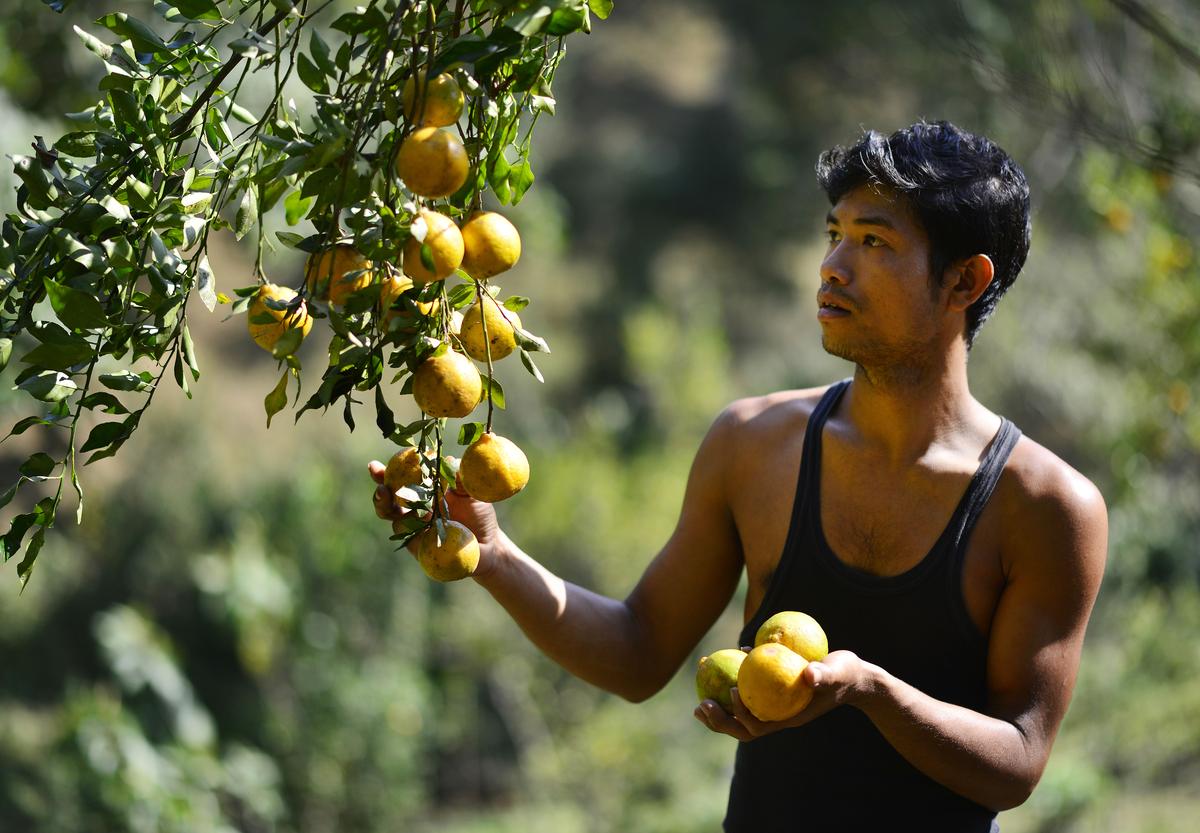
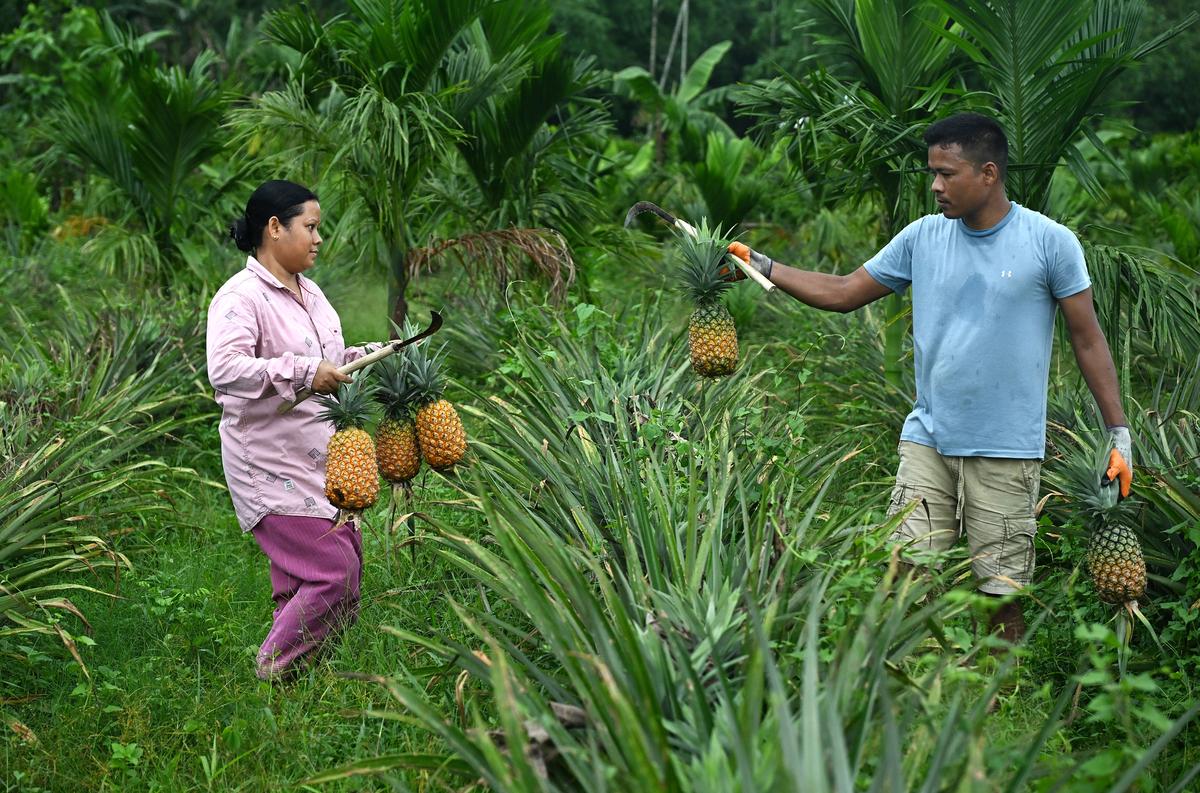
- Exotics and Hybrids: Winemakers are also experimenting with jackfruit (an acquired, pungent taste), silverberry, bayberry, and traditional staples like pineapple, orange, and strawberry.
Economic Footprint
The shift is not merely culinary; it is a vital economic engine. A standard 5,000-litre capacity winery requires an investment of approximately ₹50 lakh. To support this, the North East Centre for Technology Application and Reach (NECTAR) has been providing machinery grants, such as the ₹25 lakh awarded to Dura Wines, to bridge the gap between artisanal craft and industrial scale. Currently, the sector supports over 400 families directly through wineries, and thousands more through farming and collection networks.
II. Chronology: From Colonial Roots to a Modern Movement
The history of winemaking in Meghalaya is a tale of two eras: a colonial beginning and a 21st-century "renaissance."

1947–1980s: The Hunt Legacy
The foundational figure of Meghalaya’s wine history is Capt. Harold Douglas Hunt. A British army officer who chose to stay in India after Independence, Hunt settled in Mawphlang, near the famous sacred groves. In 1947, he established the state’s first licensed winery, producing the legendary "Mawphlang Cherry Wine." For decades, he mobilized villagers to collect sohiong and other wild fruits, creating a sustainable ecosystem that lasted until his death in the 1980s. Following his passing, the commercial industry lay dormant for nearly forty years.
2004: The Spark of Revival
The modern movement can be traced back to Michael Syiem of the Forever Young Club. In 2004, Syiem organized Shillong’s first wine festival. His goal was to destigmatize winemaking and showcase the potential of indigenous fruits. This annual event gradually captured the imagination of millennials, who began to view local fruit wines as "cooler" and more authentic than expensive, imported grape varieties.

2019–2020: The Legislative Breakthrough
The true turning point arrived with the establishment of the Meghalaya Farmers Empowerment Commission (MFEC) in 2019. Under the leadership of Chief Minister Conrad K. Sangma, the state recognized winemaking as a key pillar of "Value Chain Development."
In September 2020, the Meghalaya Excise Rules were amended to legalise home-made wines and, more importantly, to provide a clear, streamlined licensing path for local entrepreneurs to go commercial. This legislative shift removed the "moonshine" stigma and allowed brands like Dura Wines, Asame, and 7 United to enter the formal market.
III. Supporting Data: The Science and Economics of the Bottle
The success of Meghalaya’s wine industry is underpinned by data that proves the viability of fruit over grapes in this specific terrain.
Comparative Taxation and Market Access
Meghalaya has implemented the most aggressive pro-wine fiscal policy in India:
- VAT: 0% on local fruit wines (compared to 4%–53% in other Indian states).
- Levies: A nominal ad valorem of only ₹100 per case (12 bottles) and a retailer lifting fee of ₹10 per case.
- Price Point: An average 750 ml bottle retails for ₹600, making it accessible to the middle-class consumer while maintaining a "premium" feel.
Technical Training and Quality Control
To ensure that "art" meets "science," the MFEC established the North East Fruit Wine Incubation Centre in 2023.
- Capacity: 1,000 litres per cycle.
- Reach: 137 people trained to date in a 90-day "fruit-to-bottle" curriculum.
- Quality Standards: Professional spirit tasters, such as Rajesh Swarnakar, note that the state’s wines have reached a consistent 10% Alcohol By Volume (ABV) with a much-improved balance of residual sugar and acidity.
Supply Chain Impact
The industry is a direct solution to the national problem of farm waste, which averages 40% for fruits and vegetables in India.
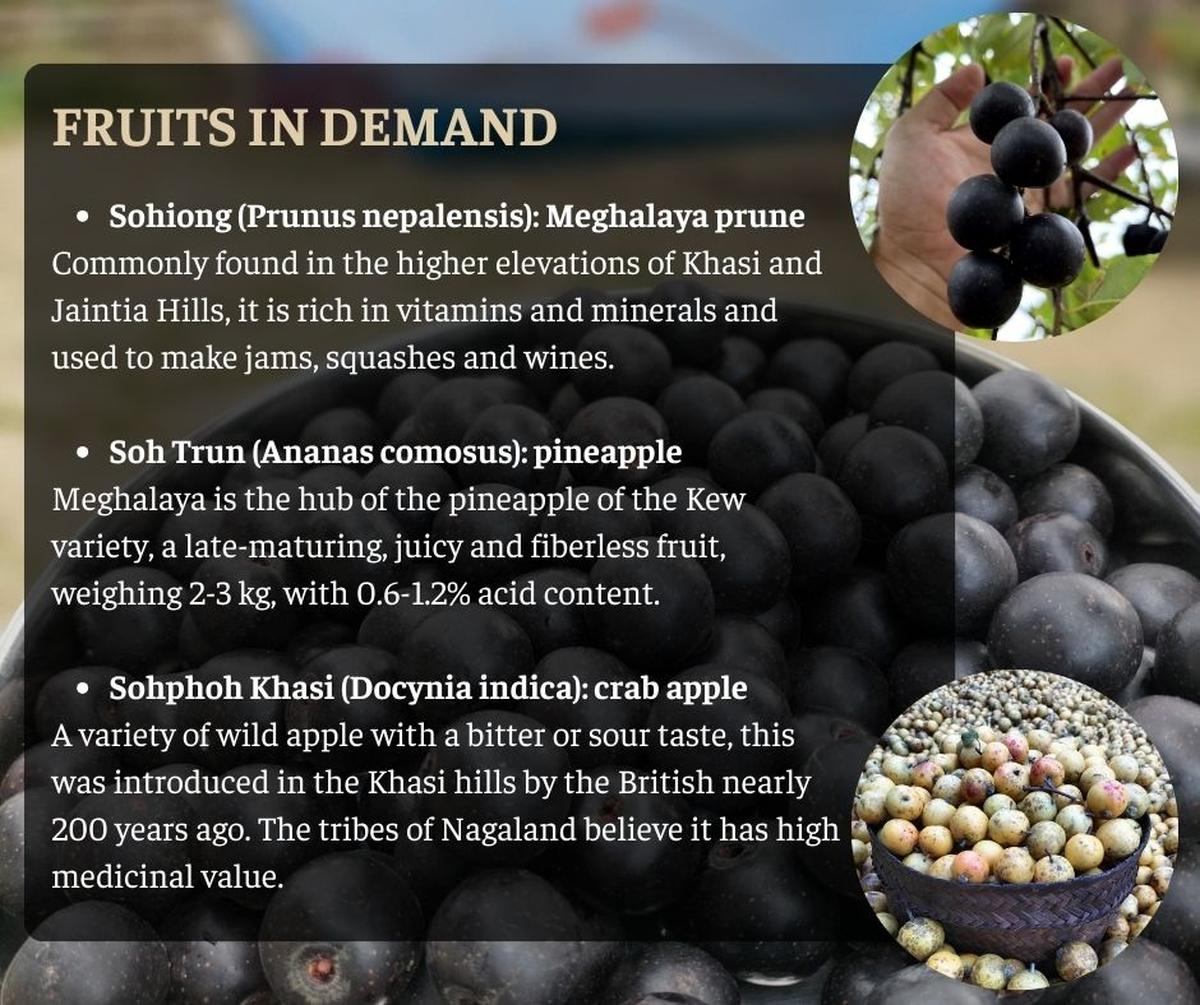
- Farmer Income: A farmer who previously earned ₹3,000 per sohiong tree through raw fruit sales now earns up to ₹15,000 per season by selling to winemakers.
- Diversification: Income for kiwi, plum, and orange farmers has surged from ₹30,000 to over ₹3 lakh per season in some districts.
- Volume: Producing just 200 litres of wine requires one tonne of fruit, creating a massive "pull" factor for agricultural produce.
IV. Official Responses: A Vision for Global Recognition
Government officials and industry experts view the fruit wine sector as a flagship for the "Made in Meghalaya" brand.
B.K. Sohliya, Chairman of the MFEC, emphasizes the strategic nature of the industry: "Our commission is the only one of its kind in India. We aren’t just making wine; we are formulating a policy for food processing that represents the voices of the farmers. We have moved from 5 licensed winemakers to 17 in just three years, trailing only Himachal Pradesh. Our goal is to make the process from fruit to bottled beverage a seamless 90-day scientific cycle."
Rajesh Swarnakar, professional wine and spirit taster, provides a grounded assessment of the quality: "The texture and taste have improved markedly. While Meghalaya is still catching up to the established apple-wine industry of Himachal Pradesh, the sheer variety of indigenous fruits here gives Meghalaya a unique competitive edge. The ‘Beyond the Grape’ shows are essential for introducing these flavors to the rest of India."
Lyang B. Sangma, founder of Dura Wines, recounts the reception at Vinexpo India 2024 in Mumbai: "I had my heart in my mouth when connoisseurs sipped the te.gism wine. But the reaction was unanimous—this product has possibilities far beyond Tura. The market is ready for exotic, non-grape elixirs."

V. Implications: Social Change and Environmental Stewardship
The rise of fruit winemaking in Meghalaya carries profound implications for the social and environmental fabric of the Northeast.
1. Reversing the "Brain Drain" and Boosting Entrepreneurship
The industry is attracting a new generation of entrepreneurs. Dajied Shabong of Kynjai Wine and the husband-wife duo of Bording Ioannis Shylla and Meldorah Wanniang (Damad Wine) represent a shift toward rural-based startups. By setting up large-scale units in areas like Mawkyrwat, they are creating local employment and proving that high-value manufacturing can happen outside of urban hubs like Shillong.
2. Environmental Conservation through "Sacred Grove" Economics
The demand for wild fruits has turned the "jungles" into valuable assets. Traditionally, wild fruits were gathered haphazardly. Now, there is a move toward systematic farming and the protection of natural habitats. The legacy of the Mawphlang sacred groves—where nothing may be removed—serves as a genetic bank, while the surrounding buffer zones are becoming productive agro-forestry zones. Farmers now have a financial incentive to preserve old-growth trees like the sohiong rather than clearing them for timber or subsistence farming.
3. Cultural Preservation and Innovation
The industry has successfully bridged the gap between traditional practices and modern commerce. By taking the bitchi (rice beer) and offering it in carbonated, canned formats (as seen with the brand 7 United), or by infusing honey-mead with butterfly pea flowers, winemakers are preserving Garo and Khasi heritage while adapting to global beverage trends.

4. Tourism and the "Wine Circuit"
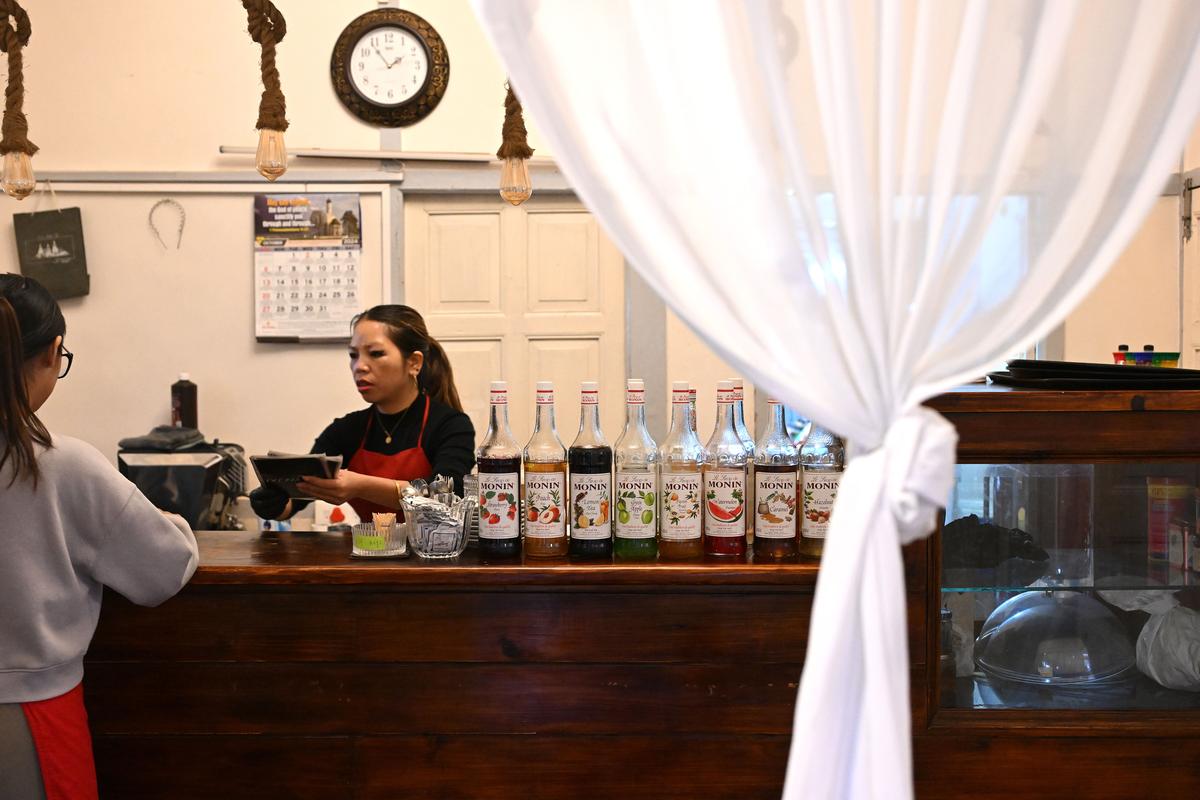
As seen in Andrew Nongdhar’s revival of his grandfather Capt. Hunt’s cottage, there is significant potential for "enotourism." The combination of Meghalaya’s stunning landscapes, the ritual monoliths of Mawphlang, and the unique tasting rooms in Shillong creates a compelling narrative for high-end tourists seeking authentic cultural experiences.
Conclusion
Meghalaya’s fruit wine industry is a rare example of a government-led initiative that aligns perfectly with indigenous knowledge and market demand. By turning the "fruit with a dot in its name" into a sophisticated export, the state is not just bottling a beverage—it is bottling the spirit of the Garo and Khasi Hills. As these wines move from local festivals to international expos, they carry with them the promise of a sustainable, prosperous, and flavor-filled future for the Northeast.
