

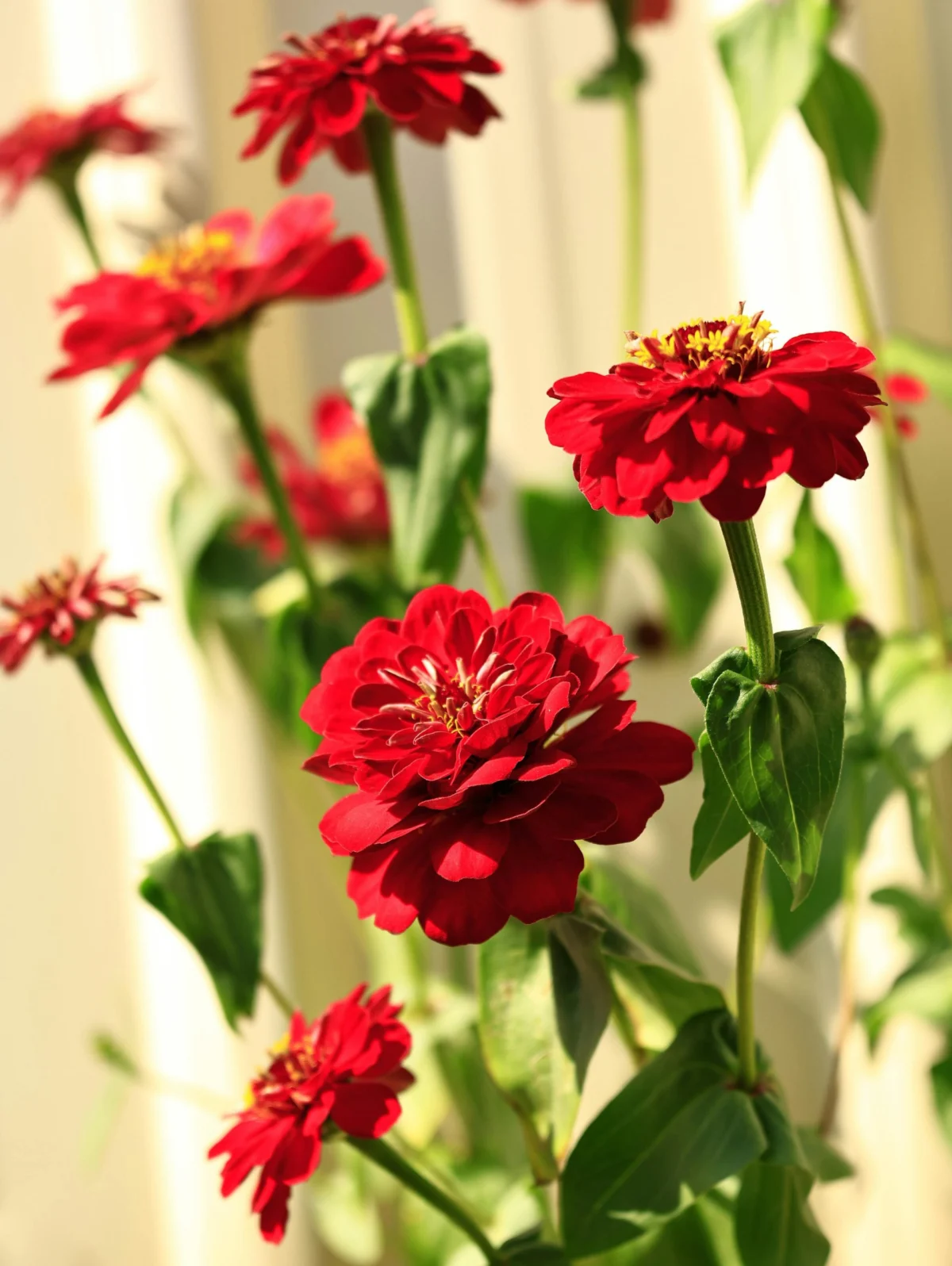
New Delhi, May 17, 2026, 17:30 IST – As the Indian summer intensifies, gardeners across the nation are presented with a unique opportunity to transform their outdoor spaces into vibrant havens for essential pollinators. This year, the call is to sow seeds of both beauty and ecological benefit, creating gardens that not only dazzle with colour but also actively support the vital populations of butterflies and bees that are crucial for our ecosystem. The choice of flowers can significantly impact the health and biodiversity of local environments, offering a rewarding and impactful gardening experience.
The concept of a "pollinator-friendly garden" is gaining significant traction, moving beyond mere aesthetics to embrace a deeper understanding of our interconnectedness with nature. These gardens are designed to provide sustenance and habitat for bees, butterflies, and other beneficial insects, which play an indispensable role in the pollination of countless plants, including many of the fruits and vegetables that form the backbone of India’s agricultural output. By strategically selecting and cultivating specific flora, individuals can contribute directly to the conservation of these invaluable creatures.
The timing for this horticultural initiative is particularly apt. With rising global temperatures and increasing concerns about pollinator decline, fostering environments that support these species is no longer a niche interest but a collective responsibility. This summer’s gardening efforts can serve as a powerful testament to this commitment, turning balconies, backyards, and community spaces into vibrant ecosystems. The following guide explores a selection of the most effective and resilient plants that thrive in the Indian climate, offering both visual appeal and vital ecological services.
The Urgent Need for Pollinator Support
Pollinators, particularly bees and butterflies, are the unsung heroes of our food systems. It is estimated that one in every three bites of food we consume is dependent on pollination. In India, a nation where agriculture is a cornerstone of the economy and daily life, the health of pollinator populations directly influences crop yields, food security, and the livelihoods of millions.

However, these vital insects are facing unprecedented threats. Habitat loss due to urbanization and intensive agricultural practices, the widespread use of pesticides, climate change, and the spread of diseases are all contributing to alarming declines in pollinator numbers. This ecological crisis has far-reaching implications, potentially disrupting natural ecosystems and impacting agricultural productivity.
Creating pollinator-friendly gardens is a tangible and accessible way for individuals to combat these challenges. By providing a diverse range of nectar and pollen sources, these gardens offer a much-needed refuge and source of nourishment for pollinators, helping to bolster their populations and ensure their continued survival. This initiative encourages a shift from purely ornamental gardening to one that is ecologically conscious and actively contributes to biodiversity conservation.
A Symphony of Summer Blooms: Top Pollinator-Friendly Flowers for Indian Gardens
The selection of plants is crucial for the success of a pollinator-friendly garden. The ideal choices are those that bloom throughout the summer months, offer abundant nectar and pollen, and are well-suited to the often-challenging climatic conditions of India. Here are some of the most recommended species:
Lantana: The Resilient Rainbow
Lantana stands out as an exceptionally easy addition to any garden, particularly for those seeking vibrant colour with minimal fuss. Its remarkable resilience in hot weather is a significant advantage. Thriving in full sun, Lantana requires relatively little water once established, making it an ideal choice for water-conscious gardeners. Its bright, abundant flower clusters are a magnet for both butterflies and bees, drawn to its rich nectar.
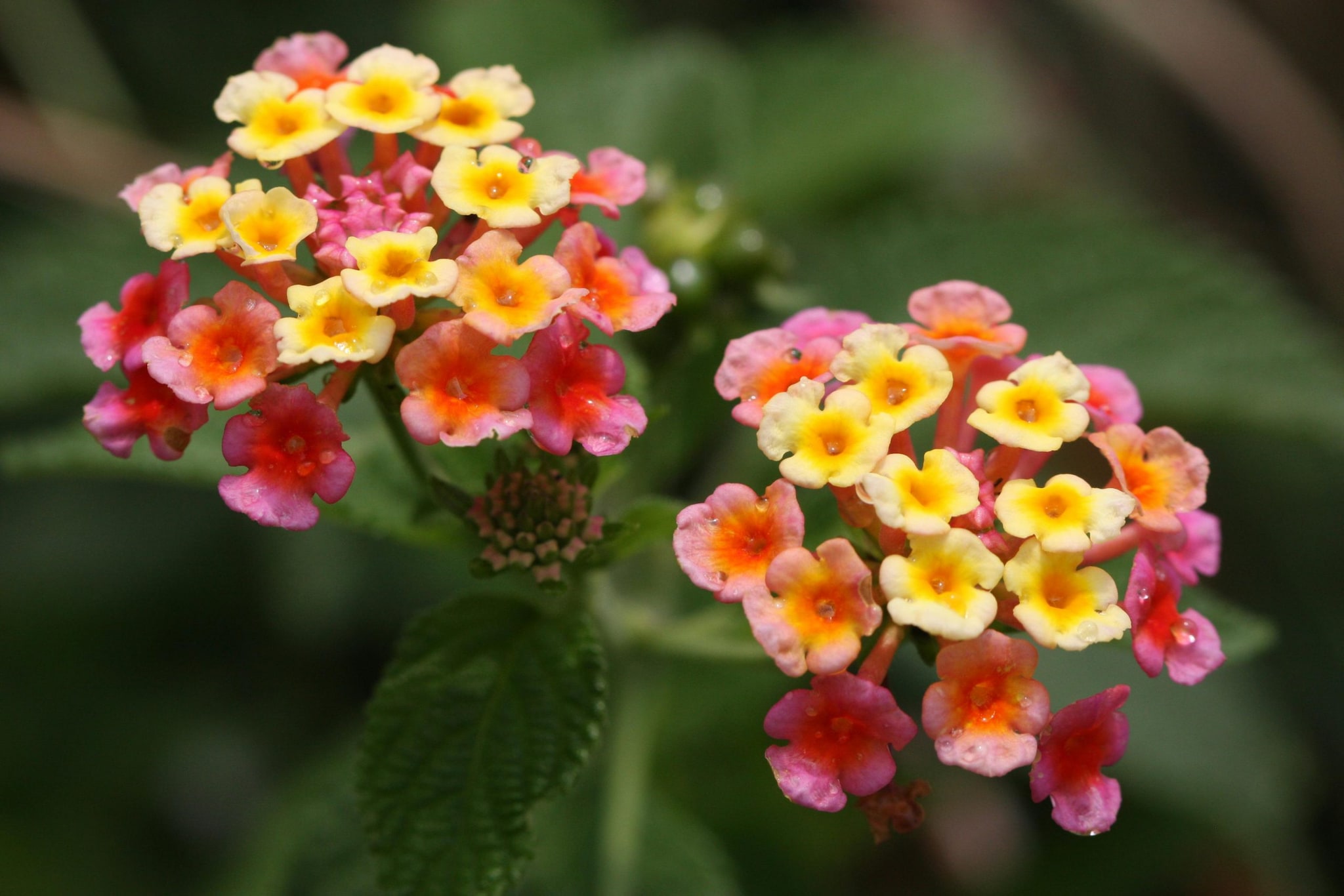
For gardeners who desire a splash of colour without extensive maintenance, Lantana is an excellent option. While it is a hardy plant, a light pruning occasionally can help maintain its shape and prevent it from becoming overly sprawling. The variety of colours available, from fiery reds and oranges to soft yellows and purples, ensures that Lantana can complement any garden aesthetic. Its continuous blooming throughout the summer provides a consistent food source for pollinators.
Marigold (Genda): A Quintessential Indian Performer
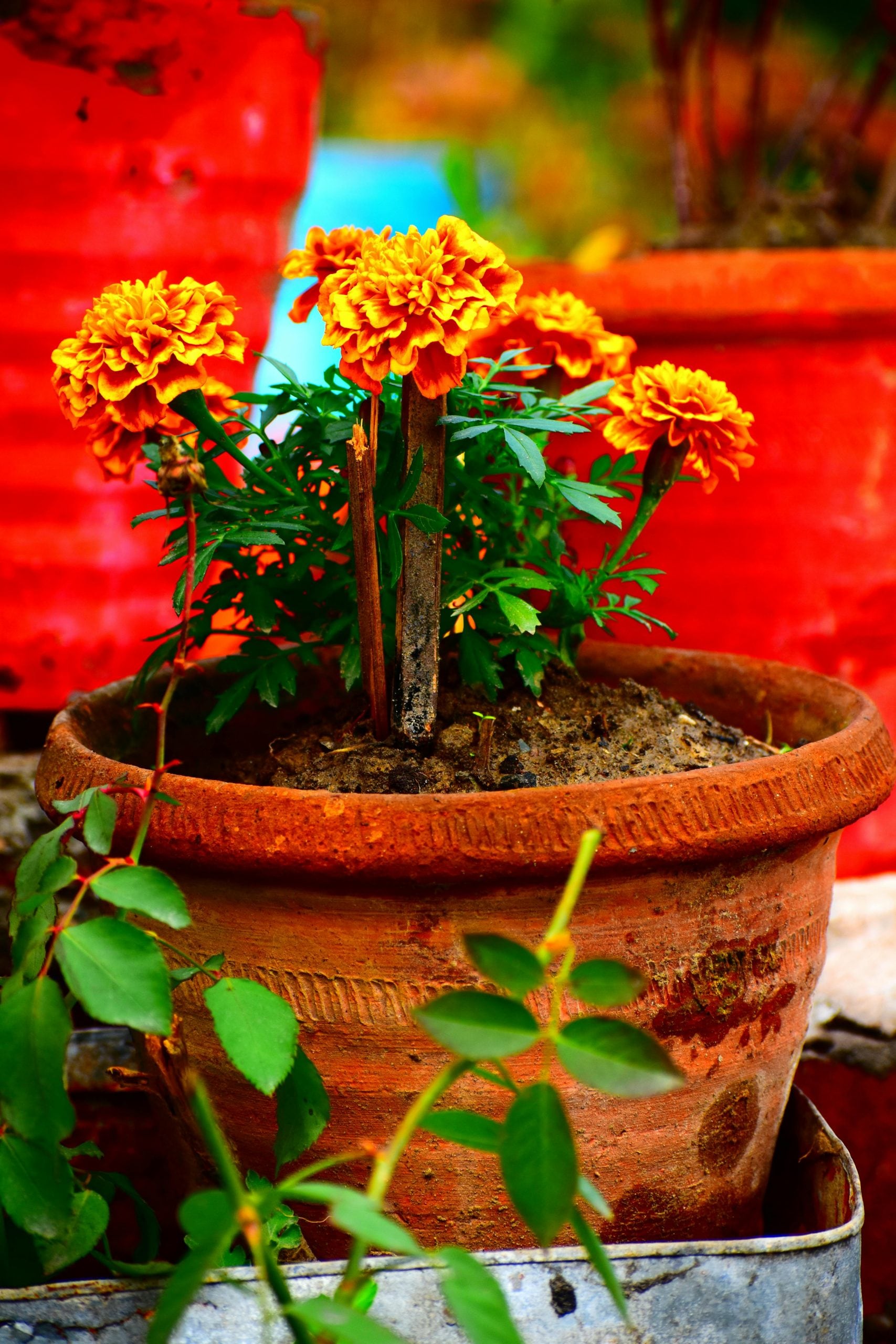
The marigold, or ‘Genda’ as it is affectionately known in India, is another strong performer during the Indian summer. Renowned for its cheerful, bright yellow and orange blooms, this plant is celebrated for its exceptional heat tolerance and beginner-friendly nature. Its ease of cultivation makes it accessible to gardeners of all experience levels.
Beyond its aesthetic appeal and ability to attract pollinators, the marigold offers practical benefits, particularly for those with kitchen gardens. It is known to deter certain pests, making it a valuable companion plant. This dual functionality—beauty and utility—makes marigolds a highly practical choice for households aiming for a garden that is both visually pleasing and ecologically beneficial. The abundance of its blooms ensures a steady supply of nectar and pollen, drawing a variety of bees and butterflies to the garden.
Hibiscus: Tropical Elegance and Nectar Richness
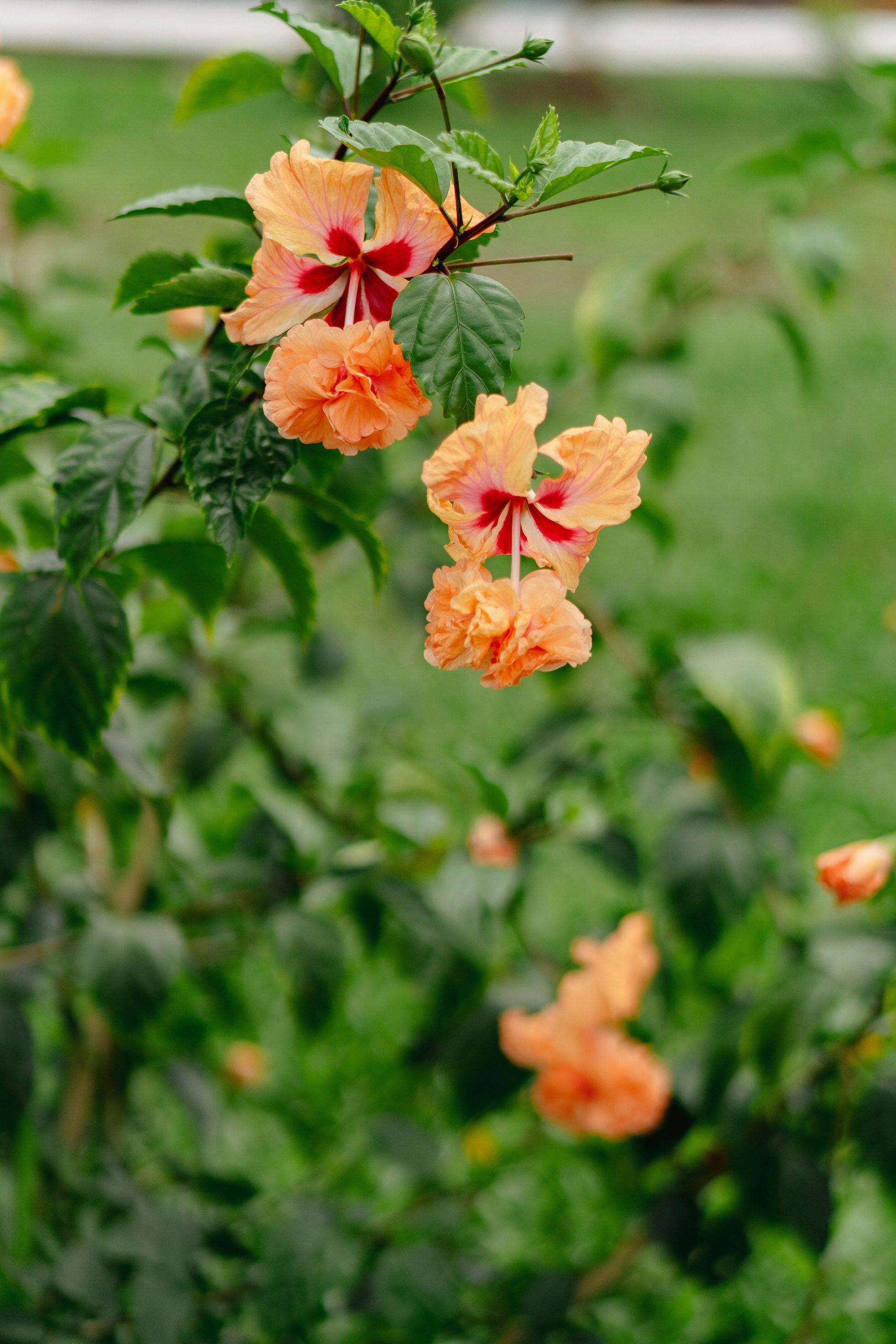
Hibiscus, with its large, showy flowers, is a natural fit for the Indian garden landscape. This plant handles warmth exceptionally well and produces abundant, nectar-rich blooms that are a particular favourite among bees and butterflies. Its tropical allure adds a touch of exotic beauty to any outdoor space.
For optimal growth and flowering, hibiscus requires regular sunlight and moderate watering. However, once established, it transforms into a reliable flowering shrub that provides a consistent display of colour throughout the summer months. The large petals and accessible nectar of hibiscus flowers make them an easy target for pollinators, ensuring a lively and active garden. Varieties like the China Rose (Hibiscus rosa-sinensis) are particularly popular and well-suited to the Indian climate.
Sunflowers (Surajmukhi): Beaming with Pollinator Appeal
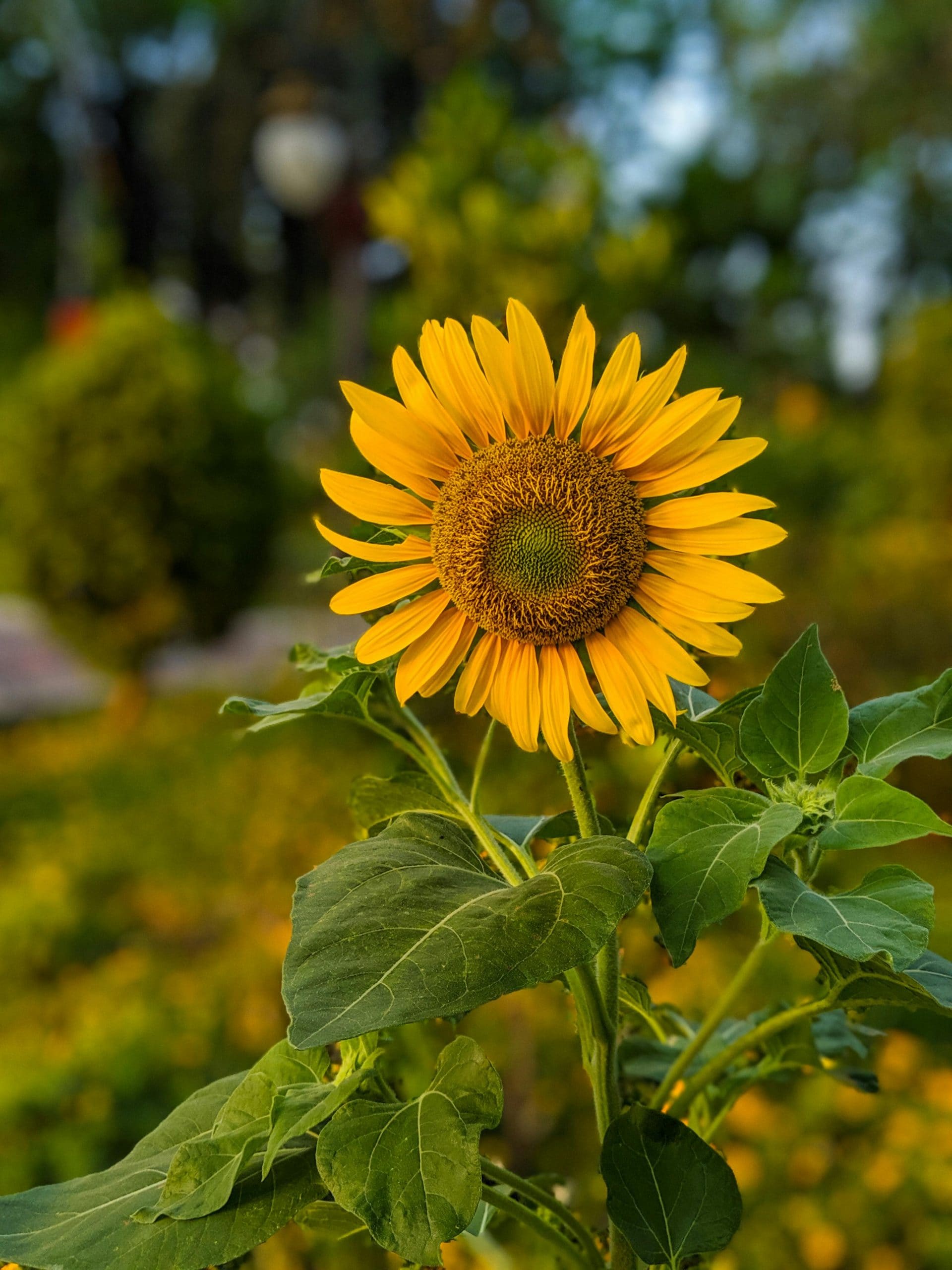
Sunflowers, with their iconic, cheerful faces, are hardy, visually striking, and immensely popular with bees. Their towering presence and bright yellow petals make them ideal for open terraces, balconies that receive strong sunlight, or as dramatic accents along garden borders. Sunflowers are widely recommended as easy-to-grow summer plants in India due to their preference for full sun and their visually dramatic impact, even for novice gardeners.
The large seed heads of sunflowers also provide a food source for birds later in the season, further enhancing their ecological value. For pollinators, the abundant pollen and nectar offered by their large flower heads are a significant draw. Their straightforward cultivation process, often from seed, makes them an accessible and rewarding choice for anyone looking to add a touch of sunshine and pollinator support to their garden.
Tulsi (Holy Basil): Sacred Fragrance and Subtle Support
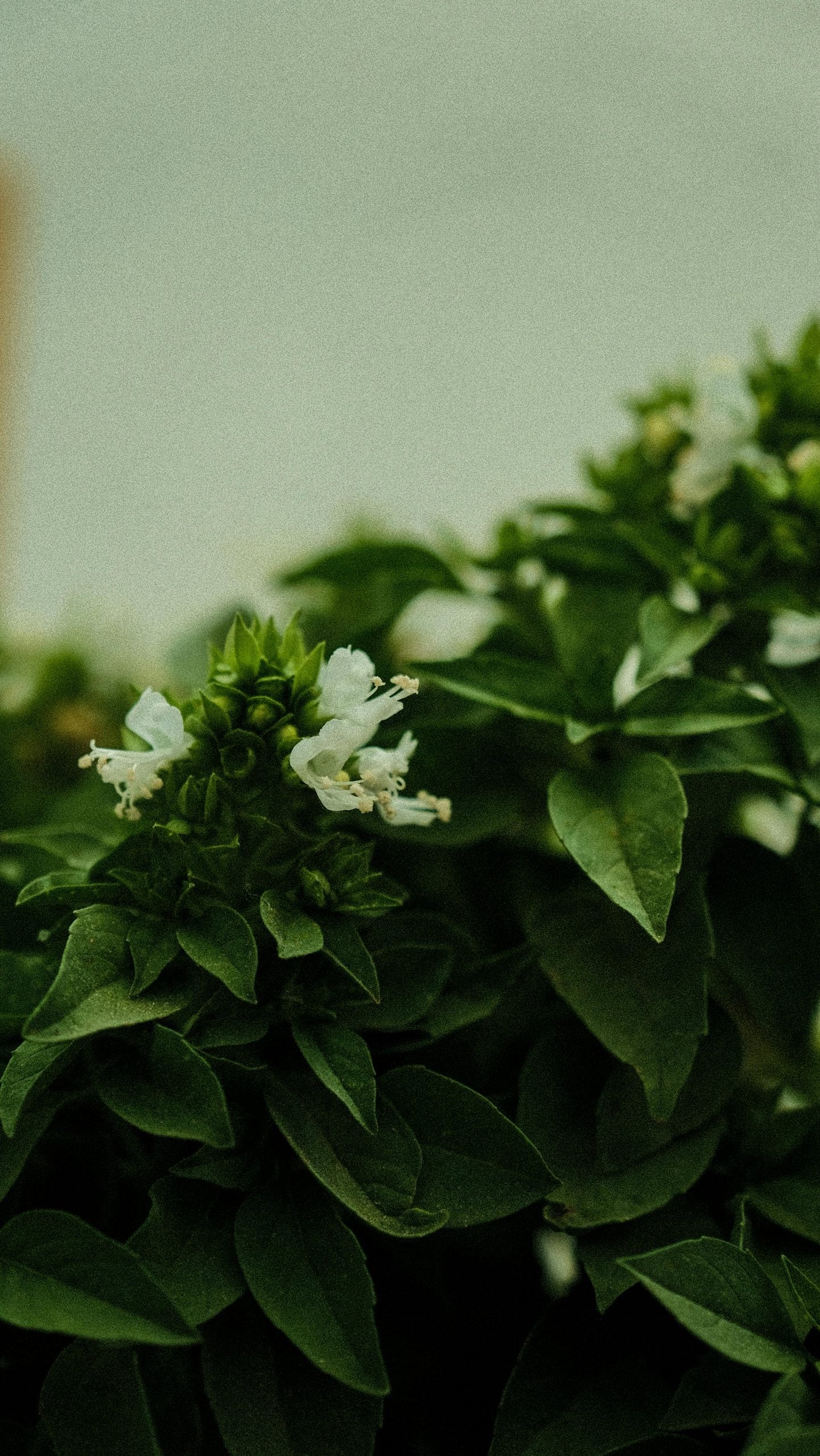
Tulsi, revered for its profound cultural and medicinal significance in India, also plays a valuable role in supporting pollinator populations. Beyond its spiritual and healing properties, the small, delicate flowers of the Tulsi plant provide a crucial source of nectar, attracting bees to the garden. Its inclusion offers a multi-faceted benefit, blending spiritual well-being with ecological contribution.
Tulsi is an exceptionally smart choice for Indian homes as it grows easily in pots, making it suitable for limited spaces and urban environments. It tolerates the summer warmth exceptionally well and imparts a delightful fragrance to the garden. The utility of Tulsi extends beyond its ecological role, offering daily benefits in the form of its aromatic leaves for teas and remedies. Its unassuming flowers become a vital hub for foraging bees, contributing to local biodiversity.
Zinnia: Rapid Blooms and Vibrant Displays
Zinnias are fast-growing summer bloomers that present a kaleidoscope of colours, making them a repeatedly recommended choice for a low-maintenance, pollinator-friendly flower in the Indian heat. Their vibrant hues and prolific flowering habit provide a constant source of attraction for butterflies and bees.
Zinnias are particularly well-suited for gardeners who are seeking quick results from seeds and desire a bright, lively display with minimal effort. They thrive in full sun and are relatively drought-tolerant once established. The continuous blooming cycle of zinnias ensures that pollinators have a reliable food source throughout the summer. Their diverse range of shapes and sizes adds texture and visual interest to any garden bed or container.
Ixora: Hardy Blooms for Warmer Climates
Ixora, also known as the flame of the woods, deserves a prominent place on this list, especially for gardens situated in warmer regions of India. Its clusters of tiny, vibrant flowers are highly attractive to butterflies, which are drawn to their accessibility and abundant nectar. Ixora performs exceptionally well as a hardy shrub in typical Indian conditions.
For individuals planning a simple summer pollinator patch, Ixora offers one of the easiest and most climate-suitable starting points. It is a relatively low-maintenance plant that thrives in well-drained soil and enjoys plenty of sunlight. Its dense foliage and continuous flowering provide a sustained source of food and potential shelter for various insect species, making it a valuable addition to any pollinator-friendly landscape.
Cultivating Your Pollinator Paradise: Practical Tips
Beyond selecting the right flowers, several practical steps can enhance the effectiveness of your pollinator-friendly garden:
- Provide Water Sources: A shallow dish filled with pebbles and water can offer a safe drinking spot for bees and butterflies.
- Avoid Pesticides: Opt for natural pest control methods whenever possible. Many common garden pesticides can be harmful to pollinators.
- Plant in Drifts: Planting flowers in groups or drifts makes them more visible and attractive to pollinators.
- Offer Variety: Aim for a diverse range of flowers that bloom at different times throughout the season to provide a continuous food supply.
- Consider Native Plants: While the listed plants are well-suited to India, incorporating native wildflowers can offer even greater benefits to local pollinator species.
- Create Habitat: Leave some areas of your garden a little wild, with leaf litter or small brush piles, to provide shelter and overwintering sites for beneficial insects.
The Ecological and Economic Ripple Effect
The collective effort of Indian gardeners embracing pollinator-friendly practices this summer will have a profound ripple effect. On an ecological level, it contributes to the conservation of biodiversity, strengthens local ecosystems, and supports the natural processes that underpin our environment. A healthy pollinator population is vital for the reproduction of many wild plant species, contributing to the overall health and resilience of natural landscapes.
Economically, the impact is equally significant. India’s agricultural sector is heavily reliant on pollination for a wide range of crops, including fruits, vegetables, and oilseeds. By supporting pollinators, gardeners are indirectly contributing to increased crop yields, improved food quality, and greater food security for the nation. This also translates to economic stability for farmers and a more robust agricultural economy.
Furthermore, the movement towards pollinator-friendly gardening fosters a deeper connection with nature, encouraging environmental awareness and stewardship among communities. It transforms gardening from a solitary hobby into a collective act of environmental responsibility, fostering a sense of shared purpose and a tangible contribution to a healthier planet. As summer unfolds, let the vibrant blooms in our gardens be a testament to our commitment to both beauty and the vital creatures that sustain our world.
