

In an era defined by the frantic pace of digital connectivity and urban congestion, the concept of luxury is undergoing a profound transformation. No longer confined to gilded lobbies or standardized five-star amenities, modern luxury is increasingly defined by silence, space, and a return to sensory basics. At Isai Karai, a newly unveiled property by CGH Earth Saha located ten kilometers from the historic center of Mamallapuram, this philosophy of "slow living" is not merely a marketing tagline but a lived reality.
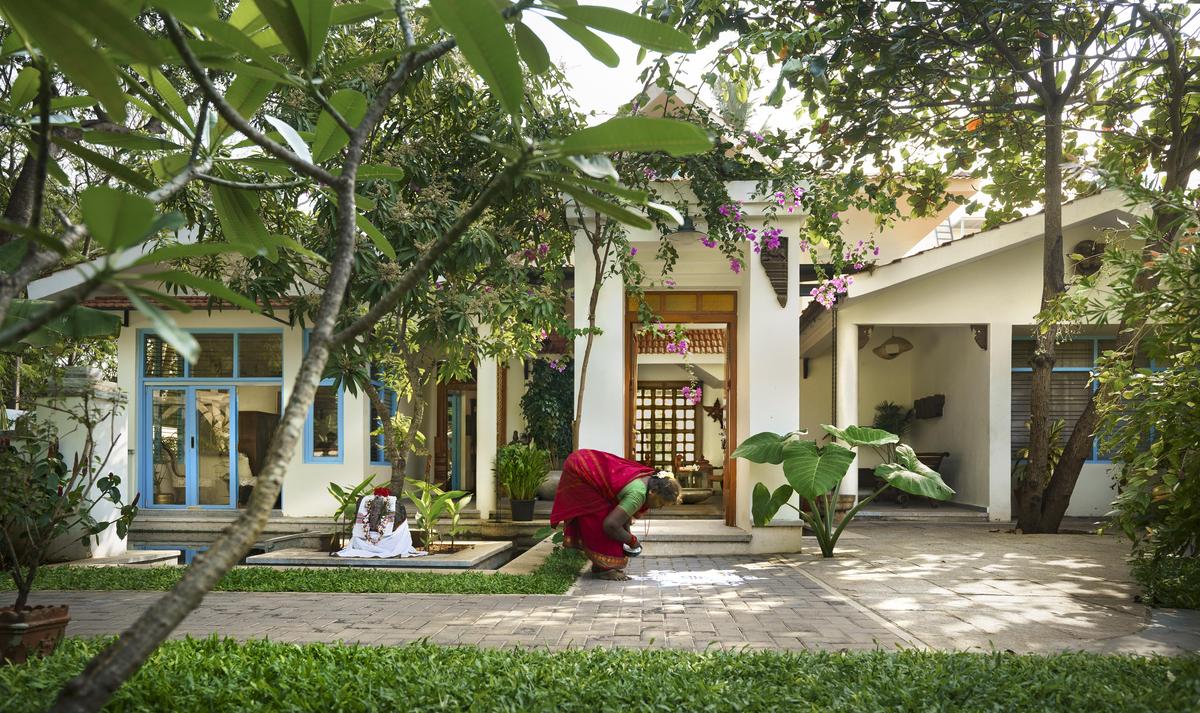
Tucked away in the verdant greenery of the East Coast Road (ECR) and situated a mere 150 meters from the Bay of Bengal, Isai Karai represents a strategic pivot in the Indian hospitality landscape. It is a space where the alarm clock is replaced by the rhythmic chatter of tropical birds and the gradual intrusion of sunlight, and where the day’s most pressing concern is the composition of a traditional South Indian breakfast.
Main Facts: A Collaboration of Heritage and Modernity
Isai Karai, which translates to "the shore of music," is a collaborative venture between property owner Mahitha Ravilla and CGH Earth Saha, the boutique wing of the renowned CGH Earth group. The property is a 50-year-old estate that has been meticulously preserved and repurposed to meet the demands of the contemporary experiential traveler.
Key Property Features:
- Location: Krishnan Karanai Village, Nemmeli Panchayat, approximately 10 kilometers from Mamallapuram.
- Size: Spread across half an acre of lush, fruit-bearing gardens.
- Accommodations: The central "Vasunthara" villa features three distinct bedrooms, a communal dining area, and a living space. Adjacent to the villa are two "Kurumba" cottages, designed for guests seeking enhanced privacy.
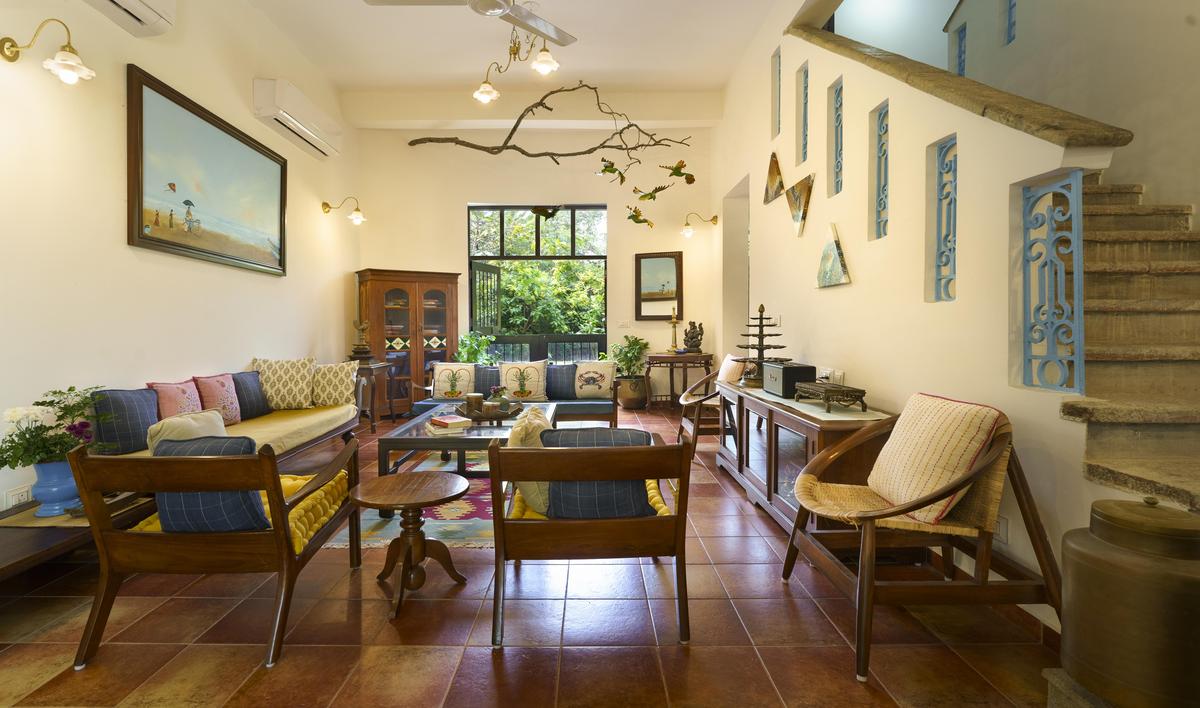
- Design Aesthetic: A blend of traditional Tamil architecture and curated artistic heritage, featuring stone sculptures, antique furniture, and hand-picked décor.
- Pricing: Tariff starts at approximately ₹10,000 per night, positioning it in the premium boutique segment.
The property serves as a flagship for the "Saha" brand, which CGH Earth developed to cater to a growing niche of travelers who prioritize intimacy and personalization over the scale of traditional resorts.

Chronology of the Experience: From Arrival to Immersion
The guest experience at Isai Karai is designed as a sequence of sensory transitions, moving from the external world into a state of restorative quietude.
The Arrival and Spatial Design
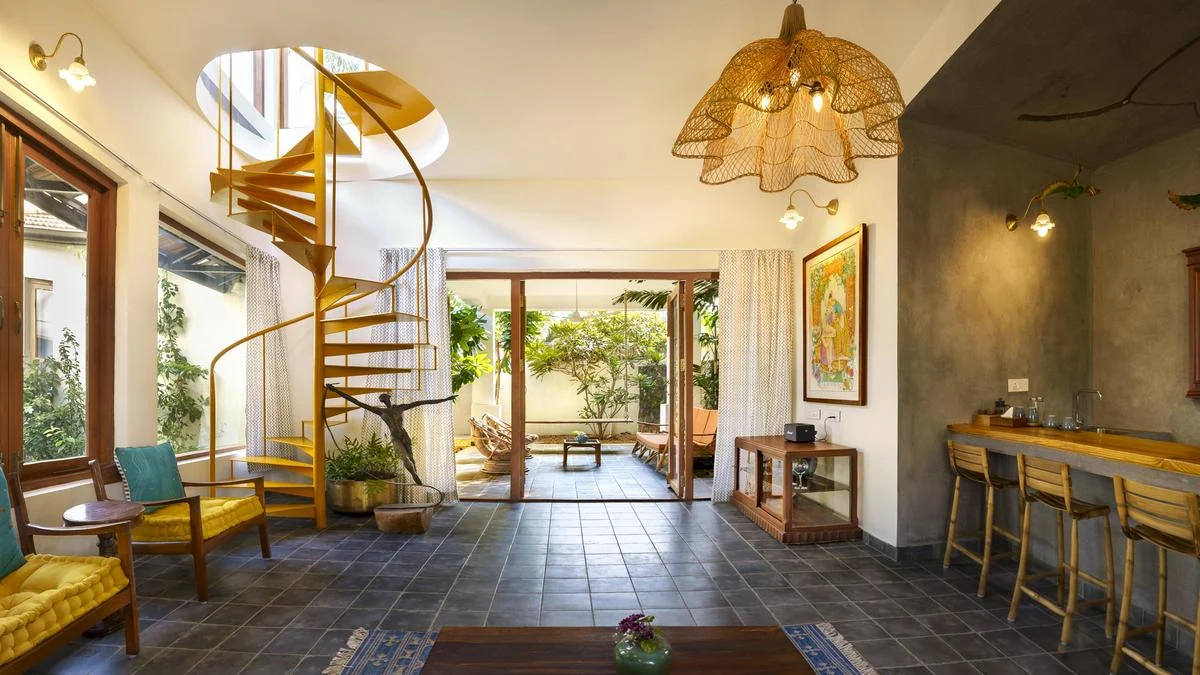
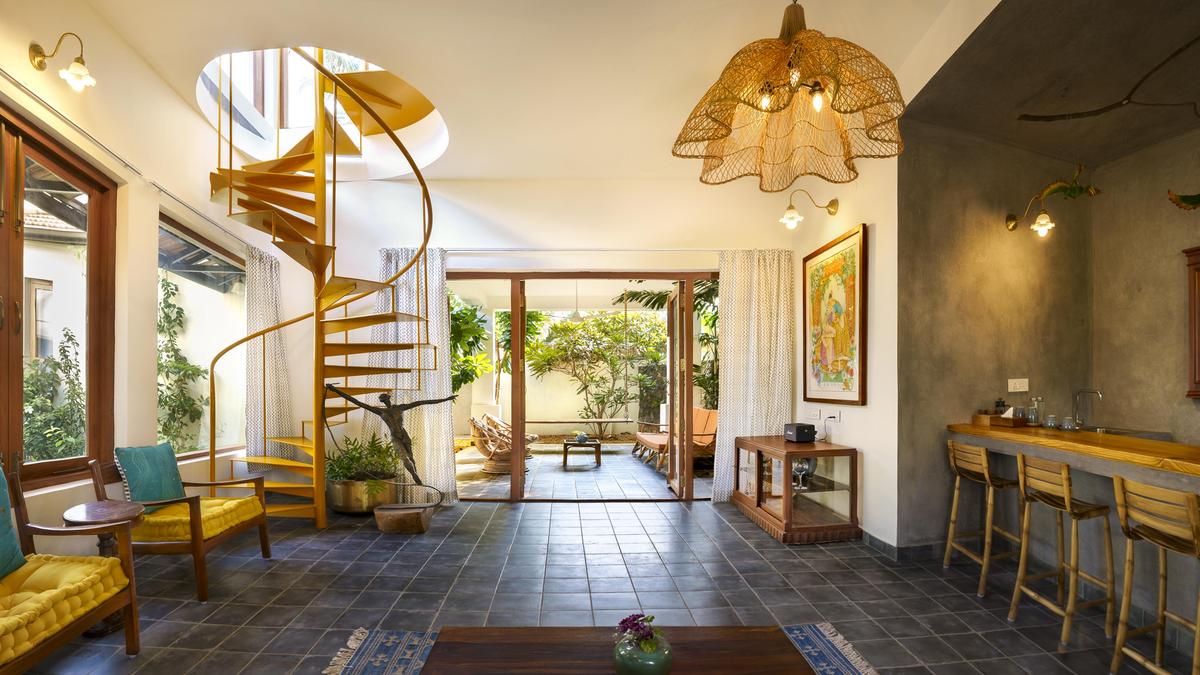
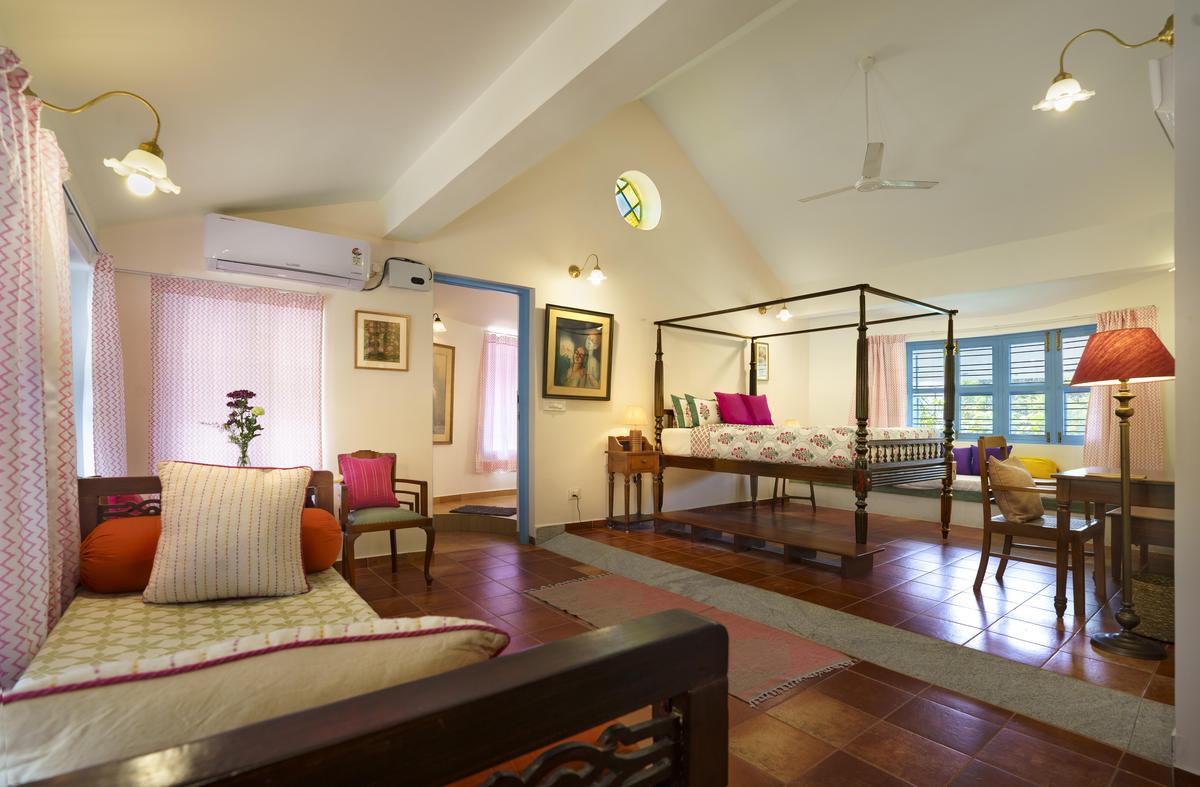
Upon entering the half-acre estate, the transition is immediate. The air, cooled by the proximity to the sea and filtered through a dense canopy of trees, carries the scent of salt and earth. The architecture of the Vasunthara villa remains faithful to its mid-century roots. The rooms are not uniform; each is a unique gallery of regional craftsmanship.
The first-floor rooms often feature wrap-around terraces and high-ceilinged interiors. A notable design element is the four-poster bed, so elevated it requires a rectangular footstool—a nod to colonial-era grandeur. The interiors are a deliberate tribute to Mamallapuram’s status as a UNESCO World Heritage site. Stone carvings, produced by local artisans using centuries-old techniques, sit alongside vibrant paintings and antique furniture. Even the textiles are curated, with cushion covers featuring motifs of local marine life like crabs and lobsters.
The Culinary Narrative: Garden-to-Table
The culinary experience at Isai Karai eschews the traditional printed menu in favor of a conversational, produce-driven approach. Led by manager Kavitha Vignesh, the kitchen operates on a philosophy of "fresh and local."
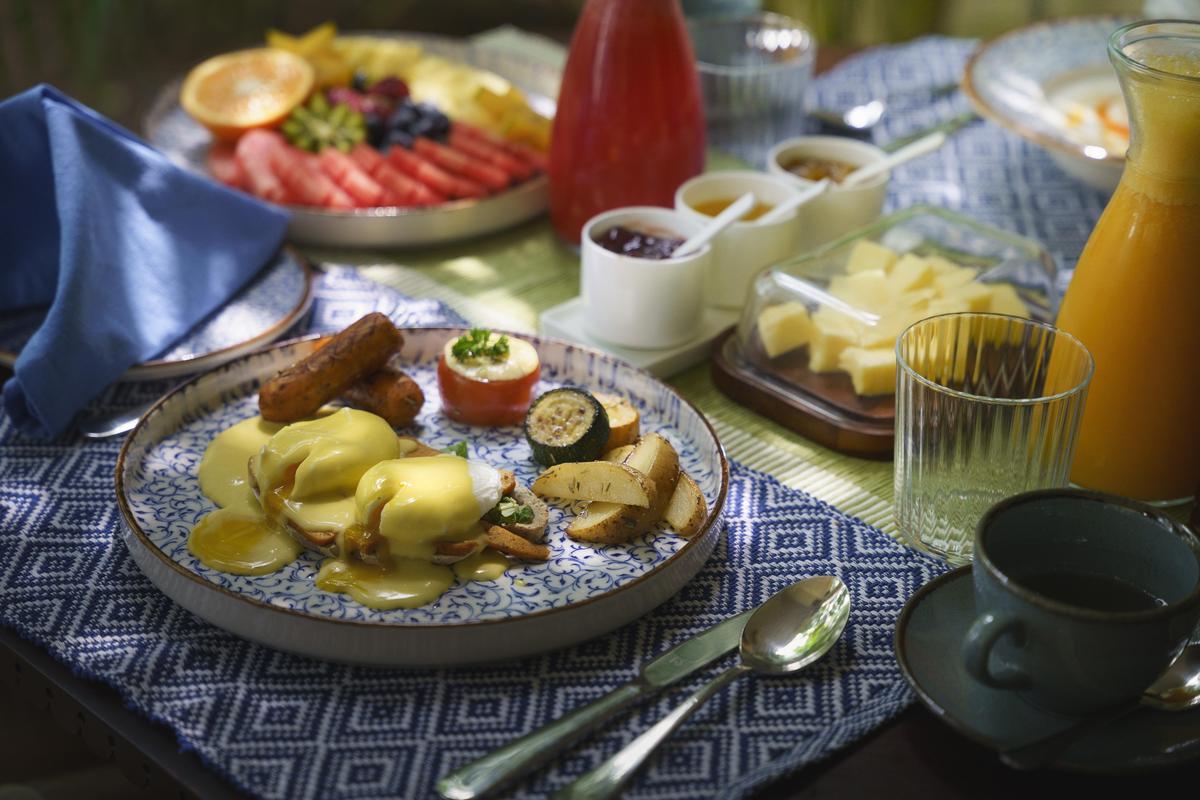
Breakfast often begins with fruit harvested directly from the estate’s gardens, which boast mango, star fruit, Chinese orange, gooseberry, and chikoo trees. The main fare remains resolutely South Indian—crisp dosas, idlis, and sambar—though the staff effortlessly pivots to Continental requirements or specific dietary needs upon request.
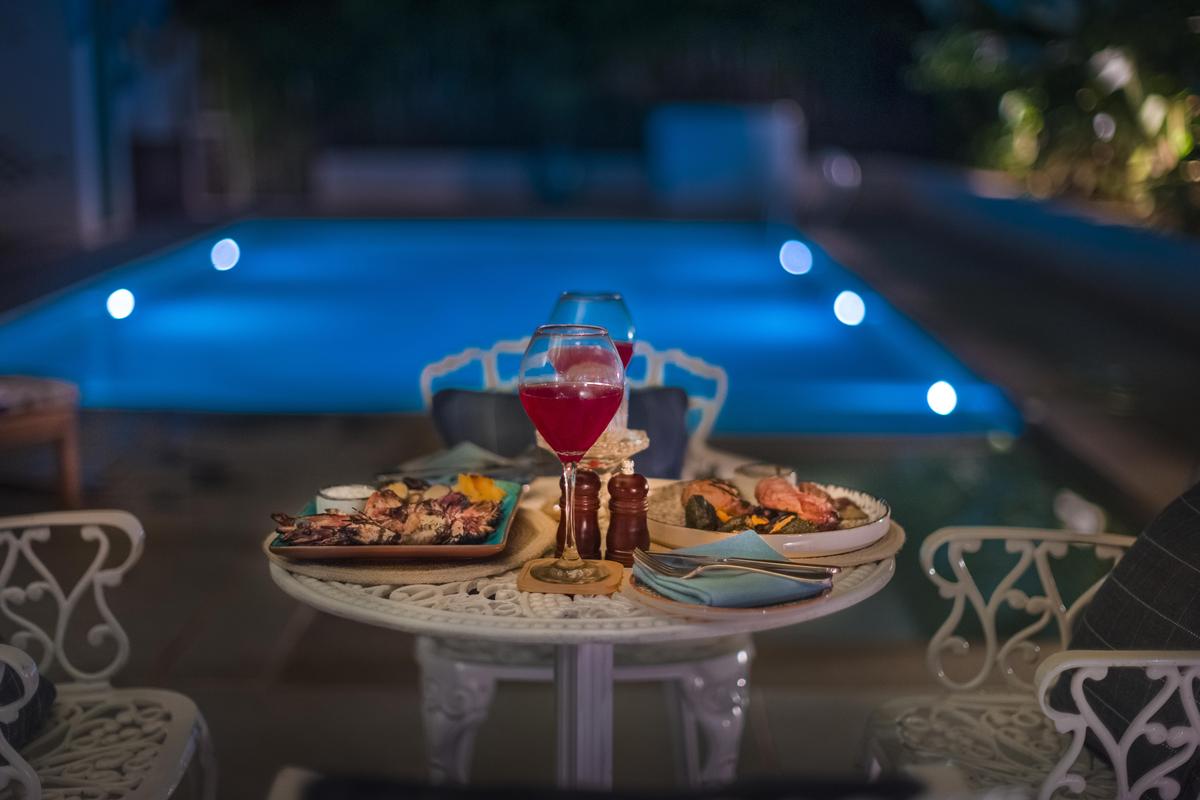
The highlight of the gastronomic journey is the daily interaction with the local fishing community. In the early morning hours, the kitchen staff coordinates with fishermen to secure the "catch of the day," which might include vanjaram (king mackerel), red snapper, or squid. This connection ensures that the seafood served is as fresh as the produce from the garden.
Exploring the Sculpture Hub
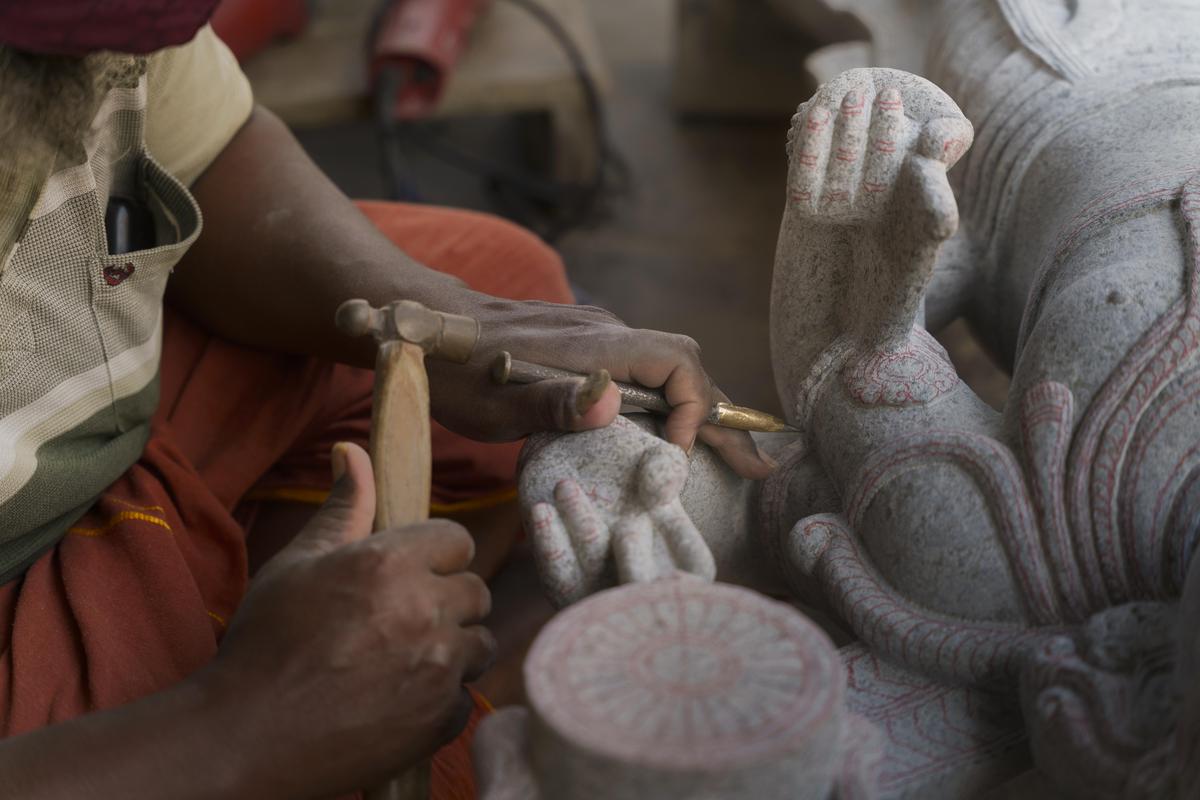
The Isai Karai experience extends beyond the property gates. Guests are encouraged to engage with the "living museum" of Mamallapuram. A guided tour typically begins at the local sculpture units, where the air is thick with granite dust and the percussive sound of chisels.
With over 200 carving units in the vicinity, Mamallapuram remains the heart of India’s stone-carving tradition. Artisans here continue to fulfill international commissions for temples and public squares, blending traditional hand-carving with modern machinery. Witnessing a sculptor carve the intricate musculature of a deity like Lord Hanuman provides a profound context for the ancient relics found nearby.
Supporting Data: The Heritage Context
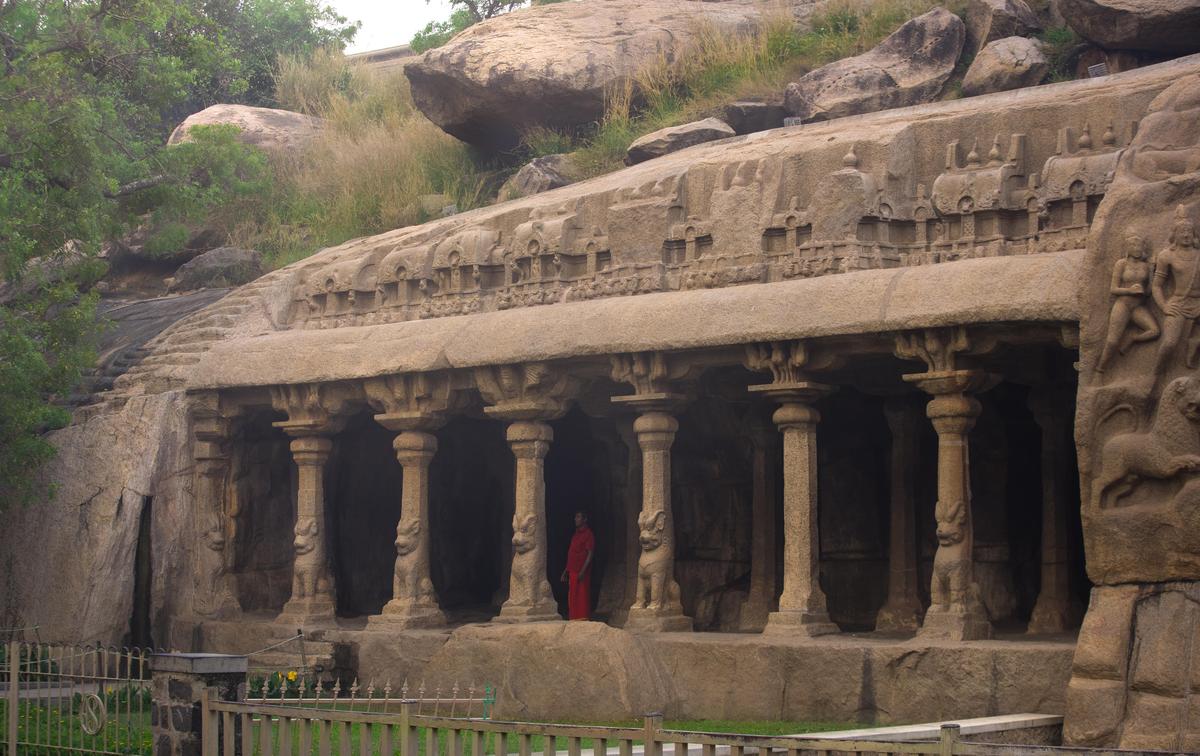
To understand the appeal of Isai Karai, one must look at the historical weight of its surroundings. Mamallapuram (also known as Mahabalipuram) was a major seaport of the Pallava kingdom between the 7th and 10th centuries.
Architectural Landmarks:
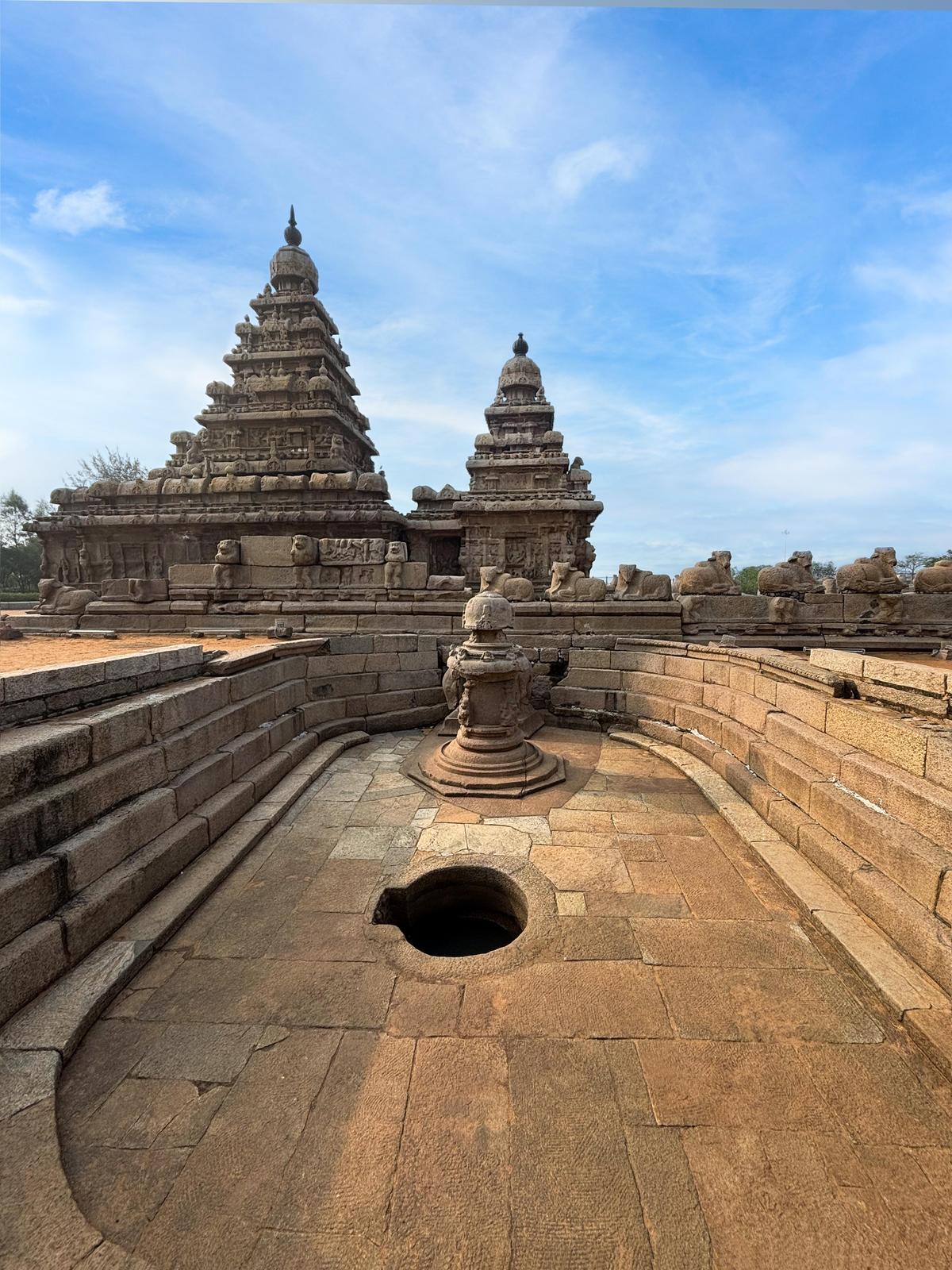
- The Shore Temple: Built in the 8th century, it is one of the oldest structural stone temples in South India.
- Arjuna’s Penance: A massive open-air bas-relief carved onto two monolithic rocks, depicting scenes from the Mahabharata and the descent of the Ganges.
- Krishna’s Butter Ball: A massive granite boulder resting on a short incline, seemingly defying gravity. Historical records indicate that in 1934, the British Governor attempted to move it using seven elephants, but the stone remained unmoved.
- The Lighthouse and Olakkannesvara Temple: The 7th-century temple is believed to have served as India’s first lighthouse, where fires were lit to guide mariners along the Coromandel Coast.
This historical density provides a backdrop for the "nostalgia tourism" that Isai Karai facilitates. For many domestic travelers, returning to these sites with modern technology (smartphone cameras vs. the 35mm rolls of the past) is a way to bridge personal history with national heritage.
Official Responses: The Philosophy of CGH Earth Saha
The creation of Isai Karai and the broader Saha collection is a strategic response to shifts in the global travel market. George Joseph, Vice President of Operations at CGH Earth, emphasizes that the post-pandemic traveler is looking for something more profound than a standard vacation.
"As travel preferences evolved, we noticed a growing inclination towards smaller, more intimate holiday spaces that offer greater privacy yet personalized service, and thoughtfully curated experiences," Joseph explains. "In response to this shift—and guided by the ethos of CGH Earth—Saha was conceived."

Joseph notes that the collaboration with Mahitha Ravilla was essential to maintaining the "soul" of the property. "The house has retained most of its original charm just as Ms. Mahitha intended it. Every décor piece, painting, and artefact has been personally chosen by her over the years, making the home a deeply personal reflection of her aesthetic sensibilities."
This approach reflects a broader trend in the hospitality industry where "authenticity" is the primary currency. By partnering with private homeowners, CGH Earth is able to offer "hand-picked cozy escapes" that feel like homes rather than commercial establishments.
Implications: The Future of Experiential Tourism in India
The success of properties like Isai Karai has several implications for the future of tourism in the region and across India.
1. The Rise of "Micro-Destinations"
Travelers are increasingly looking for stays that are "near but far"—places like Nemmeli that are close to established tourist hubs (Mamallapuram) but offer a secluded, residential feel. This helps de-clutter major tourist sites while spreading economic benefits to surrounding villages.
2. Economic Impact on Local Artisanal Hubs
By integrating tours of sculpture units and sourcing seafood directly from local fishermen, Isai Karai creates a symbiotic relationship with the local economy. This "community-based tourism" ensures that the presence of luxury properties directly supports traditional livelihoods.
3. Sustainability through Preservation
Rather than building new glass-and-steel structures, the Saha model focuses on the adaptive reuse of existing heritage homes. This significantly reduces the carbon footprint associated with construction and preserves the architectural vernacular of the region.
4. The "Slow Travel" Movement
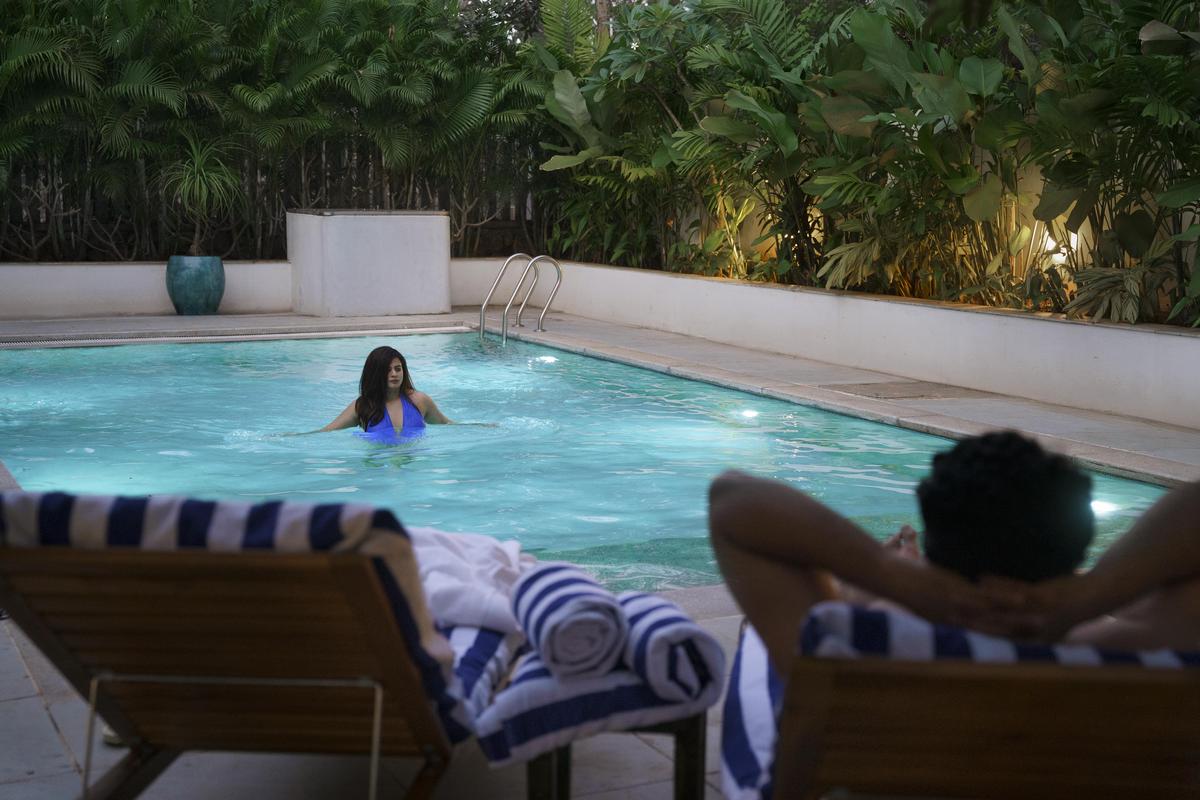
Isai Karai’s emphasis on "me-time," reading, and nature-watching caters to a demographic suffering from "burnout." The property’s lack of a rigid schedule and its focus on sensory delights (like a beach picnic with fresh bajji or a poolside barbecue under falling flowers) suggests that the future of luxury travel lies in the recovery of the "simple life."
Conclusion
Isai Karai stands as a testament to the idea that the best way to move forward in the hospitality industry may be to look backward. By honoring the 50-year history of the villa, the 1,400-year history of Mamallapuram, and the timeless rhythms of nature and the sea, CGH Earth Saha has created a sanctuary that is both deeply rooted and refreshingly modern.
As the sun sets over the Bay of Bengal and the smell of grilled seafood mingles with the scent of night-blooming jasmine, guests at Isai Karai find themselves participating in a rare luxury: the luxury of unhurried time. In the heart of the Coromandel Coast, slow living has found its perfect shore.
