

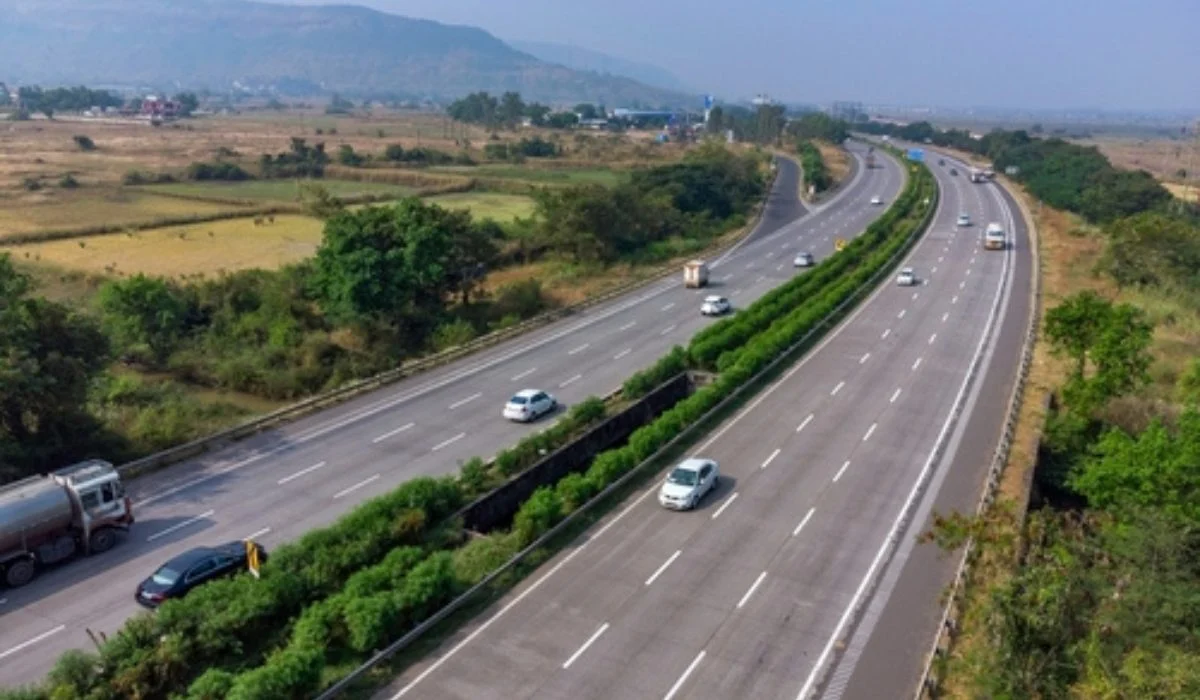
The landscape of Northern India’s infrastructure is undergoing a seismic shift with the development of the Delhi-Saharanpur-Dehradun Economic Corridor. Spanning 212 kilometers and built at an estimated cost of ₹13,000 crore, this project is more than just a highway; it is a strategic artery designed to revolutionize connectivity, bolster tourism, and catalyze real estate growth across three states. Once fully operational, the expressway will slash travel time between the national capital and the capital of Uttarakhand from a grueling six-plus hours to a mere 2.5 hours.
Main Facts: An Architectural and Engineering Marvel
The Delhi-Dehradun Expressway is being developed by the National Highways Authority of India (NHAI) under the Engineering, Procurement, and Construction (EPC) mode. It is designed to support a minimum operating speed of 100 km/h, accommodating an estimated 20,000 to 30,000 passenger vehicles daily.
Key Project Specifications:
- Total Length: 212 km (reducing the current distance of 235 km).
- Total Investment: Approximately ₹13,000 crore.
- Lanes: A hybrid structure featuring 12 lanes in Phase 1 (6 express lanes + 6 service lanes) and 6 lanes for Phases 2, 3, and 4.
- Major Cities Covered: Delhi, Baghpat, Baraut, Shamli, Saharanpur, and Dehradun.
- Infrastructure Highlights: The project includes five road overbridges, 110 vehicle underpasses, 76 km of service roads, and 29 km of elevated sections.
- Wildlife Protection: Features a 12-km elevated wildlife corridor—the longest of its kind in Asia.
Detailed Chronology: From Blueprint to Reality
The journey of the Delhi-Dehradun Expressway began with high-level governmental vision to decongest existing routes and provide a "greenfield" alternative to the saturated NH-58.
- 2020: The central government granted initial approval for the project, recognizing it as a priority under the Bharatmala Pariyojana.
- February 26, 2021: The Minister of Road Transport and Highways officially laid the foundation stone, marking the commencement of construction.
- 2023 – Early 2024: Construction progressed across all four phases. A significant milestone was reached when a 3.5-km section from Daat Kali to Asharodi was opened to traffic, replacing an old three-lane setup with a modern six-lane facility.
- April 15, 2026 (Projected/Inaugural Milestone): Prime Minister Narendra Modi is scheduled to inaugurate the broader Economic Corridor. While sections are being opened incrementally, the PMO has directed that the full expressway be inaugurated only upon total completion.
- Current Status & Revised Deadline: Originally slated for completion in December 2024, the project has faced minor delays due to land disputes and environmental clearances. The NHAI now estimates the entire corridor will be fully operational by February 2026.
Supporting Data: A Four-Phase Development Strategy
To manage a project of this scale, the NHAI divided the construction into four distinct packages, each serving a unique geographic and logistical purpose.
Phase 1: The Urban Connector (Delhi to Baghpat)
Starting at the Akshardham Temple, this 32-km stretch is designed to bypass the chronic congestion of North-East Delhi.
- Elevated Efficiency: 18 km of this section is elevated, passing over Geeta Colony, Shastri Park, and Sonia Vihar.
- The Toll-Free Incentive: In a major relief for local commuters, the first 18-km section from Akshardham to Loni will be toll-free, facilitating seamless intra-city movement.
- Time Savings: Travel time from Delhi to Baghpat is expected to drop from 2 hours to just 20 minutes.
Phase 2: The Agricultural Heartland (Baghpat to Saharanpur)
This 118-km greenfield section traverses the fertile belts of Uttar Pradesh.
- Connectivity: It includes four major interchanges and 60 underpasses to ensure local farmers and residents have easy access without hindering high-speed traffic.
- Amenities: The NHAI has planned "Way Side Amenities" every 25 km, including rest stations, fuel pumps, and trauma centers.
Phase 3: The Industrial Link (Saharanpur to Ganeshpur)
This 40-km segment focuses on "brownfield" development—upgrading existing highway networks. It involves widening the Saharanpur Bypass and improving pedestrian crossings to accommodate the rising industrial traffic in the region.
Phase 4: The Ecological Corridor (Ganeshpur to Dehradun)
Perhaps the most complex engineering feat, Phase 4 passes through the Shivalik Hills and the Rajaji Tiger Reserve.
- Environmental Sensitivity: To protect the local fauna, the NHAI is constructing a 12-km elevated road, ensuring that the migration patterns of elephants and tigers remain undisturbed.
- Engineering Feat: This includes two dedicated elephant corridors, each 200 meters long with a 7-meter vertical clearance.
Official Responses and Operational Challenges
Despite the rapid pace of construction, the project has not been without its hurdles. Official responses from the NHAI and the Ministry of Road Transport and Highways (MoRTH) highlight a balance between development and preservation.
The Mandola Land Dispute
A significant bottleneck remains in Loni’s Mandola village. A dispute involving a 1,600-sqm land parcel—containing a two-story structure—has stalled the construction of a critical ramp. This ramp is essential for providing local connectivity to the 16-km elevated section between UP Gate and the Eastern Peripheral Expressway (EPE). NHAI officials have noted that negotiations are ongoing to resolve the impasse without further delaying the 2026 deadline.
Environmental Litigation
Environmentalists and NGOs filed several Public Interest Litigations (PILs) concerning the felling of approximately 25,000 trees in the Shivalik forest range. The judiciary eventually allowed the NHAI to proceed, provided they adhered to strict compensatory afforestation guidelines and implemented the wildlife underpasses currently under construction.
PMO Oversight
The Prime Minister’s Office has taken a keen interest in the project, directing MoRTH to ensure that "finishing works," such as safety barriers and lighting, are not overlooked in the rush to meet deadlines. The PMO’s directive to wait for full phase completion before a grand inauguration underscores the government’s intent to present a "complete and world-class" product.
Economic and Real Estate Implications
The "Expressway Effect" is already visible in the socio-economic data of the region. The project is acting as a catalyst for a multi-sectoral boom.
1. Real Estate Appreciation
Micro-markets along the route are witnessing unprecedented interest:
- Delhi/NCR: Areas like Mayur Vihar, Akshardham, and the newly branded "Trans-Delhi Signature City" (formerly Tronica City) have seen property prices appreciate as connectivity to UP and Uttarakhand improves.
- Saharanpur: Previously considered a quiet industrial town, Saharanpur is emerging as a residential hub for those seeking affordable housing with high-speed access to the capital.
- Dehradun: The capital of Uttarakhand is seeing a surge in "second home" and vacation property investments. With a 2.5-hour commute, Dehradun is effectively becoming a weekend getaway for Delhi’s elite, similar to how Chandigarh or Jaipur function.
2. Tourism and The "Spur" Effect
The NHAI’s plan to build a 51-km spur to Haridwar and Roorkee is a masterstroke for the tourism industry. Haridwar, a primary religious hub, will now be accessible from Delhi in under 2 hours. This is expected to double the weekend footfall of pilgrims and tourists, providing a massive boost to the hospitality sector in Uttarakhand.
3. Industrial and Logistics Growth
The 120-km spur connecting Shamli to Ambala (Haryana) creates a massive logistics triangle between Delhi, Punjab/Haryana, and Uttarakhand. This greenfield highway, costing ₹3,700 crore, will facilitate the faster movement of goods, encouraging the setup of warehouses and cold storage units along the corridor.
Conclusion: A Vision for 2026
The Delhi-Dehradun Expressway represents the next generation of Indian infrastructure—one that balances high-speed transit with environmental consciousness. While the journey from the 2020 approval to the projected 2026 completion has been marked by legal challenges and engineering complexities, the end result promises to be transformative.
By reducing travel time by 60%, the expressway does more than just move cars; it integrates the economy of the hills with the political heart of the country. For commuters, it means less time in traffic; for investors, it means new frontiers in real estate; and for the environment, it sets a precedent for how infrastructure can coexist with wildlife through innovative design. As February 2026 approaches, all eyes remain on the NHAI to deliver this ₹13,000 crore promise.
