

HYDERABAD – In a significant escalation of its ongoing campaign to ensure public health and culinary accountability, the Telangana Food Safety Department conducted a series of intensive raids on Wednesday, May 20. The inspections, which spanned from the bustling hubs of Hyderabad to the commercial centers of Karimnagar, unearthed a disturbing array of hygiene violations, ranging from the use of putrid ingredients to systemic failures in pest control and food labeling.
The findings at prominent establishments, including a popular fine-dining bakery and a local brewery, have sent shockwaves through the regional hospitality industry. Authorities have signaled that these raids are part of a broader, zero-tolerance policy aimed at modernizing the state’s food safety standards and protecting consumers from preventable foodborne illnesses.
Main Facts: A State-Wide Sweep for Safety
The primary focus of the May 20 operations was centered on three specific establishments: Urban Monk Fine Dine and Baking in LB Nagar, Meld Haus brewery in Nagole, and Ganesh Bangalore Bakery in Subhash Nagar, Karimnagar.
While each location presented its own unique set of failures, the common themes were alarming: the presence of expired goods, the suspected reuse of hazardous cooking oil, and a blatant disregard for basic sanitary protocols. The most egregious discovery occurred in Karimnagar, where inspectors intercepted hundreds of spoiled eggs intended for human consumption.
Key Findings at a Glance:
- Pest Infestations: Evidence of cockroaches and other pests in food preparation areas.
- Hazardous Ingredients: 750 foul-smelling, fly-infested eggs seized in Karimnagar.
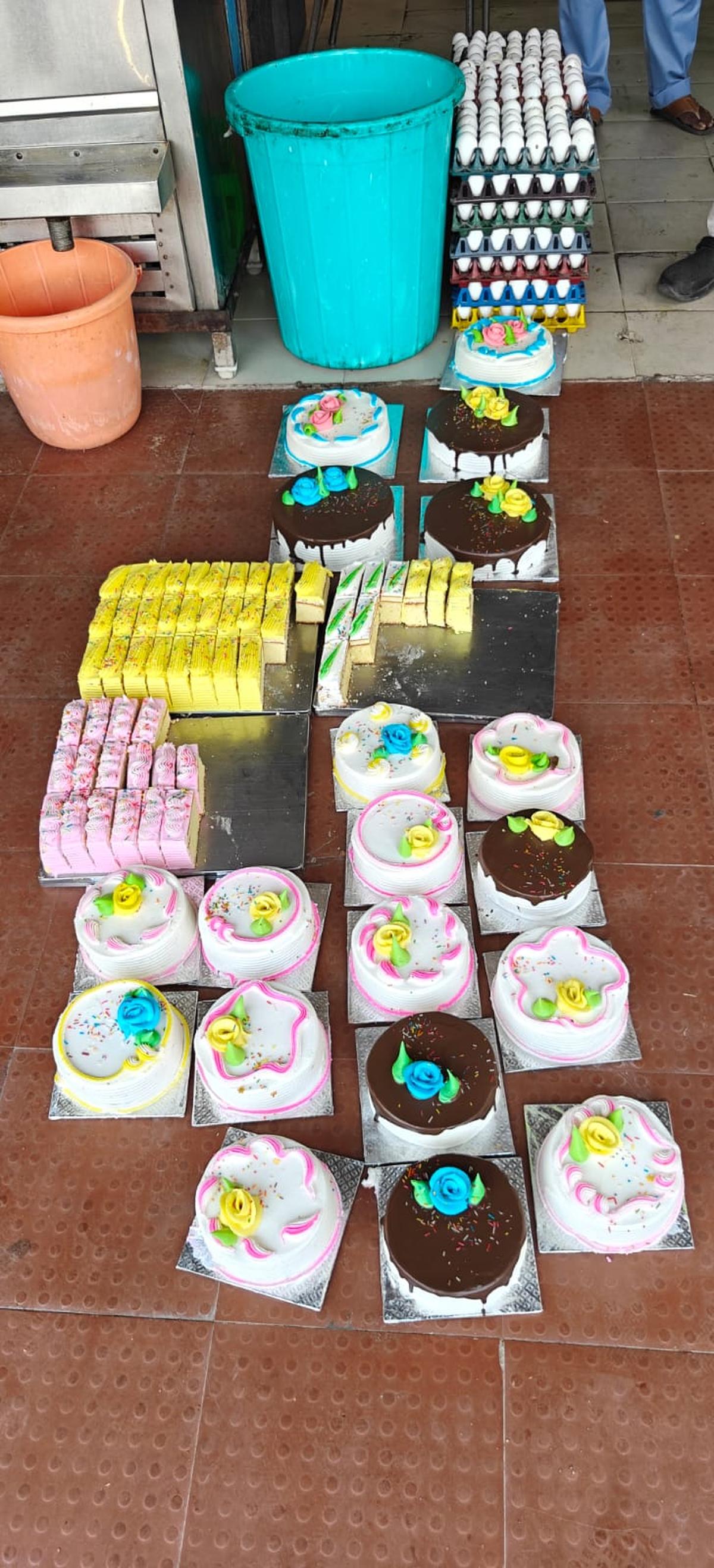
- Contaminated Products: 20 kg of cakes suspected to be made with spoiled eggs were discarded.
- Regulatory Non-compliance: Lack of proper labeling, expired stock, and suspected "Total Polar Compound" (TPC) violations in cooking oil.
- Legal Action: Formal notices issued under the Food Safety and Standards Act (FSSAI), with samples sent for forensic laboratory analysis.
Chronology of the Inspection Drive
The enforcement drive began in the early hours of Wednesday as specialized teams from the Telangana Food Safety Department, acting on a mix of routine scheduling and specific intelligence, descended upon the Nagole and LB Nagar areas of Hyderabad.
Morning: The Hyderabad Operations
The first phase of the operation targeted Urban Monk Fine Dine and Baking and Meld Haus brewery. Upon entering the premises, officials noted immediate red flags regarding the storage of raw materials. By midday, the inspection teams had documented a pattern of "mislabeling," where food items lacked mandatory manufacturing and expiry dates—a critical violation that prevents the tracking of food freshness.
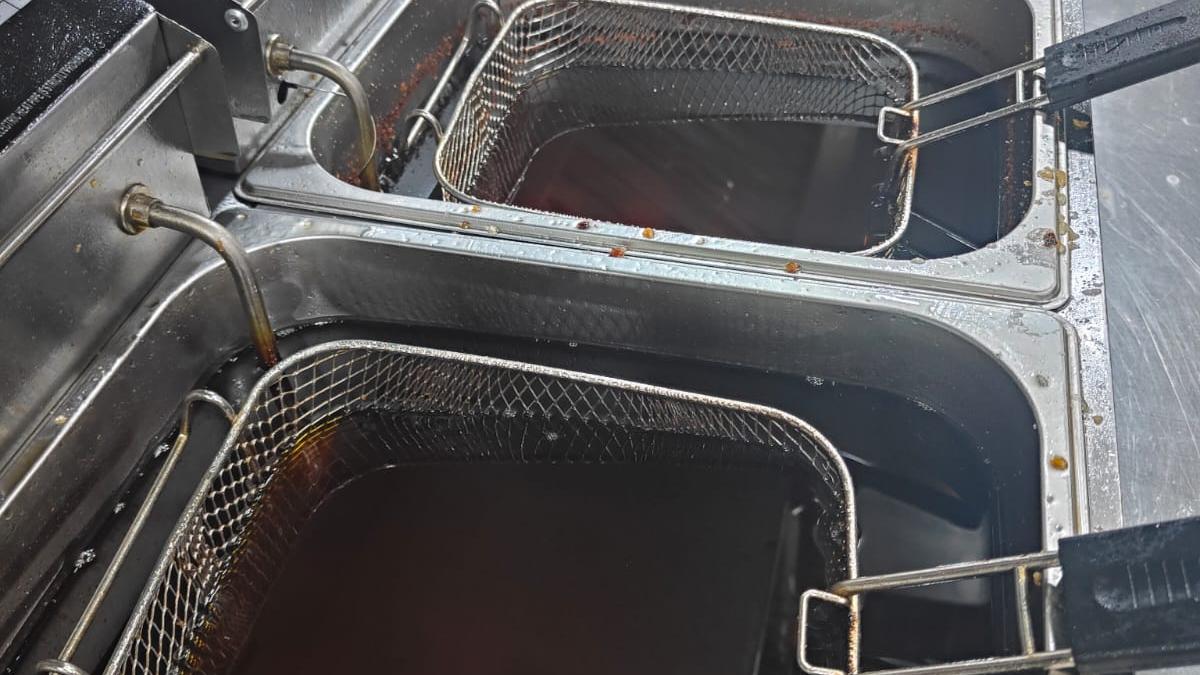
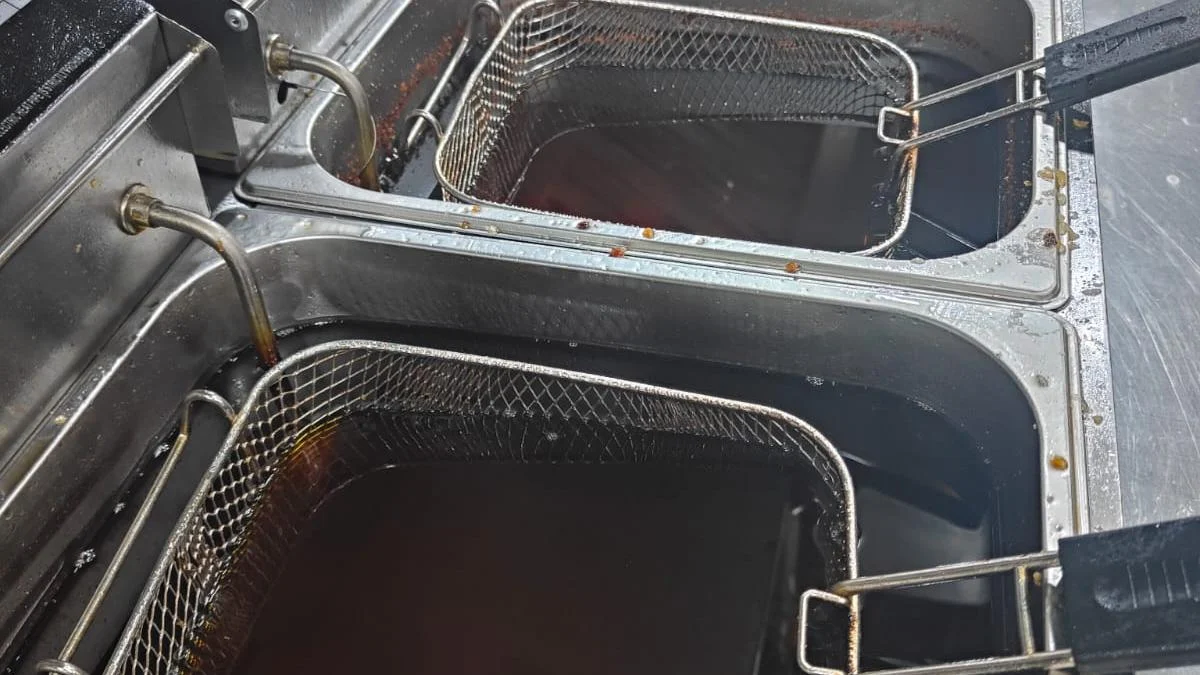
Simultaneously, at Meld Haus, the focus shifted to the kitchen’s "back-of-house" operations. Inspectors observed cooking oil that appeared dark and viscous, suggesting it had been reheated multiple times. In the world of food science, this practice increases the concentration of carcinogenic compounds, posing a long-term health risk to patrons.
Afternoon: The Karimnagar Discovery
As the Hyderabad teams were filing their initial reports, a separate enforcement wing in Karimnagar conducted a surprise check at Ganesh Bangalore Bakery in Subhash Nagar. This inspection yielded the most visceral evidence of the day. Inside the bakery’s storage room, officials discovered crates containing 750 damaged eggs. According to the official press note, the eggs were "foul-smelling and infested with houseflies," yet remained in the vicinity of active baking stations.
By late afternoon, the department had authorized the immediate destruction of 20 kg of finished cake products, fearing they had already been cross-contaminated or manufactured using the spoiled egg stock.
Supporting Data: The Science and Standards of the Violations
To understand the gravity of these findings, one must look at the specific safety standards outlined by the Food Safety and Standards Authority of India (FSSAI).
1. The Danger of Spoiled Eggs
The seizure of 750 spoiled eggs is not merely a matter of bad odor; it is a major biological hazard. Spoiled eggs are primary breeding grounds for Salmonella and E. coli. In a bakery environment, where eggs are used in batters that may not always reach internal temperatures high enough to kill all pathogens (especially in moist cakes or frostings), the risk of a mass food poisoning outbreak is exponential. The presence of houseflies further indicates a breakdown in the "cold chain" and physical barriers required for food storage.
2. Reused Cooking Oil (TPC Levels)
The "suspected reuse of cooking oil" mentioned by officials refers to the accumulation of Total Polar Compounds (TPC). FSSAI regulations mandate that TPC levels should not exceed 25%. Repeated heating of oil changes its chemical structure, leading to the formation of trans-fats and acrylamides. For a brewery or a fine-dine establishment, failing to rotate oil is considered a high-category violation because of its direct link to cardiovascular issues and other non-communicable diseases among frequent diners.

3. Mislabeling and Traceability
The absence of labels on food products at Urban Monk and Meld Haus violates the "Food Safety and Standards (Packaging and Labelling) Regulations." Traceability is the backbone of food safety; if a customer falls ill, the department must be able to trace the batch of ingredients back to the supplier. Without labels, there is no way to verify if a product is three days old or three months old.
Official Responses and Regulatory Framework
The Telangana Food Safety Department has been increasingly vocal on social media, using platforms like X (formerly Twitter) to share real-time updates and photos of their findings. This transparency is part of a strategic directive from the Commissioner of Food Safety.
Statement from the Department
In an official press release, the department stated:
"Expired and spoiled food articles, along with suspected reused cooking oil, were discarded on the spot during the inspections. Enforcement samples were collected from the establishments and sent for laboratory analysis. Necessary action is being initiated against the Food Business Operators (FBOs) concerned under the provisions of the Food Safety and Standards Act, 2006."
The Legal Path Forward
The establishments face a multi-tiered legal process:
- Adjudication: Depending on the lab results of the "Enforcement Samples," the owners could face heavy monetary penalties.
- Suspension of License: If the hygiene violations are deemed "life-threatening" or if the establishments fail a follow-up inspection, their FSSAI licenses may be suspended or canceled.
- Criminal Prosecution: In cases where "unsafe food" (as defined by Section 3 of the FSS Act) is served, the proprietors can face imprisonment.
Implications: A Wake-Up Call for the Industry
The May 20 raids are symptomatic of a larger shift in how food safety is managed in urban India. The implications of these findings extend beyond the three penalized shops.
For Consumers: The Right to Know
The rise of social media reporting by the Food Safety Department has empowered consumers. For years, the "kitchen door" remained a literal and metaphorical barrier. By bringing these violations into the public eye, the department is encouraging a culture where diners prioritize hygiene ratings over ambiance or branding.
For the Hospitality Sector: A Costly Lesson
For business owners, these raids serve as a stark reminder that "cost-cutting" on ingredients—such as reusing oil or buying discounted, near-expiry eggs—can lead to brand-destroying publicity and terminal legal fees. The cost of maintaining a clean kitchen and a robust inventory management system is significantly lower than the cost of a forced closure and a tarnished reputation.
Public Health and Economic Impact
Foodborne diseases place a massive burden on the healthcare system and lead to lost productivity. By proactively raiding establishments before an outbreak occurs, the Telangana government is practicing "preventative governance." Furthermore, as Hyderabad continues to grow as a global tech and tourism hub, maintaining international food safety standards is vital for the city’s economic image.
Conclusion: The Path to a Safer Food Ecosystem
The discovery of 750 rotten eggs and pest-ridden kitchens in reputable areas of Telangana is a sobering reminder that food safety cannot be taken for granted. While the May 20 inspections successfully removed hazardous products from the market, the department’s work is far from over.
As the "Enforcement Samples" undergo rigorous testing in state laboratories, the hospitality industry in Telangana finds itself at a crossroads. The message from the authorities is clear: whether you are a local bakery in Karimnagar or a high-end brewery in the heart of Hyderabad, the health of the citizen is non-negotiable. Moving forward, the department has promised continued vigilance, with more surprise inspections slated for the coming weeks, ensuring that the "Fine Dine" experience is as safe as it is flavorful.
