

In the vast landscape of global comfort foods, few items achieve the perfect equilibrium of simplicity, texture, and heat quite like the Chilli Cheese Toast. What began as a humble domestic solution for quick sustenance has transformed into a sophisticated staple of urban café culture and a definitive example of Indo-Western fusion. Recent culinary trends highlight a dualistic approach to this snack: a nostalgic, ginger-infused Indian domestic version and a contemporary, Mediterranean-inspired "café-style" iteration.
As home cooks and professional chefs alike seek to balance convenience with gourmet flair, the Chilli Cheese Toast stands as a testament to the versatility of pantry staples. This article explores the technical preparation, historical evolution, and nutritional profile of this iconic snack, analyzing why it remains a perennial favorite across generations.
The Main Facts: A Tale of Two Toasts
At its core, Chilli Cheese Toast is a manifestation of the "open-faced sandwich" philosophy, utilizing bread as a structural canvas for a molten, spiced topping. However, the dish is rarely monolithic. According to culinary experts and traditional practitioners, the dish generally bifurcates into two distinct flavor profiles.
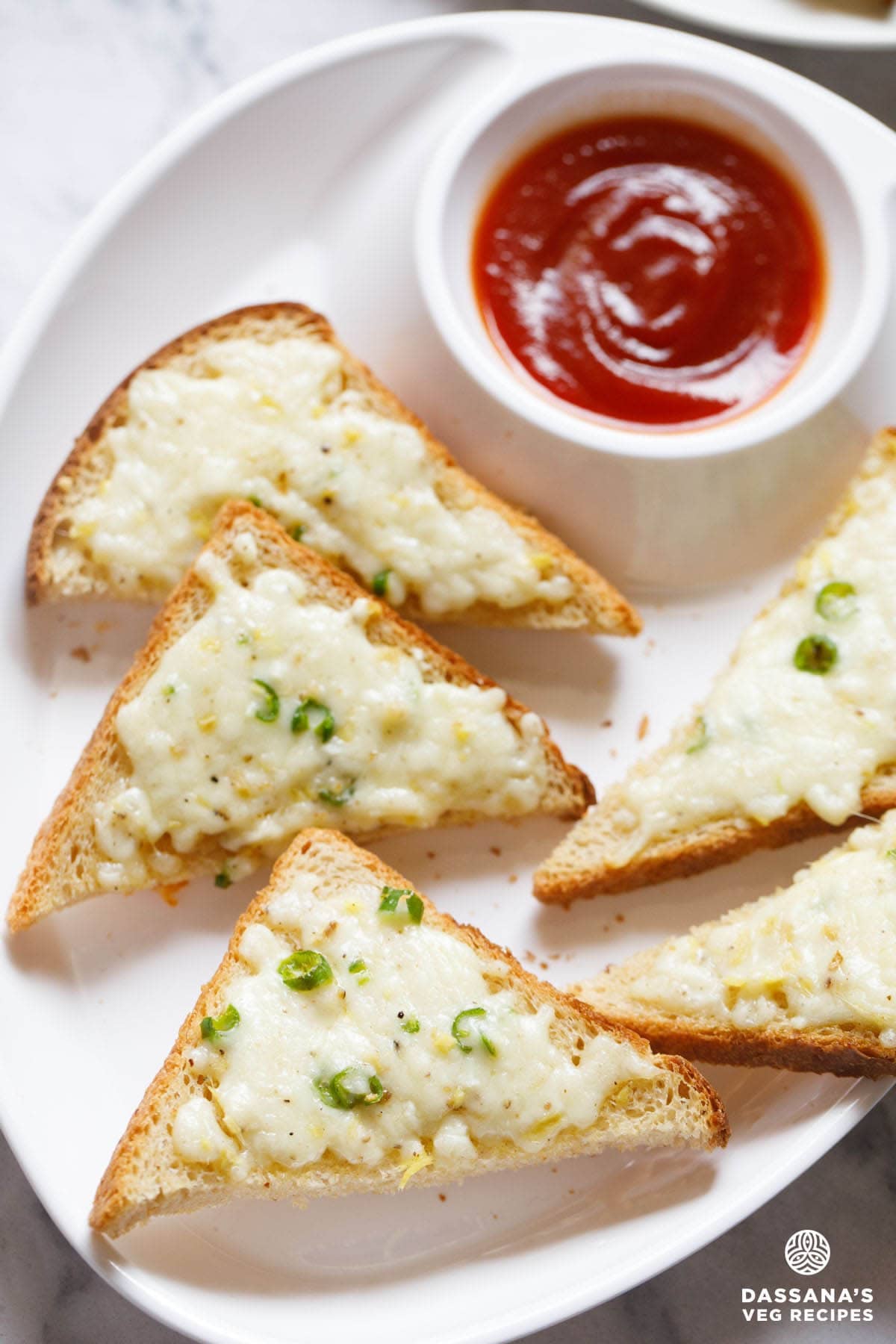
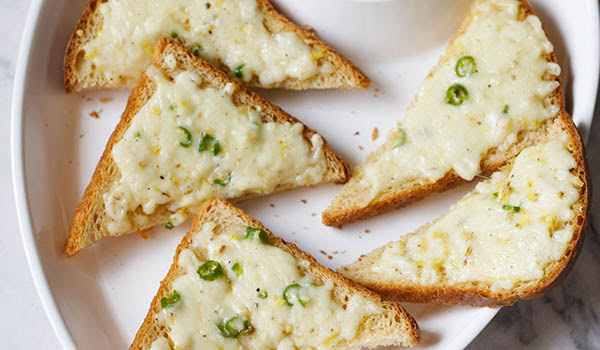
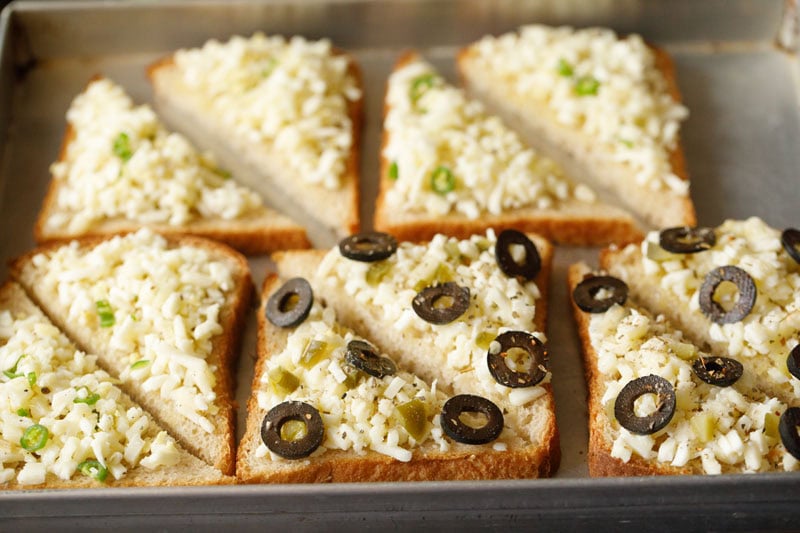
The first is the Classic Indian Style. This version is defined by its use of pungent, fresh aromatics—specifically green chillies and ginger. The inclusion of ginger is a hallmark of Indian domesticity, providing a subtle, underlying warmth that cuts through the richness of the fats. When combined with black pepper and a blend of cheeses, the result is a savory profile that aligns with the Indian palate’s preference for "Zing."
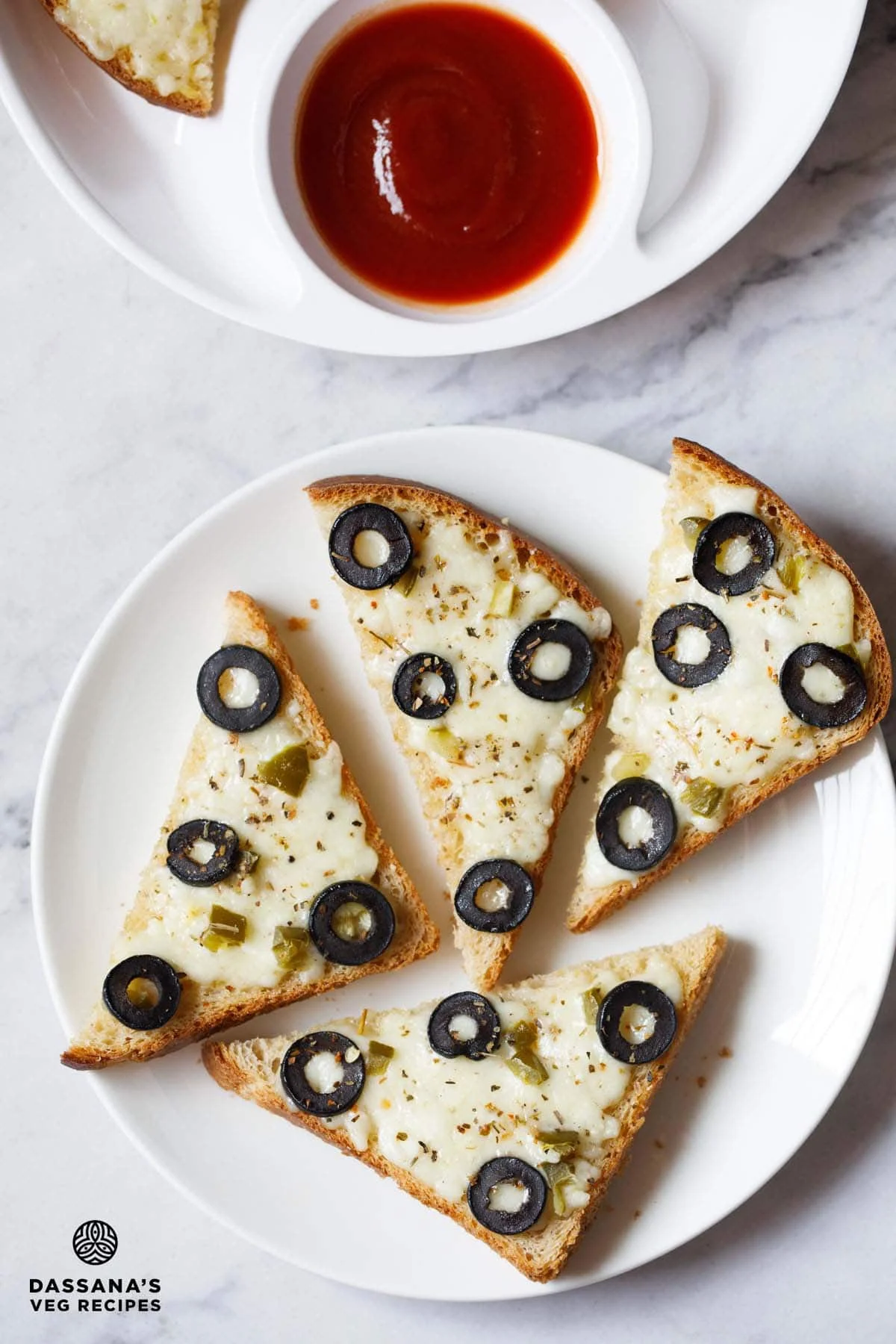
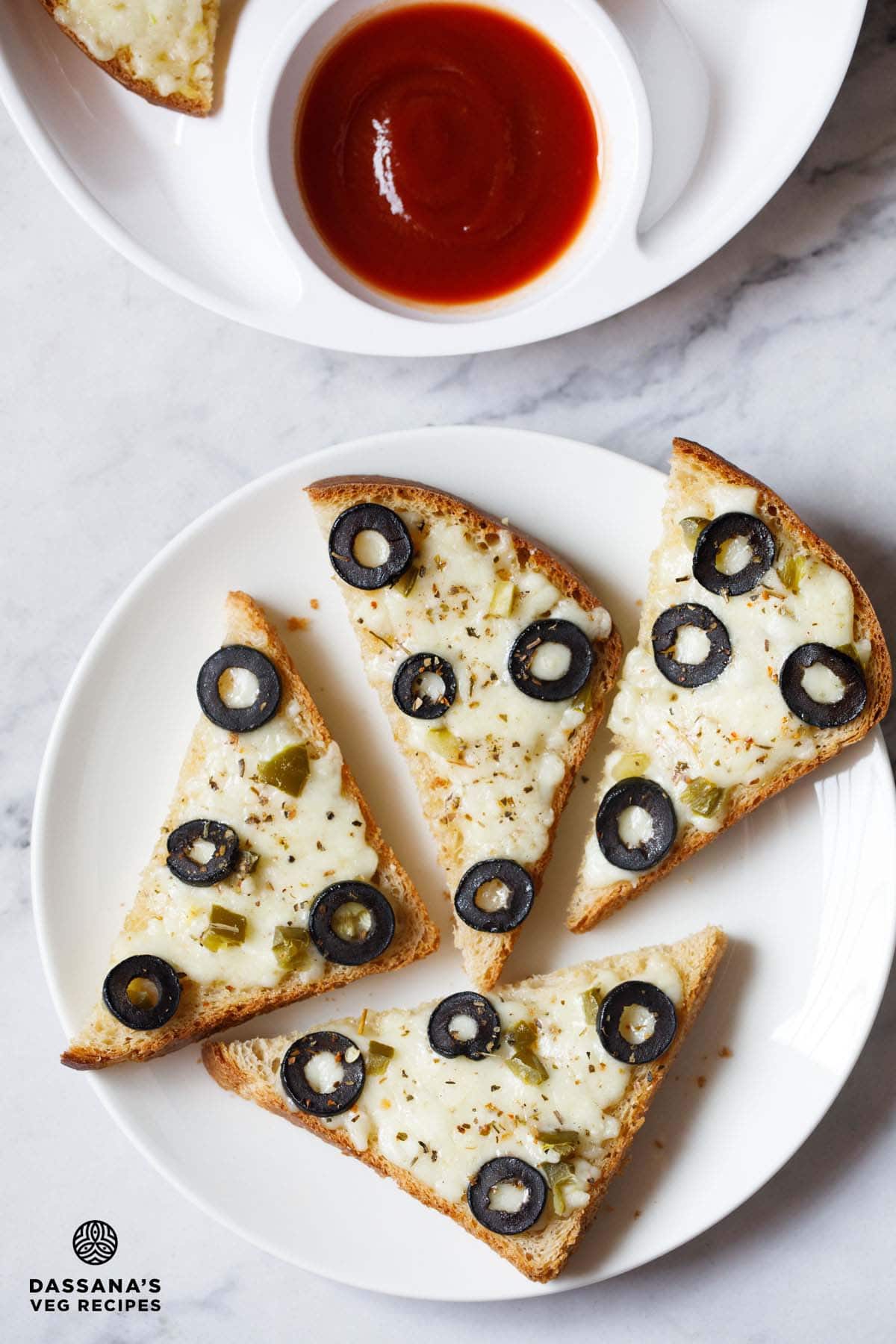
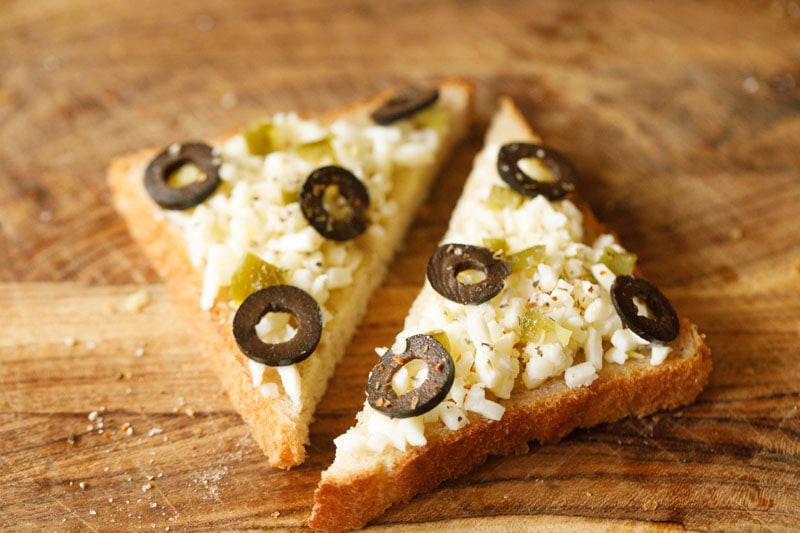
The second is the Modern Café Style. This variation reflects the globalization of the Indian palate, incorporating ingredients typically associated with Levantine or Mediterranean cuisines. Sliced black olives, pickled jalapeños, and dried oregano or "mixed herbs" replace the fresh ginger. This version prioritizes tanginess and aesthetic appeal, mirroring the offerings found in high-end coffee chains and artisanal bistros in metropolitan hubs like Mumbai, Delhi, and Bangalore.
Chronology: From Colonial Influence to Neighborhood Tradition
The history of bread-based snacks in South Asia is inextricably linked to the colonial era, but the "Indianization" of these items is a post-independence phenomenon.
The Colonial Introduction:
Wheat-based, leavened bread was popularized in India through British influence and the establishment of Parsi and Goan bakeries in the 19th and early 20th centuries. Initially, bread was a luxury or a niche dietary item. However, by the mid-20th century, white sliced bread became a ubiquitous breakfast item.
The Domestic Innovation (1970s–1990s):
As processed cheese became widely available in Indian markets, domestic cooks began experimenting. The Chilli Cheese Toast emerged as a "tea-time" solution. It was during this period that the "neighbor-auntie" phenomenon—as noted in many culinary memoirs—became the primary vehicle for recipe dissemination. The addition of ginger and green chillies was a logical extension of the Indian "tadka" or spice-base logic, applied to a Western medium.
The Café Revolution (2000s–Present):
With the rise of global coffee culture in India, the snack underwent a facelift. The "Jalapeño and Olive" variant emerged to cater to a younger demographic seeking international flavors. Today, the dish exists in a state of "culinary pluralism," where one might enjoy a ginger-heavy version at home while ordering a herb-crusted version at a local café.
Supporting Data: Technical Specifications and Nutritional Analysis
The success of a Chilli Cheese Toast depends on precise temperature management and ingredient ratios.
Thermal Dynamics:
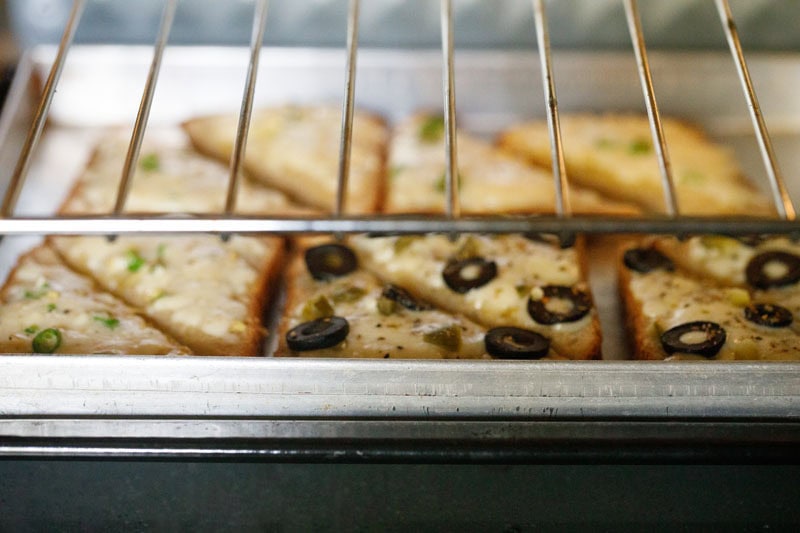
Professional preparation requires a preheated environment of 230°C (445°F). This high heat is essential for achieving the "Maillard reaction"—the chemical reaction between amino acids and reducing sugars that gives toasted bread its brown, flavorful crust—without over-dehydrating the cheese. A baking duration of 5 to 7 minutes is the "gold standard"; exceeding this window results in the cheese proteins tightening, leading to a chewy, rubbery texture rather than a creamy melt.
The Cheese Blend:
Data suggests that a 1:1 ratio of Cheddar to Mozzarella provides the optimal experience. Cheddar provides the sharp, salty flavor profile and the necessary oil content for richness, while Mozzarella contributes the "stretch" or elasticity that is visually and texturally synonymous with quality cheese toast.
Nutritional Profile (Per Serving):
A standard serving of Chilli Cheese Toast (approximately 3 pieces) contains:
- Calories: 239 kcal
- Total Fat: 22g (Saturated Fat: 13g)
- Protein: 9g
- Sodium: 642mg
- Carbohydrates: 2g (excluding the bread base)
While the dish is high in calcium (235mg) and Vitamin A (666 IU), its high sodium and saturated fat content categorize it as an "indulgent snack" rather than a dietary staple. However, the use of whole wheat bread and the inclusion of fresh ginger and chillies provide trace minerals and thermogenic properties that offer minor metabolic benefits.
Official Responses: Expert Culinary Insights
Culinary instructors emphasize that the "method of heat" is as important as the ingredients. While the oven is preferred for even melting, the "Tawa" (skillet) method remains the most popular "official" home response to hunger.
"The challenge with the skillet method," says one culinary consultant, "is the lack of overhead heat. To replicate the oven’s broiler effect, one must cover the skillet with a lid to trap steam and heat, ensuring the cheese melts before the bottom of the bread burns."
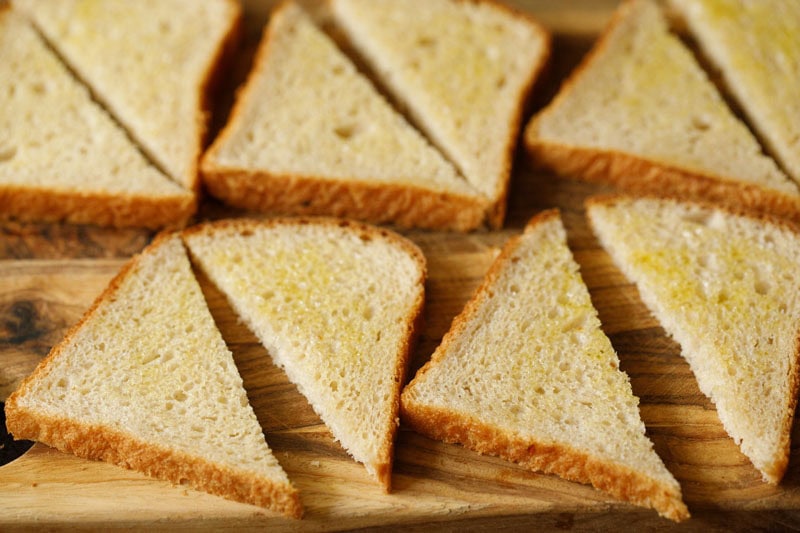
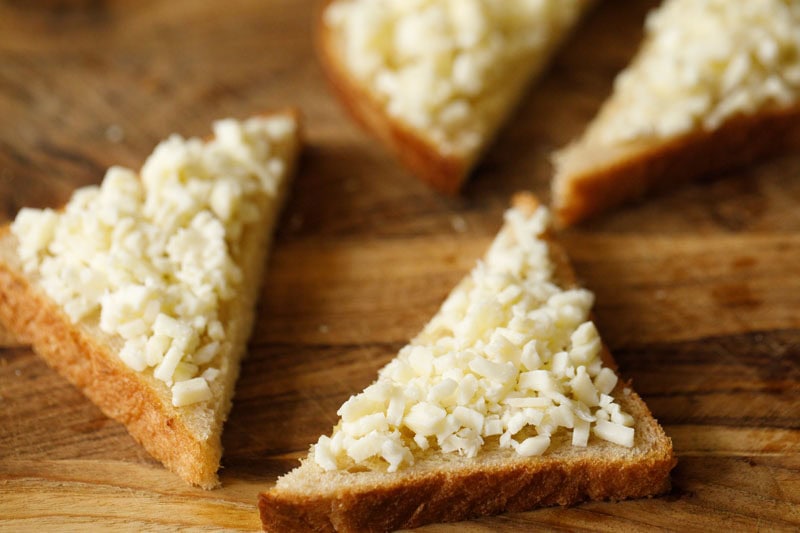
Furthermore, chefs advocate for the "Butter Barrier." Applying a layer of softened butter or olive oil to the bread before adding the cheese mixture serves a dual purpose: it acts as a moisture barrier to prevent the bread from becoming soggy from the cheese’s oils, and it facilitates a more uniform golden-brown toast.
Implications: The Future of Fusion Snacking
The enduring popularity of Chilli Cheese Toast carries several implications for the future of the food industry and domestic cooking habits.
1. The "Glocalization" of Comfort Food:
The shift from green chillies to jalapeños represents "glocalization"—the adaptation of global flavors to local formats. As supply chains make international ingredients more accessible, we can expect further iterations involving sundried tomatoes, pesto, or even sriracha-infused cheese blends.
2. The Rise of "Quick-Gourmet":
The modern consumer increasingly demands "high-reward, low-effort" meals. Chilli Cheese Toast fits this paradigm perfectly. It requires less than 10 minutes of preparation but offers a complex sensory experience (crunchy, soft, spicy, salty). This trend is driving the growth of "ready-to-toast" frozen cheese bread products in the retail sector.
3. Nostalgia as a Marketing Tool:
The "Indian-style" toast, with its ginger and black pepper, taps into "culinary nostalgia." Restaurants are increasingly putting these "homestyle" versions on their menus to appeal to consumers’ emotional connections to their childhood, proving that traditional flavor profiles can compete with modern, "café-style" aesthetics.
Conclusion
Chilli Cheese Toast is more than a simple assembly of bread and dairy; it is a culinary artifact that mirrors India’s journey from colonial influence to globalized modernity. Whether it is the sharp, warming bite of ginger in a quiet kitchen or the tangy, herb-laden slice in a bustling city café, the dish remains a masterpiece of textural contrast and flavor balance. As long as there is a need for a quick, satisfying, and spicy reprieve from the day, the Chilli Cheese Toast will continue to evolve, one crisp slice at a time.
Appendix: Helpful Tips for the Professional Home Cook
To achieve a result that rivals professional establishments, consider the following technical adjustments:
- Bread Selection: Use sturdy bread. Homemade whole wheat or sourdough provides a robust structure that can support the weight of the cheese without collapsing.
- The Grate Factor: Always grate cheese from a block. Pre-shredded cheeses are often coated in potato starch or cellulose to prevent clumping, which can interfere with a smooth, homogenous melt.
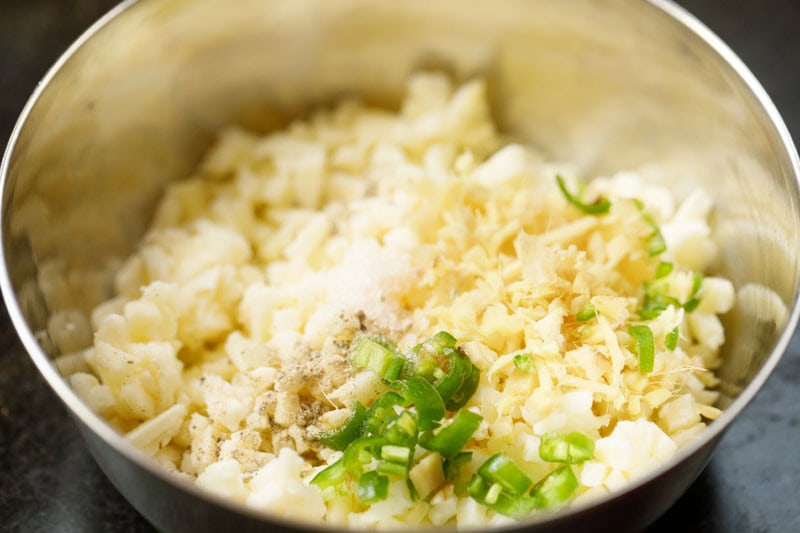
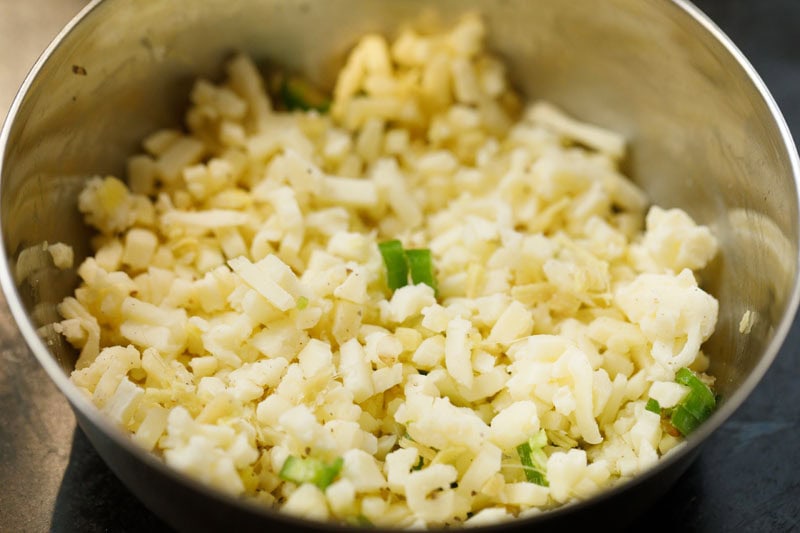
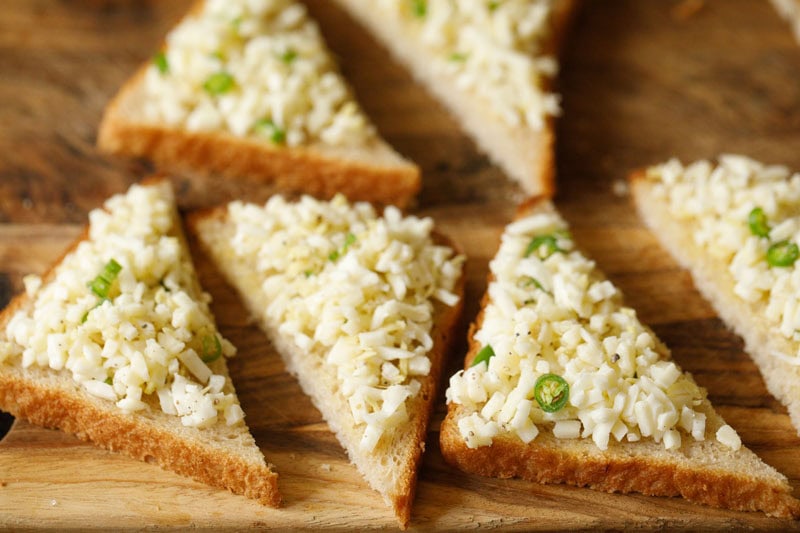
- Spice Distribution: Mix the spices and aromatics into the cheese before topping the bread. This ensures that every bite has an even distribution of heat and flavor.
- Serving Temperature: Chilli Cheese Toast should be served immediately. As the cheese cools, it loses its viscosity and the bread begins to absorb atmospheric moisture, compromising the "crunch factor."
