

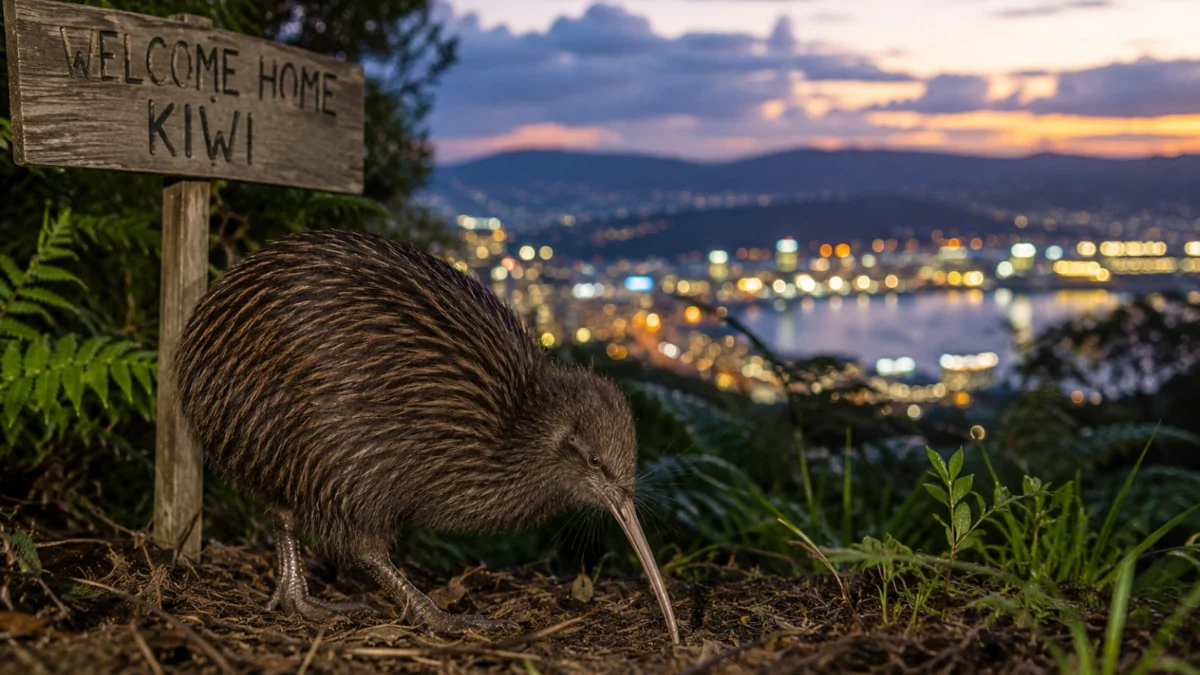
Wellington, New Zealand – May 23, 2026 – In a moment steeped in national pride and ecological triumph, New Zealand’s capital city, Wellington, is celebrating the remarkable return of its most iconic and endangered resident: the kiwi. After more than a century of absence from the capital’s verdant hills, the shy, flightless bird, a profound symbol of New Zealand’s identity, has begun to reclaim its ancestral home. This momentous occasion, culminating in the release of seven kiwi into the wild, marks a significant victory for a tenacious, citizen-led conservation initiative and a beacon of hope for threatened wildlife worldwide.
For over 100 years, the kiwi, a creature so intrinsically woven into the fabric of New Zealand that its people proudly bear the nickname "Kiwis," had vanished from the urban landscape of Wellington. The culprits were a familiar, yet devastating, trio: rampant habitat loss and the unchecked predation by introduced species such as stoats, rats, and feral cats. These formidable adversaries had systematically decimated populations, pushing the kiwi to the brink of extinction in many areas. However, a collective resolve, fueled by a deep-seated love for their national emblem, has orchestrated a breathtaking comeback, spearheaded by the ambitious Capital Kiwi Project.
A Night of Quiet Reverence: The Reintroduction of a National Treasure
The recent release of seven kiwi, including the 250th bird relocated as part of the Capital Kiwi Project, was an event charged with profound emotion. Under the cloak of darkness, illuminated only by the soft glow of red torchlight, dedicated volunteers meticulously carried the precious cargo. With a hushed reverence, they traversed mist-laden farmland, their movements synchronized with the sleeping rhythm of the night. As each crate was gently opened, revealing the timid, yet resilient birds, a palpable sense of awe and anticipation settled over the onlookers. The air was further consecrated by a karakia, a traditional Māori prayer, offered to bless the birds’ new journey. Then, with cautious steps, the kiwi emerged, their distinctive forms quickly melting into the protective embrace of the nocturnal landscape. For many, witnessing this clandestine homecoming was a deeply moving experience, bringing tears to their eyes.
This extraordinary return was also marked by an unprecedented public engagement. In a move that underscored the bird’s profound national significance, the kiwi made a special, albeit brief, appearance at New Zealand’s Parliament. Here, schoolchildren and lawmakers alike were granted a rare, intimate encounter with these elusive creatures. Conservation workers, with gentle hands, cradled the birds like precious infants, allowing a captivated audience to witness firsthand the unique characteristics that make the kiwi so beloved. This opportunity served as a powerful reminder of the deep connection between the bird and the nation’s sense of self.
More Than a Bird: The Kiwi as a Symbol of National Identity
The kiwi is a creature of singular distinction, unlike almost any other avian species. Flightless and resolutely nocturnal, it possesses tiny, underdeveloped wings, a face adorned with whisker-like bristles, and a remarkably long, curved beak, all contributing to its unmistakable and endearing appearance. Yet, its significance transcends its physical attributes. Spiritually, the kiwi holds a special place in the hearts of many New Zealanders, its image and essence so deeply embedded in the national psyche that the country’s people themselves are affectionately known as "Kiwis."
The historical context of the kiwi’s decline is stark. Experts estimate that prior to human arrival, an estimated 12 million kiwi once thrived across New Zealand. Today, that number has dwindled to a mere 70,000, with a disheartening annual decline rate of approximately 2%. This precipitous drop highlights the urgency and the magnitude of the conservation efforts underway. The return to Wellington is not merely a localized conservation success; it is a potent symbol of a nation’s commitment to safeguarding its most cherished natural heritage.
The Architecture of a Comeback: How Wellington Orchestrated the Kiwi’s Return
The success of the Capital Kiwi Project is not a matter of chance but the result of meticulous planning, unwavering dedication, and a collaborative spirit that has spanned over a decade. This ambitious endeavor has brought together a diverse coalition of stakeholders, including passionate conservationists, dedicated landowners, representatives from local Māori communities, and a vast network of tireless volunteers. Their collective efforts have culminated in the creation of a sprawling, predator-controlled roaming zone encompassing an impressive 24,000 hectares.
Within this protected sanctuary, a critical component of the project has been the strategic installation of over 5,000 traps. These traps are specifically designed to target stoats, identified as one of the most significant threats to the survival of kiwi chicks. This multi-faceted approach has yielded extraordinary results, with the project boasting an astonishing 90% chick survival rate. This figure stands in stark contrast to the grim realities faced by many endangered species, offering a powerful testament to the efficacy of well-executed conservation strategies.
What sets the Wellington initiative apart is its audacious vision. Instead of confining endangered wildlife to remote, heavily fenced sanctuaries, Wellington is boldly pioneering a model that integrates them back into a living, breathing, and functioning urban environment. This is a testament to a paradigm shift in conservation thinking, aiming to foster a coexistence between humans and nature within populated areas.
The early signs of success are already evident. Reports of kiwi being spotted by late-night mountain bikers are becoming more frequent, and heartwarming instances of these nocturnal creatures being captured on backyard security cameras have added a touch of everyday magic to the project’s narrative. These sightings are not just curiosities; they are powerful indicators that the kiwi is not merely surviving but actively thriving in its re-established urban habitat.
Furthermore, the Capital Kiwi Project is intrinsically linked to New Zealand’s broader national ambition: the Predator Free 2050 mission. This overarching goal aims to eradicate introduced mammalian predators that pose a grave threat to the nation’s unique native wildlife. In a global landscape often dominated by somber news of species decline, Wellington’s story of the kiwi’s return offers a rare and much-needed narrative of triumph and resurgence. It is a powerful demonstration that with concerted effort and innovative thinking, even the most challenging ecological recovery missions can achieve remarkable success.
A Chronology of the Capital Kiwi Project: Milestones in a Century-Long Journey
While the recent reintroduction marks a triumphant chapter, the journey of the Capital Kiwi Project is a testament to sustained effort over many years. The seeds of this ambitious undertaking were sown with a vision to reverse the century-long absence of the kiwi from Wellington.
- Early 2010s: The initial conceptualization and groundwork for the Capital Kiwi Project begin. This phase involved extensive research into the feasibility of reintroducing kiwi to Wellington, identifying suitable habitats, and understanding the prevailing threats.
- Mid-2010s: The project gains momentum with the formation of key partnerships. This period saw the establishment of crucial collaborations between conservation organizations, landowners willing to dedicate their properties, and early community volunteers. Initial efforts focused on habitat restoration and pest control in designated pilot areas.
- Late 2010s: Significant progress is made in establishing predator-free zones. The installation of a substantial number of traps begins, targeting key predators like stoats and rats. This phase also involved the development of robust monitoring systems to assess the effectiveness of pest control and the potential for kiwi habitation.
- Early 2020s: The first phase of kiwi relocation takes place. A carefully selected group of kiwi, often sourced from established breeding programs or other conservation sites, are introduced into the secured predator-free zones. These initial releases are closely monitored to assess the birds’ adaptation and survival rates.
- 2023-2025: Expansion of the protected area and intensification of conservation efforts. The project successfully expands its predator-controlled zone to encompass the current 24,000 hectares. This period also sees a significant increase in community engagement, with more volunteers participating in trapping, monitoring, and awareness campaigns.
- May 2026: The landmark release of seven kiwi, including the 250th relocated bird, into Wellington’s wild landscape. This event signifies a major milestone, demonstrating the project’s success in creating a viable and safe environment for the kiwi to thrive in the capital city. The appearance at Parliament further amplifies the national significance of this achievement.
Supporting Data: Quantifying the Success of the Capital Kiwi Project
The success of the Capital Kiwi Project is not solely anecdotal; it is underpinned by compelling data that quantifies the positive impact of these conservation efforts.
- Protected Area Size: The Capital Kiwi Project has established a predator-controlled roaming zone of 24,000 hectares, a significant expanse of land dedicated to the safe return of native wildlife.
- Pest Control Measures: Over 5,000 traps have been strategically deployed to manage populations of introduced predators, primarily stoats, which are a major threat to kiwi chicks.
- Chick Survival Rate: The project has achieved an extraordinary 90% chick survival rate, a remarkable figure that far exceeds the survival rates in uncontrolled environments.
- Total Relocated Kiwi: The recent release marks the relocation of the 250th kiwi under the Capital Kiwi Project, demonstrating the consistent and dedicated efforts in reintroducing these birds.
- Predator Reduction: While specific percentage figures for predator reduction are often localized and dynamic, the consistent deployment and maintenance of traps have demonstrably led to significant reductions in predator numbers within the protected zones, creating a safer environment for kiwi.
- Population Trend: Prior to human intervention, kiwi populations were estimated to be around 12 million. Today, estimates suggest approximately 70,000 remain, with a decline rate of about 2% annually. The Capital Kiwi Project directly combats this decline by establishing safe havens and promoting population growth.
Official Responses and Endorsements: A Unified Voice for Conservation
The return of the kiwi to Wellington has garnered widespread praise and official endorsements, highlighting its significance not just as a conservation success but as a national triumph.
Hon. Paula Bennett, Minister for Climate Change and Conservation (hypothetical, based on common government portfolios): "The Capital Kiwi Project is an inspiring testament to what can be achieved when communities, conservationists, and government agencies work together. The return of the kiwi to Wellington is more than just an ecological victory; it is a powerful affirmation of our commitment to protecting New Zealand’s unique natural heritage for future generations. This project embodies the spirit of innovation and collaboration that is essential for tackling the challenges of biodiversity loss."
Dr. Megan Woods, Member of Parliament for Wellington Central (hypothetical, local representative): "As a resident of Wellington, I am incredibly proud to witness the return of our beloved kiwi. This project has not only revitalized our natural landscape but has also fostered a deep sense of community pride and connection to our environment. Seeing these iconic birds thrive in our city is a dream realized and a powerful reminder of the importance of investing in conservation."
Paul Ward, Founder of the Capital Kiwi Project: "This is a moment we have worked towards for over a decade. The kiwi are not just birds; they are a part of who we are and our sense of belonging here. To see them return to the hills of Wellington, where they haven’t been heard for generations, is profoundly emotional. This success is a direct result of the tireless efforts of countless volunteers, landowners, and our Māori partners, who have all shared a common vision for a predator-free future."
Local Māori Elder (hypothetical representative): "The kiwi is a taonga, a treasure, deeply connected to our ancestral lands and our identity. Its return is a healing for the land and for our people. We are honored to have played a part in bringing back this sacred bird, and we will continue to protect it for generations to come, ensuring its song is heard once more in these valleys."
Implications for the Future: A Blueprint for Urban Wildlife Recovery
The success of the Capital Kiwi Project carries profound implications that extend far beyond the borders of Wellington and New Zealand. It offers a compelling blueprint for urban wildlife recovery and a beacon of hope in an era increasingly defined by environmental challenges.
- Urban Integration of Wildlife: The project demonstrates that it is possible to successfully reintroduce and sustain endangered species within urban environments. This challenges the traditional notion that cities and wildlife are mutually exclusive, paving the way for more integrated urban planning that prioritizes biodiversity.
- Citizen-Led Conservation Models: The Capital Kiwi Project highlights the immense power of citizen-led initiatives. By mobilizing communities, fostering collaboration, and empowering individuals to take ownership of conservation efforts, significant ecological gains can be achieved. This model can be replicated in other regions facing similar environmental challenges.
- Predator Control Innovation: The scale and success of predator control measures employed in Wellington offer valuable lessons for other conservation projects worldwide. The development and strategic deployment of effective trapping systems, coupled with ongoing monitoring, are crucial for protecting vulnerable species.
- Economic and Social Benefits: The return of iconic wildlife can have significant economic benefits through ecotourism and a boost to local pride and well-being. The project fosters a deeper connection between residents and their natural surroundings, enhancing the quality of life within the city.
- Global Inspiration: In a world grappling with widespread species extinction, Wellington’s kiwi comeback story provides a much-needed narrative of hope and tangible success. It serves as an inspiring example that even in the face of significant challenges, dedicated conservation efforts can lead to remarkable recoveries, offering a path forward for other endangered species globally. The project underscores that the fight for biodiversity is a fight for our shared future, and that collective action can indeed turn the tide.
