

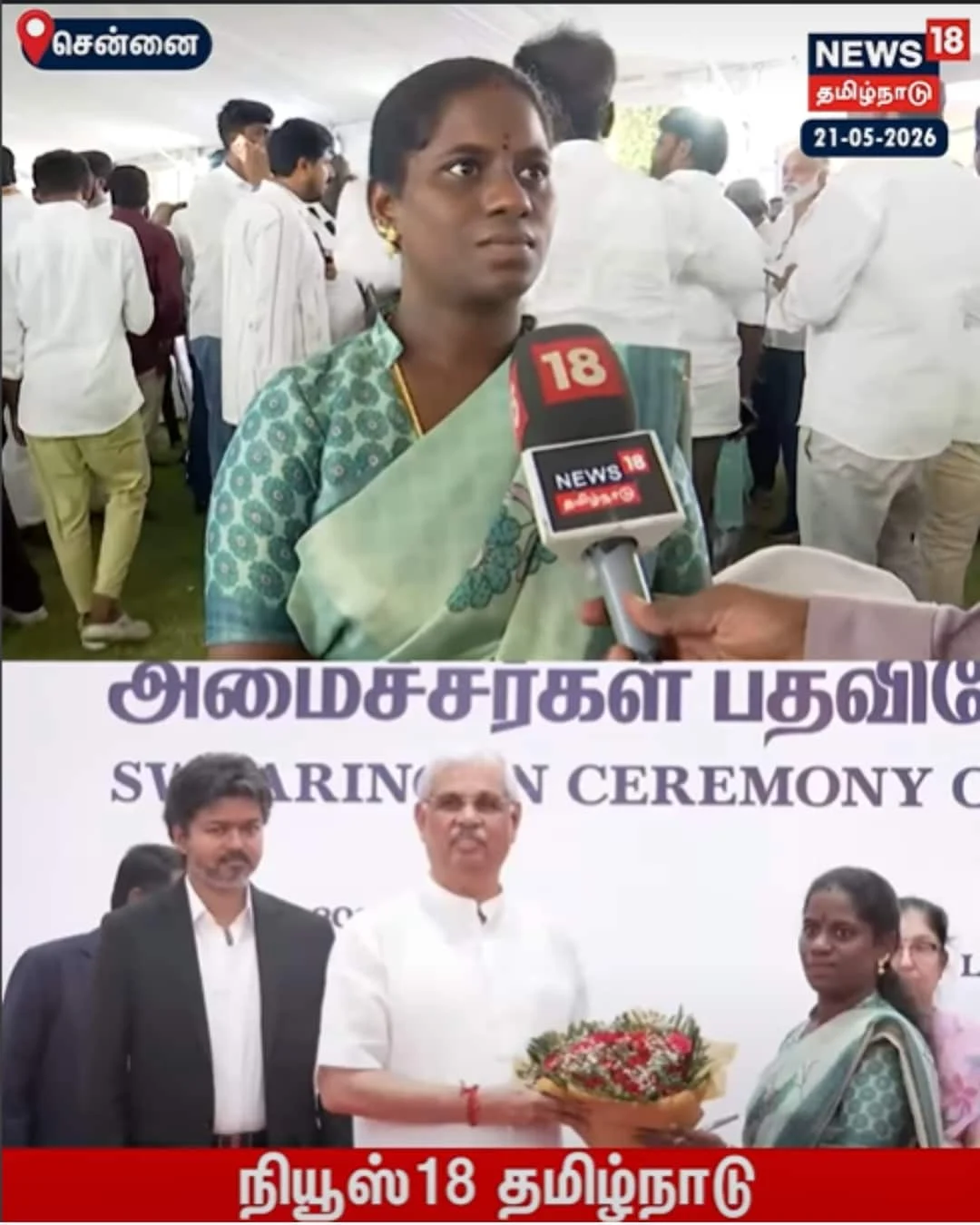
Her ascent is not merely a personal triumph but a significant development for the nascent Tamilaga Vettri Kazhagam (TVK) and a powerful symbol for women, youth, and marginalized communities in Indian politics. Kamali’s victory in the Avanashi (SC) constituency, coupled with her subsequent cabinet induction, signals a deliberate shift by CM Vijay to inject fresh blood and broaden the party’s social representation.
A Journey Forged in Determination: From Classroom to Cabinet
Kamali’s story defies conventional political trajectories, painting a vivid picture of ambition fueled by a deep connection to the community and an unwavering spirit. Before her foray into the demanding world of electoral politics, she was known primarily within her local community as a dedicated educator, imparting knowledge from a tuition classroom.
Early Life and Academic Foundations
Born into a Scheduled Caste community, S. Kamali’s early life was characterized by a pursuit of education, which she saw as a pathway to empowerment. She earned a Master’s degree in English Literature, a testament to her academic diligence and intellectual curiosity. Following this, she pursued a Bachelor of Education (B.Ed.) degree, solidifying her commitment to teaching. For years, she reportedly served as a tuition teacher, guiding younger students and contributing to the educational upliftment of her locality. This background in education, often a grounding experience in community interaction and problem-solving, would later prove invaluable in her political career. Her experience as a teacher provided her with an intimate understanding of the aspirations and struggles of ordinary families, particularly those striving for better opportunities for their children. It instilled in her a pragmatic approach and the ability to connect with people on a personal level, skills that would become her strongest assets on the campaign trail.
The Call to Public Service: Entry into TVK
The precise catalyst for Kamali’s entry into mainstream politics remains a subject of public fascination. While many political figures have decades of organizational experience, Kamali’s transition appears to have been remarkably swift. Sources close to the TVK suggest that Chief Minister C. Joseph Vijay, known for his unconventional approach and desire to cultivate new leadership, was actively scouting for young, educated, and relatable faces, particularly from underrepresented sections. Kamali, with her strong academic background, community ties, and an evident passion for social justice, fit this profile perfectly. Her decision to join the Tamilaga Vettri Kazhagam, a party launched by the popular actor-turned-politician Vijay, marked a significant turning point. It suggested an alignment with Vijay’s vision for a politics rooted in the common man’s welfare and a rejection of traditional political hierarchies. Her initial involvement with TVK was reportedly at a grassroots level, where her organizational skills and ability to mobilize local support quickly caught the attention of the party leadership, paving the way for her candidacy in the crucial Avanashi (SC) constituency.
The Avanashi Battleground: A Goliath Slain
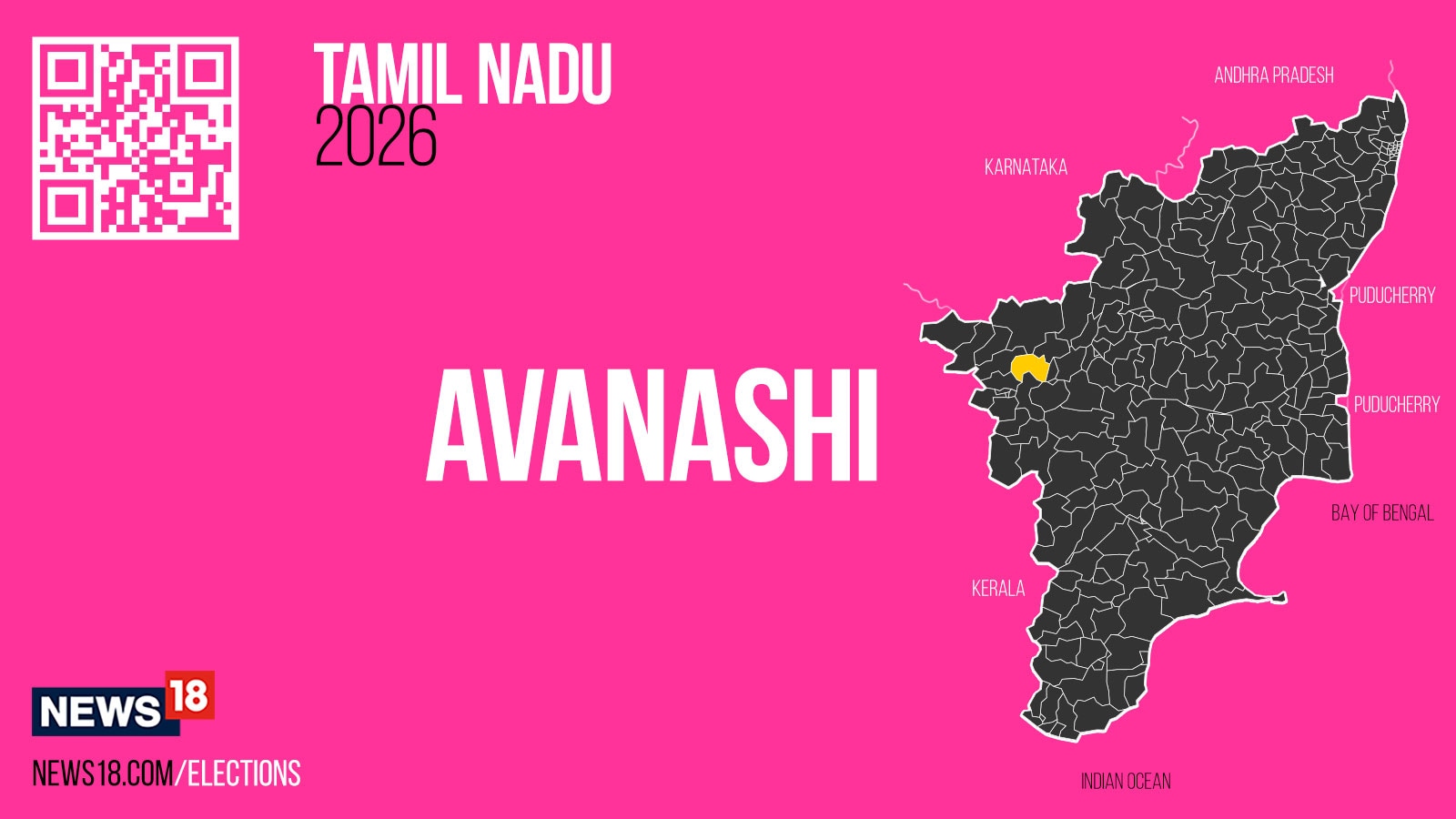
The Avanashi (SC) constituency, located in the industrial heartland of Tiruppur district, became the theatre for one of the 2026 Assembly elections’ most gripping contests. It was here that Kamali, a political novice, faced down a seasoned political heavyweight, Union Minister L. Murugan of the Bharatiya Janata Party (BJP).
The Constituency of Avanashi (SC)
Avanashi, a constituency reserved for the Scheduled Caste community, holds significant socio-economic and political importance. Tiruppur district is renowned as the ‘Textile City’ or ‘Knitwear Capital’ of India, driving a substantial portion of the state’s industrial economy. The constituency, therefore, encompasses a diverse demographic—from industrial workers and small entrepreneurs to agricultural communities and traditional weavers. The reservation for SC candidates underscores the historical and ongoing need for dedicated representation for these communities. While the industrial prosperity of Tiruppur offers opportunities, it also brings challenges such as migrant labor issues, environmental concerns, and the equitable distribution of development benefits. Historically, Avanashi has seen varied political allegiances, often swinging between major Dravidian parties, but the presence of a Union Minister this time around elevated its profile considerably.
Confronting a Union Minister: The Stature of L. Murugan
Dr. L. Murugan was not just any opponent; he was a prominent national figure, holding a Union Ministerial portfolio in the central government and a former state president of the BJP in Tamil Nadu. His presence lent significant weight to the contest, making it a high-stakes battle. Defeating such an entrenched and high-profile figure requires not just local support but also a substantial wave of anti-incumbency or a compelling alternative narrative. Political analysts had largely predicted a tough fight, with many believing Murugan’s national stature and the BJP’s organizational machinery would give him an insurmountable advantage. Kamali, representing a relatively new state party, was seen by many as an underdog in the truest sense. Her victory, therefore, was not just a win for TVK but a powerful statement against political establishment and a testament to the electorate’s willingness to embrace fresh leadership.
The Campaign Trail: Motherhood and Mandate
Perhaps the most iconic and emotionally resonant aspect of Kamali’s campaign was her decision to actively canvass across the Avanashi constituency with her four-month-old baby in tow. Images and videos of Kamali, often seen cradling her infant while addressing rallies or engaging with voters, quickly went viral on social media, becoming a potent symbol of her dedication and relatability. This personal touch resonated deeply with a wide spectrum of voters, particularly women and young mothers, who saw in her a reflection of their own struggles to balance professional aspirations with family responsibilities.
The act challenged traditional perceptions of women in politics, breaking the stereotype that a woman must choose between public service and motherhood. It highlighted the immense sacrifices and dual roles that women often undertake. While some might have viewed it as a vulnerability, Kamali transformed it into a strength, demonstrating her commitment to her family and her constituents simultaneously. This unique approach garnered significant media attention, drawing both sympathy and admiration, and undeniably contributed to her widespread appeal. It humanized her campaign, making her approachable and memorable in a crowded political landscape.
The Verdict: A Resounding Victory
When the votes were tallied on April 23, 2026, the results sent shockwaves through the political establishment. S. Kamali secured a remarkable 84,209 votes, decisively defeating Union Minister L. Murugan by a margin of 15,373 votes. This outcome was immediately hailed as one of the biggest upsets of the 2026 Tamil Nadu Assembly elections. The constituency, which saw a high-voltage contest involving 14 candidates from various parties including the DMK, NTK, BSP, and numerous independents, witnessed an exceptional voter turnout. Avanashi registered an impressive 91.13% polling, a significant increase from 75.18% in the 2021 elections. This surge in voter engagement suggests a highly energized electorate, keen on expressing its preferences and perhaps, a desire for change. Kamali’s victory margin, against a national figure, underscored not only her personal appeal but also the efficacy of TVK’s grassroots strategy and the electorate’s receptiveness to new political voices. The result confirmed that a compelling narrative and genuine connection with the populace could indeed overcome established political might.
Ascending to the Cabinet: A Strategic Move by Chief Minister Vijay
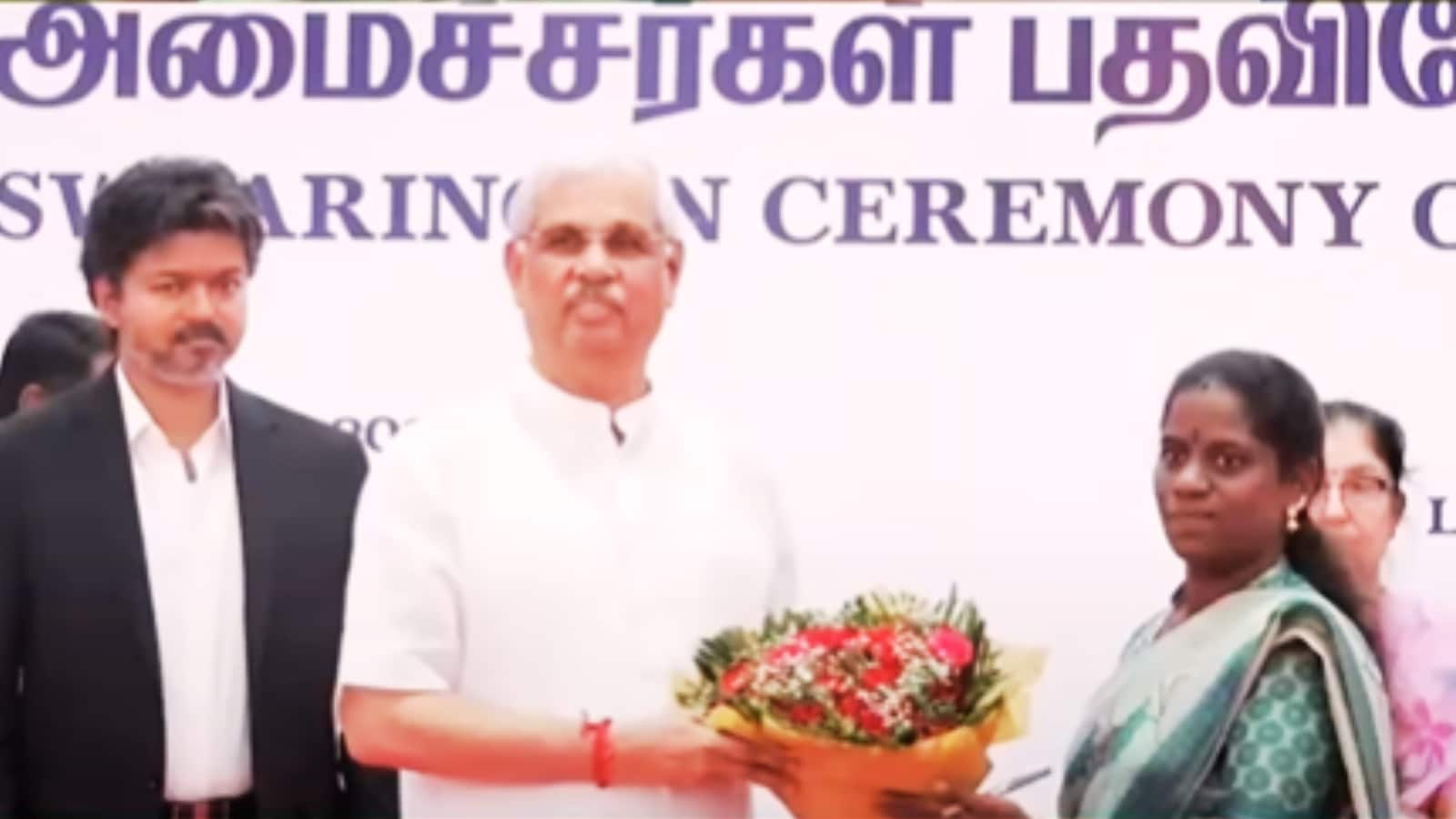
Kamali’s journey did not end with her legislative victory. Her subsequent induction into Chief Minister C. Joseph Vijay’s cabinet marked another significant milestone, cementing her status as a rising star and a key player in the new government.

The Youngest Minister: Animal Husbandry Portfolio
As one of the youngest ministers in Tamil Nadu’s history, Kamali’s appointment to the Animal Husbandry Department carries both symbolic and practical weight. The portfolio is crucial in a state with a large rural population where livestock farming (dairy, poultry, sheep, goats) forms a significant part of the agricultural economy and provides livelihoods for millions. Responsibilities include animal health and welfare, dairy development, livestock breeding, and promoting modern farming practices. For a first-time MLA, this department offers a substantial challenge and an opportunity to make a tangible impact on rural communities. Her academic background in English Literature and Education might not directly align with Animal Husbandry, but her reported dedication and ability to learn quickly, combined with her grassroots understanding, are expected to serve her well. Her youth and energy are seen as assets that can bring fresh perspectives and innovative solutions to the department’s operations.
CM Vijay’s Vision for TVK: Promoting Youth and Social Representation
Chief Minister C. Joseph Vijay’s decision to include Kamali in his cabinet is widely interpreted as a calculated and strategic move. It aligns perfectly with his stated vision for the Tamilaga Vettri Kazhagam: to nurture and promote young, dynamic grassroots leaders, thereby infusing new energy and ideas into the political system. By elevating Kamali, a 28-year-old Dalit woman from a non-political background, Vijay sends a powerful message about inclusivity and opportunity within TVK. This move aims to strengthen the party’s social representation, particularly among youth, women, and Scheduled Castes, demonstrating a commitment to empowering marginalized communities beyond mere rhetoric. It positions TVK as a progressive party, distinct from older, more entrenched political formations, and potentially broadens its appeal across diverse demographic segments. This strategy could be instrumental in establishing TVK as a formidable and forward-looking political force in Tamil Nadu for years to come.
Broader Implications and Future Trajectories
S. Kamali’s emergence has triggered a wide range of discussions and analyses regarding its potential impact on Tamil Nadu politics and society at large.
A Beacon for Women in Politics
Kamali’s story, especially her campaign with her infant, serves as a powerful source of inspiration for women across India. It challenges the deeply ingrained societal expectations that often deter women from entering public life, particularly those with young families. Her success demonstrates that it is possible to balance demanding personal and professional roles, and that motherhood can be an asset rather than a hindrance in public service. Her narrative could encourage more women to break traditional barriers and actively participate in politics, fostering a more inclusive and representative democracy. Political commentators suggest that Kamali has inadvertently become a symbol of modern womanhood—resilient, ambitious, and unapologetically multifaceted.
Strengthening Dalit Representation
As a Dalit woman minister, Kamali’s appointment holds profound significance for the cause of Dalit representation in Tamil Nadu. While the state has a history of progressive movements, substantive representation of Dalits, particularly Dalit women, in high-level ministerial positions has often been a challenge. Her presence in the cabinet provides a powerful voice and a visible role model for a community that has historically faced systemic discrimination. It moves beyond tokenism, reflecting a deliberate effort by the TVK government to ensure that marginalized communities are not just voters but also active decision-makers in governance. This could potentially lead to more targeted policies and a greater focus on issues affecting Dalit communities, contributing to greater social equity.
The Evolving Political Landscape of Tamil Nadu
The rise of TVK, spearheaded by figures like Kamali, signals a notable shift in Tamil Nadu’s political landscape. For decades, the state has been dominated by two major Dravidian parties. TVK’s ability to challenge and defeat established players, particularly by promoting young, grassroots leaders, suggests a growing appetite among the electorate for fresh alternatives. Kamali’s story embodies this new wave, indicating that charisma, relatable narratives, and a commitment to new-age politics can resonate deeply with voters. This dynamic could lead to a more multi-polar political environment, fostering greater competition and potentially more responsive governance. It also highlights the growing influence of youth voters and first-time political entrants, reshaping the traditional power structures.
Navigating the Pressures of Governance
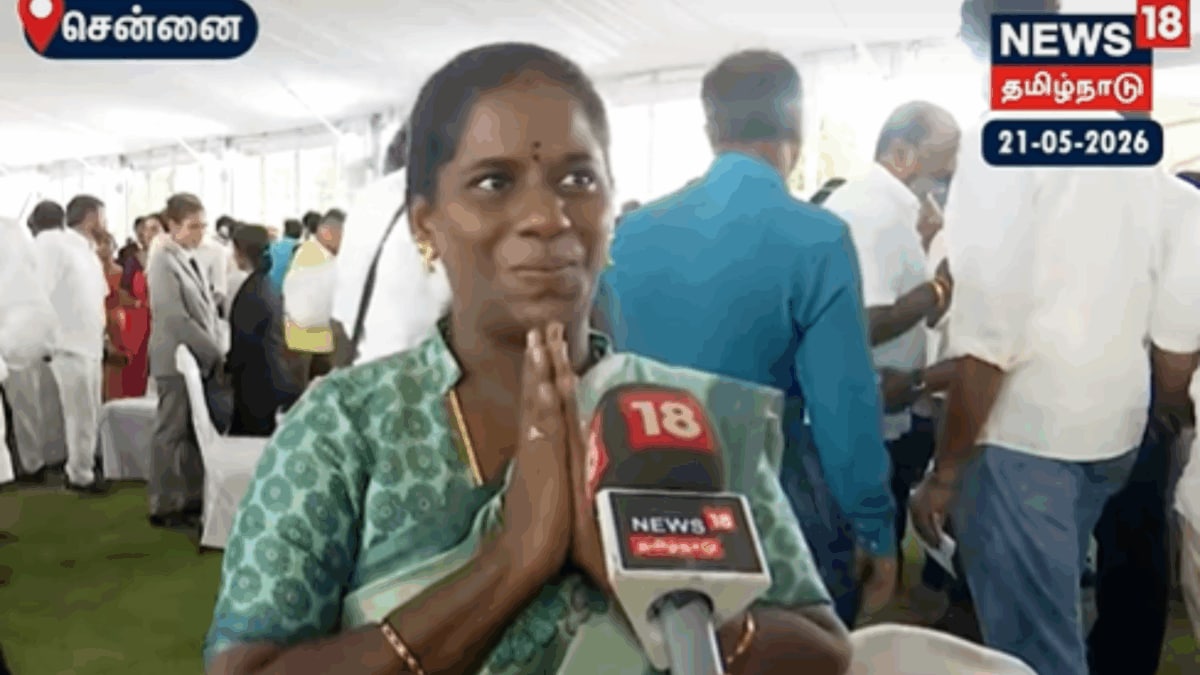
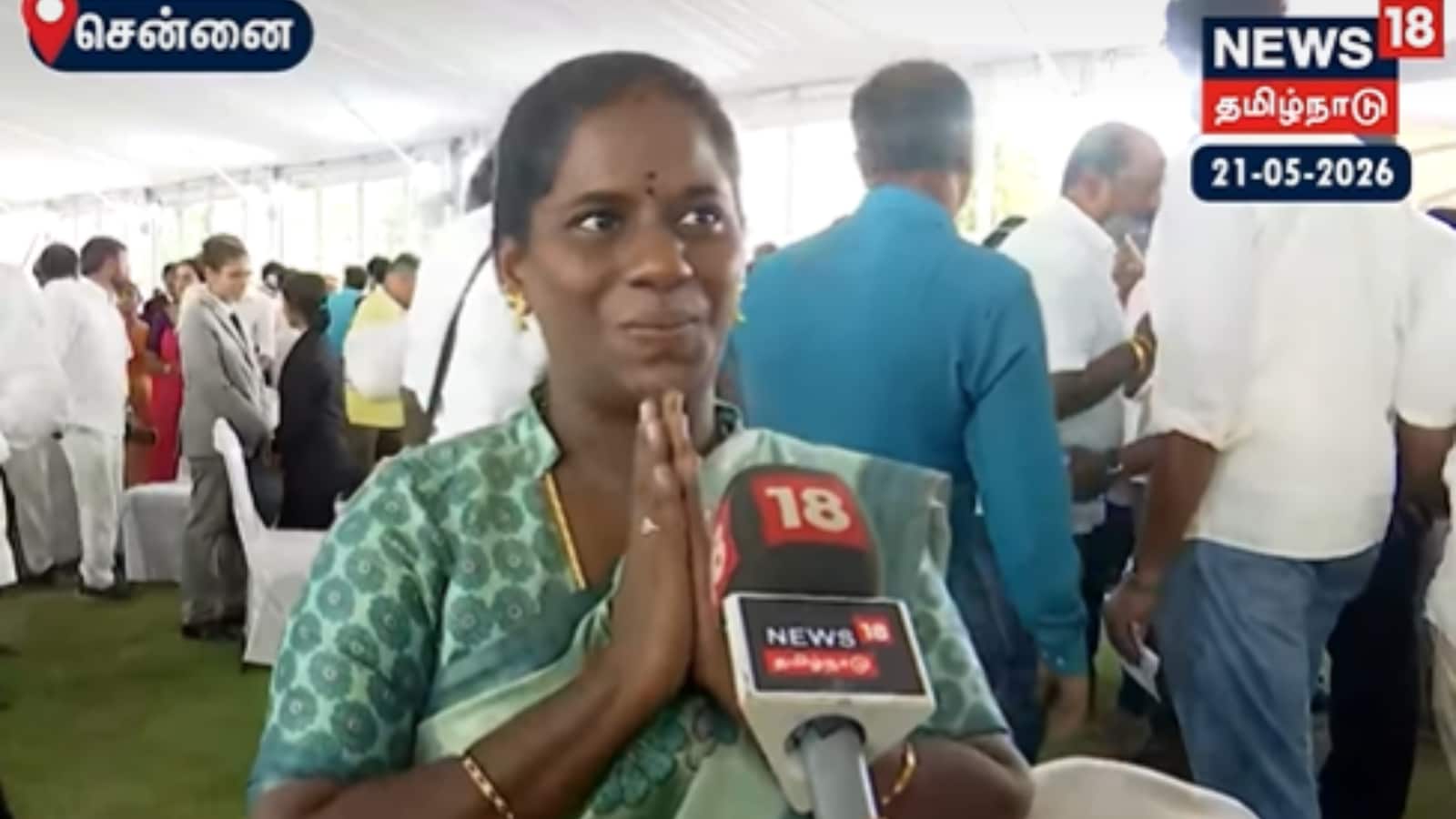
Stepping into a ministerial role, especially as a first-time MLA, comes with immense pressures and responsibilities. Kamali, in recent interactions, has expressed confidence in her ability to handle these challenges, crediting the complete backing of Chief Minister Vijay. "The Chief Minister has shown immense faith in me, and I am committed to learning quickly and delivering results for the people of Tamil Nadu," she reportedly stated in an interview. Her rapid rise will undoubtedly place her under intense public and media scrutiny. The transition from campaigning to administration requires a different skill set—strategic planning, bureaucratic navigation, policy implementation, and crisis management. Her ability to adapt and excel in this new role will be crucial for her political future and for the TVK’s long-term credibility.
Expert Perspectives and Public Reception
Kamali’s story has not only captured public imagination but also drawn considerable attention from political analysts and social commentators.
Voices from the Ground
In Avanashi, the sentiment among constituents is largely one of pride and hope. "She walked among us, understood our problems, and even with her baby, she showed us her dedication," said a local farmer, S. Muthusamy. "To see her now as a minister, it gives us hope that our voices will finally be heard." Women voters, in particular, express a deep sense of connection. "Seeing her campaign with her baby made me feel like she truly understands the struggles of ordinary women," commented R. Selvi, a textile worker. "Her success proves that women can achieve anything."
Analyst Insights
Dr. Priya Raman, a political science professor at Madras University, offered her perspective: "Kamali’s victory is more than just an electoral win; it’s a sociological phenomenon. Her narrative embodies the aspirations of a new generation—educated, pragmatic, and seeking genuine representation. CM Vijay’s decision to induct her into the cabinet is a masterstroke, signaling TVK’s commitment to inclusive politics and youth empowerment. It’s a clear message that merit and grassroots appeal can trump dynastic politics or traditional political muscle."
Echoing this, senior journalist K. Murali noted, "The image of Kamali campaigning with her baby was incredibly powerful. It transcended party lines and spoke to the universal human experience. It was authentic and resonated deeply. Her rise also highlights the growing demand for fresh faces in Tamil Nadu politics, where voters are increasingly looking beyond established players for meaningful change. Her performance in the Animal Husbandry portfolio will now be closely watched as a gauge of this new generation’s administrative capabilities."
Conclusion
S. Kamali’s journey from a tuition classroom to a cabinet minister, marked by a historic electoral victory and an inspiring campaign, is undoubtedly one of the most compelling narratives to emerge from the 2026 Tamil Nadu Assembly elections. At 28, she stands as a symbol of youth empowerment, gender equality, and inclusive representation. Her rapid ascent not only reflects her individual determination but also Chief Minister C. Joseph Vijay’s strategic vision for the Tamilaga Vettri Kazhagam, aiming to redefine political engagement in the state. As she embarks on her new role as the Minister for Animal Husbandry, all eyes will be on Kamali to see how this dynamic young leader navigates the complexities of governance and continues to inspire a new generation of political aspirants. Her story is not just turning heads; it is setting a new precedent for what is possible in Indian politics.
