

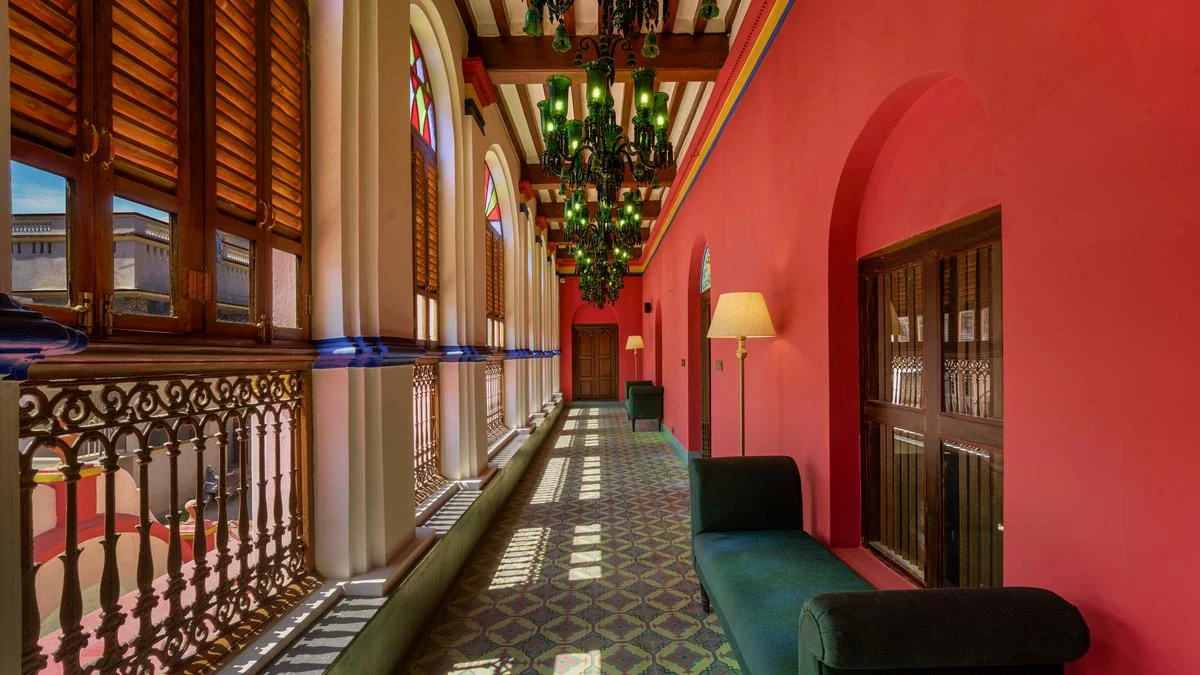
In the sun-drenched plains of Tamil Nadu, the region of Chettinad is currently experiencing a profound cultural renaissance. Its distinctive aesthetic—a maximalist blend of Victorian grandeur, Art Deco flair, and traditional Dravidian architecture—has become a coveted status symbol for architects, interior designers, and luxury homeowners worldwide. Yet, this very popularity has birthed a tragic irony: as the world falls in love with the Chettinad style, the original mansions that define the region are being systematically dismantled, their "bones" sold off to the highest bidders in a thriving global antique market.

Main Facts: A Region Caught Between Revival and Ruin
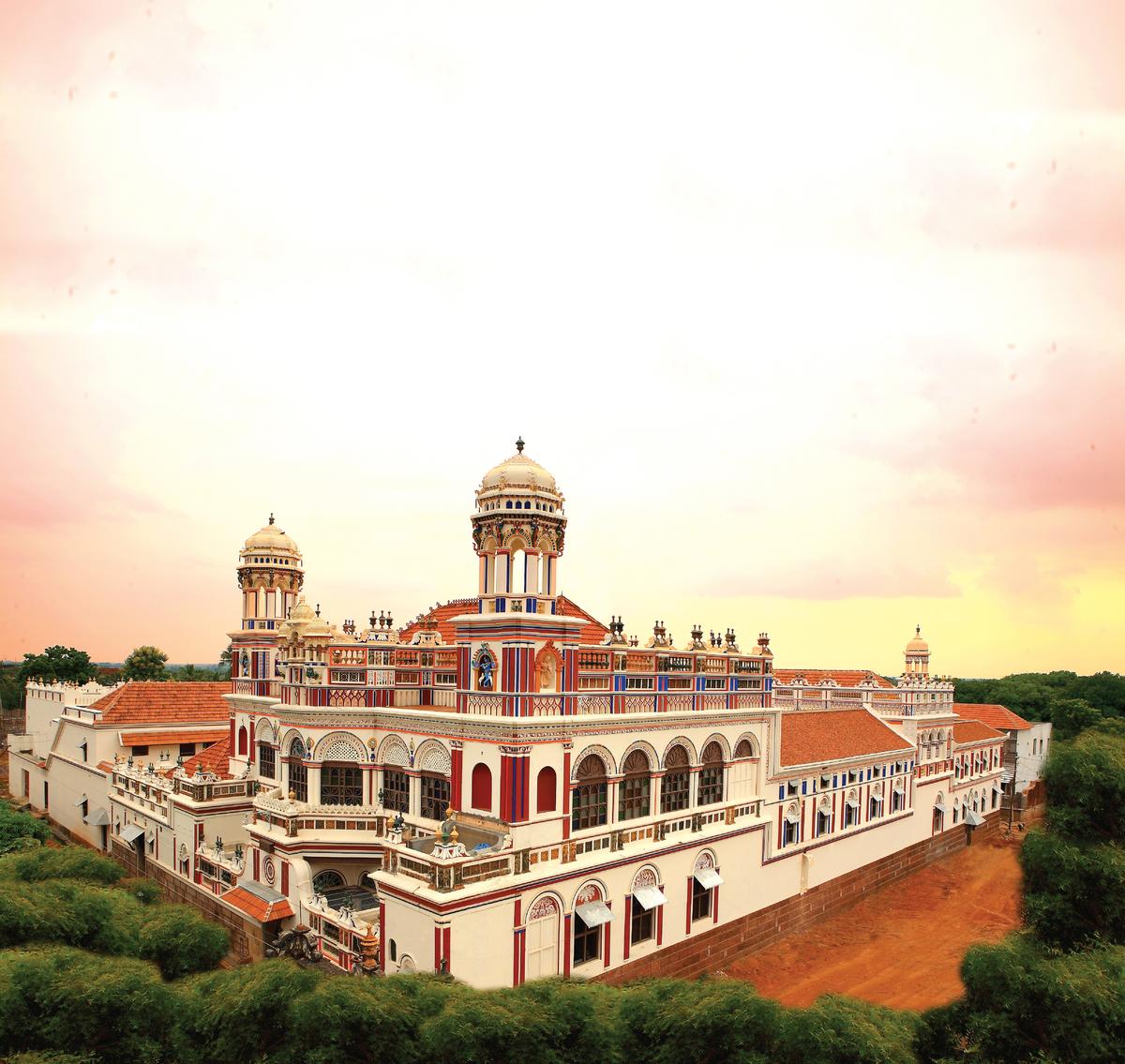
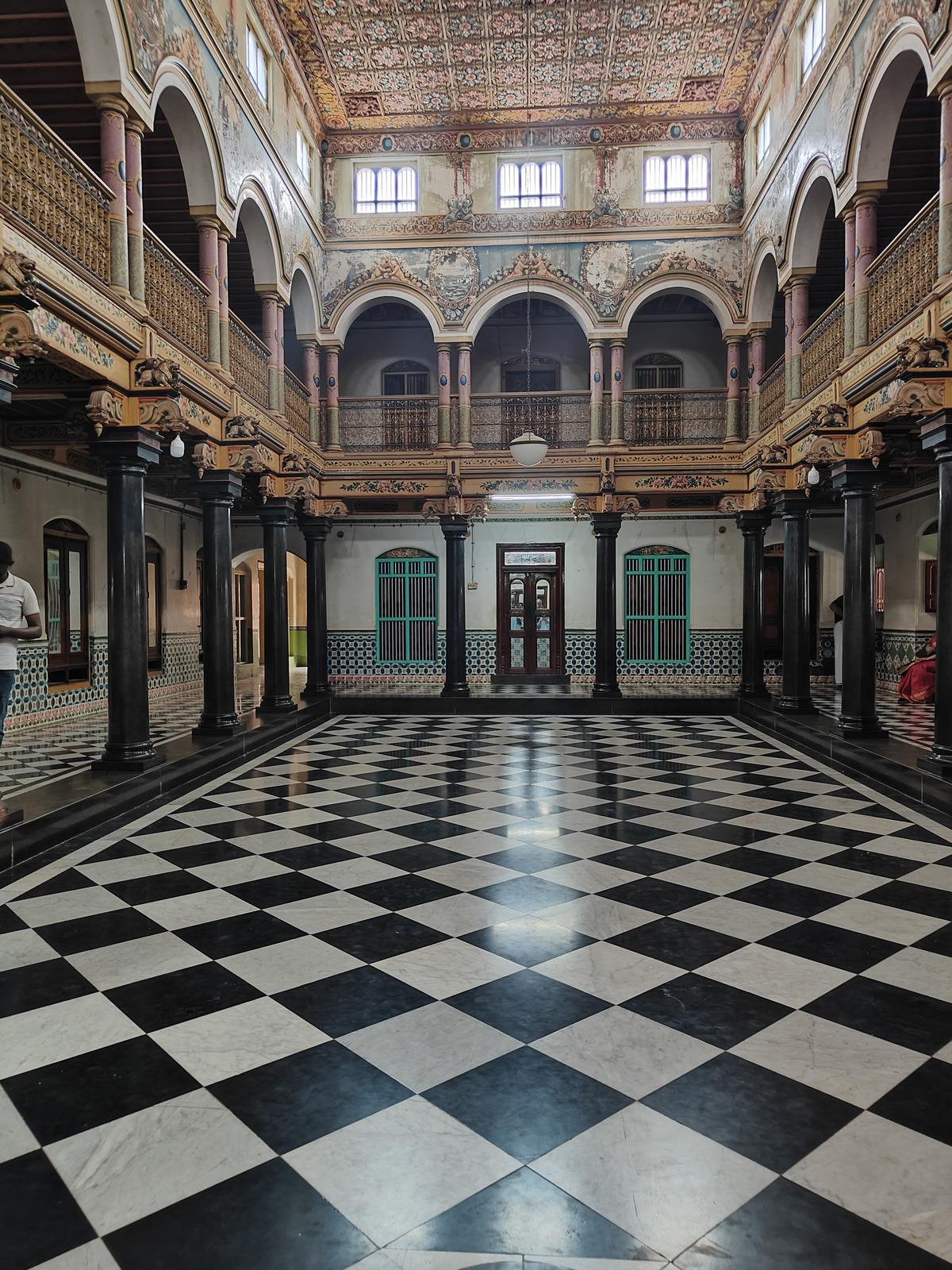
Chettinad, a cluster of 75 villages centered around the commercial hub of Karaikudi, was built on the extraordinary wealth of the Nattukottai Chettiars. This mercantile community, which flourished as financiers and traders across South and Southeast Asia during the British Raj, funneled their profits into palatial homes. These mansions, often spanning 20,000 to 40,000 square feet, were architectural marvels featuring Burmese teak, Italian marble, and Belgian glass.

However, the modern reality is stark. At the peak of the community’s prosperity, the region boasted approximately 15,000 such mansions. Today, experts estimate that fewer than 7,000 remain. Of those still standing, only about 10% are consistently maintained or occupied. The rest face a dual threat: the slow decay of neglect and the rapid "cannibalization" by the antique trade.
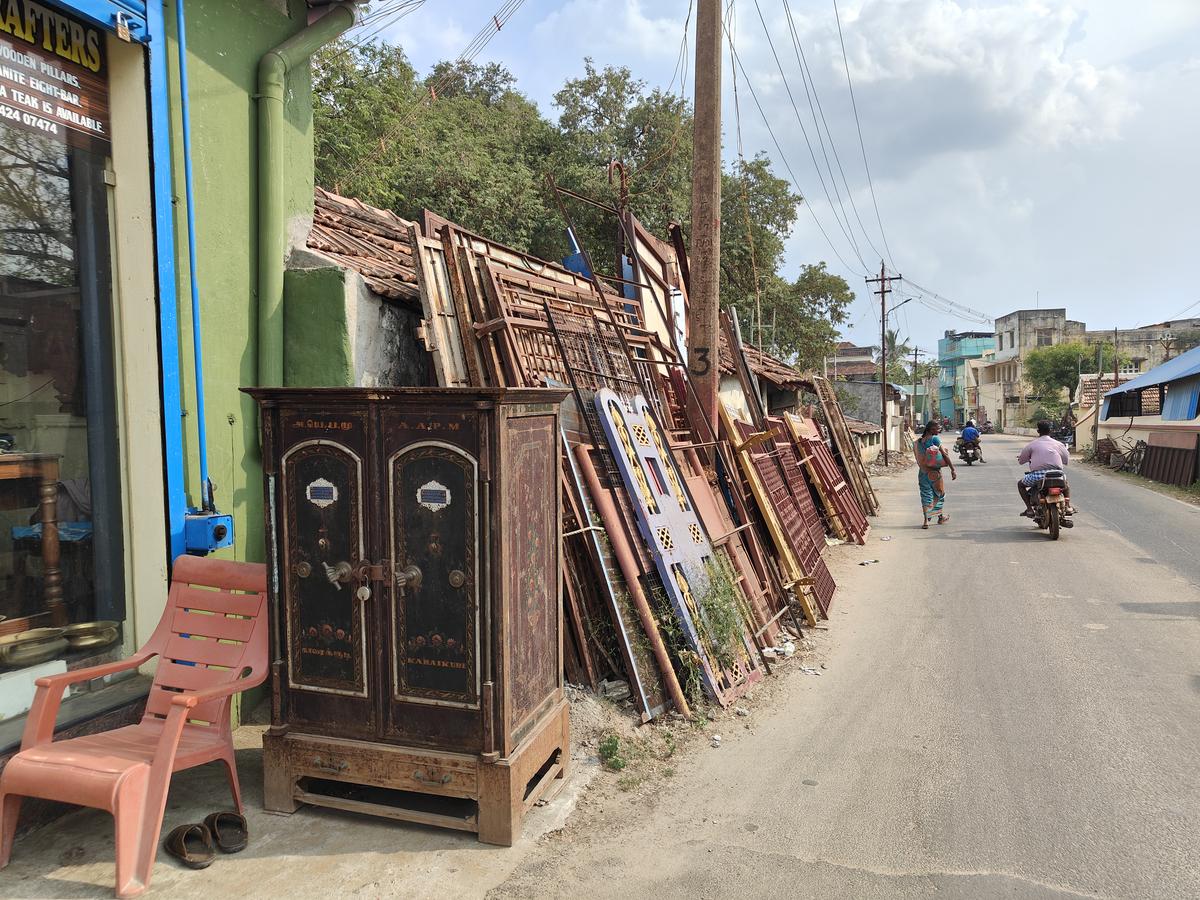
"Entire houses are being cannibalized," observes Chennai-based architect Sujatha Shankar. The components of these century-old homes—teak doors, granite pillars, and carved wooden roofs—now fuel a lucrative market. A single antique door from a Chettinad mansion recently sold for ₹1 crore (approximately $120,000), highlighting the immense financial pressure on families to dismantle their ancestral homes rather than preserve them.
Chronology: From Mercantile Majesty to Modern Dismantling
The story of Chettinad’s architecture follows a century-long arc of boom, abandonment, and rediscovery:
- Late 18th Century – Mid-20th Century: The Golden Age. Chettiar merchants build expansive mansions as symbols of community prestige. These homes were designed for joint-family living and elaborate social rituals, often taking years—sometimes decades—to complete.
- Post-Independence (1947 – 1990s): As the British Empire collapsed and trade routes shifted, many Chettiar families moved to cities like Chennai or emigrated abroad. The "Big Houses" were left in the care of watchmen, falling into disrepair due to the high cost of maintenance and complex multi-generational ownership disputes.
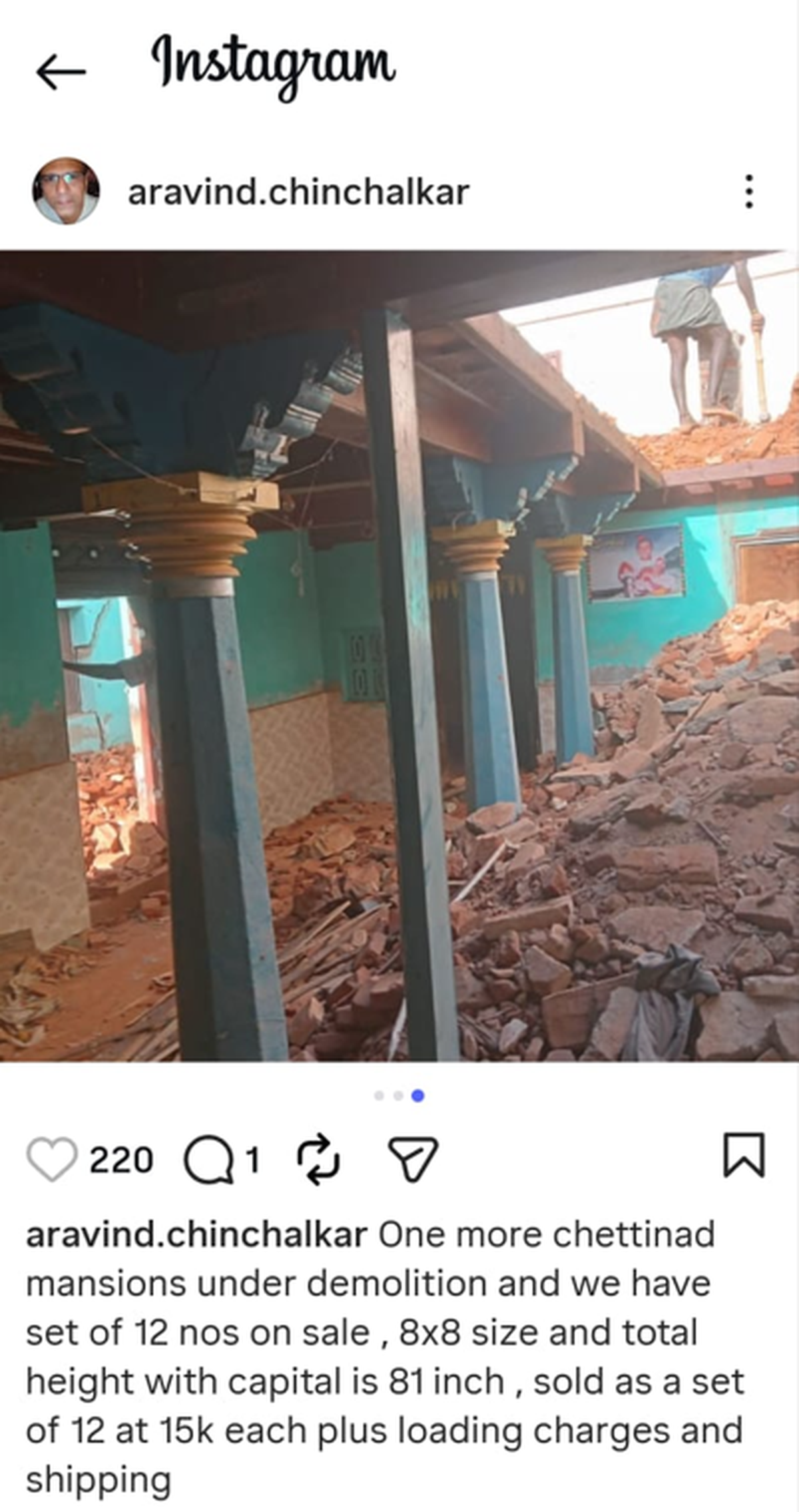
- 1998 – 2010: The Great Erasure. This period saw a massive spike in the demolition of mansions. With no heritage protection laws in place, thousands of homes were razed, and their materials were sold to local timber yards.
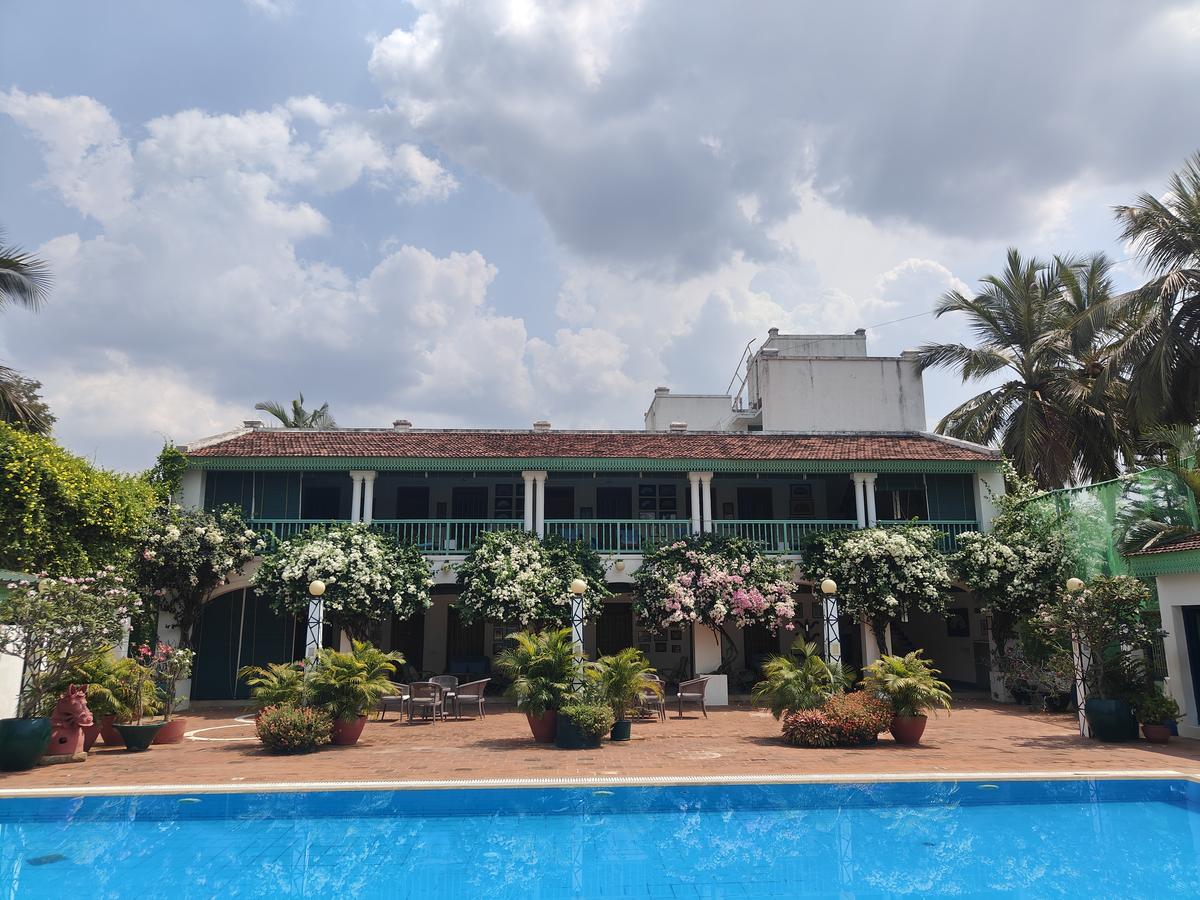
- 1999 – Present: The Tourism Turn. Meenakshi Meyyappan opened The Bangala in 1999, pioneering the concept of heritage tourism in the region. This sparked a slow but steady interest in adaptive reuse, leading to the conversion of several mansions into boutique luxury hotels.
- 2020 – Today: The Digital Boom. Social media platforms like Instagram and WhatsApp have transformed the antique trade. Local carvers and dealers now connect directly with international buyers in France, Sweden, and the Czech Republic, accelerating the export of Chettinad’s architectural DNA.
Supporting Data: The Economics of Decay and Restoration
The financial figures surrounding Chettinad today reveal why preservation is such a Herculean task.
The Cost of Acquisition and Maintenance:
While a small heritage house could be purchased for ₹75 lakh to ₹3 crore a few years ago, the current market price for a significant mansion ranges between ₹7 crore and ₹10 crore. However, purchasing the property is only the beginning. Architect Sujatha Shankar estimates that a comprehensive restoration can cost upwards of ₹15 crore, with the renovation of a single room potentially reaching ₹2 crore. Ongoing maintenance alone can drain a family of ₹1 lakh to ₹5 lakh per month.
The Dismantling Market:
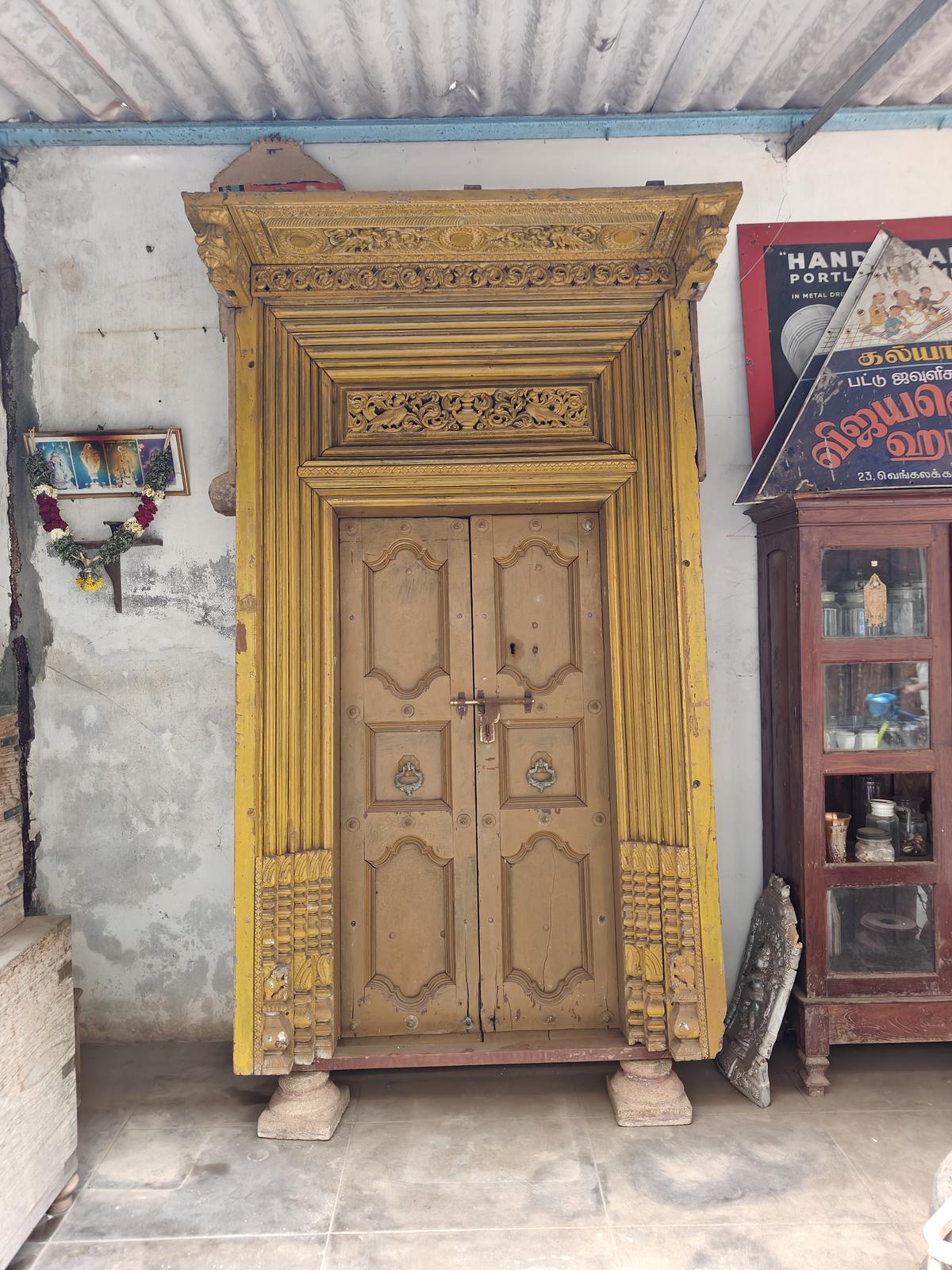
For many families, especially those with 40 or 50 claimants to a single property, selling the house for parts is more profitable and less legally complex than selling it as a whole.

- Pillars: Individual stone pillars are often listed on social media for ₹15,000 to ₹1 lakh, depending on the material and carving.
- Doors: Elaborate teak door frames, which traditionally contained a navratna (nine gems or grains) hidden beneath the threshold for luck, are the most prized items, sometimes fetching eight-figure sums.
- Tiles: Athangudi tiles, the region’s famous handmade floor coverings, have become a global export. There are now approximately 500 factories in the Karaikudi area producing about 600 tiles a day each to meet international demand.
Official Responses: Insights from Architects, Authors, and Hoteliers
The push to save Chettinad is led by a small, dedicated group of stakeholders who argue that the region’s value lies in its integrity as a living landscape, not as a collection of salvaged parts.
The Documentarians:
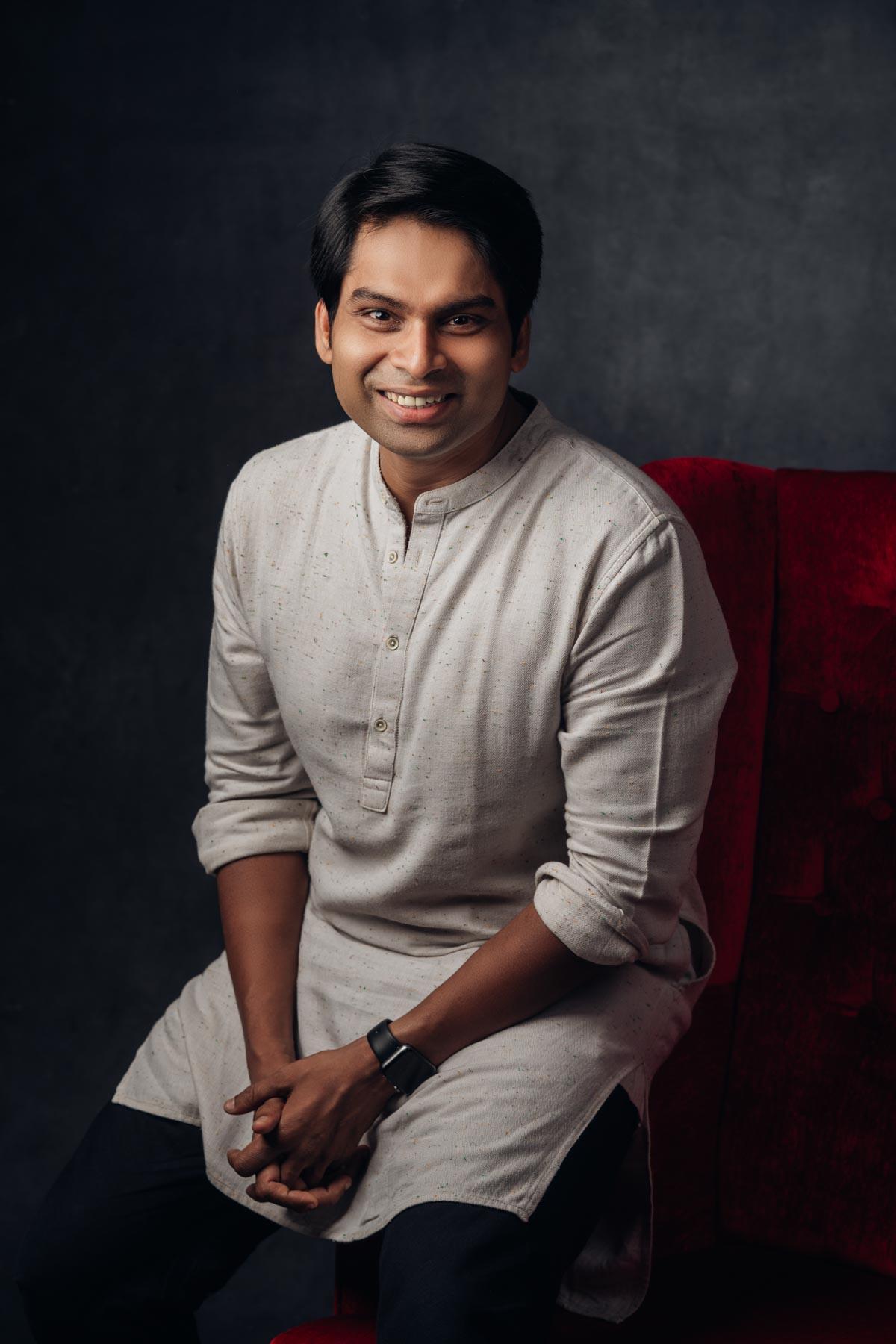
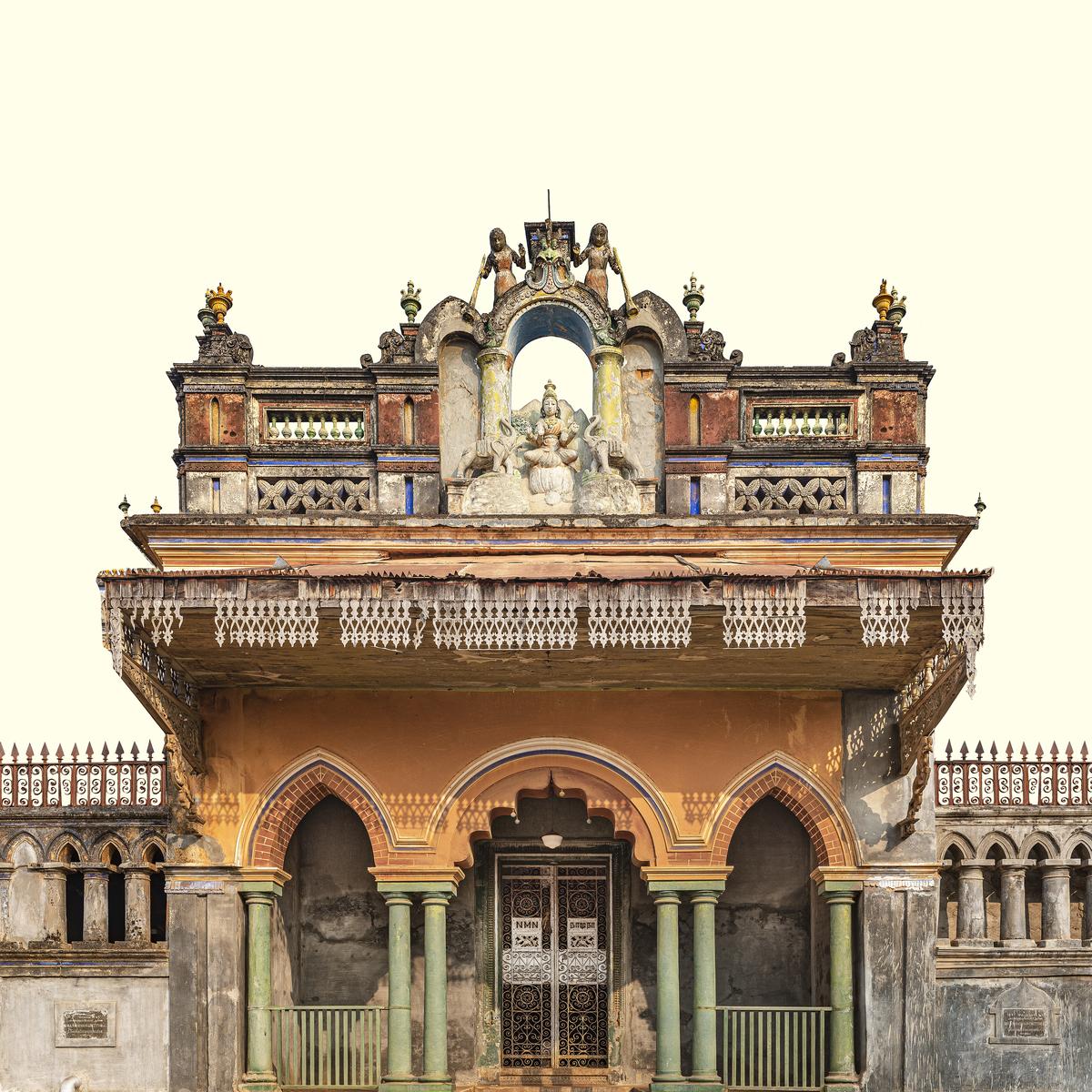
Photographer Amar Ramesh, author of Mogappu (2023), has spent a decade documenting the region’s grand entrances. "Some houses are just falling apart because there is no maintenance," he says, recounting the recent collapse of a beloved colonial-style wooden verandah. Ramesh is currently racing to photograph murals and carvings for posterity before they are lost to the wrecking ball.

The Architects:
Sasikala Ananth, an architect specializing in traditional Indian design, emphasizes that these homes cannot be "replicated" elsewhere. "It is not just the embellishments that everyone is responding to. It is also the rhythm," she explains, noting that the mansions were built using complex modular formulas based on the nakshatra (birth star) of the owners. To remove a pillar or a door is to break the energetic flow of the original design.

The Hoteliers:
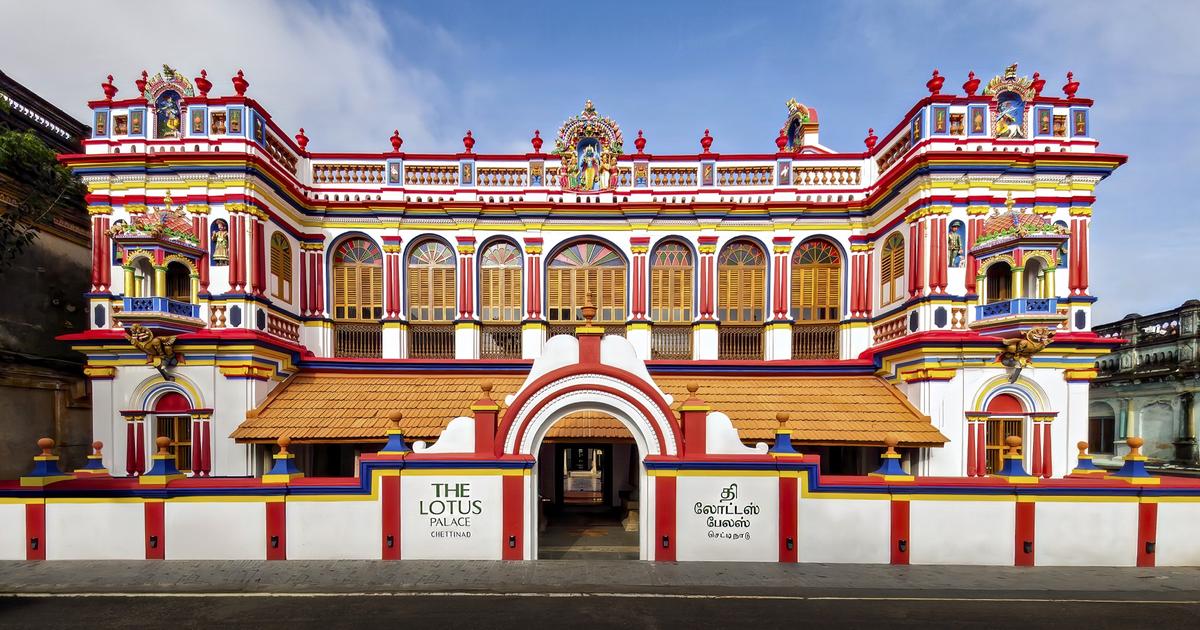
Priya Paul, chairperson of Apeejay Surrendra Park Hotels, which recently opened The Lotus Palace, believes that luxury tourism is the only viable path for preservation. "The value of such a project lies in its positioning rather than scale," she notes. Similarly, Senthil Kumar Bheeman, manager of Chidambara Vilas, highlights the technical challenges of restoration. His team spent three years redoing walls using a traditional, near-lost blend of limestone, palm sugar, and egg whites to achieve a silky-smooth finish that modern cement cannot replicate.
Implications: The Loss of Intangible Heritage
The dismantling of Chettinad’s mansions represents more than just the loss of old buildings; it is the erasure of a specific set of human skills and cultural memories.
The Death of Craftsmanship:
In the early 20th century, craftsmen would stay in a single mansion for seven years just to complete the intricate carvings on a 200-kg teak door. Today, those skills have largely vanished. While the demand for Athangudi tiles has kept that specific craft alive, the master woodcarvers and limestone plasterers of the past have few successors.
The "Resort-ification" of Culture:
While hotels like The Bangala and Chidambara Vilas have successfully preserved several structures, they represent a "museumified" version of Chettinad. The region is increasingly becoming a destination for "niche, intimate weddings" and film shoots rather than a living community. When a mansion is converted into a hotel, it often remains inaccessible to the local population, creating a divide between the heritage being sold and the community that birthed it.
The Sentimental Holdouts:
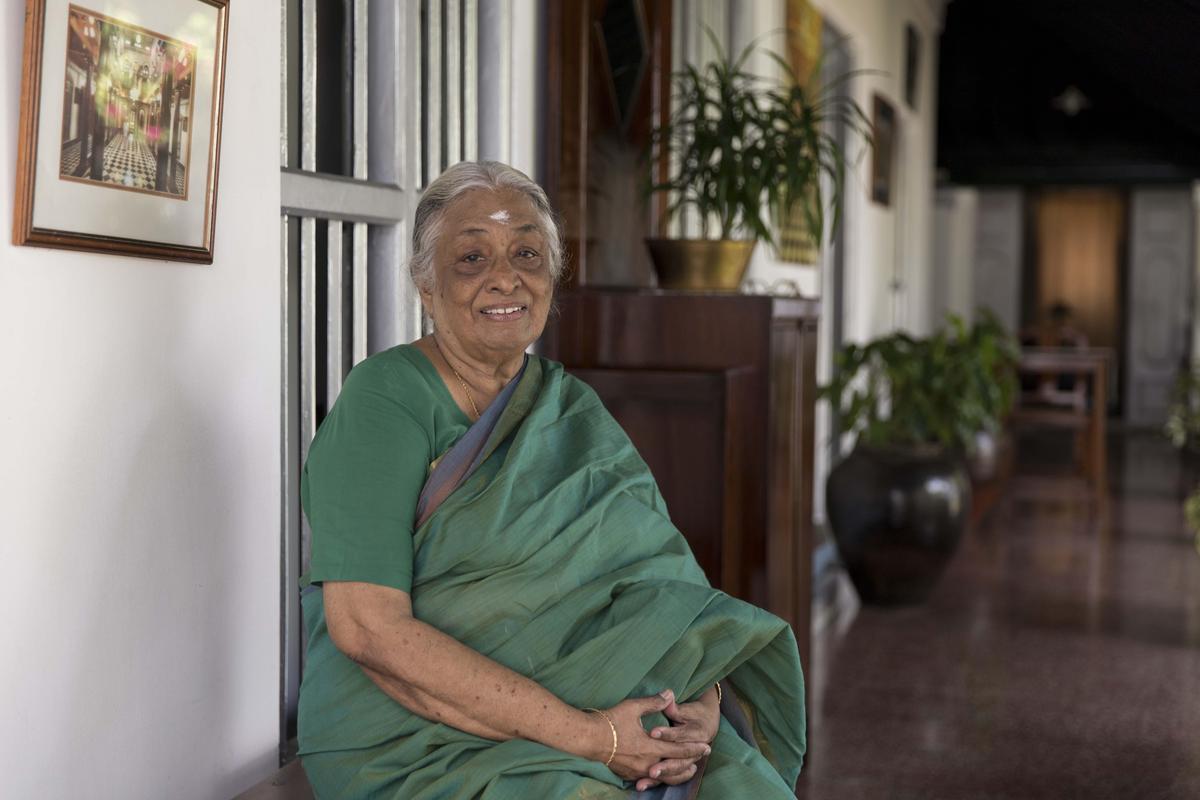
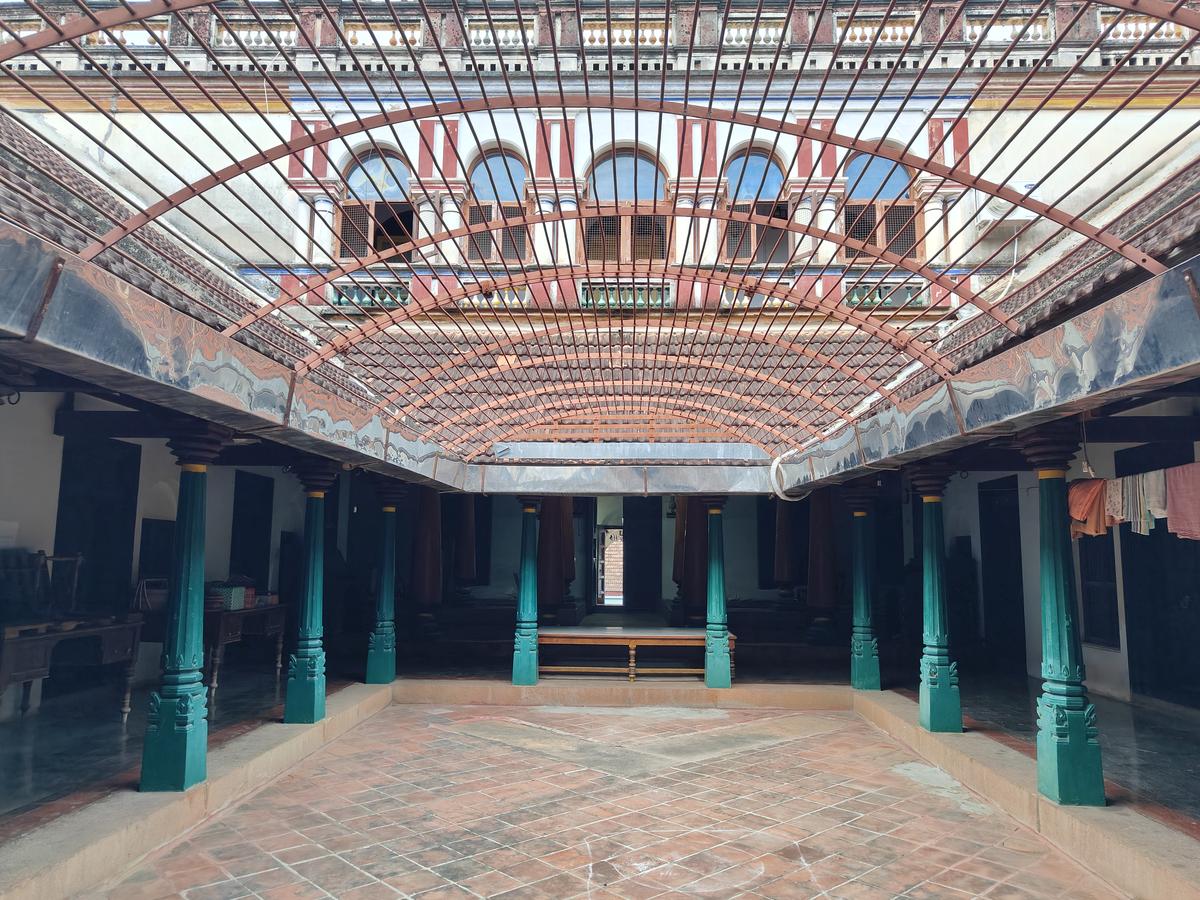
Despite the economic pressure, some families refuse to sell. Murugappan Shanmugam, owner of the 200-year-old S.M.R. House, maintains his ancestral home for sentimental reasons. For him, the house is a repository of memories—of summer holidays, cousins’ weddings, and sleeping under the open sky in the central courtyard. This sentiment is echoed by elderly residents who remain in these echoing halls, believing their ancestors watch over them.
Conclusion: A Race Against Time
The revival of Chettinad is a double-edged sword. On one hand, festivals like the Chettinad Culture and Heritage Festival and architectural retreats like Kalai are bringing much-needed attention and capital to the region. On the other hand, the global appetite for "reclaimed" antiques is accelerating the physical destruction of the very place that inspires the trend.

The survival of Chettinad’s remaining 7,000 mansions depends on a precarious balance: the ability of the Chettiar community to resolve ownership disputes, the willingness of the government to provide heritage status and tax incentives for preservation, and a shift in the global design market from "reclaiming" parts to supporting the restoration of the whole. Without these interventions, the "Big Houses" of Chettinad may soon exist only as fragmented pillars in foreign living rooms and photographs in history books.
