

KADAPAKKAM, TAMIL NADU – In the quietude of a fishing hamlet nestled between the historical corridors of Mamallapuram and the French-inflected charm of Puducherry, a residence stands as a testament to the enduring power of vernacular architecture and personal legacy. En Vilasam, a private villa located on the Alamparai coast, has emerged not merely as a luxury retreat but as a profound dialogue between the past and the present, curated through the lens of one woman’s passion for antiques and an architect’s commitment to ecological harmony.
Main Facts: A Sanctuary of Vernacular Modernism
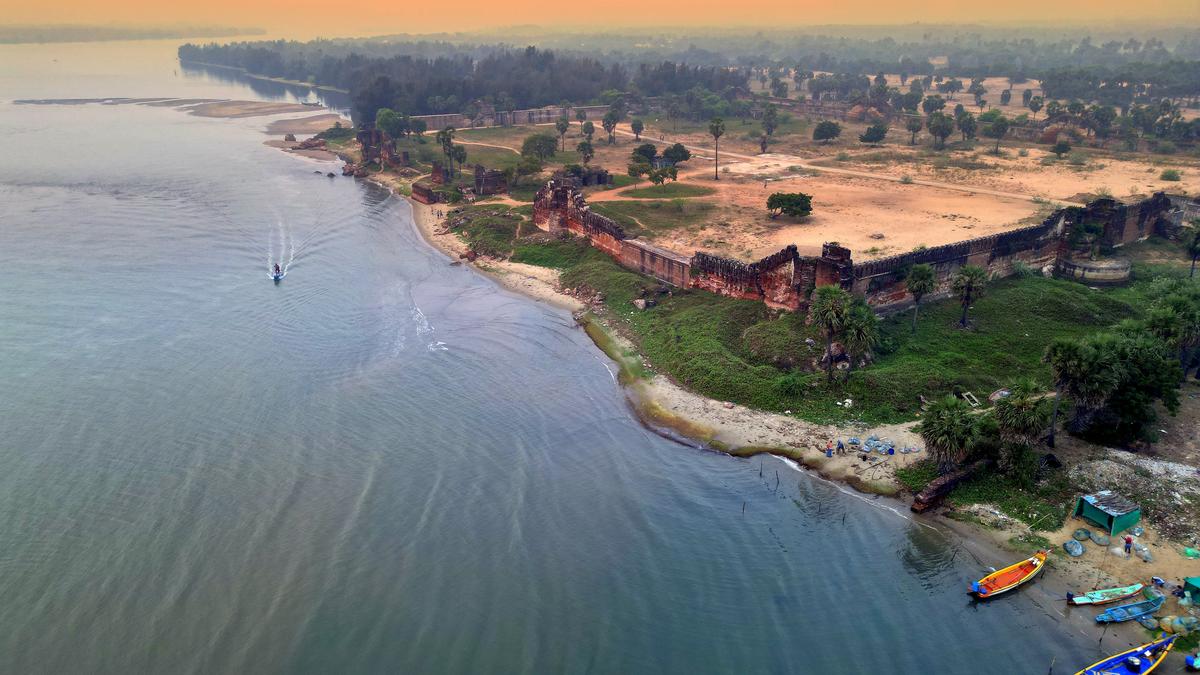
En Vilasam is a three-bedroom boutique villa located in Kadapakkam, a serene village characterized by its proximity to the 18th-century ruins of the Alamparai Fort. Designed by Auroville-based architect Raj Andagere for the late Gomathi Subramanian, a prominent antiques collector from Chennai, the property represents a sophisticated blend of traditional Chettinad aesthetics and contemporary architectural language.
The villa is currently part of the LuxUnlock portfolio, a premium villa rental company that specializes in "design-forward" and "emotionally layered" properties. Unlike conventional luxury hotels that emphasize standardized opulence, En Vilasam focuses on sensory experiences—the tactile quality of lime-plastered walls, the play of light on a central koi pond, and the integration of centuries-old architectural fragments.
The property is defined by its "slow luxury" ethos, encouraging guests to engage with the local rhythm of the fishing village. Its architectural significance lies in its use of sustainable materials, including lime plaster, coconut rafters, and reclaimed wood, proving that high-end hospitality can coexist with environmental consciousness and cultural preservation.
Chronology: From a Coconut Grove to a Living Legacy
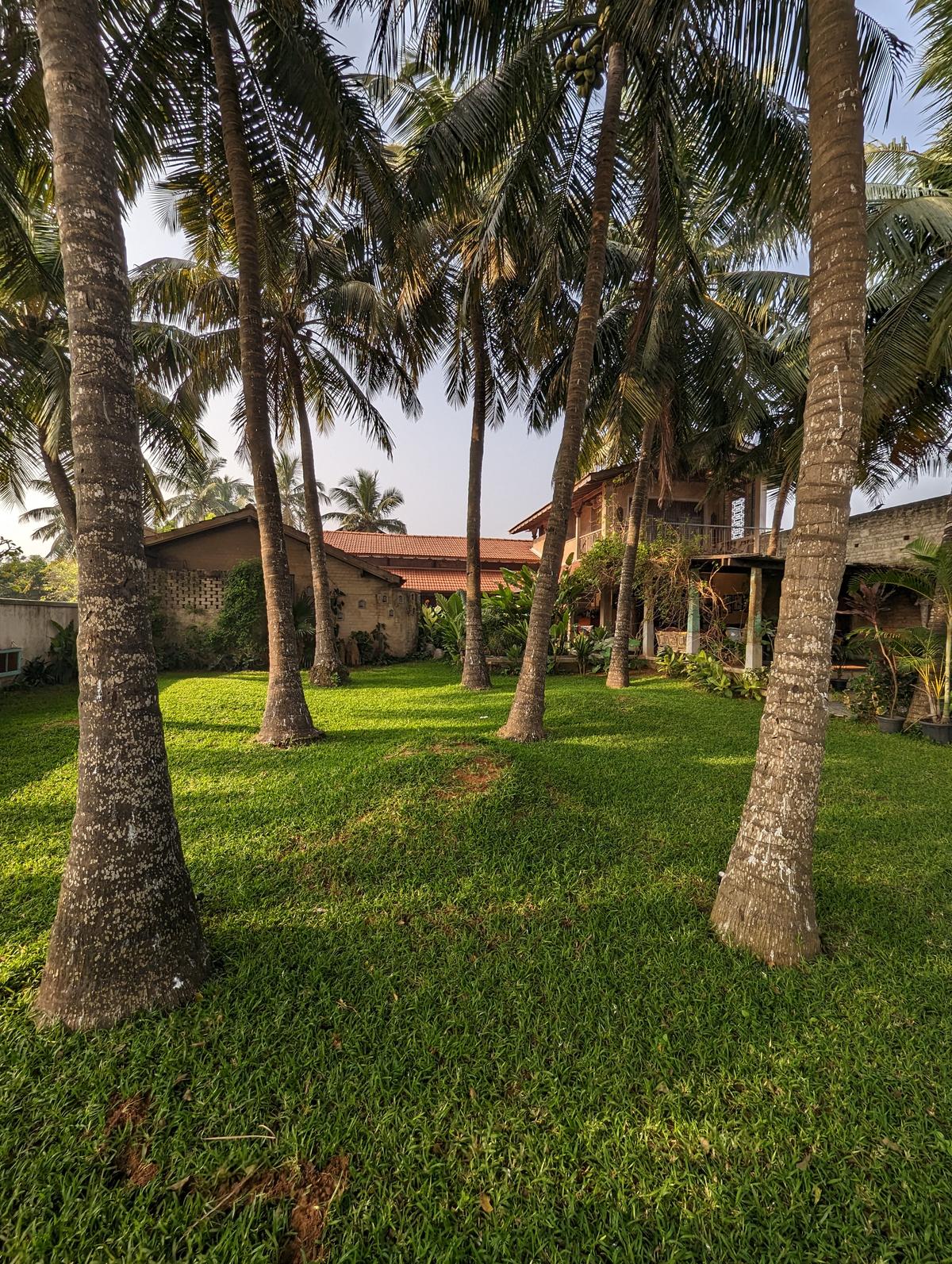
The story of En Vilasam began with a singular vision. Gomathi Subramanian, seeking a reprieve from the urban density of Chennai, discovered a sun-dappled coconut grove on the Alamparai coast. The site, populated by "silent sentinels" of coconut trees standing atop buffalo grass, provided the canvas for what would become her magnum opus.
2017: The Conceptual Phase
Subramanian, deeply rooted in her Chettinad heritage, approached Raj Andagere and his brother Ajith of the Auroville-based firm. Armed with a seminal text on Karaikudi mansions by architectural historian George Michell and a vast personal collection of antiques, she sought to build a home that echoed the grandeur of traditional Tamil mansions while remaining functional for modern living.
2018–2019: The Construction Period
The construction was a meticulous process of "putting a puzzle together." Andagere was tasked with integrating Subramanian’s collection—including ancient granite columns, louvered French doors, and brass fixtures—into a cohesive structure. The primary challenge was the site’s rectangular geometry, which required the engineering of nine distinct roofs to accommodate the central courtyard and sprawling corridors.
2021: Transition to Hospitality
Following the passing of Gomathi Subramanian, the property was inherited by Anjan Rangaraj. Recognizing the home’s artistic value and his predecessor’s wish for the space to be shared and appreciated, Rangaraj partnered with LuxUnlock. This transition allowed the private sanctuary to become accessible to a broader audience of travelers seeking an "atmospheric" rather than "commercial" stay.
Present Day: A Design Destination
Today, En Vilasam serves as a premier example of "heritage-modern" architecture in South India, attracting architects, designers, and families who value the intersection of local craft and coastal serenity.
Supporting Data: The Architectural Anatomy of En Vilasam
The brilliance of En Vilasam lies in its technical execution and material choices. Architect Raj Andagere, a former student of George Michell, utilized his expertise in craft-based design to ensure the house felt "lived-in" from the day it was completed.
The Magic of Lime Plaster
A defining feature of the villa is the use of traditional lime and sand plaster, infused with pigments like brick powder. Unlike cement, which is rigid and prone to cracking, lime plaster is a "breathing" material. According to Andagere, lime grows harder and more resilient as it ages. It is seasonally responsive, darkening during the monsoon and lightening under the summer sun, providing a tactile, organic finish that Andagere describes as a "warm embrace."
Material Sourcing and Sustainability
To manage costs and maintain ecological integrity, the team utilized coconut rafters sourced from Karnataka. The bathrooms feature hand-plastered finishes in bold, jewel-toned hues of emerald green and lapis lazuli, creating a stark, artistic contrast to the ochre-toned living spaces. Reclaimed materials are found throughout, such as a dining table fashioned from old railway benches and logs from decommissioned catamarans.
Spatial Psychology
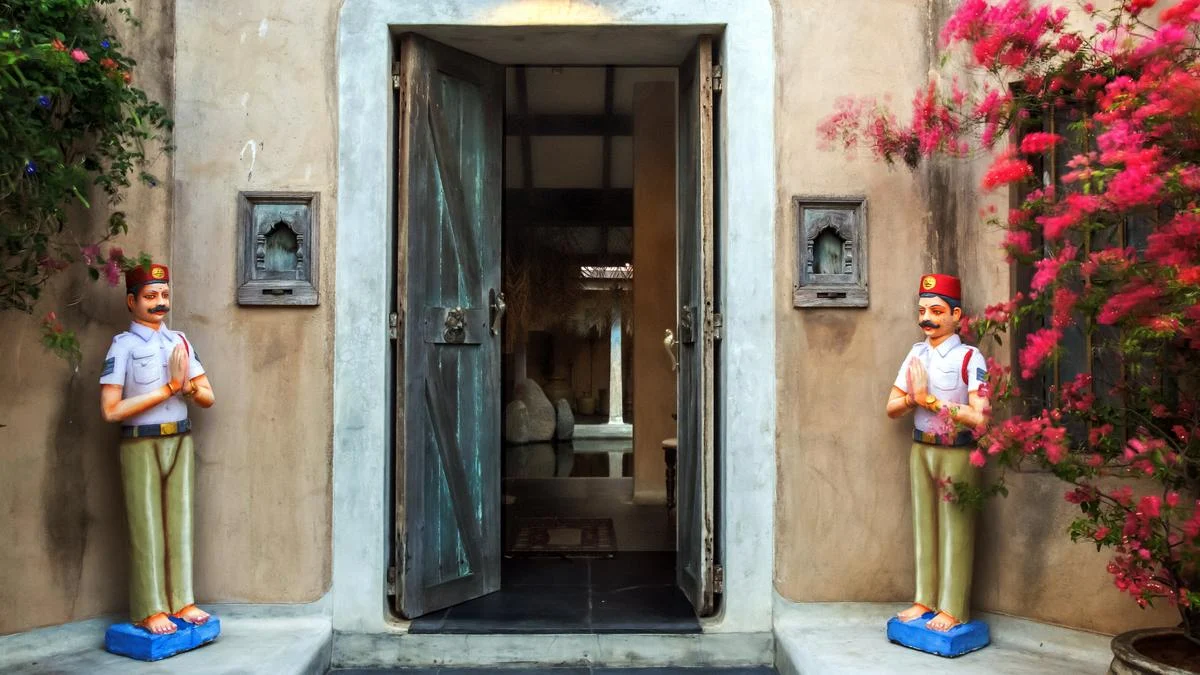
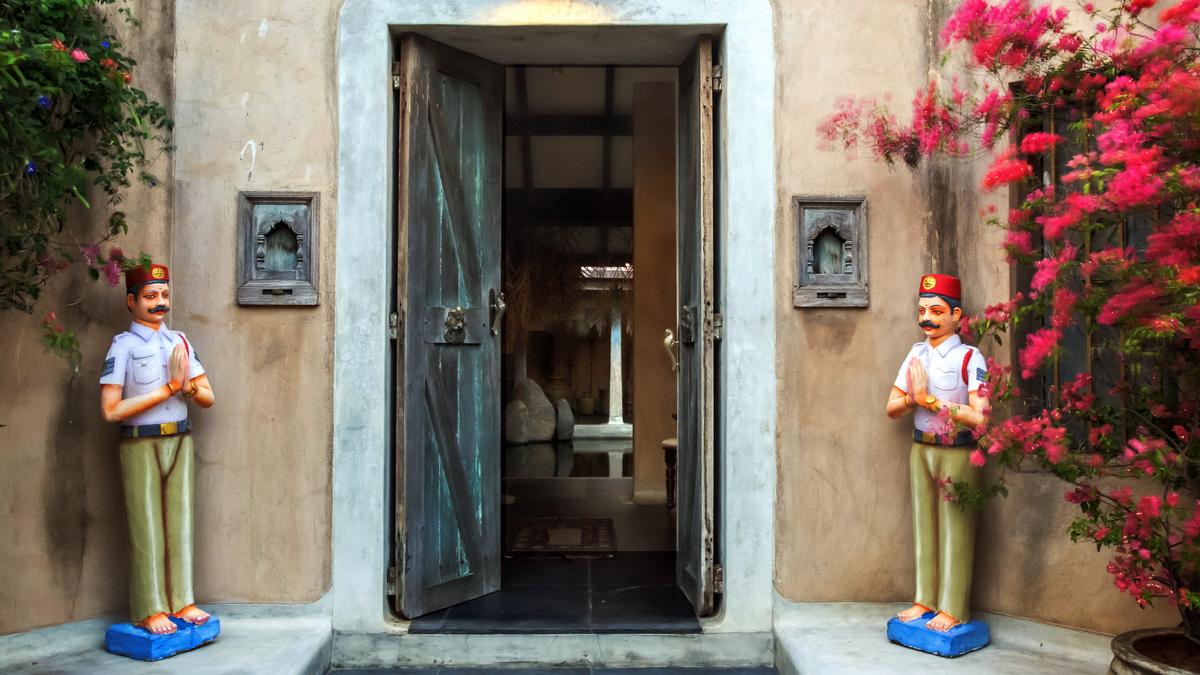
The entry to the villa is a masterclass in spatial choreography. High walls flanked by traditional "policeman" statues create a sense of fortified privacy. Narrow doorways were deliberately chosen to restrict the initial view, offering only a glimpse of the water’s reflection. This "hide-and-reveal" technique encourages curiosity, leading guests through a sequence of spaces: a koi pond that replaces the traditional open courtyard, sun-drenched verandahs, and bedrooms that open directly onto the gardens.
Official Responses: Voices on Design and Experience
The stakeholders involved in En Vilasam emphasize that the property is more than a building; it is a reflection of a specific worldview.

Raj Andagere, Architect:
"It was clear to me what Gomathi wanted. We wanted to retain the spirit of the Chettinad mansions and yet evolve. The house had to revolve around those trees and the waterbody. Our love for such materials is in our DNA. While we might step gingerly into a fancy showroom, an old Indian house made of humble materials feels like home."
Anjan Rangaraj, Owner:
"En Vilasam is a reflection of Gomathi’s mind, her taste, and the way she saw the world. It stands as both her legacy and a quiet continuation of her artistic mind. This was a home she built to share and be appreciated, and I wish to do the same."
Ashish Gupta, Founder of LuxUnlock:
"What I love about it is that it doesn’t try to be conventionally luxurious. It is earthy, eccentric in parts, and deeply Tamil in its references. Guests often arrive expecting a beach villa, but leave talking about the feeling of the place instead. It feels lived-in rather than styled."
Solachi Ramanathan, Principal Architect at Urban Workshop:
"En Vilasam is an intimate retreat with the feeling of a home. There’s a warmth and thoughtfulness to the place that makes it feel deeply personal. The seamless indoor-outdoor spaces invited us to slow down and enjoy the coastal rhythm."
Implications: The Future of Heritage Hospitality
The success of En Vilasam signals a significant shift in the Indian luxury travel market. As travelers become increasingly fatigued by the "gold-standard" anonymity of international hotel chains, there is a growing demand for "story-led" properties that offer a sense of place.
1. Preservation of Craft
En Vilasam demonstrates that traditional crafts—such as lime plastering and wood carving—have a viable future in contemporary luxury. By employing these techniques, the project supports a dwindling pool of artisans and keeps vernacular knowledge alive.
2. Impact on Local Economies
By situating a high-end villa within a functioning fishing village, LuxUnlock and the owners have created a model for "unselfconscious" tourism. The presence of the villa supports local eateries and provides a platform for the village’s natural beauty, such as the Alamparai backwaters, without gentrifying the area to the point of losing its original character.
3. The Evolution of the "Second Home"
The transition of En Vilasam from a private residence to a rental property reflects a broader trend among owners of significant architectural properties. By opening these homes to the public, owners can offset maintenance costs while ensuring the architectural integrity of the building is maintained through active use.
4. Architectural Education
For students and practitioners of architecture, En Vilasam serves as a case study in how to interpret historical texts (like those of George Michell) into physical forms. It proves that nostalgia, when tempered with modern design sensibilities, can result in something entirely unique rather than a mere pastiche of the past.
In conclusion, En Vilasam stands as a beacon on the Alamparai coast. It is a structure that breathes with the seasons, a gallery for a lifetime of collecting, and a sanctuary that invites its inhabitants to "slow down, inspect, and take home an idea." As the sea breeze moves through its corridors and the light reflects off its koi pond, the villa remains a living, breathing tribute to the woman who first saw a masterpiece in a simple grove of coconut trees.
