

MAMALLAPURAM, TAMIL NADU – In an era defined by hyper-connectivity and the relentless pace of urban life, a new paradigm of hospitality is emerging along the Coromandel Coast. Located approximately 10 kilometers from the historic center of Mamallapuram, Isai Karai—the latest addition to the CGH Earth Saha collection—represents a strategic shift toward intimate, heritage-focused travel. By eschewing the traditional hotel model in favor of a "home-away-from-home" experience, the property highlights a growing demand for privacy, localized culinary experiences, and deep cultural immersion.
Main Facts: A Sanctuary by the Sea
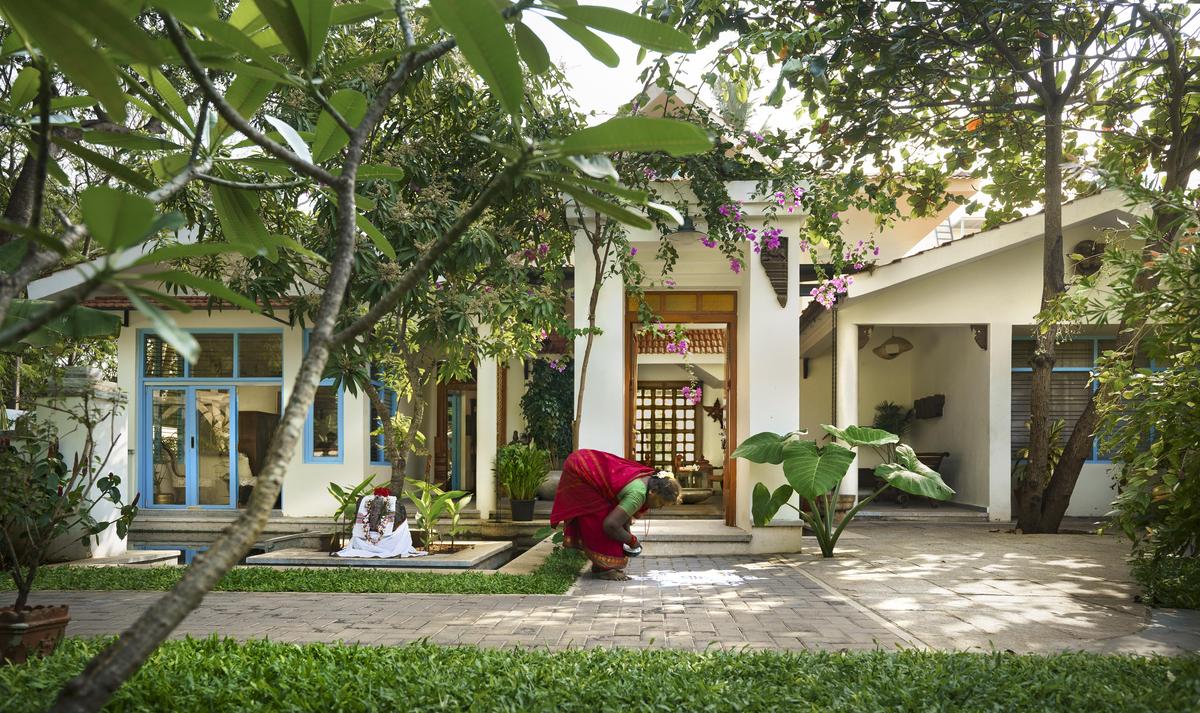
Isai Karai, which translates to "the shore of music," is a boutique retreat nestled within a half-acre of lush greenery in the Nemmeli Panchayat. The property is situated a mere 150 meters from the Bay of Bengal, allowing the rhythmic sound of the surf to serve as a natural soundtrack for guests.
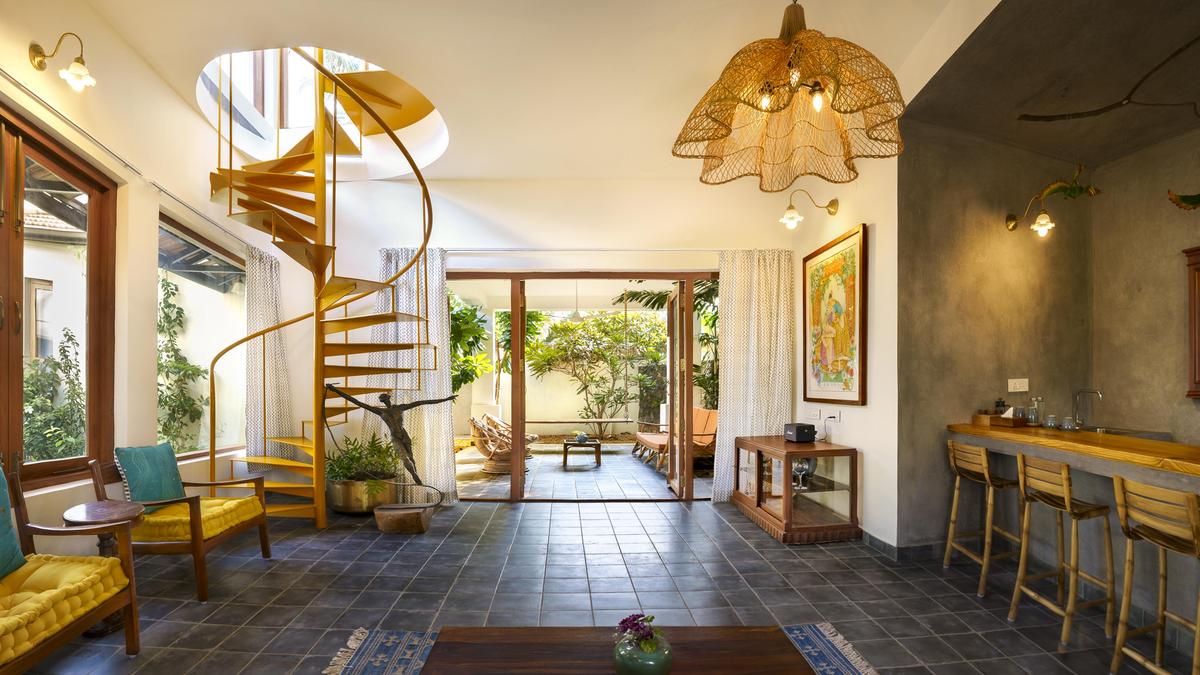
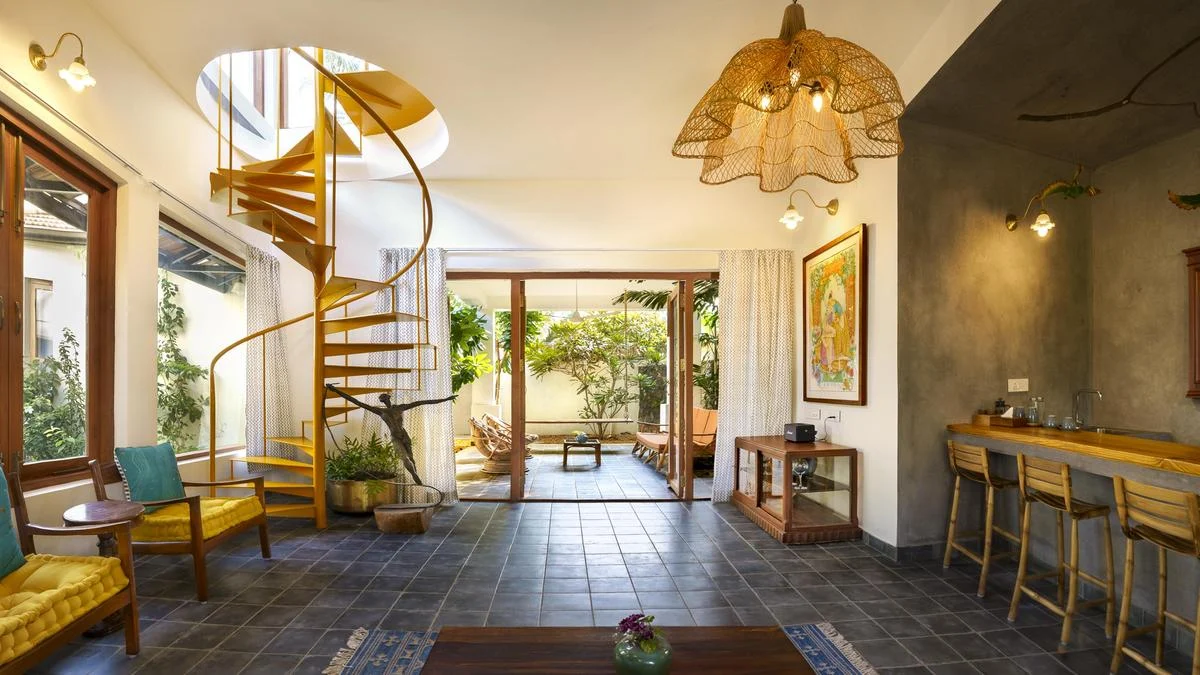
Managed by CGH Earth under its "Saha" brand, the property is a collaboration with owner Mahitha Ravilla. It comprises the Vasunthara villa—a 50-year-old structure featuring three bedrooms, a dining area, and a living room—and two adjacent Kurumba cottages designed for enhanced privacy. The tariff for this curated experience starts at ₹10,000, positioning it within the premium segment of the "slow living" hospitality market.
The core appeal of Isai Karai lies in its rejection of the artificialities of modern hospitality. There are no alarm clocks; instead, guests are awakened by the calls of local birdlife and the filtration of natural light. This sensory-focused approach is designed to trigger a physiological relaxation response—unclenching jaws and relaxing shoulders—that the brand identifies as the hallmark of a true retreat.

Chronology: From Heritage Home to Modern Retreat
The evolution of Isai Karai is a testament to the preservation of architectural history and the changing tastes of the Indian traveler.
- The 1970s Foundations: The original structure was built five decades ago as a private residence. During this period, the architecture of the region began to blend traditional Tamil aesthetics with modern functionalism.
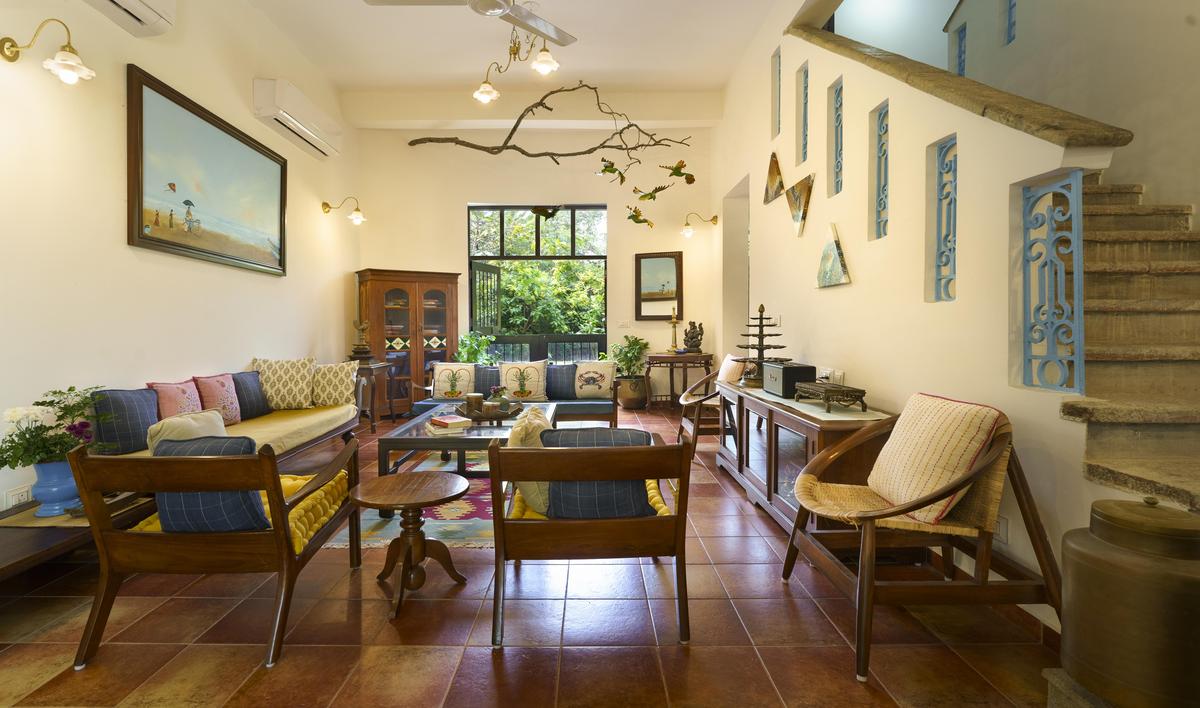
- The Evolution of a Collection: Over the years, Mahitha Ravilla meticulously curated the interiors, hand-picking stone sculptures, paintings, and antique furniture that reflected the artistic heritage of Mamallapuram.
- The CGH Earth Partnership: Recognizing a shift in travel preferences, CGH Earth launched the "Saha" brand to manage hand-picked, intimate spaces. Isai Karai was integrated into this collection to offer professional hospitality standards while maintaining the personal soul of a private home.
- Modern Restoration: The property underwent "thoughtful updates" to enhance comfort—such as the installation of open-to-sky showers and modern kitchen facilities—without compromising its original 50-year-old charm.
- Current Operations: Today, the property operates as a full-service retreat where the staff, led by manager Kavitha Vignesh, provides a personalized experience that bridges the gap between a luxury hotel and a family guest house.
Supporting Data: Architecture, Art, and Gastronomy
The data points of the Isai Karai experience reveal a deep commitment to the "local-first" philosophy that CGH Earth has championed for decades.
Architectural and Interior Details
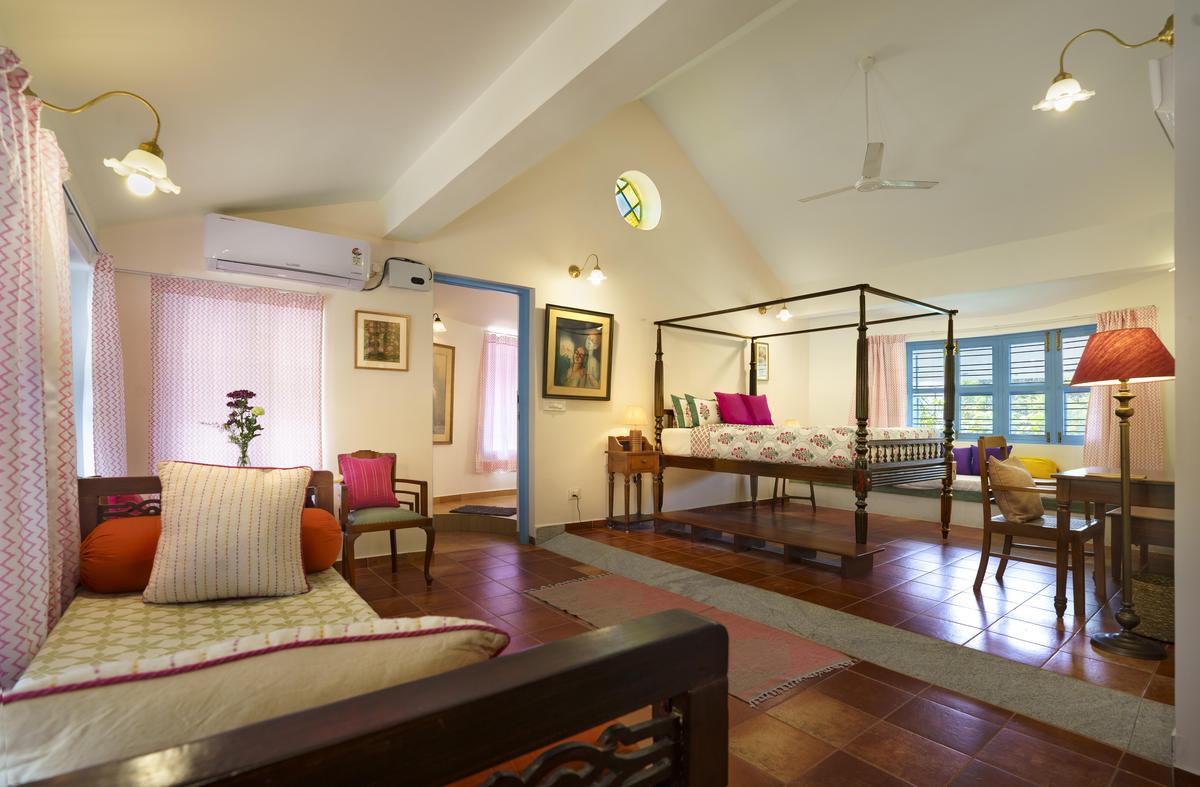
The design of Isai Karai is an intentional "ode to Mamallapuram’s art." The interiors feature:
- Monolithic Echoes: Stone sculptures throughout the villa reflect the town’s 1,400-year-old tradition of stone carving.
- Artistic Textiles: Custom cushion covers featuring lobsters and crabs reflect the coastal location.
- Period Furniture: High four-poster beds requiring footstools and traditional plantation chairs encourage a slower pace of movement.
- Spatial Design: Wrap-around terraces and diwans placed by windows ensure that the "outside" environment is always visible from the "inside."
The Culinary Ecosystem
The property operates on a "no-menu" basis, a logistical feat that requires high levels of coordination between the kitchen and local suppliers.
- Garden-to-Table: The half-acre plot includes mango, mulberry, star fruit, Chinese orange, gooseberry, chikoo, and guava trees. Vegetables like brinjal, chili, and coriander are harvested on-site.
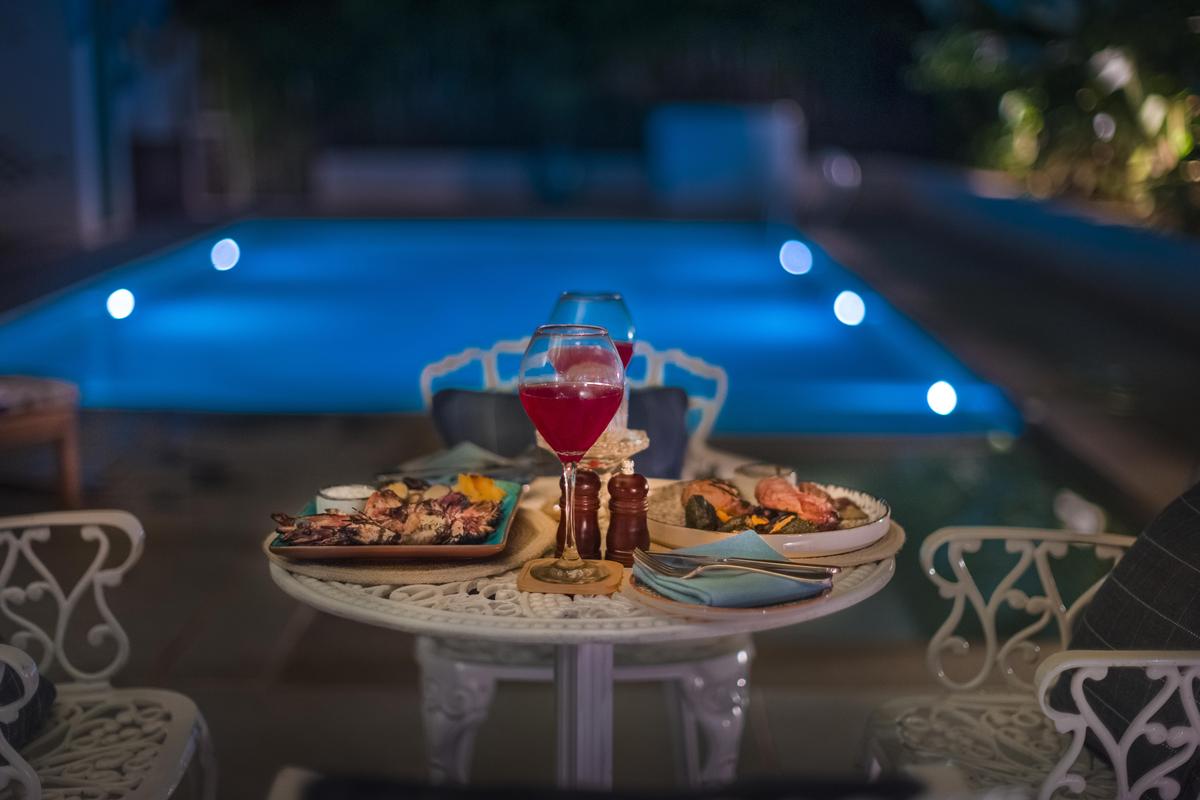
- The Fishermen’s Network: Daily seafood—including vanjaram (kingfish), squid, and red snapper—is procured via direct morning negotiations with local fishermen, ensuring the "catch of the day" is literal.
- Traditional Hydration: The kitchen emphasizes traditional Tamil cooling drinks like panakkam, which utilizes jaggery, dry ginger, and cardamom to combat the tropical humidity.
Official Responses: The Strategic Vision of CGH Earth
George Joseph, Vice President of Operations at CGH Earth, provides the strategic context for why properties like Isai Karai are essential to the future of the travel industry.
“As travel preferences evolved, we noticed a growing inclination towards smaller, more intimate holiday spaces that offer greater privacy yet personalized service, and thoughtfully curated experiences,” Joseph explains.
According to Joseph, the Saha brand was conceived as a response to this shift. The goal was to identify properties that possessed "artistic charm" and "history" but lacked the hospitality infrastructure to reach a wider audience. By providing CGH Earth’s operational expertise, the brand allows owners like Mahitha Ravilla to preserve their homes’ "deeply personal reflection" while offering guests a professional level of service.
Joseph emphasizes that the updates made to Isai Karai were strictly "functional," aimed at enhancing comfort without erasing the "original charm" intended by the owner. This balance is critical to the brand’s identity, which focuses on sustainability and heritage.
Cultural Context: Mamallapuram as a Living Museum
A stay at Isai Karai is inextricably linked to the broader cultural landscape of Mamallapuram, a UNESCO World Heritage site. The property serves as a base for exploring the region’s dual identity as a historical relic and a modern artistic hub.
The Sculpture Hub
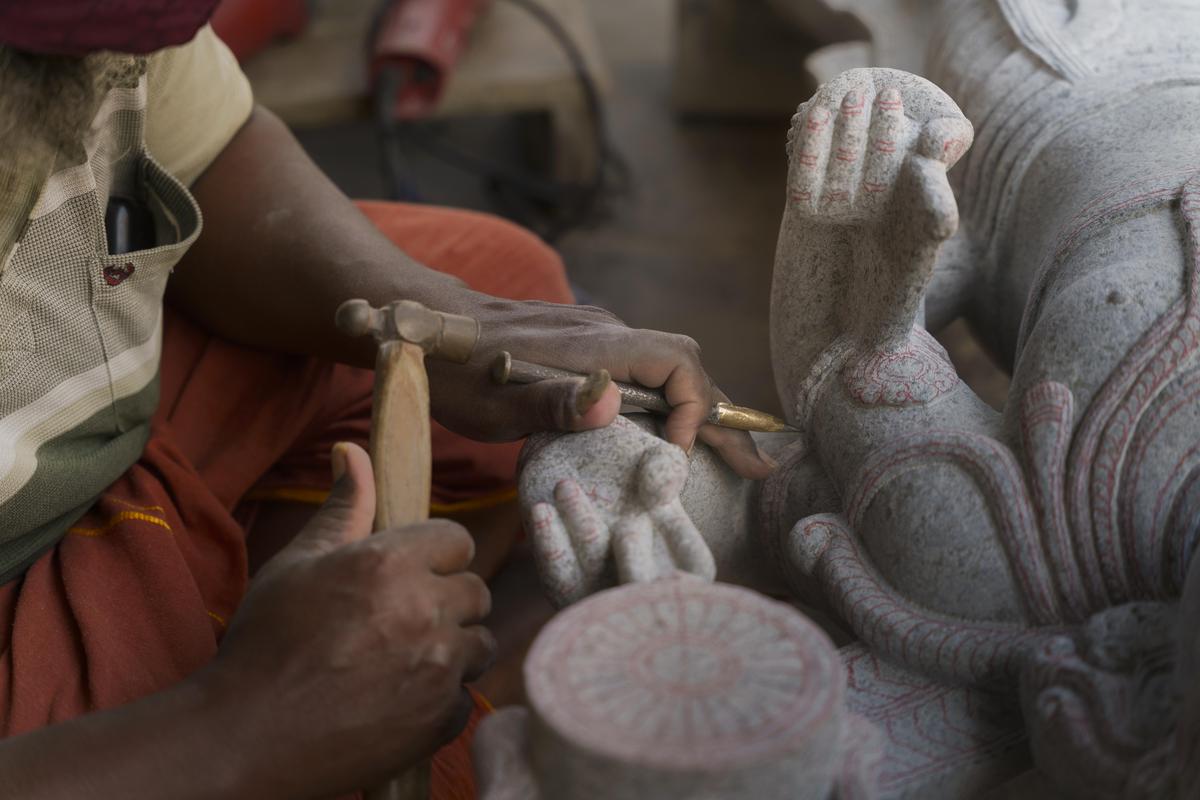
Local guides, such as Dileep, point out that Mamallapuram remains the "sculpture hub" of South India. With over 200 carving units, the town is a hive of activity where the sound of chisels on granite is constant. While modern machinery now assists in 50% of the work, the fine details—the "abs on a small statue of Lord Hanuman," for instance—are still rendered by hand. These artisans represent a lineage that dates back to the Pallava dynasty.
The Pallava Legacy
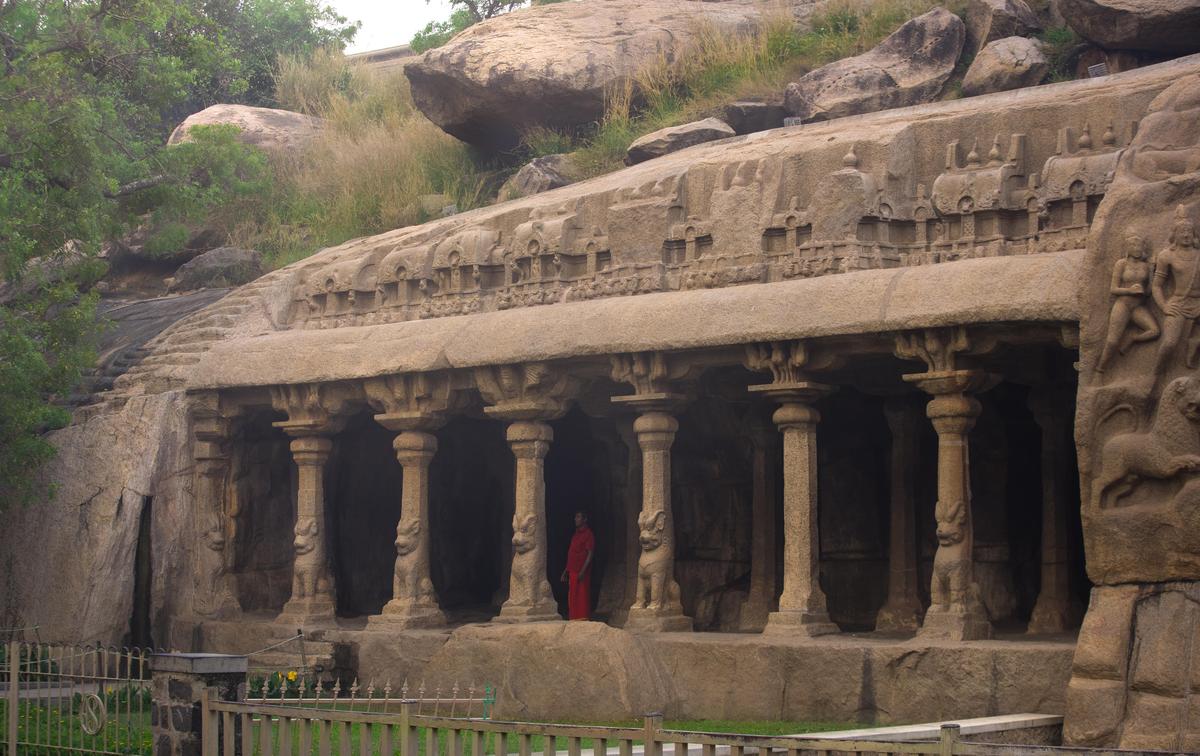
The proximity to the Shore Temple and Arjuna’s Penance allows guests to engage with monolithic wonders carved 1,400 years ago. Historical data highlights the engineering mystery of these structures; for instance, the "Krishna’s Butter Ball" is a 250-ton boulder that stands on a slippery slope. Records from 1934 indicate that the British attempted to move the stone with seven elephants for safety reasons, yet the boulder remained unmoved—a fact that continues to fascinate modern visitors.
Modern Landmarks
Beyond the ancient, the region has developed modern cultural touchstones:
- The India Seashell Museum: Established in 2013, it houses over 40,000 shells from 50 countries, representing one of the largest private collections in Asia.
- The Lighthouse Tradition: The early 20th-century lighthouse stands near the 7th-century Olakkannesvara temple, which is believed to have served as India’s first "lighthouse" by using controlled fires to guide Coromandel Coast mariners.
Implications: The Shift Toward Intimate Hospitality
The emergence of Isai Karai and the Saha brand carries significant implications for the Indian travel industry and the local economy of the East Coast Road (ECR).
1. The Rise of "Privacy Luxury"
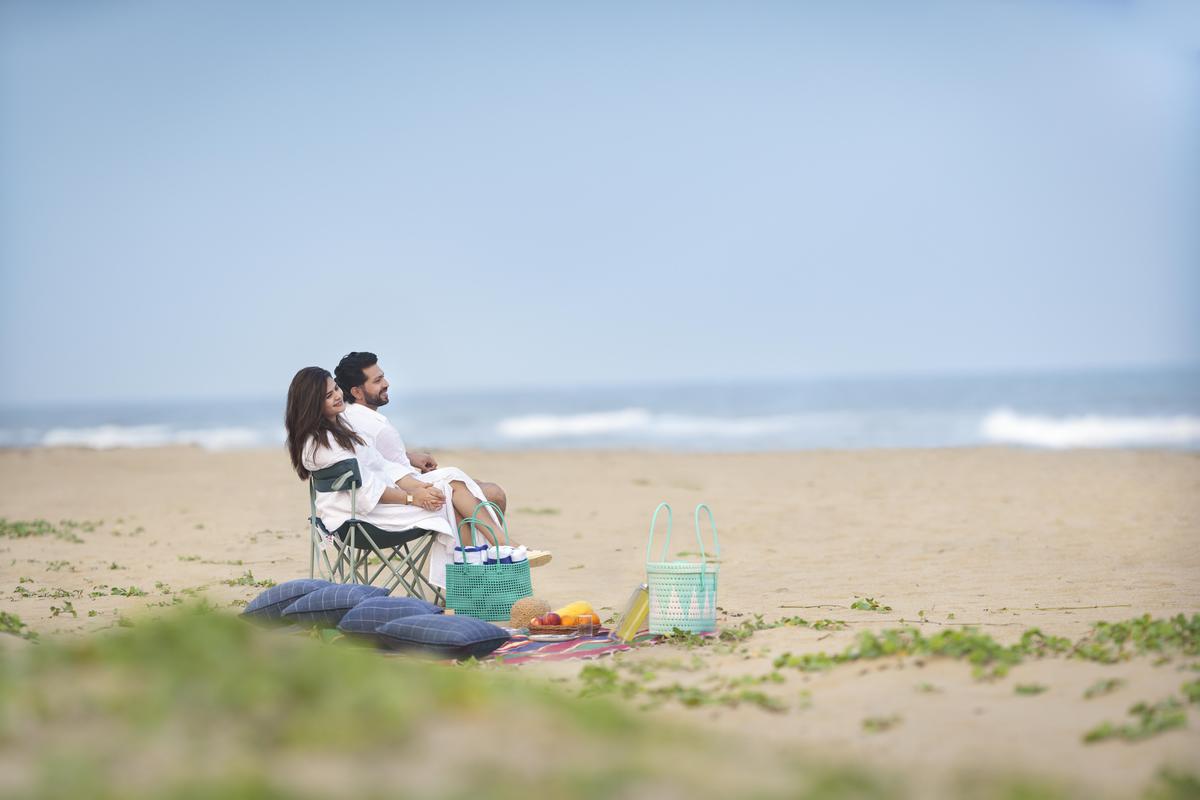
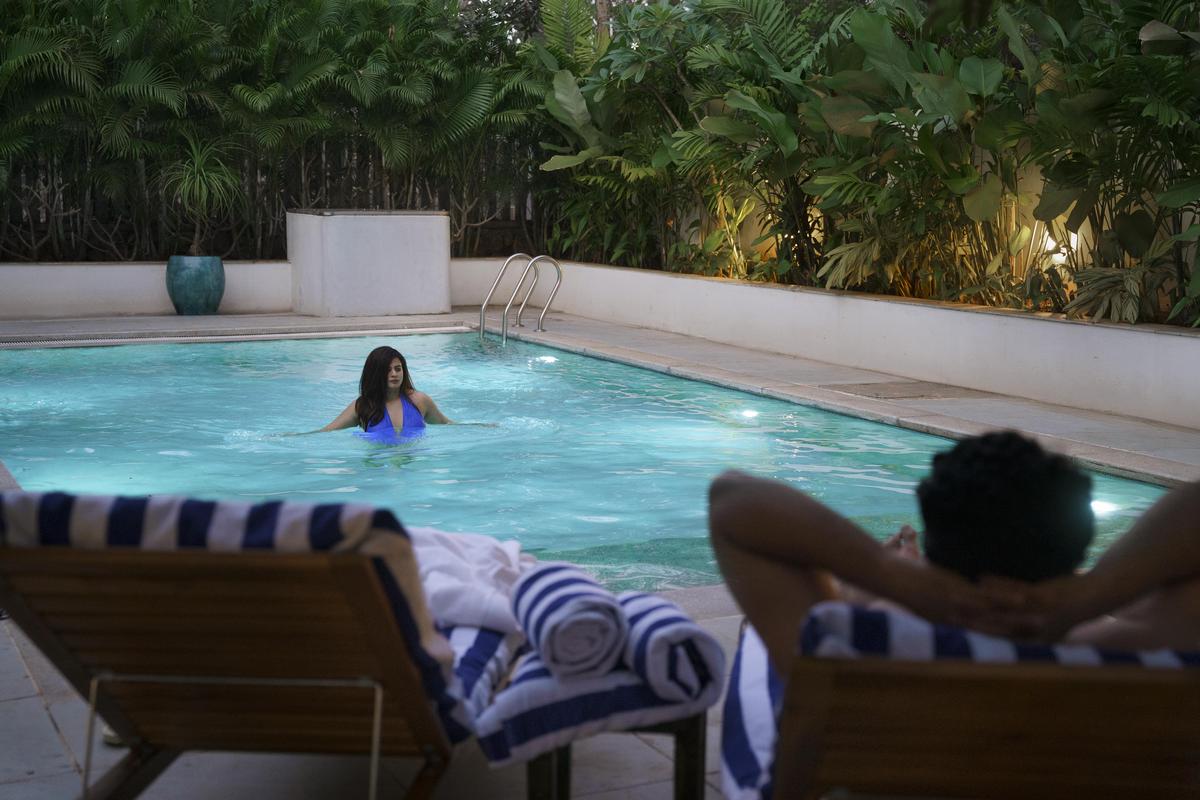
The success of smaller, 5-room properties suggests that the luxury traveler is moving away from the "grand hotel" experience. The desire for privacy—where a guest can have a barbecue by the pool or a picnic on the beach without encountering other tourists—is becoming a primary driver for high-end bookings.
2. Economic Localization
By sourcing seafood directly from local fishermen and produce from an on-site garden, Isai Karai demonstrates a sustainable economic model. This "hyper-local" sourcing reduces the carbon footprint associated with food transport and ensures that tourism revenue stays within the immediate community (Nemmeli and Thiruporur).
3. Heritage Preservation as a Business Model
The partnership between private homeowners and hospitality groups offers a viable path for the preservation of mid-century heritage homes. Instead of being demolished for modern developments, these structures are being repurposed into high-value assets that celebrate regional architecture.
4. The "Slow Travel" Movement
The focus on "slow living"—manifested in long breakfasts, reading time, and observing nature—reflects a mental health-conscious approach to vacationing. As urban burnout becomes more prevalent, the demand for spaces that force a "unclench of the jaw" is expected to rise.
Conclusion
Isai Karai is more than a boutique hotel; it is a manifestation of a shift in how we perceive leisure. By blending the artistic legacy of the Pallavas with the comforts of a private coastal home, it offers a blueprint for the future of curated travel. As guests sit on the porch, listening to the "sounds of silence" and the distant rustle of the Bay of Bengal, it becomes clear that the greatest luxury in the modern world is not high-tech convenience, but the simple, quiet rhythm of the natural world.
