

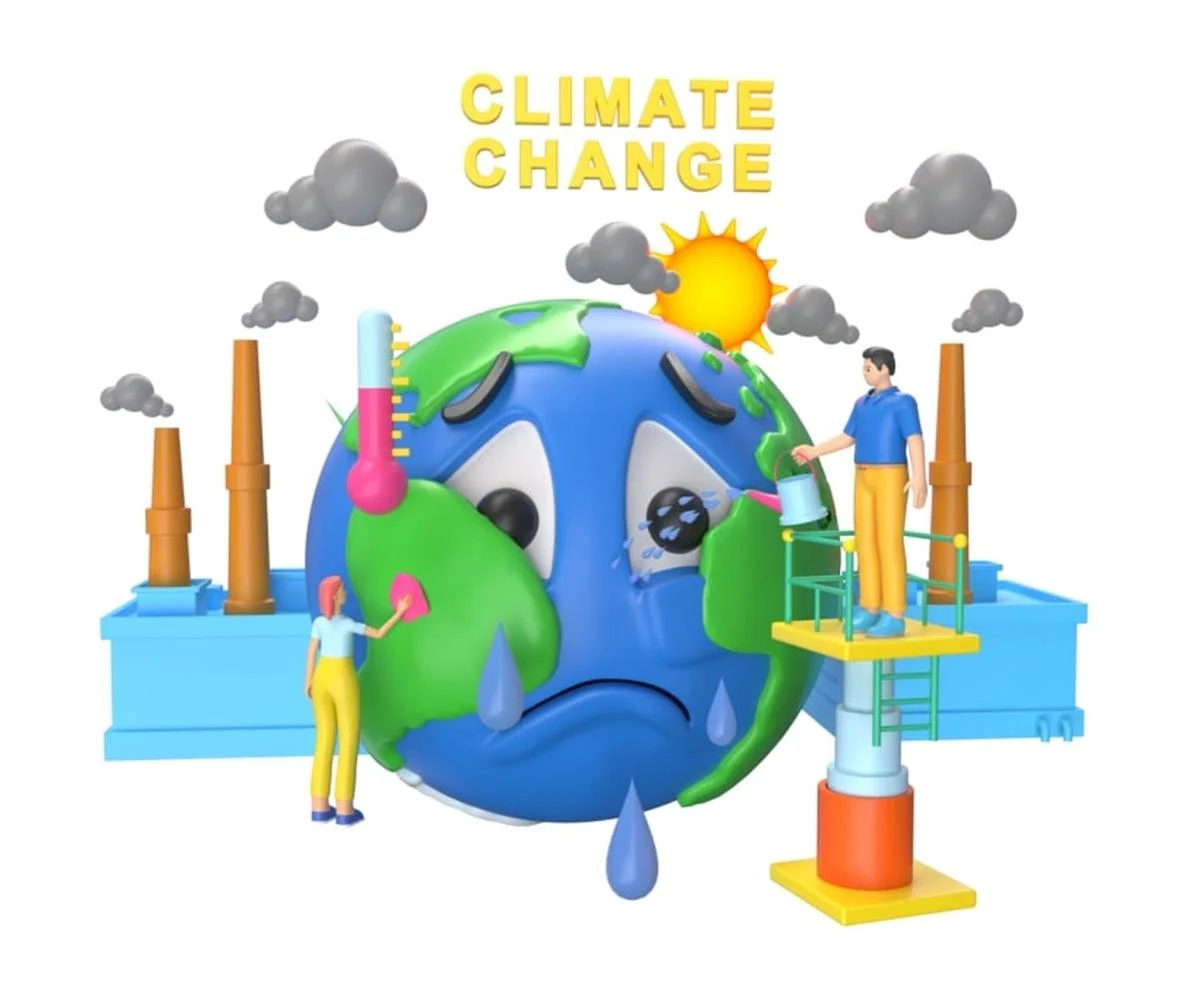
The relentless grip of rising temperatures is no longer confined to the summer months. As our planet experiences unprecedented heatwaves, a critical health condition, heatstroke, is emerging as a significant public health concern, affecting individuals of all ages but disproportionately impacting the most vulnerable, particularly children. This article delves into the intricacies of heatstroke, its escalating prevalence, expert insights into prevention and management, and the broader implications of our changing climate.
The Silent Threat: Understanding Heatstroke
Heatstroke is the most severe form of heat-related illness, occurring when the body’s thermoregulation system is overwhelmed and unable to dissipate excess heat. Unlike less severe conditions like heat exhaustion, which might manifest as profuse sweating and a feeling of faintness, heatstroke signifies a critical failure of the body’s internal cooling mechanisms. This can lead to a dangerously elevated core body temperature, potentially causing irreversible damage to vital organs such as the brain, heart, kidneys, and muscles, and in severe cases, proving fatal.
The human body is a remarkable machine, equipped with sophisticated mechanisms to maintain a stable internal temperature. Sweating is our primary defense against overheating. As sweat evaporates from the skin, it carries heat away from the body. However, when environmental temperatures exceed our body’s ability to cool itself, or when fluid intake is insufficient to replace lost sweat, this delicate balance is disrupted. The body’s internal thermostat, akin to a complex control system, begins to falter, leading to a cascade of physiological distress.
Key Indicators of Heatstroke:
Recognizing the warning signs of heatstroke is paramount for timely intervention. While specific symptoms can vary, common indicators include:
- Hot, Dry Skin: A hallmark sign of heatstroke is the cessation of sweating. As the body’s cooling mechanism fails, the skin may become hot and dry to the touch. However, in some cases, particularly with exertional heatstroke (often seen in athletes), the skin may remain moist.
- High Body Temperature: A core body temperature of 104°F (40°C) or higher is a critical indicator.
- Confusion and Altered Mental State: The brain is highly sensitive to temperature fluctuations. Heatstroke can lead to confusion, disorientation, delirium, and even loss of consciousness.
- Rapid Heartbeat and Breathing: The cardiovascular system works overtime to try and circulate blood and dissipate heat, resulting in a rapid pulse and quick, shallow breaths.
- Dizziness and Nausea: A feeling of lightheadedness and a persistent urge to vomit are common.
- Headache: Intense throbbing headaches can accompany heatstroke.
- Muscle Cramps and Weakness: While more commonly associated with heat exhaustion, severe muscle weakness can also occur in heatstroke.
- Seizures: In extreme cases, heatstroke can trigger seizures.
It’s crucial to differentiate heatstroke from heat exhaustion. Heat exhaustion is a precursor to heatstroke and requires immediate attention to prevent progression. Symptoms of heat exhaustion include heavy sweating, clammy skin, muscle cramps, fatigue, headache, nausea, and dizziness. While uncomfortable, heat exhaustion is generally reversible with rest, hydration, and cooling.
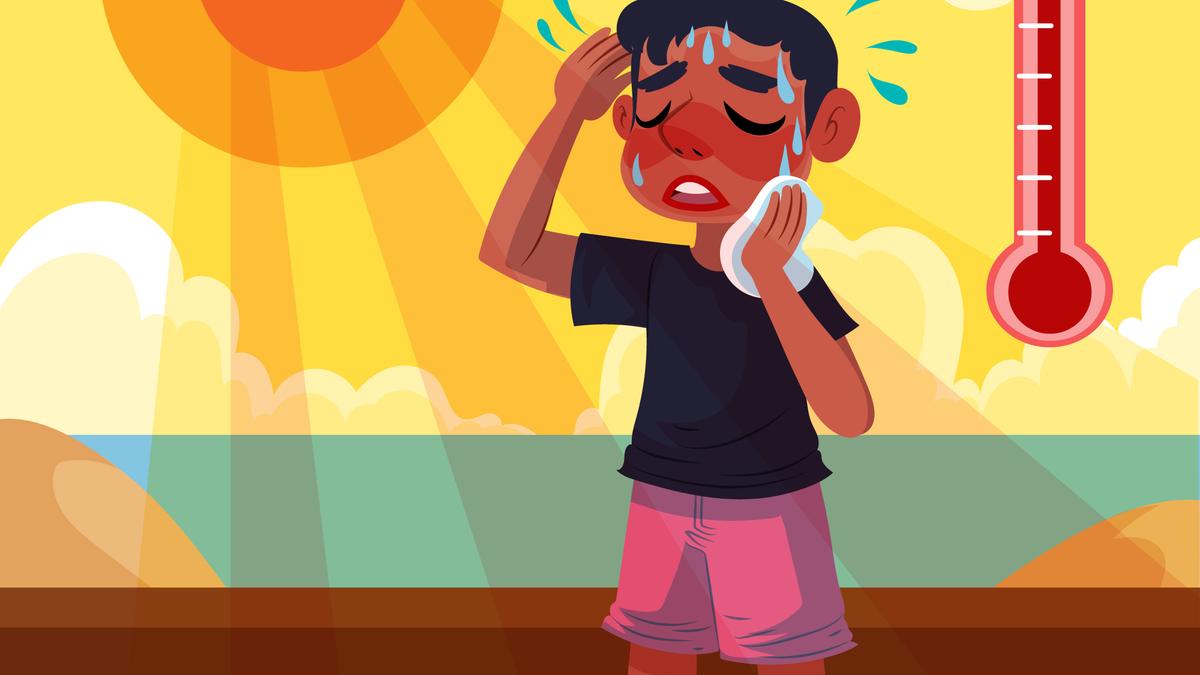
Expert Insights: Navigating the Heatwave with Dr. P. Saravanakumar
To gain deeper insights into the complexities of heatstroke, particularly its impact on children, we consulted with Professor Dr. P. Saravanakumar, an esteemed pediatrician with 17 years of experience. Dr. Saravanakumar’s expertise underscores the growing vulnerability of children to heat-related illnesses and offers practical guidance for parents and caregivers.
"While children naturally gravitate towards outdoor activities during their vacations, their inherent enthusiasm can sometimes lead them to neglect essential hydration in the heat," explains Dr. Saravanakumar. "This oversight can rapidly lead to dehydration, which is the depletion of vital water in the body. Dehydration, in turn, significantly elevates the risk of heat-related ailments."
Dr. Saravanakumar highlights a concerning trend: "The first step always when about to get a heatstroke is to take the child to a cool place and drink cold water, lower the body temperature." This immediate action can be life-saving.
The Deceptive Allure of Cold Treats: A Nutritional Pitfall
In their quest to quench their thirst during sweltering days, children often turn to sugary beverages and frozen treats. While these may offer temporary relief, Dr. Saravanakumar cautions against their overuse. "These sugary concoctions, while appealing, do not effectively rehydrate the body. In fact, they can exacerbate the problem by disrupting electrolyte balance and potentially leading to other health issues."
The doctor further elaborates on the unintended consequences of these summer dietary shifts:
- Upper Respiratory Infections: The frequent consumption of cold drinks can irritate the throat, creating a breeding ground for pathogens and increasing susceptibility to coughs, colds, and tonsillitis. The sudden temperature shock from a cold drink can also weaken the local immune defenses in the pharynx.
- Gastrointestinal Distress: Introducing unfamiliar outside food or excessive consumption of certain fruits, like watermelon, can overwhelm a child’s digestive system. This can manifest as stomach aches, nausea, and diarrhea, further contributing to fluid and electrolyte loss, thereby worsening dehydration. Watermelon, while hydrating, can have a diuretic effect in very large quantities.
These dietary habits, combined with inadequate water intake, create a perfect storm for dehydration and an increased risk of heat-related complications.
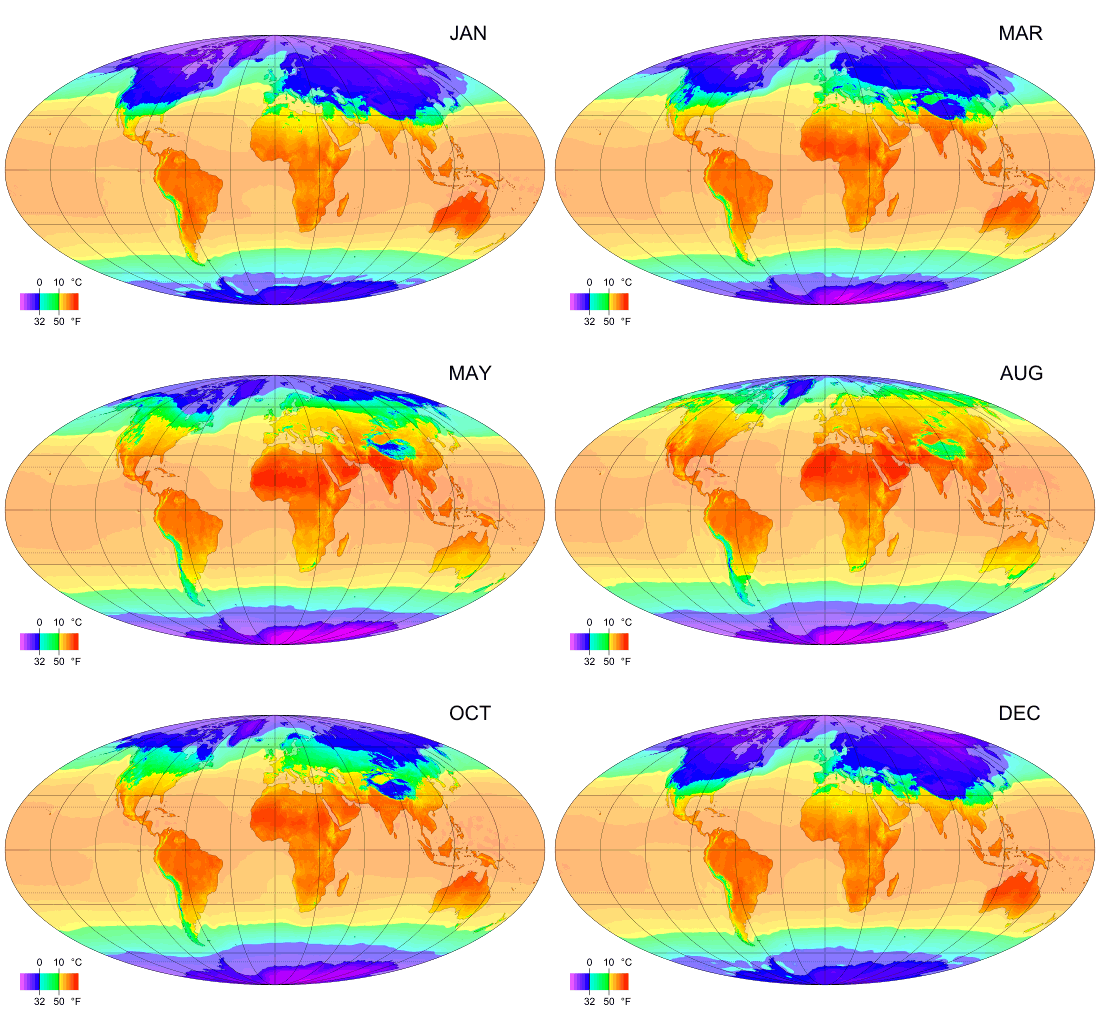
Why Children Bear the Brunt of the Heat: A Physiological Predicament
Children are not simply miniature adults; their physiological differences make them inherently more susceptible to the adverse effects of heat. Dr. Saravanakumar elaborates on these critical factors:
- Higher Surface Area to Body Mass Ratio: Children possess a larger proportion of skin surface area relative to their body volume compared to adults. This means that for their size, more of their body is exposed to the external environment. Consequently, they absorb heat more rapidly from their surroundings and, conversely, may lose heat less efficiently. This amplified surface area to mass ratio means their internal temperature can rise more quickly when exposed to hot conditions.
- Less Efficient Thermoregulation: Research indicates that children tend to sweat less effectively and at a lower rate than adults. Sweating is the body’s primary mechanism for dissipating heat. Reduced sweating capacity means children have a diminished ability to cool themselves down, making them more prone to overheating. Furthermore, their thermoregulatory systems are still developing, making them less adept at adapting to extreme temperatures.
- Lower Blood Volume: Compared to adults, children generally have a lower blood volume. This can impact their ability to perfuse their skin effectively for heat dissipation and to maintain adequate blood pressure during heat stress.
- Impaired Thirst Sensation: Some studies suggest that children may not always perceive thirst as readily as adults, potentially leading to delayed fluid intake even when their bodies are signaling a need for hydration.
These physiological characteristics, when combined with increased exposure to heat during outdoor play, make children a particularly vulnerable demographic for heatstroke and other heat-related illnesses.
Proactive Measures: The Pillars of Heatstroke Prevention
The adage "prevention is better than cure" rings especially true when it comes to heatstroke. Dr. Saravanakumar emphasizes the importance of adopting simple yet effective preventive strategies:
- Prioritize Hydration: This is the cornerstone of heatstroke prevention.
- Children under 5 years: Aim for 820 ml to 1 liter of fluids daily.
- Children up to 13 years: Target approximately 3 liters of fluids per day.
It is crucial to offer fluids consistently throughout the day, rather than waiting for the child to express thirst. Water should be the primary beverage. However, milk and diluted juices can also contribute to hydration. Consideration should be given to electrolyte replenishment, especially during prolonged periods of heat and activity.
- Dress Appropriately: Opt for lightweight, loose-fitting clothing made from breathable fabrics like cotton. Light-colored clothing reflects sunlight, further aiding in staying cool.
- Seek Shade and Cool Environments: Whenever possible, encourage children to play in shaded areas. During the hottest parts of the day, between 10 am and 4 pm, it is advisable to limit strenuous outdoor activities and opt for indoor play or cooler times of the day, such as early mornings or evenings.
- Sun Protection: Use sunscreen with a high SPF, wear wide-brimmed hats, and sunglasses to protect the skin and eyes from harmful UV rays.
- Acclimatization: If engaging in strenuous activities during hot weather, allow the body to gradually acclimatize to the heat over several days. This involves progressively increasing the duration and intensity of outdoor activity.
- Be Mindful of Medications: Certain medications can affect the body’s ability to regulate temperature. Consult with a healthcare professional if you have concerns about medications and heat exposure.
Immediate Action: Responding to Suspected Heatstroke
Despite best efforts, heatstroke can still occur. Dr. Saravanakumar outlines the critical steps to take if heatstroke is suspected in a child:
- Move to a Cooler Environment Immediately: The first and most crucial step is to transport the individual to a cool, shaded area, ideally an air-conditioned room or at least a well-ventilated space.
- Cool the Body Rapidly: The goal is to lower the core body temperature as quickly as possible.
- Cool Water Immersion: If feasible, immerse the person in a tub of cool water.
- Cool Compresses: If immersion is not possible, apply cool, wet cloths or towels to the skin, particularly on the neck, armpits, and groin, where major blood vessels are close to the surface.
- Sponge Bathing: Sponge the body with cool water.
- Fan Cooling: Use a fan to increase air circulation and promote evaporation of moisture from the skin.
- Offer Fluids (if conscious): If the person is awake and able to swallow, offer sips of cool water or an electrolyte-rich beverage. Avoid giving fluids if the person is unconscious or vomiting, as this can lead to choking.
- Seek Medical Attention Urgently: Heatstroke is a medical emergency. Call emergency services (e.g., 911 or your local emergency number) immediately. While cooling measures are being implemented, it is vital to alert medical professionals about the situation.
- Monitor Vital Signs: Continuously monitor the person’s consciousness, breathing, and pulse until medical help arrives.
The Climate Connection: A Shifting Landscape of Heat Risks
Dr. Saravanakumar’s observation about the shifting seasonality of heatstroke cases is a stark reminder of the profound impact of climate change. "One interesting pattern observed for the past few years is that earlier heat stroke cases would come only during summer seasons but now it may come any time of the year. This might be an effect of climate change as well. There have been more recent cases of heat exhaustion," he notes.
This phenomenon suggests that the traditional understanding of heat-related illnesses as strictly seasonal is becoming obsolete. More frequent and intense heatwaves, coupled with warmer average temperatures throughout the year, are creating prolonged periods of heat stress. This not only increases the incidence of heatstroke but also extends the window of vulnerability for individuals and communities.
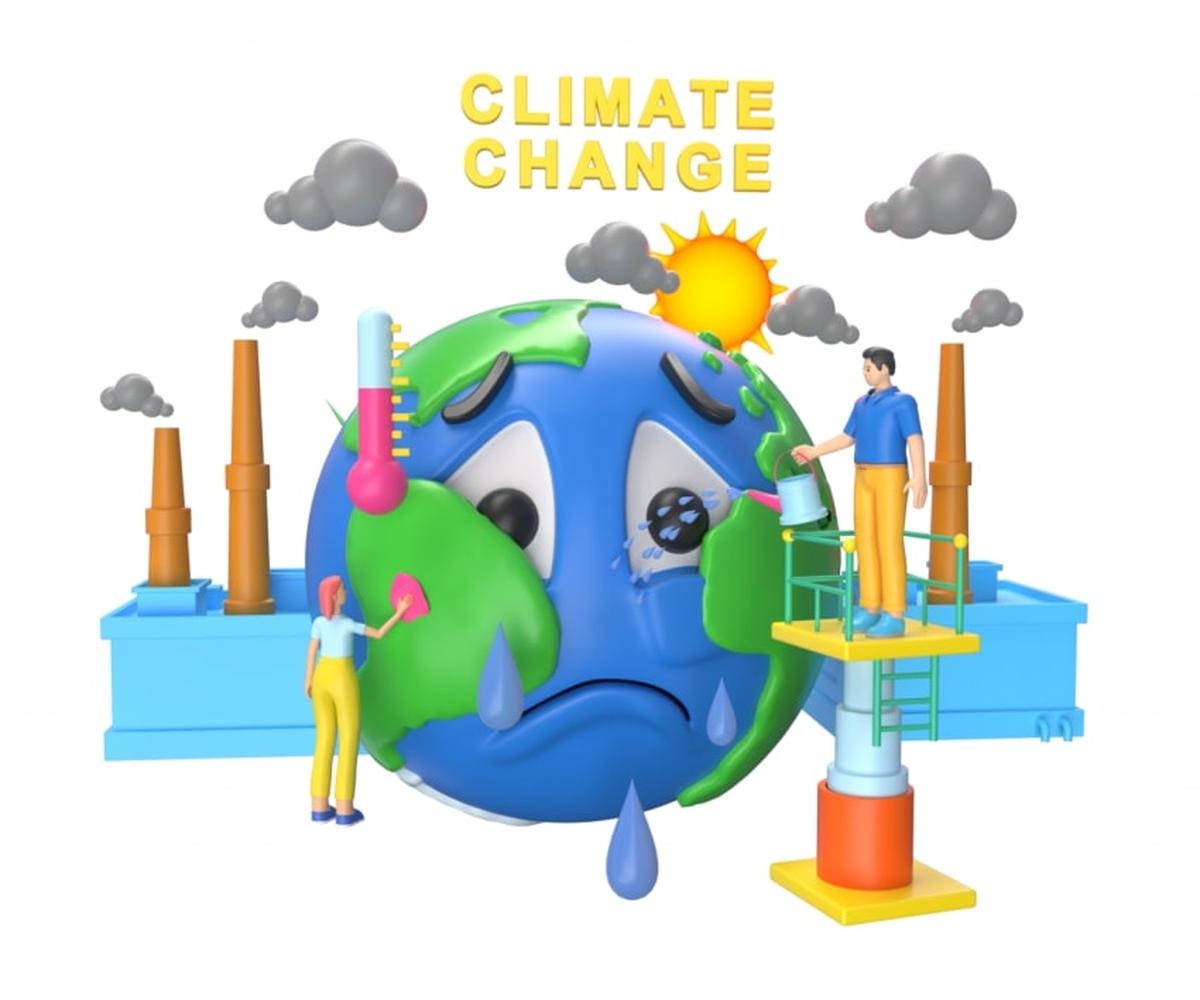
The implications of this are far-reaching:
- Increased Healthcare Burden: A rise in heat-related illnesses will place a greater strain on healthcare systems, requiring increased resources for emergency care, hospitalizations, and long-term management of complications.
- Economic Impact: Heatwaves can disrupt economic activities, leading to reduced productivity in outdoor labor, agricultural losses, and increased energy consumption for cooling.
- Social Disparities: Vulnerable populations, including the elderly, infants, individuals with chronic illnesses, and those living in poverty without access to adequate cooling, are disproportionately affected, exacerbating existing social inequalities.
- Environmental Stress: Extreme heat places immense stress on ecosystems, affecting biodiversity, water resources, and agricultural yields.
Conclusion: A Call for Vigilance and Adaptation
Heatstroke is a serious, preventable, and treatable condition that demands our attention. As the planet continues to warm, understanding its causes, recognizing its symptoms, and implementing robust preventive measures are no longer optional but essential for safeguarding public health. Expert guidance, coupled with community awareness and proactive adaptation strategies, can help mitigate the devastating impact of heat-related illnesses.
The insights provided by Dr. Saravanakumar underscore the critical need for continuous education, particularly for parents and caregivers, regarding appropriate hydration, dietary choices, and the physiological vulnerabilities of children. The changing climate necessitates a paradigm shift in our approach to heat management, moving from seasonal preparedness to year-round vigilance. By fostering a culture of awareness and embracing evidence-based strategies, we can collectively navigate the challenges of a warming world and protect ourselves and our loved ones from the silent threat of heatstroke.
Facts and Trivia:
- Did you know? The average adult can lose up to a liter of sweat per hour in extreme heat. This highlights the critical importance of replenishing lost fluids.
- What is the hottest temperature ever recorded on Earth? 134°F (56.7°C) in Death Valley, California. This record serves as a stark reminder of the extreme temperatures our planet can reach.
- True or False: Shaving your head helps you stay cool? False. While it might feel cooler initially, hair actually provides some insulation from the sun’s direct rays and can help regulate temperature.
- Watermelon Power: Watermelon is over 90% water, making it a delicious and hydrating way to beat the heat. Its high water content and natural electrolytes contribute to rehydration.
- Animals get it too: Even healthy animals like dogs can suffer from heatstroke if left outdoors on hot days. Their inability to sweat effectively like humans makes them susceptible to overheating. Always ensure pets have access to shade and plenty of fresh water.
