

Main Facts: The Identity of a Levantine Icon
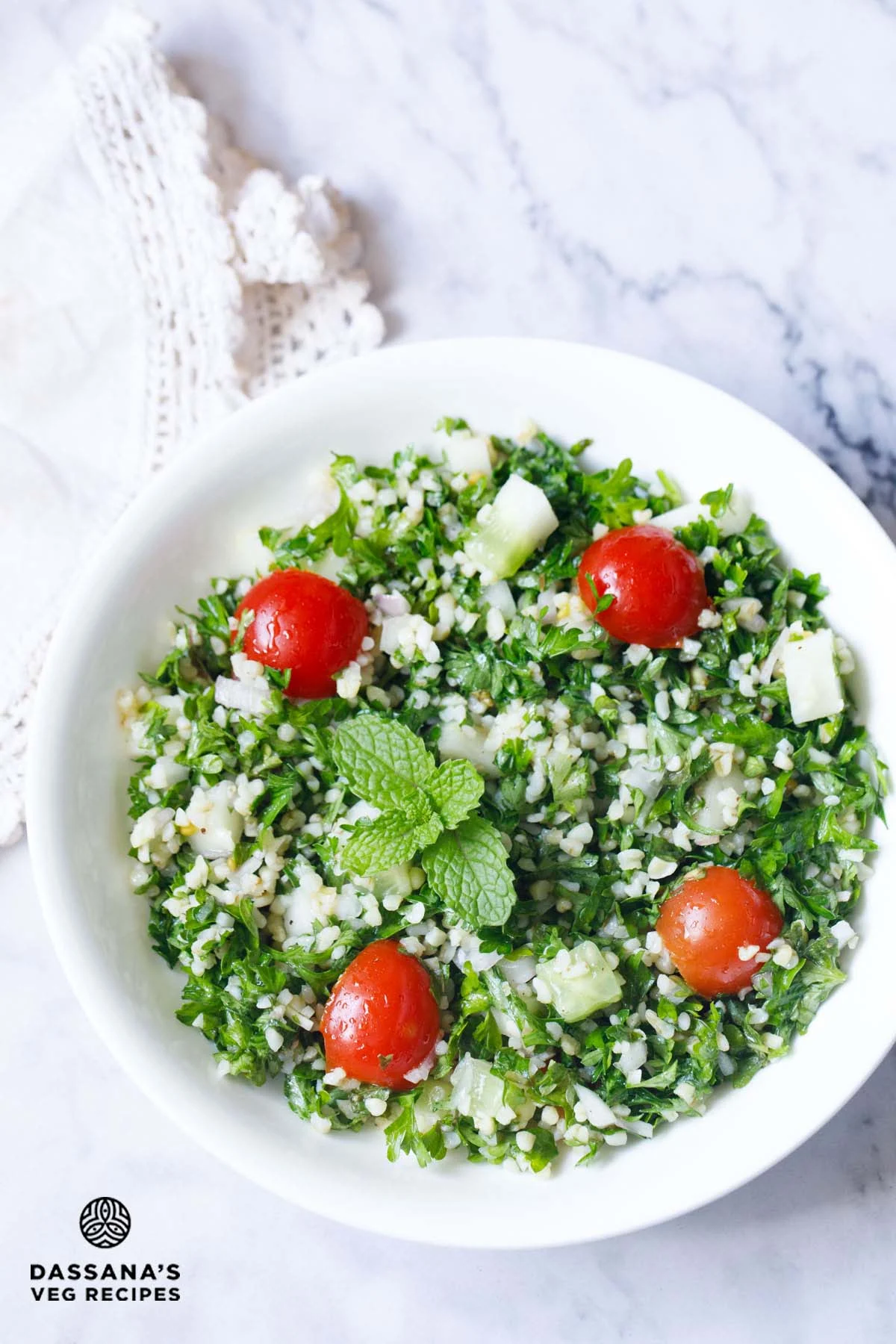
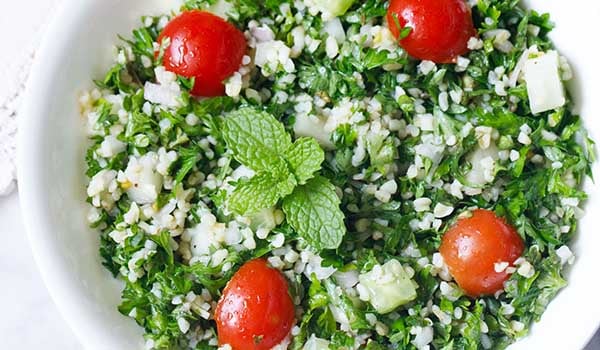
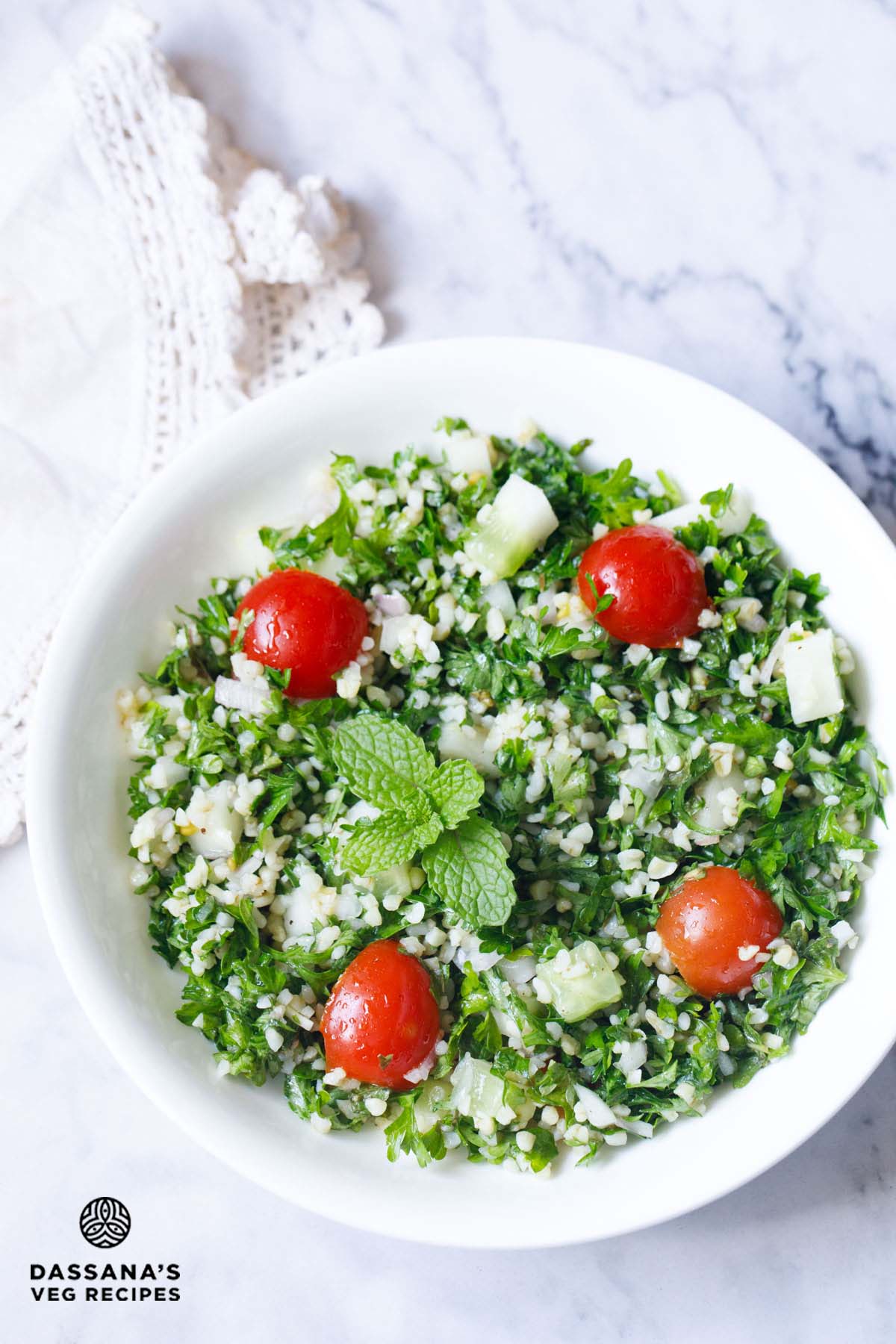
In the vast landscape of Middle Eastern gastronomy, few dishes carry as much cultural weight or visual recognition as Tabbouleh. Often spelled as tabouli or tabbouli, this vibrant salad is a cornerstone of Levantine cuisine, representing a sophisticated balance of freshness, acidity, and texture. While frequently categorized by international diners as a grain-based salad, traditionalists and culinary historians emphasize a critical distinction: Tabbouleh is fundamentally a parsley salad, where bulgur wheat serves as a secondary textural accent rather than the base.
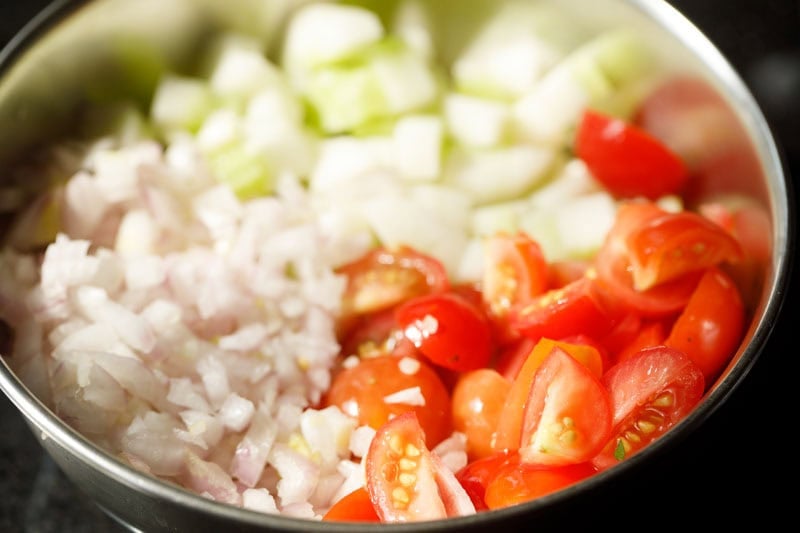
Originating from the mountainous regions of Lebanon and Syria, Tabbouleh has transcended its regional borders to become a global symbol of healthy, plant-based eating. The dish is characterized by a meticulous preparation of finely chopped flat-leaf or curly parsley, fresh mint, ripe tomatoes, and onions, all brought together by a minimalist dressing of high-quality extra virgin olive oil and fresh lemon juice. Its role in the traditional mezze—a selection of small dishes served as a multi-course appetizer—is essential, providing a refreshing counterpoint to richer offerings such as hummus, falafel, and baba ganoush.
As global interest in the Mediterranean diet continues to surge, Tabbouleh has found a permanent home in modern wellness culture. It is naturally vegan and nutrient-dense, offering a powerhouse of vitamins and minerals in every bite. However, the dish’s simplicity is deceptive; its success relies on specific techniques—such as the "knife-only" rule for herbs—that preserve the integrity of the ingredients and prevent the salad from becoming a bruised, watery mess.
Chronology: From Ancient Mountains to Global Supermarkets
The history of Tabbouleh is deeply intertwined with the agricultural history of the Fertile Crescent. The use of bulgur (cracked whole wheat) and wild herbs dates back millennia, but the specific assembly of what we now recognize as Tabbouleh began to solidify in the medieval period in the mountains of Lebanon.
The Era of the "Tabil"
The word "Tabbouleh" is derived from the Arabic word tabil, which refers to seasoning or spicing. Historically, the dish was a way for mountain-dwelling communities to utilize the abundance of fresh herbs available during the spring and summer months. Bulgur, which is parboiled and dried wheat, was a shelf-stable staple that provided the necessary carbohydrates to make the herb-heavy salad a sustaining meal.
20th Century: Regional Standardization
As Lebanese and Syrian populations migrated across the globe in the early to mid-20th century, they brought Tabbouleh with them. It was during this period that the dish became a standardized feature of the "Levantine Table." In Lebanon, the dish attained the status of a national icon. Every family developed its own ratio of herbs to grain, though the "parsley-forward" approach remained the gold standard for authenticity.
The 21st Century: The Global Health Boom
In the last two decades, Tabbouleh has evolved from an ethnic specialty to a mainstream health food. The rise of "fast-casual" Mediterranean chains in North America and Europe has introduced the salad to millions. However, this globalization has led to variations—some of which use quinoa or couscous instead of bulgur to cater to gluten-free diets, and others that invert the ratio, making it a grain-heavy salad. Despite these adaptations, the traditional Lebanese preparation remains the benchmark for culinary excellence.
Supporting Data: The Anatomy and Science of Tabbouleh
The brilliance of Tabbouleh lies in its nutritional profile and the chemical interaction of its simple ingredients. A standard serving of Tabbouleh (approximately 3 servings per recipe) contains roughly 233 calories, but its value is better measured in micronutrients.
Nutritional Breakdown
Tabbouleh is an exceptional source of Vitamin K, providing over 500% of the daily recommended value in a standard serving. This is primarily due to the dense concentration of parsley. Other key data points include:
- Vitamin A: 3063 IU (critical for vision and immune function).
- Vitamin C: 59 mg (a powerful antioxidant that also aids in the absorption of iron from the parsley).
- Fiber: 6g (essential for digestive health, provided by the whole-grain bulgur and fresh vegetables).
- Healthy Fats: 15g (predominantly monounsaturated fats from extra virgin olive oil).
The Role of Bulgur
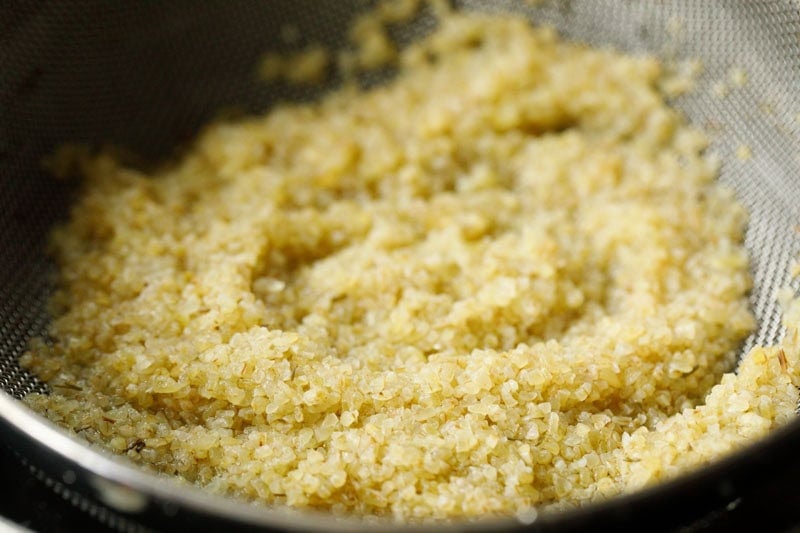
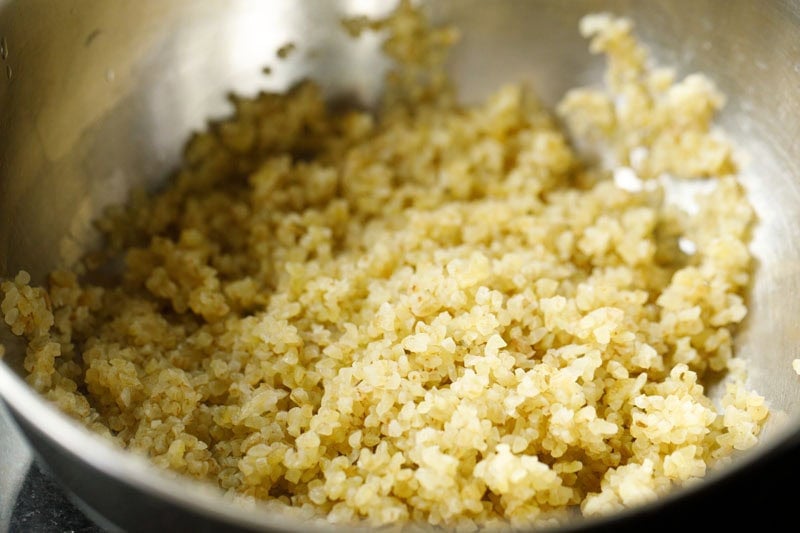
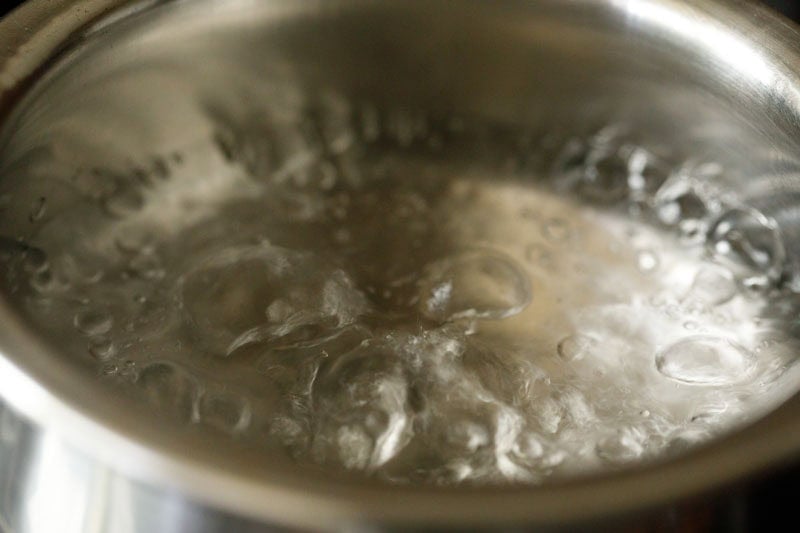
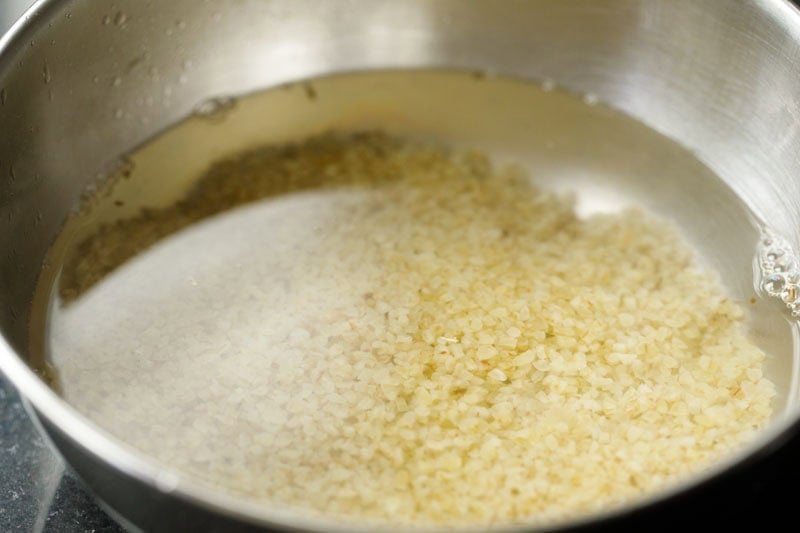
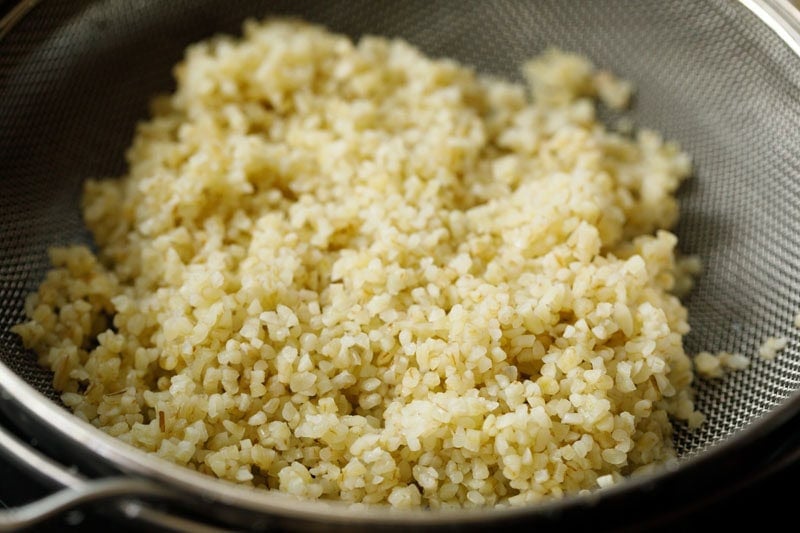
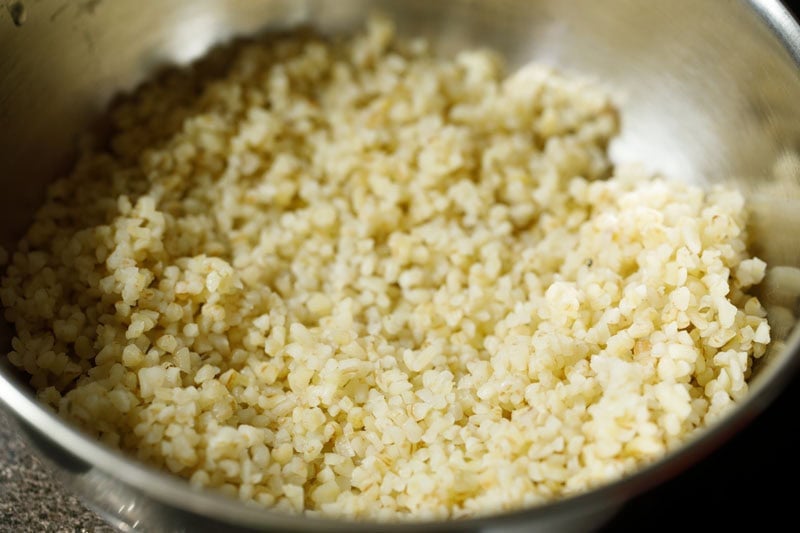
Bulgur is the structural backbone of the dish. Unlike flour-based pastas, bulgur is a cracked whole wheat that has been partially cooked and dried. In traditional Tabbouleh, "fine" or "super fine" bulgur (Grade #1) is used. The data suggests that soaking bulgur in hot water for 15 to 20 minutes allows the grains to soften while maintaining a "chewy bite," a texture that balances the softness of the herbs and the crunch of the cucumbers and onions.
The Herb Ratio
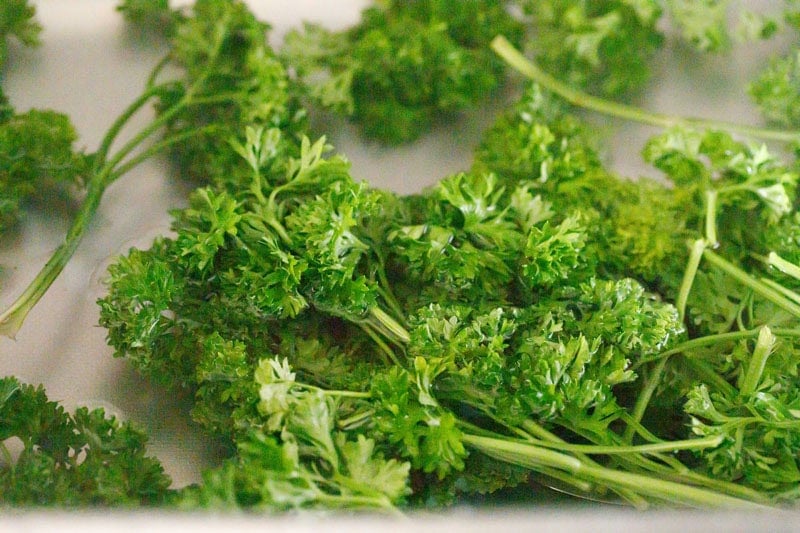
Authentic Tabbouleh requires a high volume of herbs. A standard recipe calls for 3.5 to 4 cups of loosely packed parsley (approximately 100 grams) compared to only 1/2 cup of dry bulgur. This 8:1 ratio of herbs to grain is what defines the dish’s flavor profile—bright, grassy, and intensely fresh.
Official Responses: Expert Perspectives on Authenticity and Technique
Culinary experts and traditional chefs have long advocated for specific standards when preparing Tabbouleh. The consensus among Levantine chefs is that the "soul" of the dish is lost when modern shortcuts are taken.
The "No-Processor" Mandate
One of the most frequent warnings from culinary authorities involves the method of chopping. "Do not use a food chopper or food processor to chop the herbs," warns the Veg Recipes of India culinary guide. Experts explain that the high-speed blades of a processor bruise the delicate cell walls of parsley and mint, causing them to release excess moisture and oxidize rapidly. This results in a "dull or wet" salad. A sharp knife is required to "slice" the herbs, keeping the leaves fresh and airy.
The Moisture Debate
A common critique of poorly made Tabbouleh is sogginess. Professional chefs emphasize the "dry herb rule." After rinsing parsley and mint, they must be spun in a salad spinner or spread on a kitchen towel until bone-dry. Any residual water will dilute the lemon and olive oil dressing, preventing it from adhering to the ingredients.
Varietal Choices
While flat-leaf (Italian) parsley is often cited as the "authentic" choice due to its deeper, more peppery flavor, many chefs, including those featured in the source material, suggest that curly parsley offers a unique benefit. Curly parsley provides a "fresh light texture" and more volume, which can make the salad feel more substantial without adding calories.
Implications: Tabbouleh in the Modern Diet and Beyond
The enduring popularity of Tabbouleh has significant implications for global food trends, public health, and cultural diplomacy.
Gastrodiplomacy and Cultural Identity
For the Lebanese diaspora, Tabbouleh is more than a recipe; it is a piece of home. Lebanon even holds a "National Tabbouleh Day" on the first Saturday of July. The dish serves as a form of "gastrodiplomacy," introducing the world to the sophistication of Middle Eastern culture through a medium that is universally accessible and healthy.
The Mediterranean Diet and Longevity
As healthcare systems worldwide grapple with the rise of lifestyle-related diseases, the Mediterranean diet—of which Tabbouleh is a star—is increasingly prescribed as a preventative measure. The combination of high-fiber grains, antioxidant-rich herbs, and heart-healthy fats aligns perfectly with modern nutritional guidelines. The inclusion of ingredients like pomegranate arils or feta cheese in modern variations further increases the dish’s appeal to a diverse range of palates while maintaining its core health benefits.
Sustainability and Plant-Based Futures
In an era where the environmental impact of meat consumption is under scrutiny, Tabbouleh represents a sustainable, low-carbon-footprint meal. It relies on seasonal produce and shelf-stable grains, making it an environmentally responsible choice for the conscious consumer.
Final Thoughts on Preparation and Storage
To experience Tabbouleh at its peak, experts recommend a 15-minute resting period after assembly. This allows the lemon juice and salt to slightly soften the herbs and for the bulgur to absorb the surrounding flavors. While it can be refrigerated, it is best consumed within a few hours, as the salt will eventually cause the vegetables to release water, compromising the salad’s signature "loft."
As we look toward the future of global cuisine, Tabbouleh stands as a testament to the power of simple, high-quality ingredients. Whether served on a mezze platter in Beirut or as a quick lunch in a London office, it remains a refreshing reminder that health and flavor are not mutually exclusive, but rather, in the best of traditions, they are inextricably linked.
